
Houten huizen der XVI eeuw, Sint-Walburgisplein — History & Facts
In the stillness of a bygone era, the whispers of history linger, inviting a profound sense of awe and contemplation. Look to the left at the meticulously rendered wooden houses, their gabled roofs reaching skyward, seemingly frozen in time. The artist’s skilled brushwork captures the intricate textures of the aged wood, while a soft, golden light bathes the scene, highlighting the subtle interplay of shadow and warmth. Notice how the perspective draws you into the cobblestone square, guiding your gaze toward the church that stands solemnly in the background as if guarding the secrets of the past. Within this composition lies a meditation on transience and permanence.
The weathered facades of the houses, laden with the memories of everyday life, contrast with the steadfastness of the church, a silent witness to the passage of time. The empty square evokes a deep sense of solitude, a pause that compels viewers to reflect on the stories that have unfolded in this space, enhancing the painting's emotional depth. In 1837, Edward Dujardin painted this piece while living in the Netherlands, a time when the Romantic movement was influencing artists to explore themes of nostalgia and history. The transition from neoclassicism to a more expressive style marked this period in art, as Dujardin sought to capture the essence of his homeland’s architectural heritage, grounding his work in the rich tapestry of the 16th century.
More Artworks by Edward Dujardin
Browse all →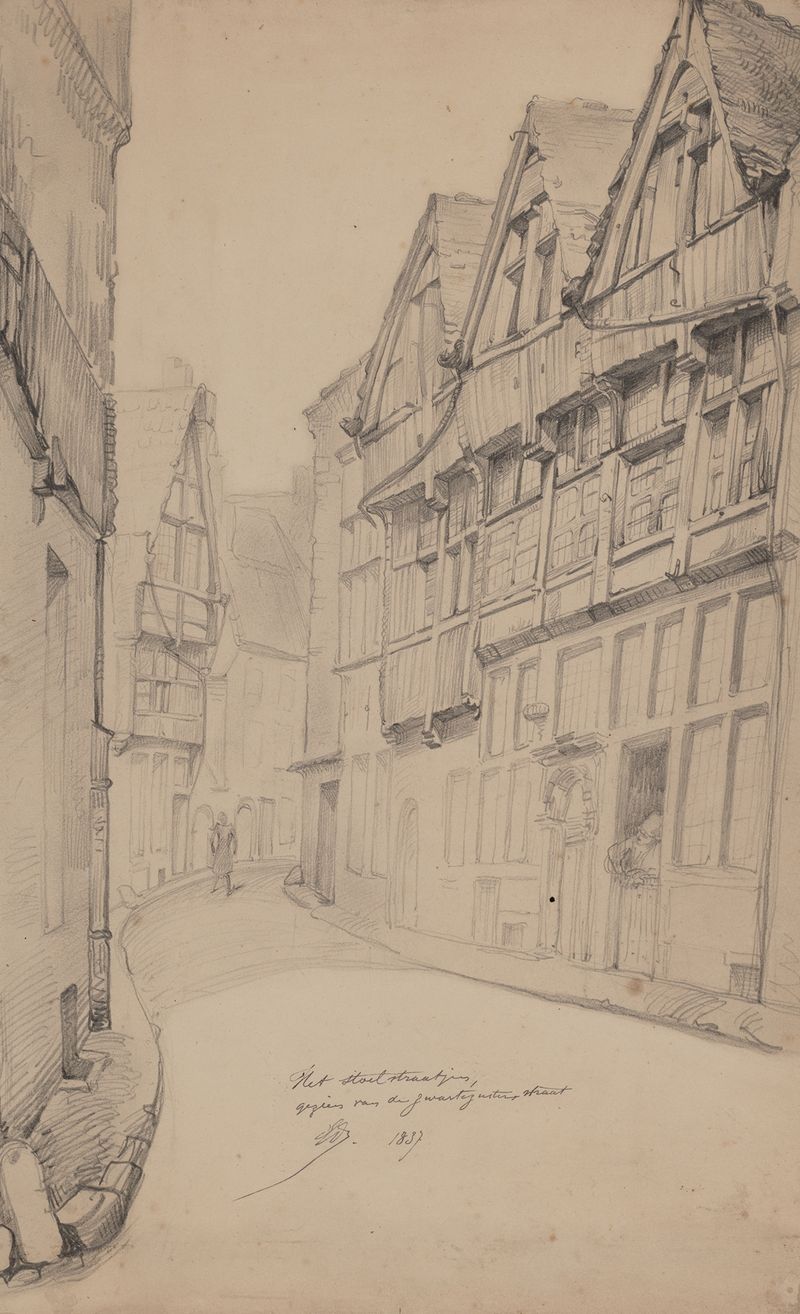
De Stoelstraat, gezien vanuit de Zwarte Zusterstraat
Edward Dujardin
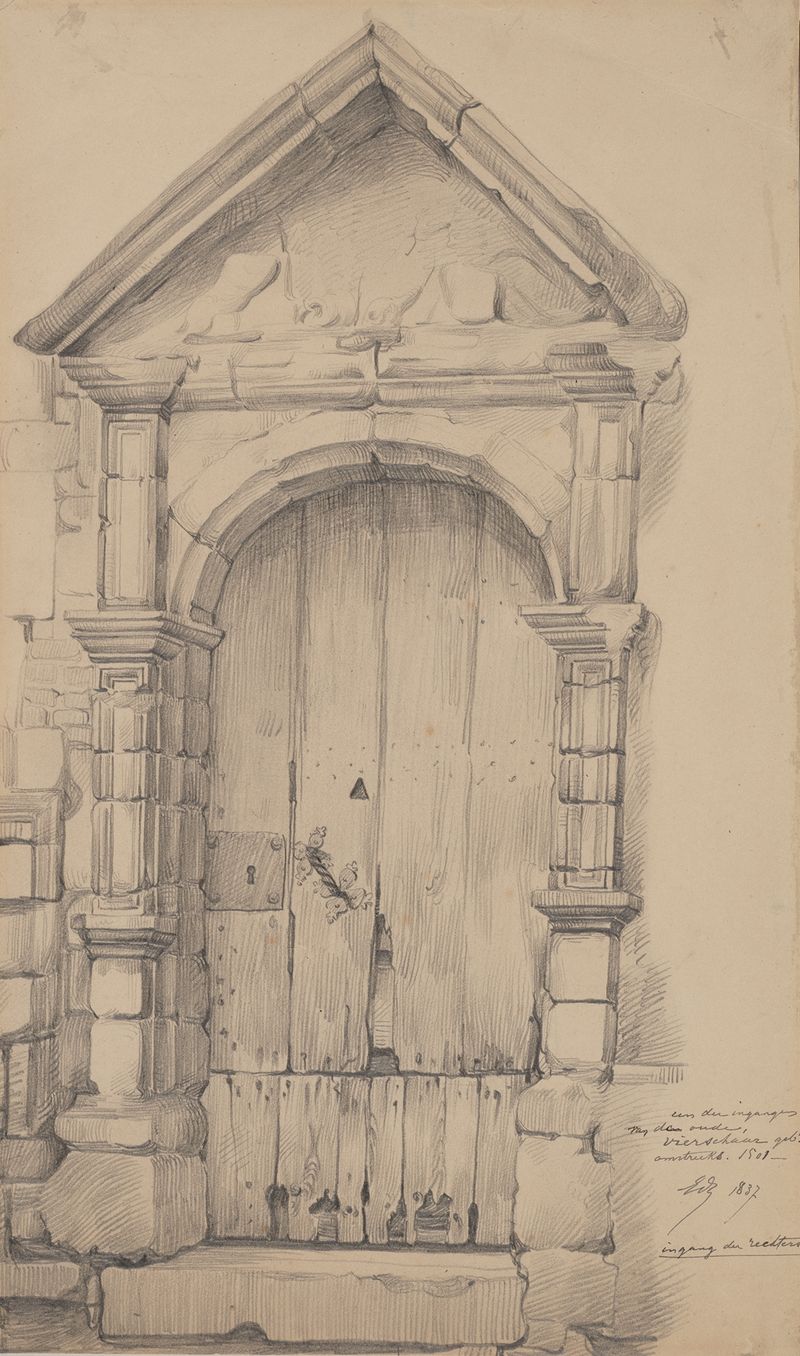
De ingang der rechters van de oude Vierschaar
Edward Dujardin
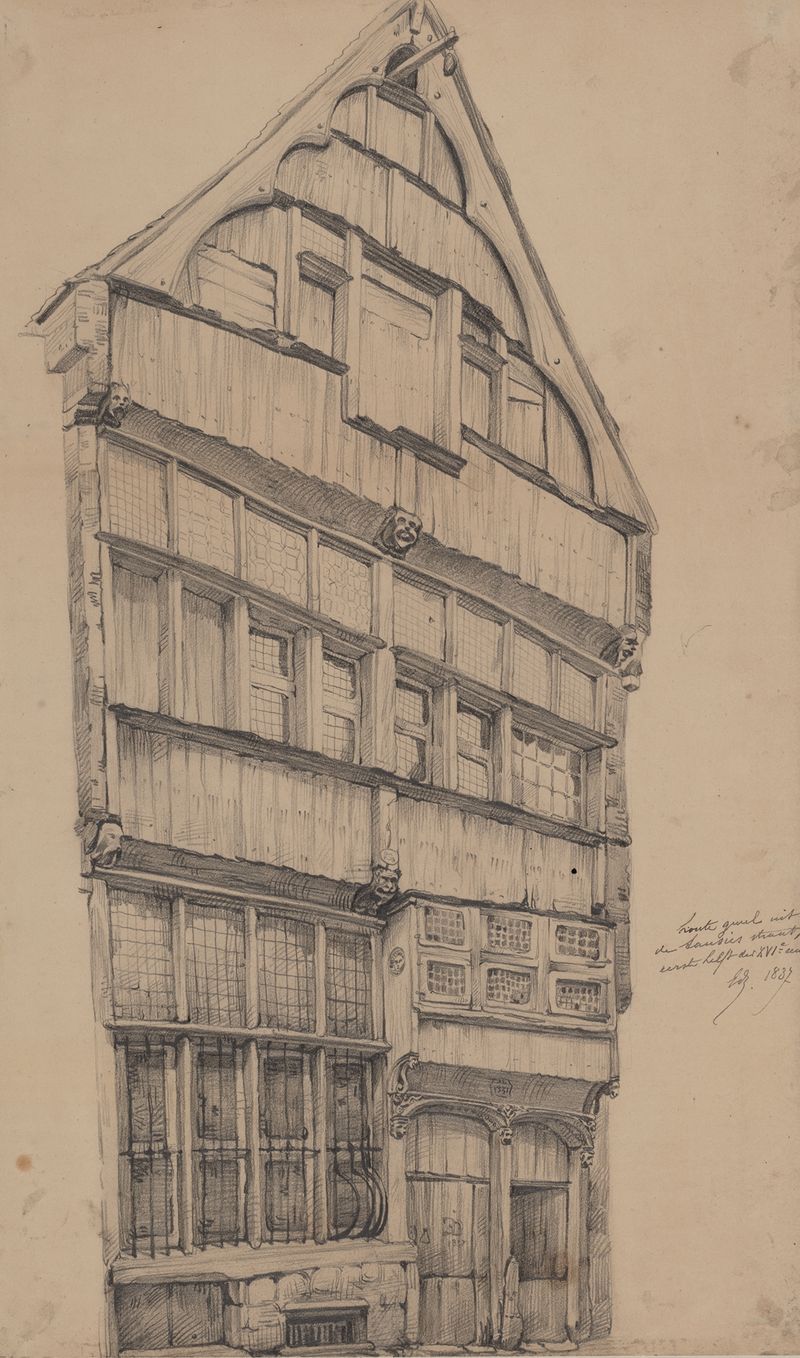
Houten gevel in de Saucierstraat.
Edward Dujardin
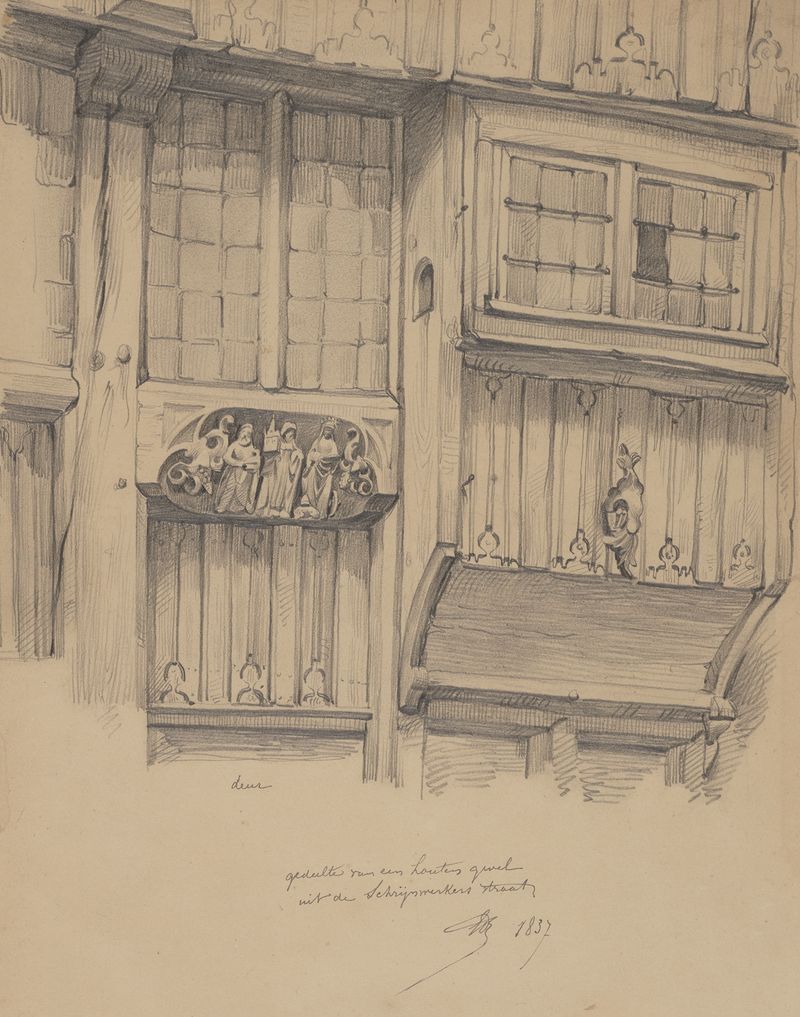
Gedeelte van een houten gevel uit de Schrijnwerkersstraat
Edward Dujardin
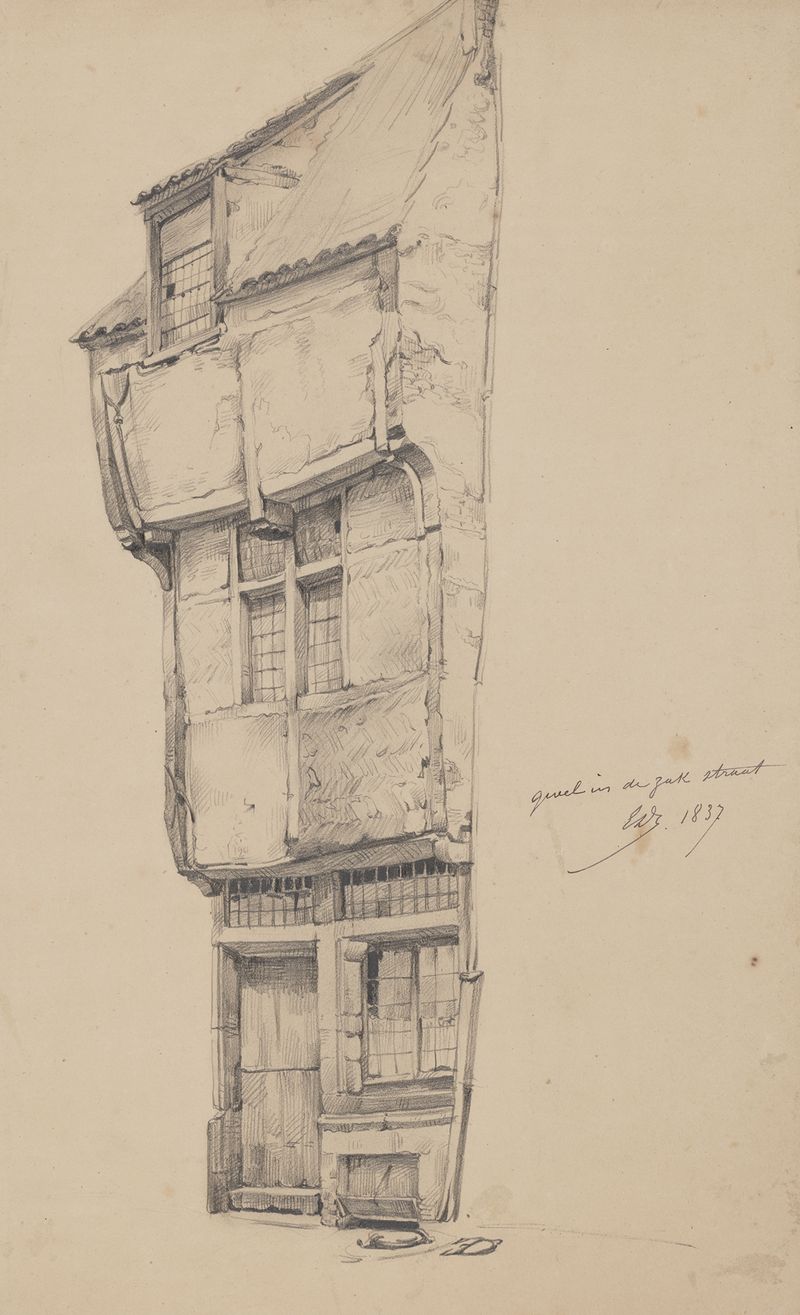
Gevel in de Zakstraat
Edward Dujardin
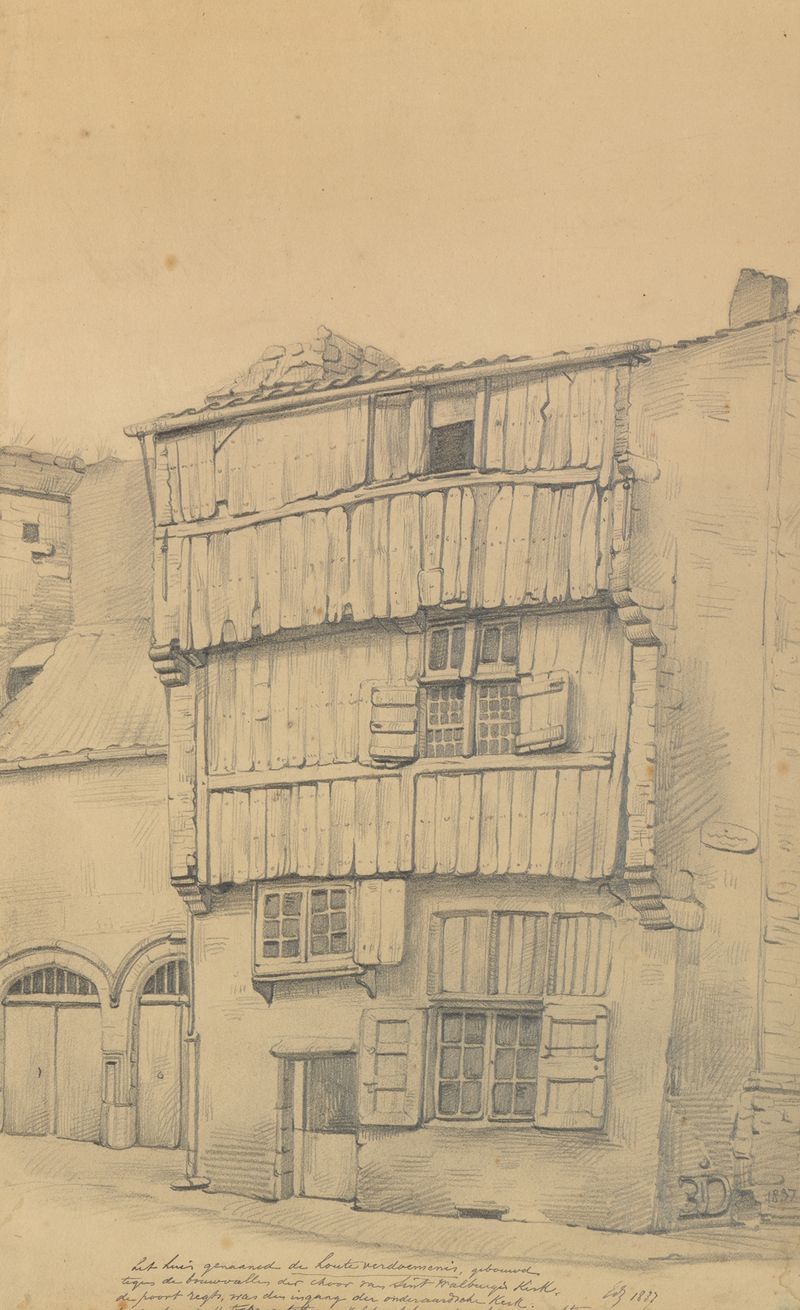
Het huis ‘De Houte Verdoemenis’, gebouwd tegen het koor van de Sint-Walburgiskerk
Edward Dujardin
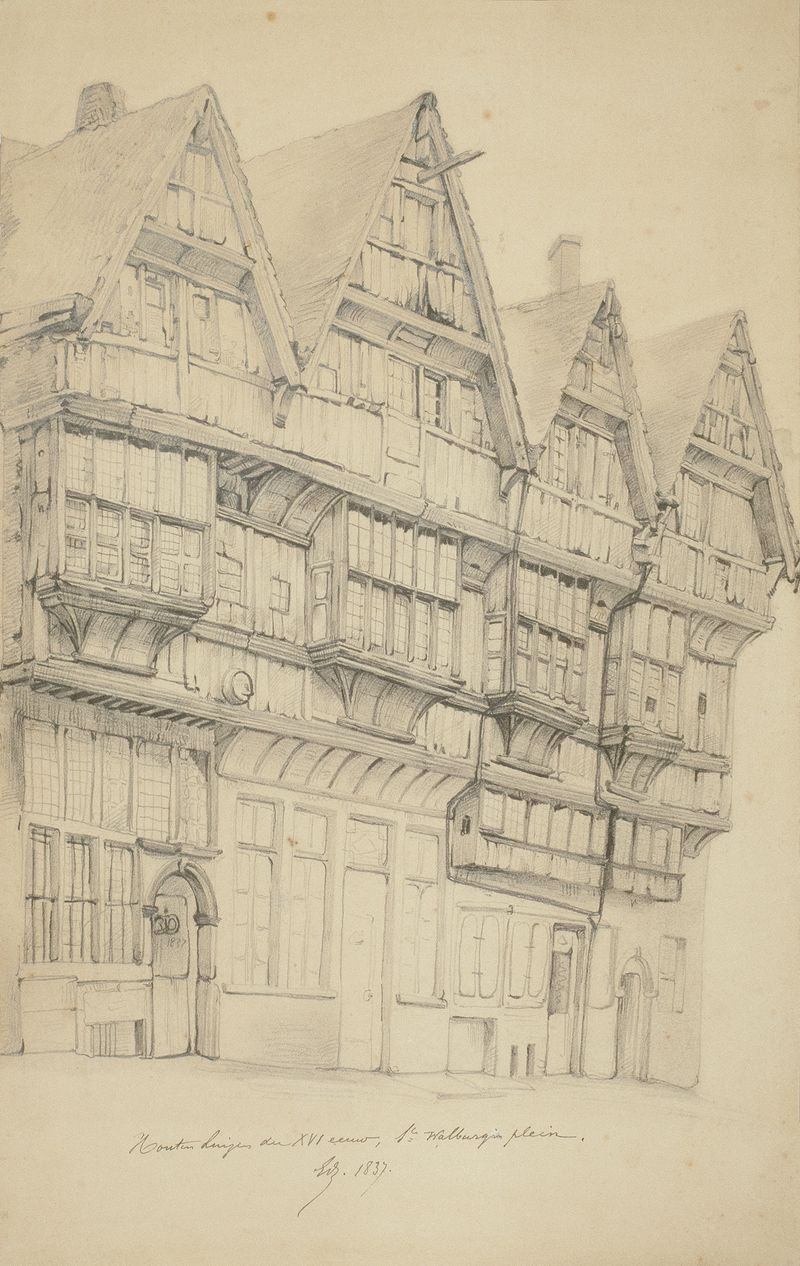
Houten huizen der XVI eeuw, Sint-Walburgisplein
Edward Dujardin

Ingangspoort van het Sint-Julianusgodshuis
Edward Dujardin
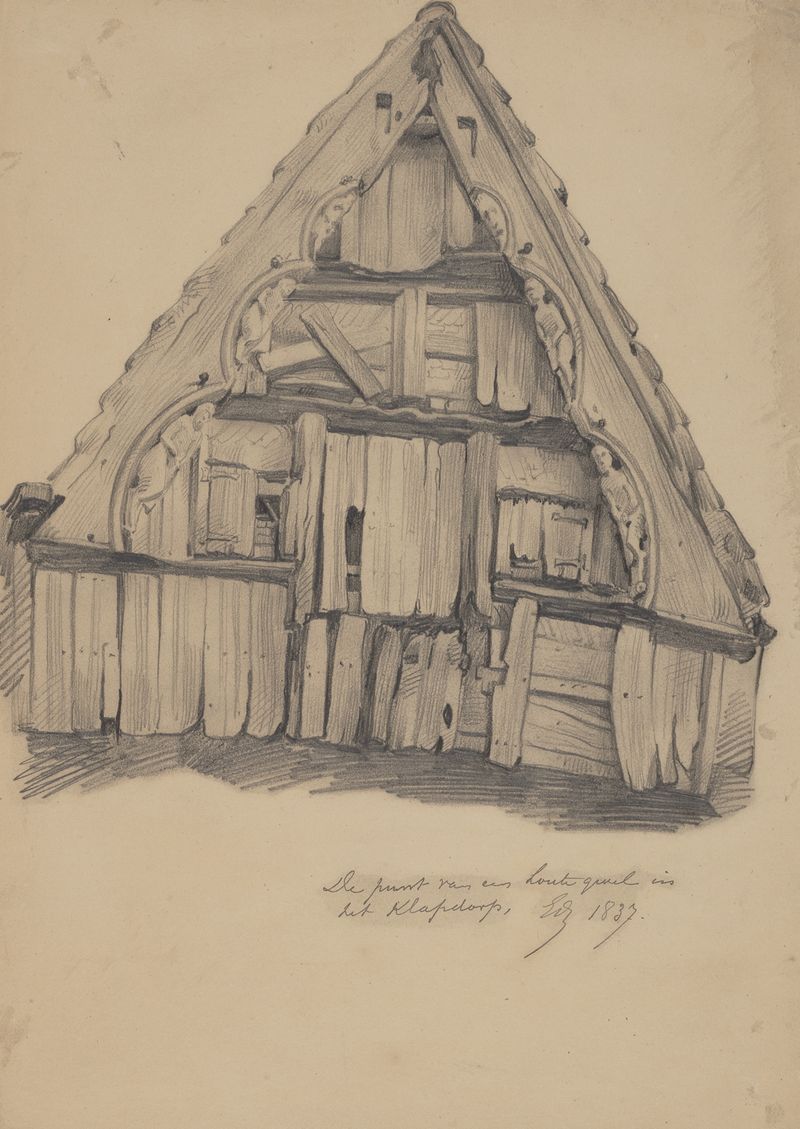
De punt van een houten gevel in het Klapdorp
Edward Dujardin
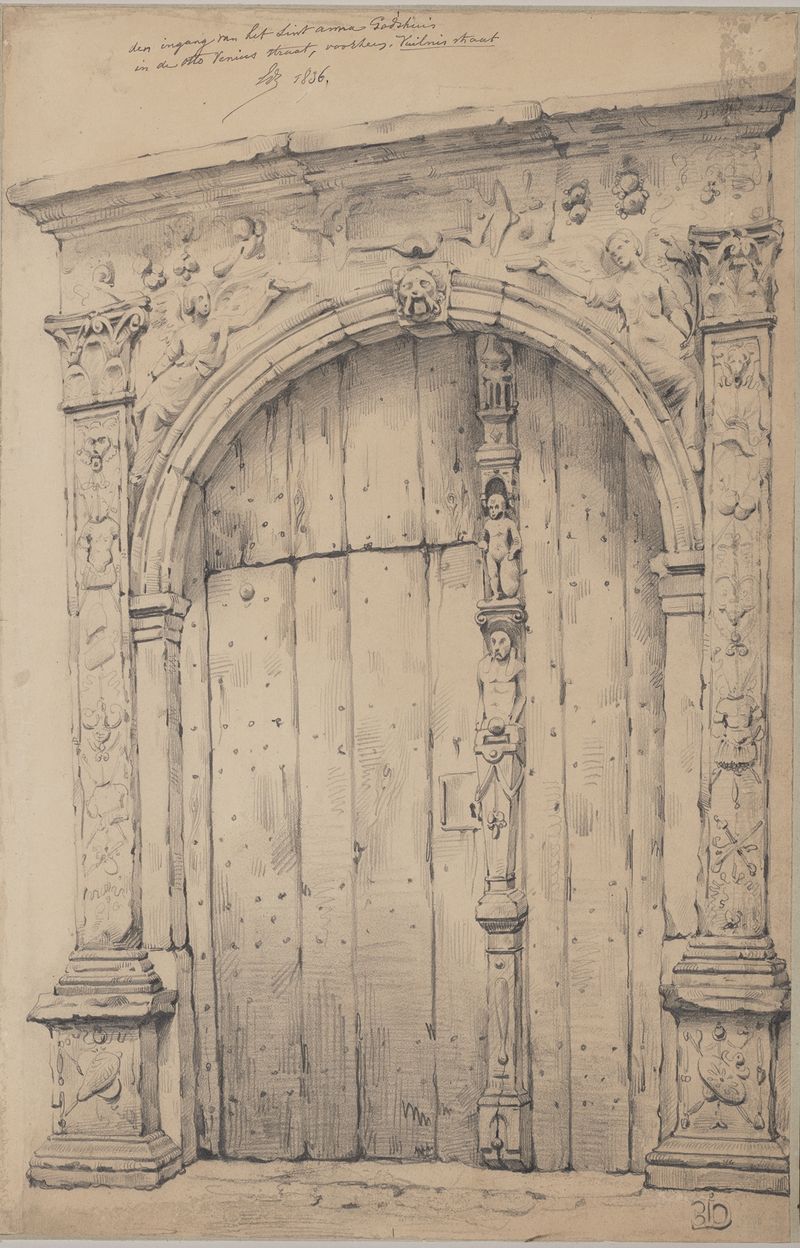
Ingang van het St.-Annagodshuis
Edward Dujardin
More Architecture Art
Browse all →
The statue of Liberty
Frédéric Auguste Bartholdi

View of Houses in Delft, Known as ‘The Little Street’
Johannes Vermeer

View of Houses in Delft, Known as ‘The Little Street’
Johannes Vermeer

The Cathedral in Rouen. The portal, Grey Weather
Claude Monet

The yellow house
Vincent van Gogh

The Church in Auvers-sur-Oise, View from the Chevet
Vincent van Gogh