
Houten stoel van de Orde van de Kousenband — History & Facts
In a silent moment, where desire intertwines with artistry, every stroke becomes a revelation of longing and identity. Look to the center of the composition, where the intricately designed chair commands attention. Notice how the delicate contours of the wood, rendered with masterful precision, seem to breathe life into the space around it. The chiaroscuro effects play with light and shadow, highlighting the ornate details while simultaneously creating a sense of weight.
The muted palette allows the textures to speak, inviting the viewer to run their fingers along the curves that tell stories of craftsmanship and purpose. Beneath the surface lies a tension between formality and intimacy. The chair, a symbol of status, stands alone—echoing the desire for connection yet embodying solitude. Its placement, both regal and unoccupied, suggests an invitation that remains unfulfilled, a longing for companionship.
This duality reflects the societal structures of the time, where the insignia of the Order of the Garter signifies honor, yet the absence of a figure emphasizes the personal yearning beneath the veneer of dignity. In 1672, Hollar created this artwork while living in London, having fled his native Bohemia due to political turbulence. The art scene was vibrant yet tumultuous, shifting from the grandeur of baroque ornamentation towards more personal expressions of identity and status. This period marked a significant evolution in the artist’s work, wherein he captured the essence of human experience, marrying meticulous detail with profound emotional depth.
More Artworks by Wenceslaus Hollar
Browse all →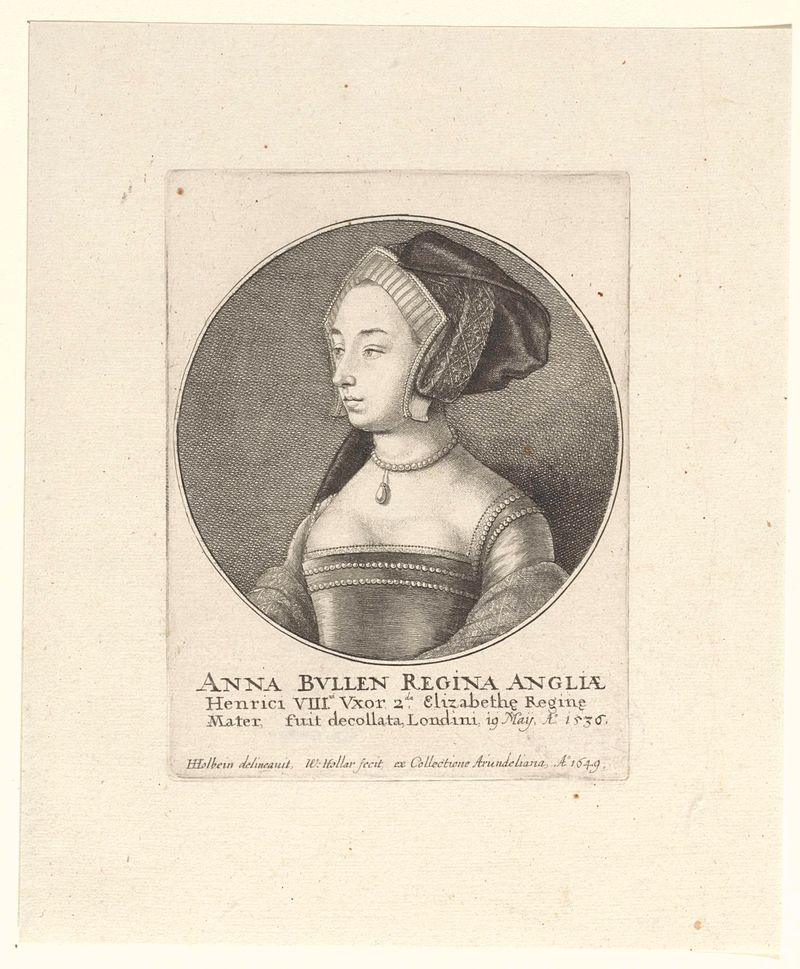
Portret van Anna Boleyn, koningin van Engeland
Wenceslaus Hollar
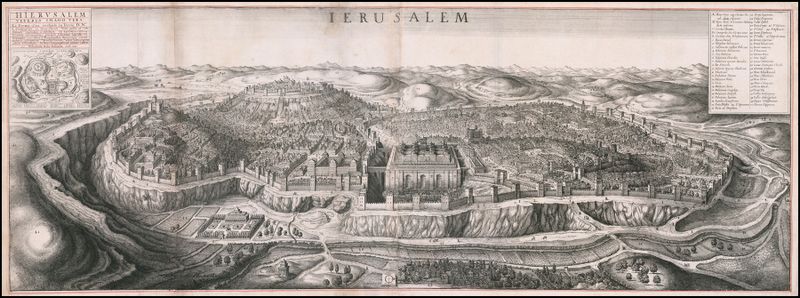
Bird’s eye view of Jerusalem
Wenceslaus Hollar
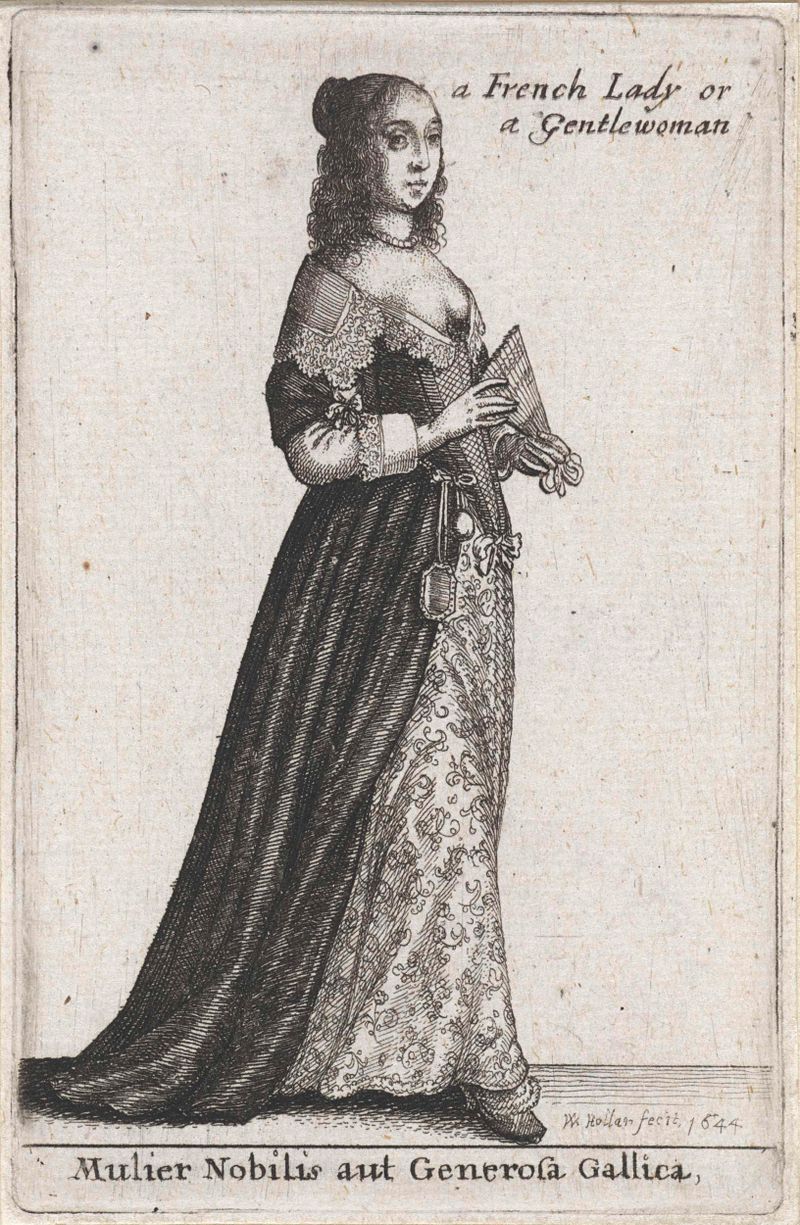
Mulier Nobilis aut Generosa Gallica / a French Lady or Gentlewoman
Wenceslaus Hollar
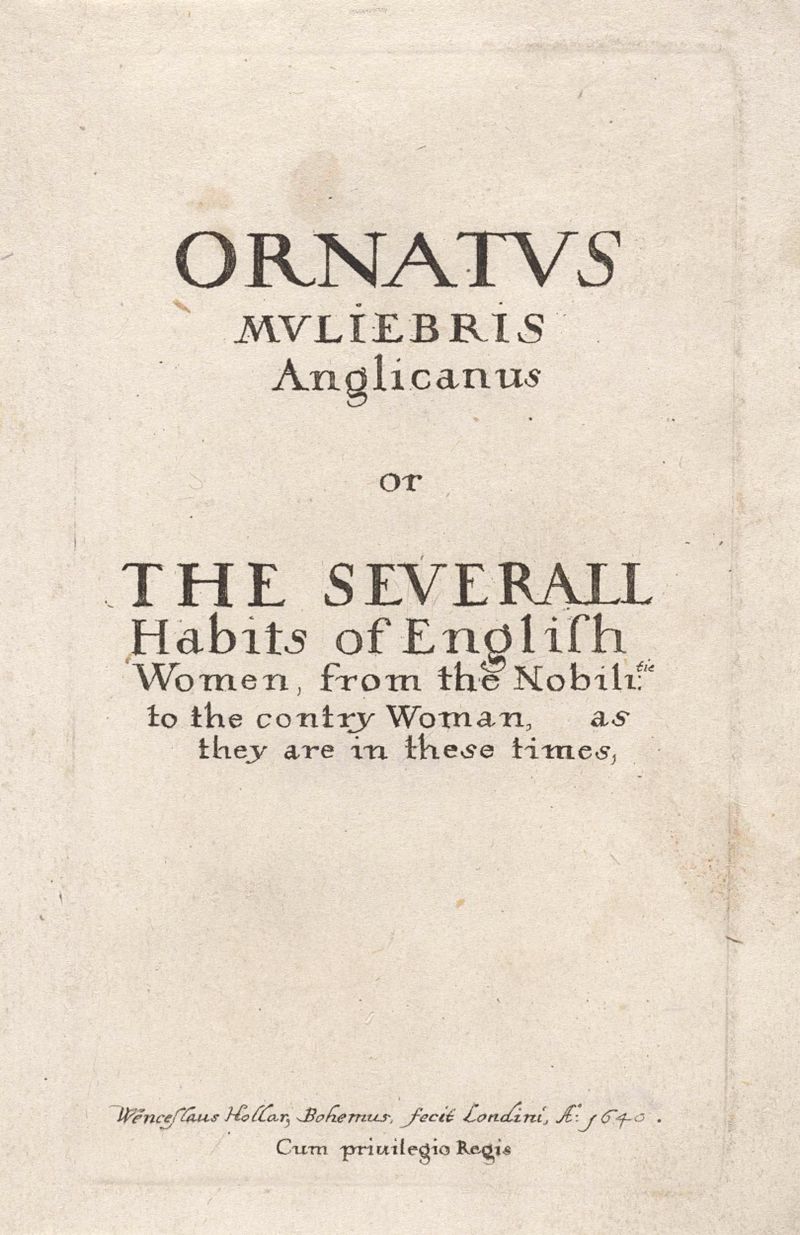
Titelprent voor: Ornatus Muliebris Anglicanus
Wenceslaus Hollar
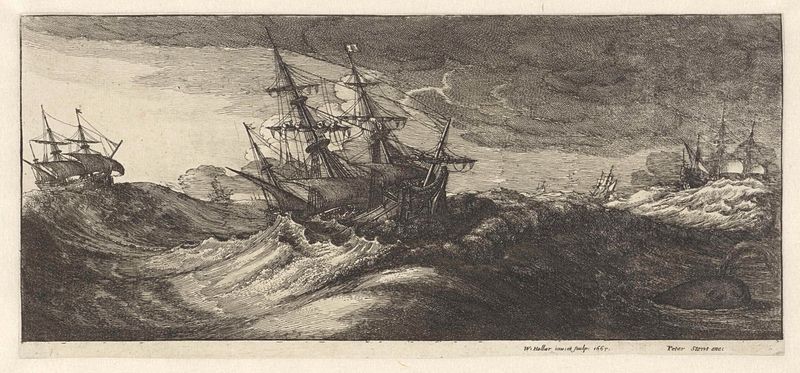
Oorlogsschepen en een walvis in een zeestorm
Wenceslaus Hollar
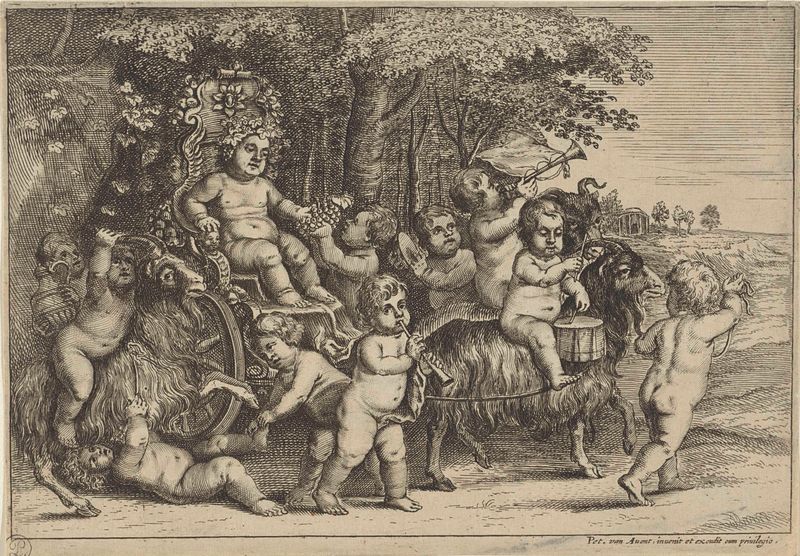
Optocht van bacchant en jongetjes op geiten
Wenceslaus Hollar
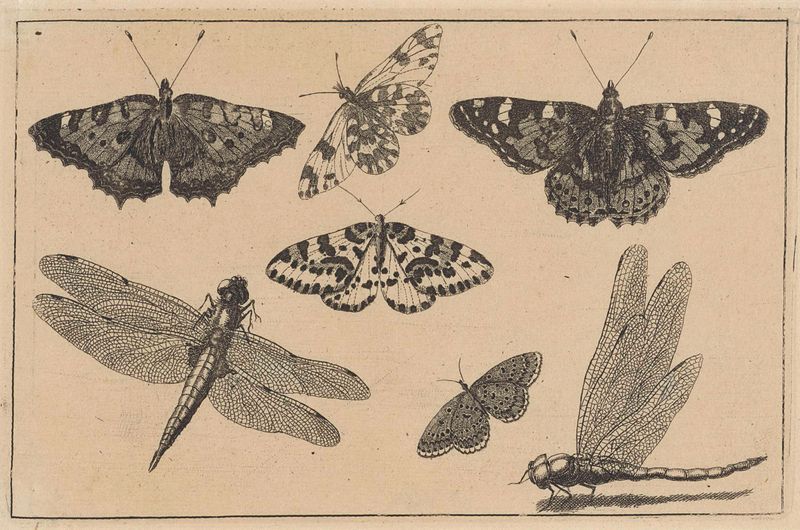
Twee libellen en vijf vlinders
Wenceslaus Hollar
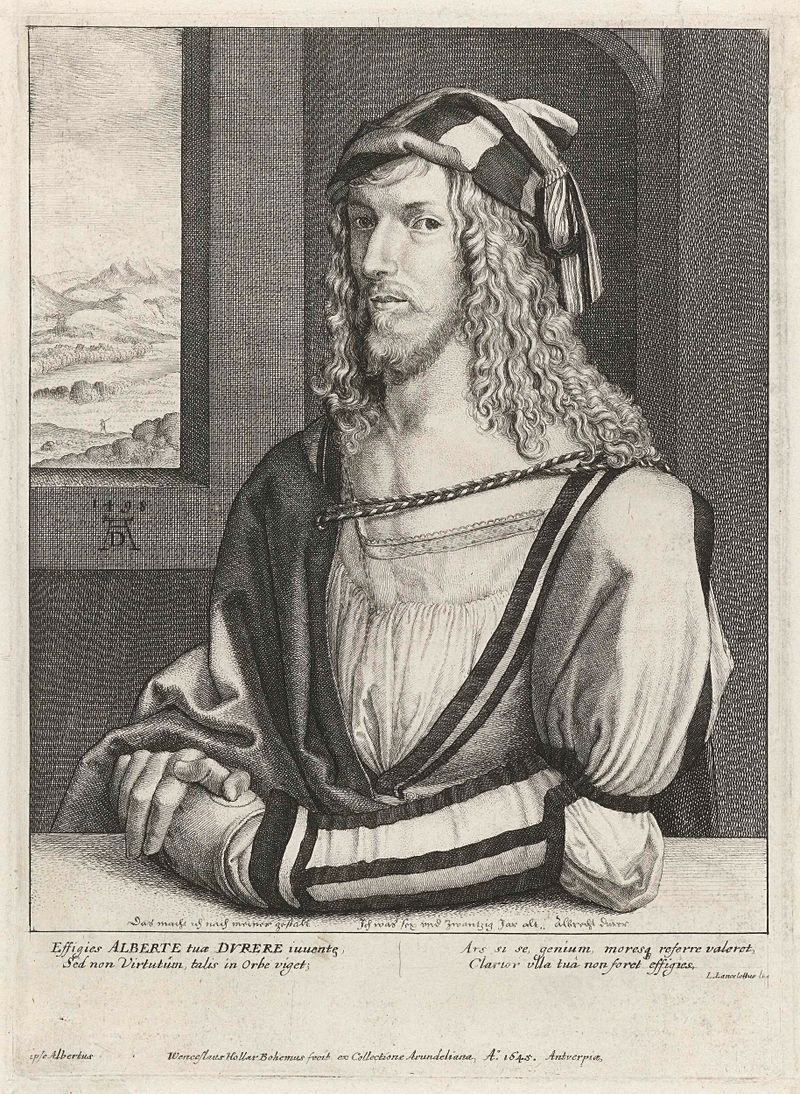
Portret van Albrecht Dürer
Wenceslaus Hollar
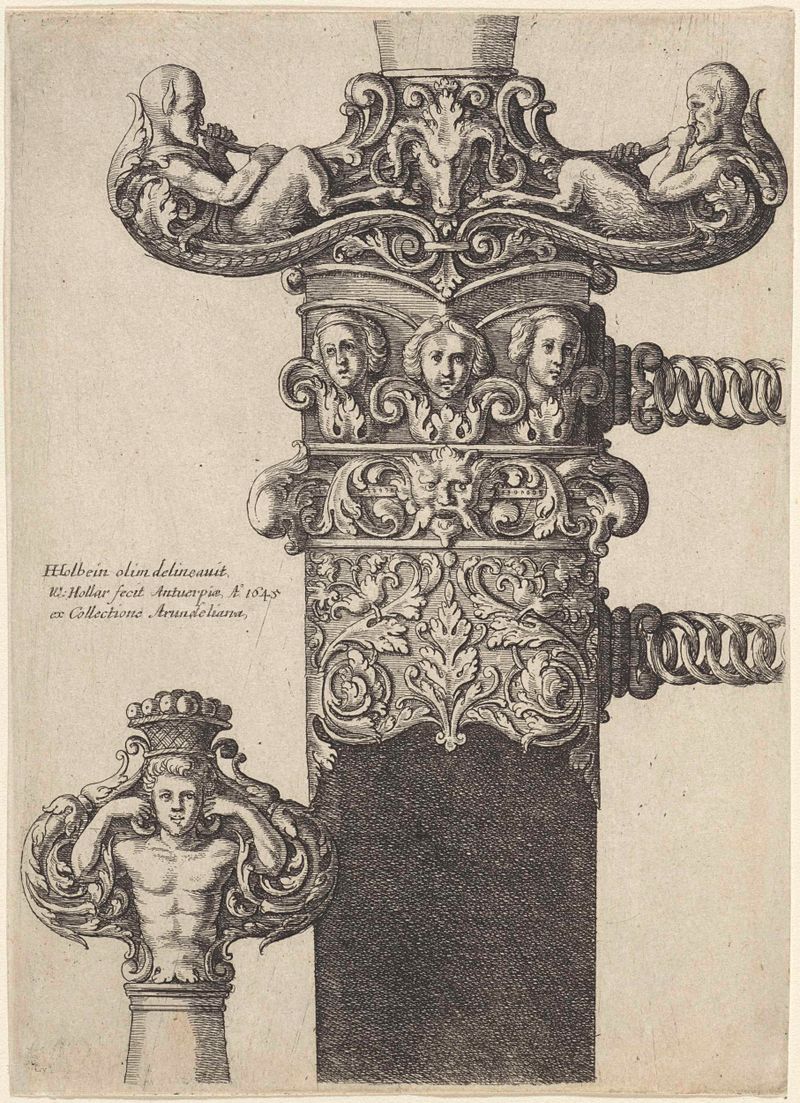
Ornamenteel ontwerp voor een dolk
Wenceslaus Hollar
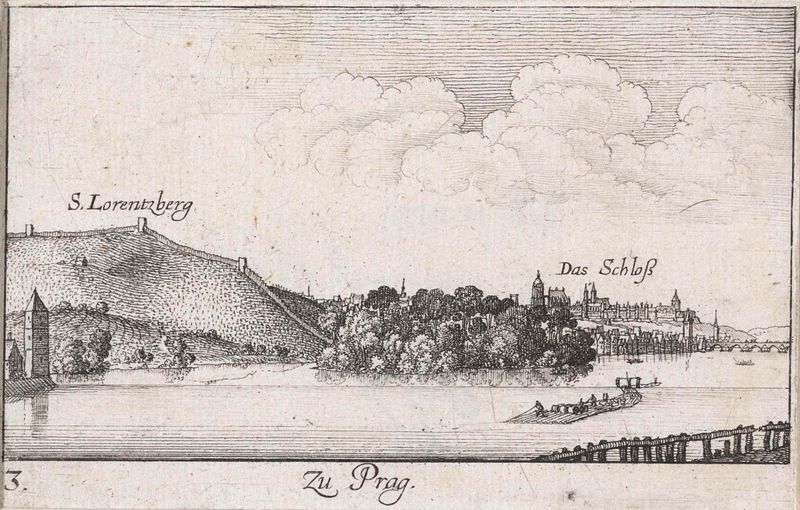
Gezicht op Praag vanaf de Moldau
Wenceslaus Hollar





