
How Brown expresses his complaint about Reynard and what is decided next — History & Facts
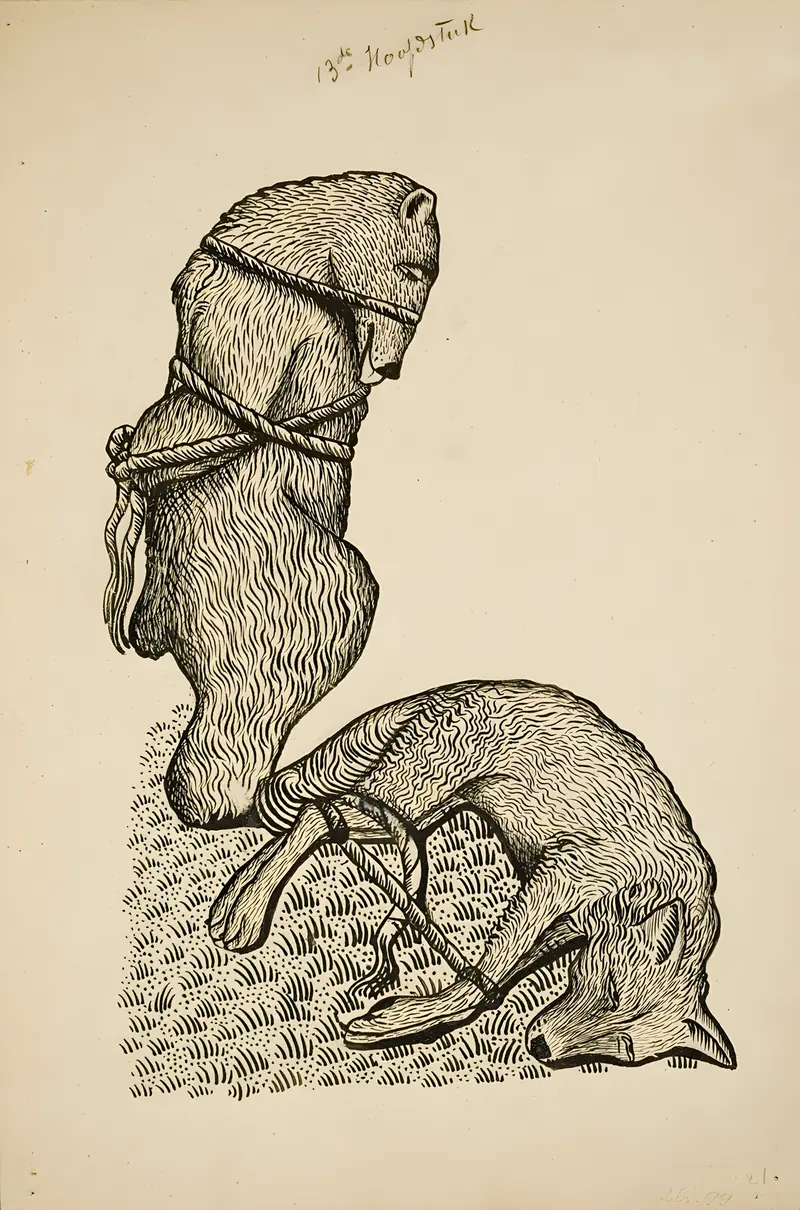
Few paintings draw from such a curious source as How Brown expresses his complaint about Reynard and what is decided next by Gustave Van de Woestijne. The work takes its subject from the medieval beast epic Reynard the Fox, a satirical tale that swept across Europe from the 12th century onward, lampooning the corruption of church and court through the cunning fox and his animal adversaries. The episode depicted here—Brown the bear’s formal accusation against Reynard—was a familiar scene to readers and listeners from Flanders to France, and its popularity inspired countless retellings in manuscripts, prints, and paintings.
Van de Woestijne, a leading figure of early 20th-century Flemish art, brought this literary moment into the modern era, blending allegory with psychological depth. In this scene, Brown the bear stands before the animal court, voicing his grievances against Reynard, who has tricked and humiliated him. Van de Woestijne captures the tension of the moment: Brown’s massive form is rendered with a mixture of dignity and wounded pride, while Reynard, sly and poised, listens with an inscrutable expression. The animals gathered around—wolf, lion, and others—are painted with exaggerated features, each a caricature of their role in the fable.
The composition’s theatrical lighting isolates the main figures, casting the court into shadow and drawing the viewer’s eye to the drama at its center. This approach recalls the narrative clarity of Stefan Lochner’s Reynard the Fox illustrations, but Van de Woestijne’s style is more psychological, emphasizing the moral ambiguity of the characters. The precise date and circumstances of this painting’s creation remain uncertain, as does its original patron, reflecting the broader obscurity that often surrounds Van de Woestijne’s narrative works. What is clear is that the artist returned to folkloric and allegorical subjects throughout his career, using them to probe questions of justice, cunning, and the human condition.
Today, How Brown expresses his complaint about Reynard and what is decided next is recognized as a significant example of his engagement with Flemish literary heritage, though its current location is not widely documented. The painting stands as a testament to Van de Woestijne’s ability to bridge medieval tradition and modern psychological insight.
More Artworks by Gustave Van de Woestijne
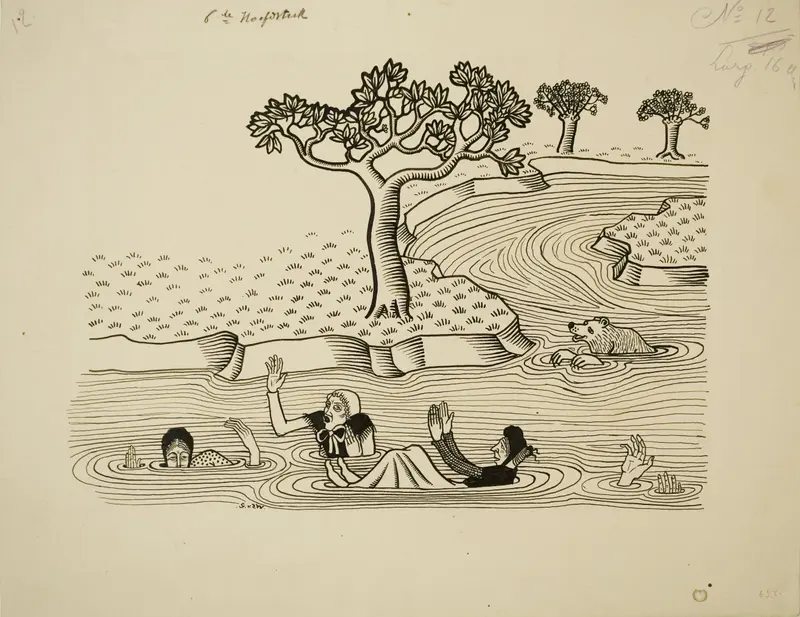
How Brown went out with Reynard where he thought he was eating honey and how he was caught by head and feet and suffered further misfortune
Gustave Van de Woestijne
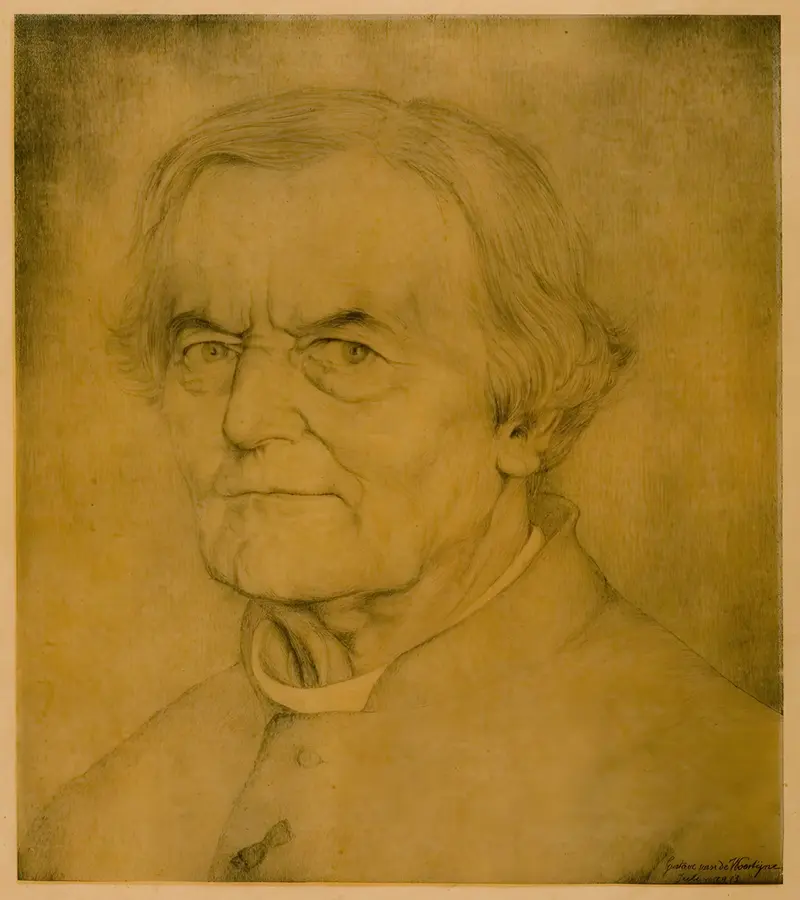
Portrait of Hugo Verriest
Gustave Van de Woestijne
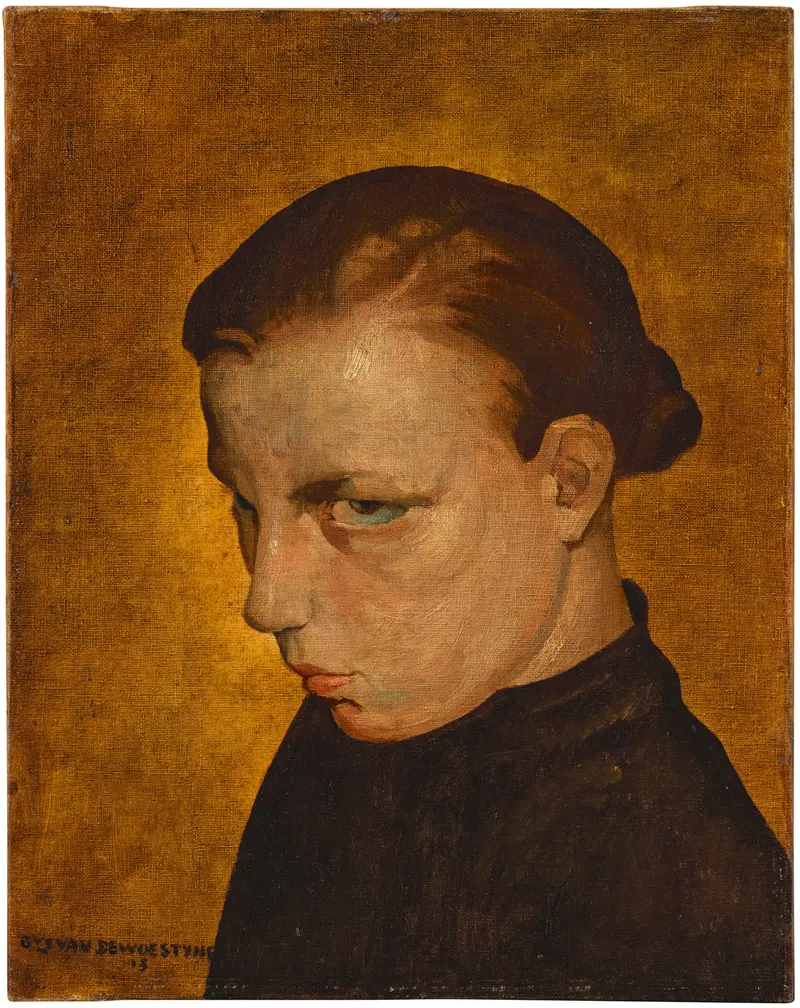
Angèle
Gustave Van de Woestijne
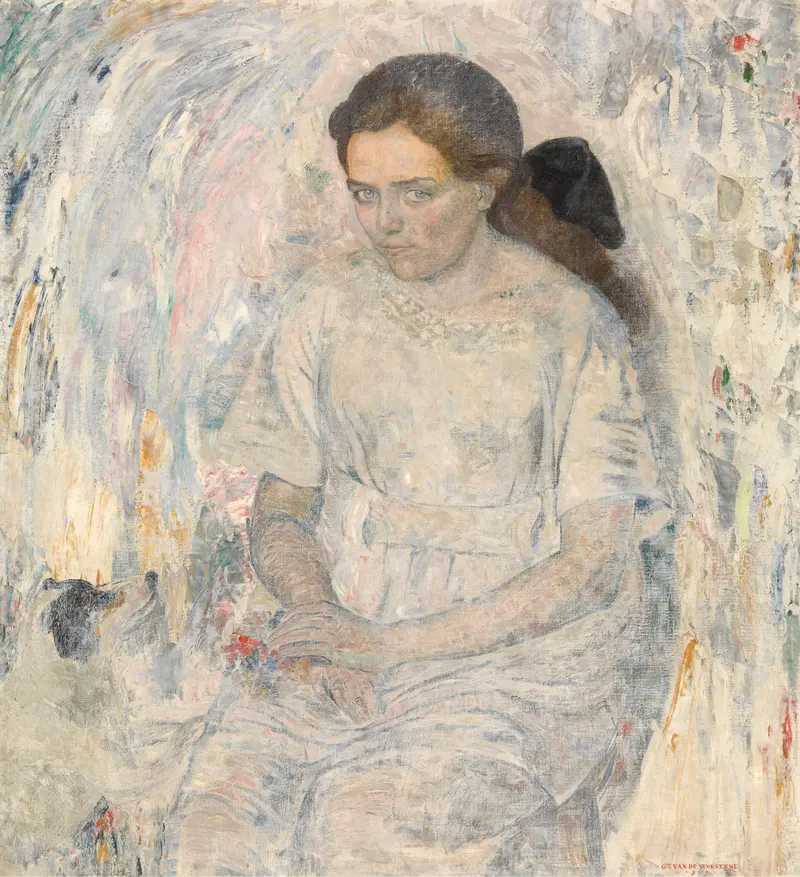
Adrienne
Gustave Van de Woestijne
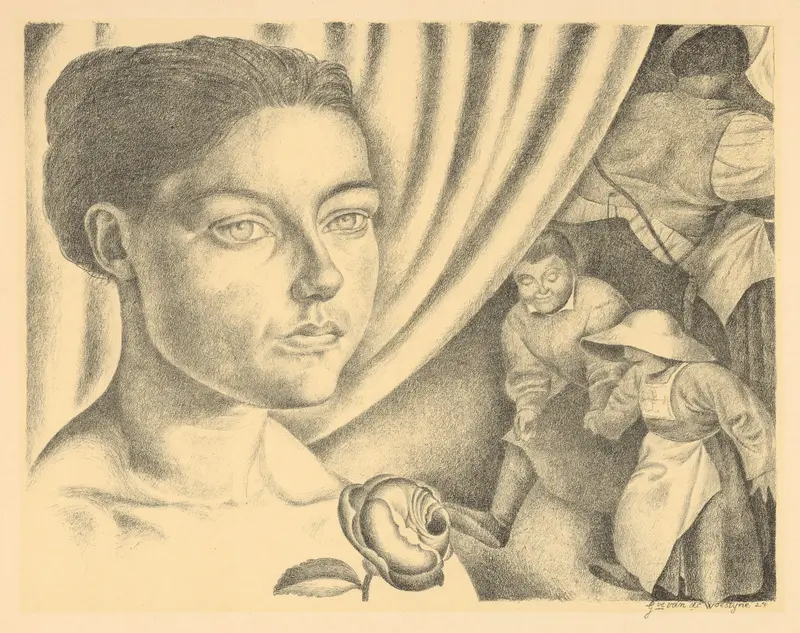
Jeune Femme
Gustave Van de Woestijne
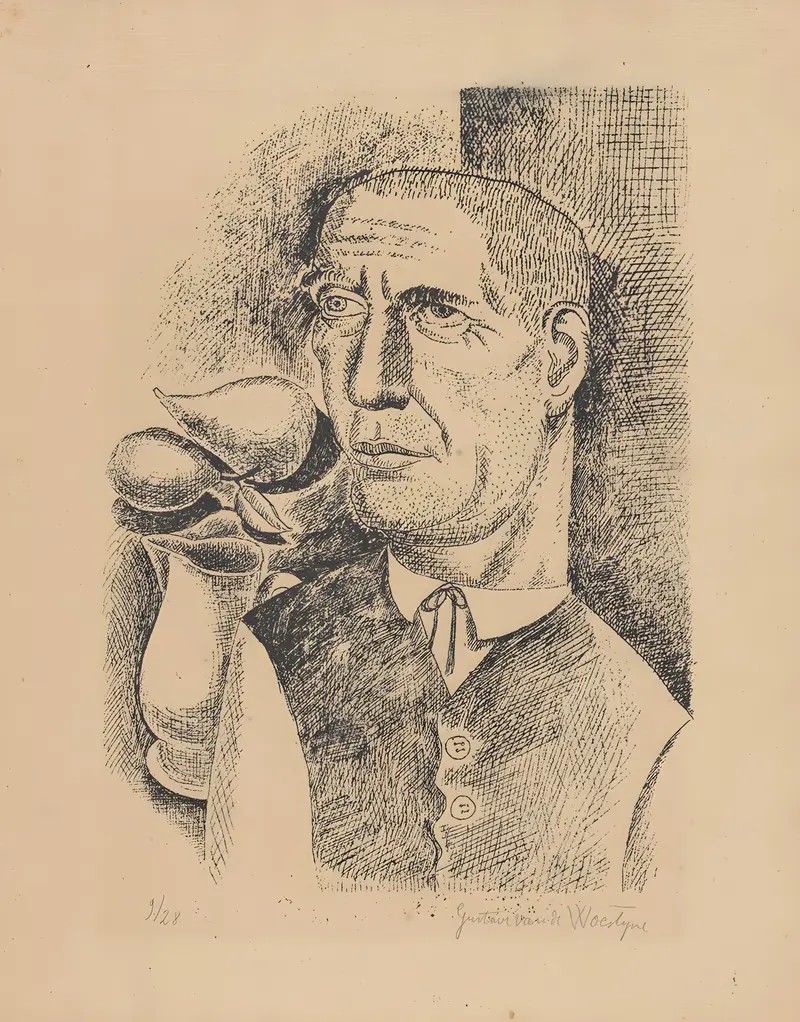
Boer op zijn zondags (Paysan endimanché)
Gustave Van de Woestijne
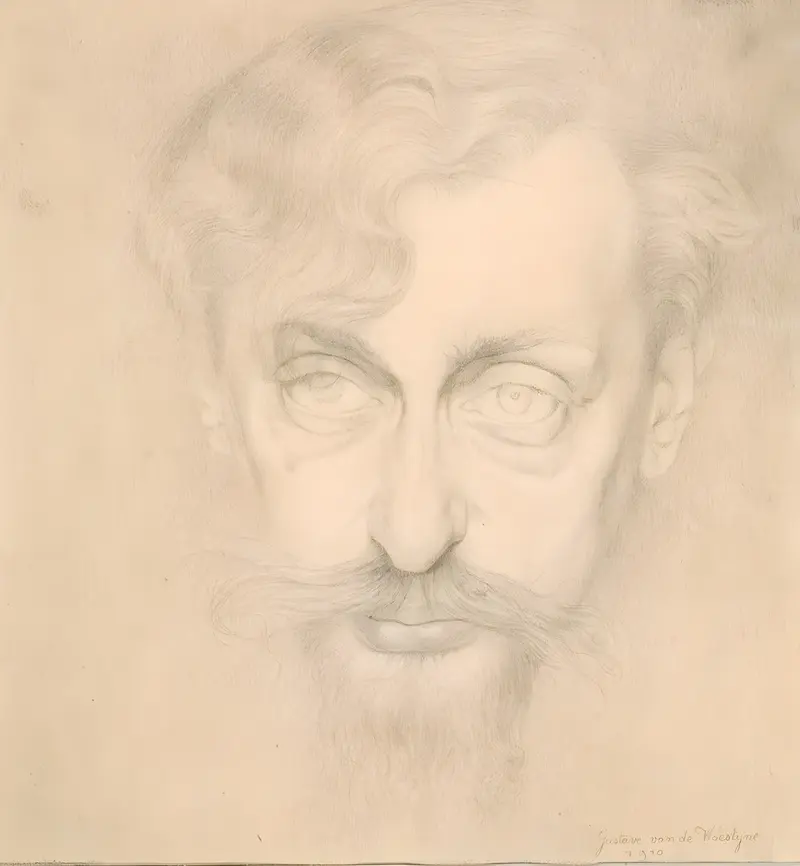
Portrait of the Writer Karel van de Woestijne
Gustave Van de Woestijne
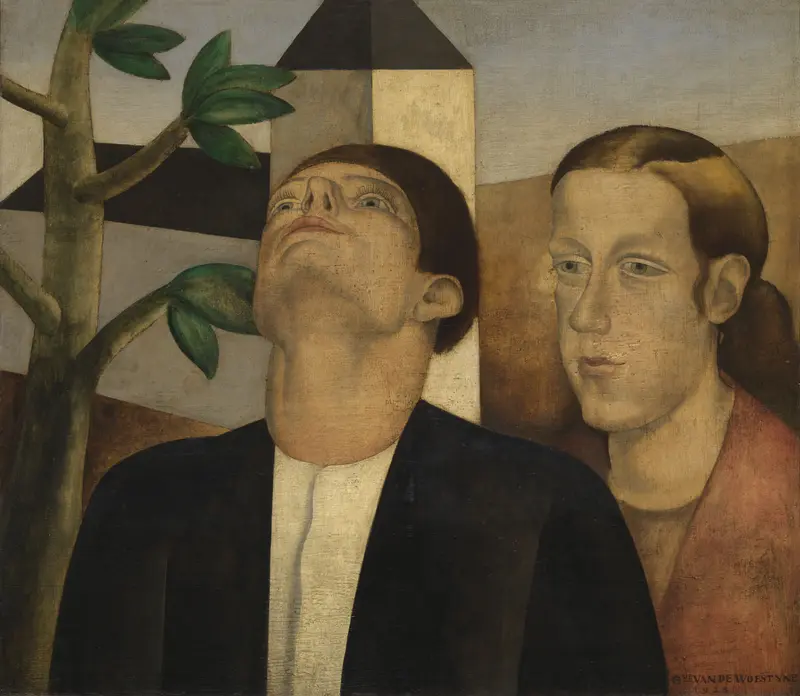
Azure
Gustave Van de Woestijne
How Reinaert devises a new trick to get free and exterminate his enemies
Gustave Van de Woestijne
Country Girl
Gustave Van de Woestijne





