
Hudson — History & Facts
Can beauty exist without sorrow? In the enchanting landscape of Hudson, the answer unfolds amidst the delicate interplay of light and shadow, revealing a world both serene and hauntingly complex. Look to the foreground, where the soft ripples of the Hudson River catch the gentle sunlight, illuminating a palette of blues and greens. The horizon is dotted with lush trees and rolling hills, while the sky above teems with a swirl of warm oranges and cool purples, capturing the ephemeral moment of dusk. Notice how the brushstrokes convey a harmony that belies an undercurrent of tension, as the serene beauty of nature contrasts sharply with the looming threat of change that shadows the idyllic scene. As you delve deeper, consider the small boats cloaked in mist, their presence suggesting a journey that may or may not return—a metaphor for betrayal.
The juxtaposition of tranquility against this subtle hint of uncertainty encapsulates the duality of existence: the beauty of nature and the fragility of human trust. Each element in the painting seems to whisper secrets of loss and longing, urging the viewer to confront the profound complexities hidden within the picturesque landscape. John Hill painted Hudson between 1821 and 1822, during a time when the United States was grappling with its identity amid rapid change. This period marked a burgeoning interest in landscape painting, as artists sought to capture the expanding American wilderness.
Hill's work reflects both the allure of the natural world and the emotional depth that accompanies personal and collective transformation, making it a significant piece in the context of early 19th-century American art.
More Artworks by John Hill
Browse all →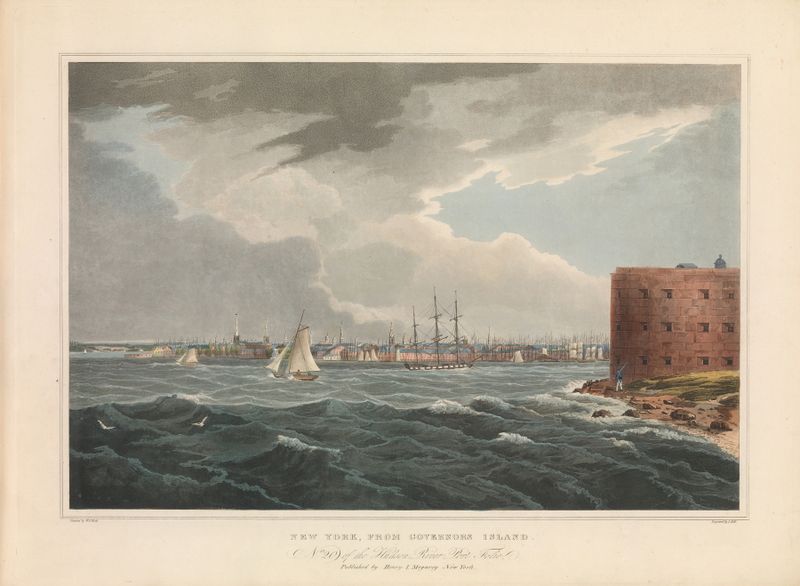
New York from Governor’s Island
John Hill

West Point
John Hill
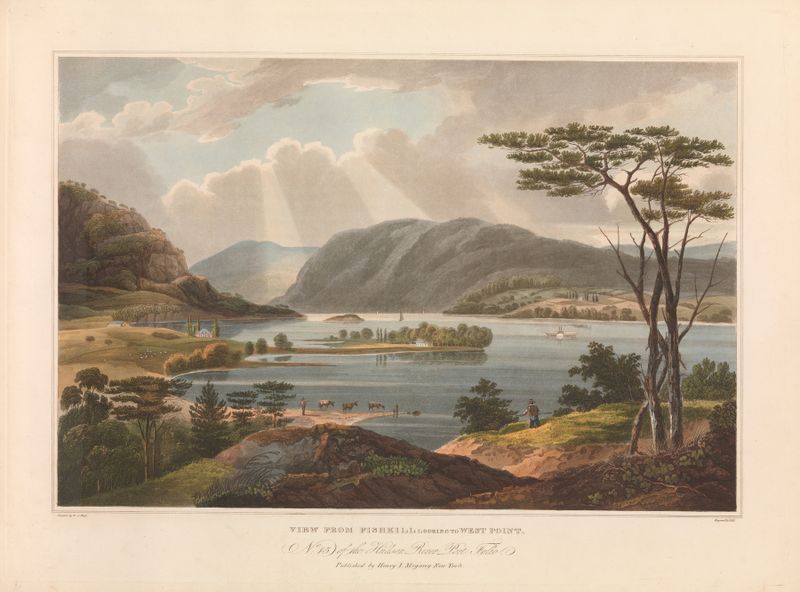
View from Fishkill Looking To West-Point
John Hill

View Near Hudson
John Hill
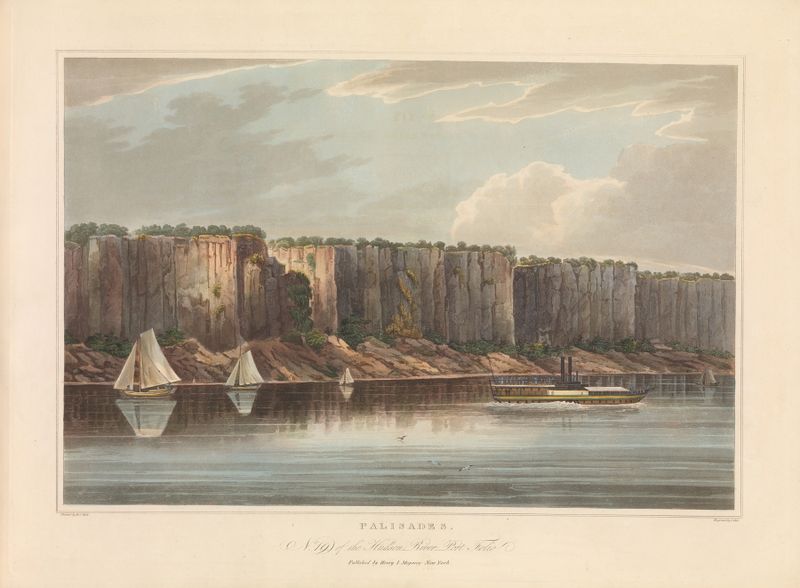
The Palisades
John Hill
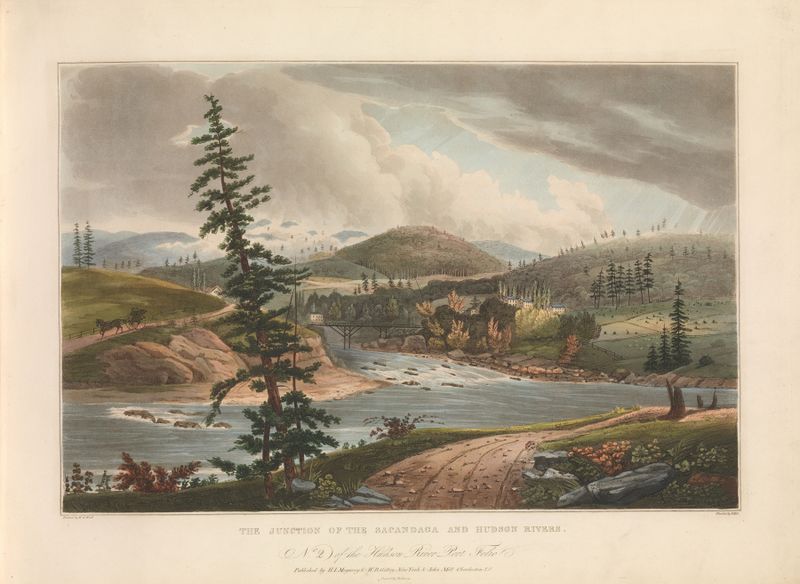
Junction of the Sacandaga and Hudson Rivers
John Hill
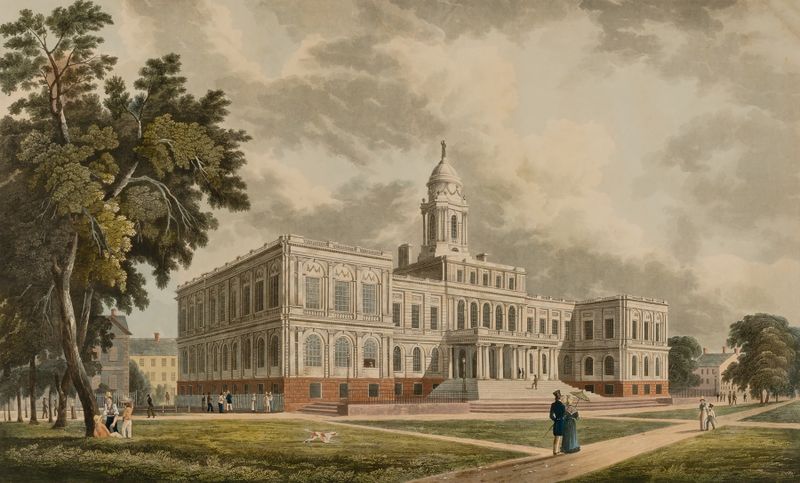
City Hall
John Hill

North-West Front, Cassiobury
John Hill

Glenns Falls
John Hill

His Majesty’s Frigate ‘Endymion’
John Hill





