
Hudson River, Logging — History & Facts
What secret hides in the quiet of the canvas? In the stillness of Hudson River, Logging, a serene landscape unfolds, whispering tales of nature's beauty and labor. Look to the left at the sturdy figures working the river, their silhouettes juxtaposed against the shimmering water. Notice how the dappled light filters through the trees, casting a gentle glow that highlights the textured bark and glistening logs. The cool blues of the water contrast with the warm, earthy tones of the trees, inviting the viewer to linger in this harmonious balance of man and nature.
The composition feels both expansive and intimate, grounding the viewer in a moment of industrious tranquility. Beneath this facade of peaceful labor lies a deeper reflection on the harmony between nature and human endeavor. The logs floating downstream symbolize the passage of time, as well as the fleeting nature of resources, while the figures, though seemingly absorbed in their task, evoke an untold reverence for the land. There’s a tension between industriousness and serenity that suggests a divine connection, as if the laborers are part of a larger cycle governed by nature's hand. Winslow Homer painted this work during a transformative period in American art, between 1891 and 1892, while residing in Maine.
During this time, he was exploring themes of nature, labor, and the American landscape, responding to the changing perceptions of both the environment and the human footprint upon it. This painting is a testament to his deep appreciation for the natural world, reflecting a moment when art was beginning to embrace more profound emotional and spiritual explorations.
More Artworks by Winslow Homer
Browse all →
The Gulf Stream
Winslow Homer
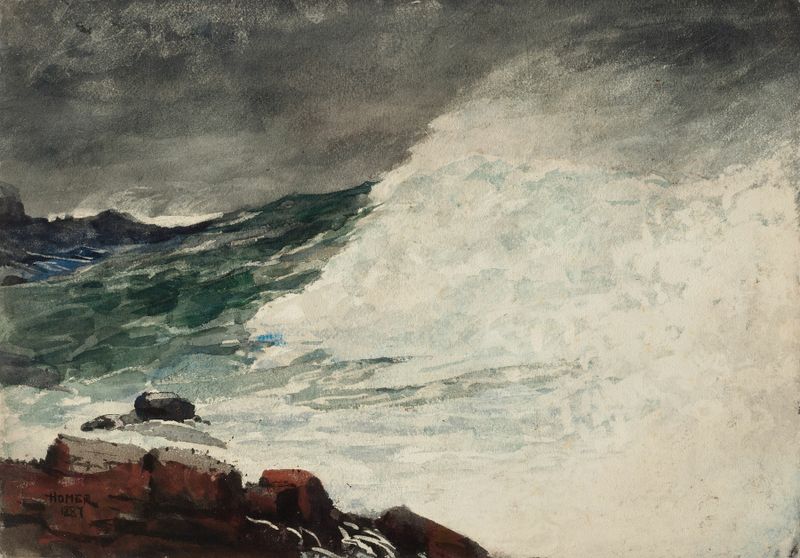
Prout’s Neck, Breaking Wave
Winslow Homer
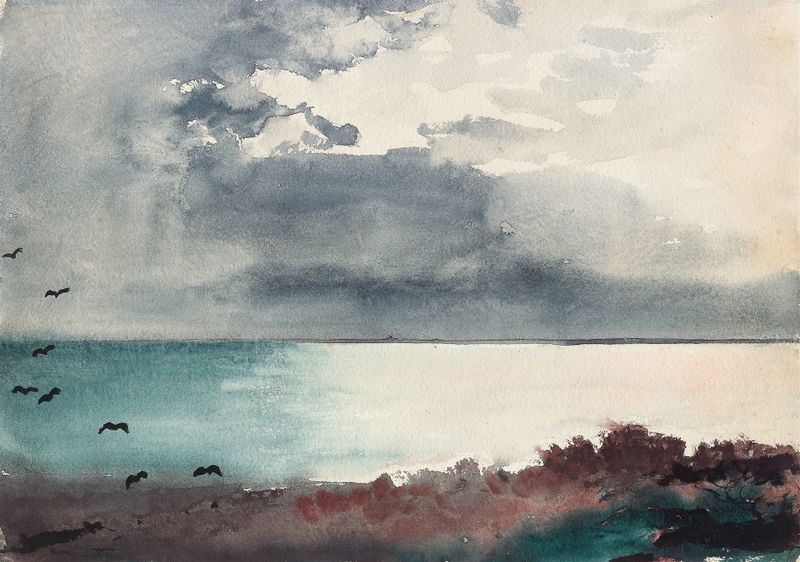
Breaking Storm, Coast of Maine
Winslow Homer
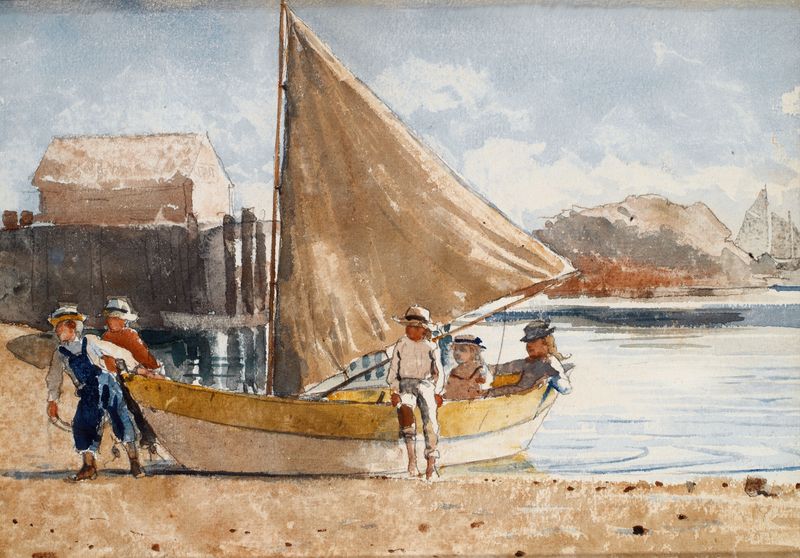
Summertime
Winslow Homer
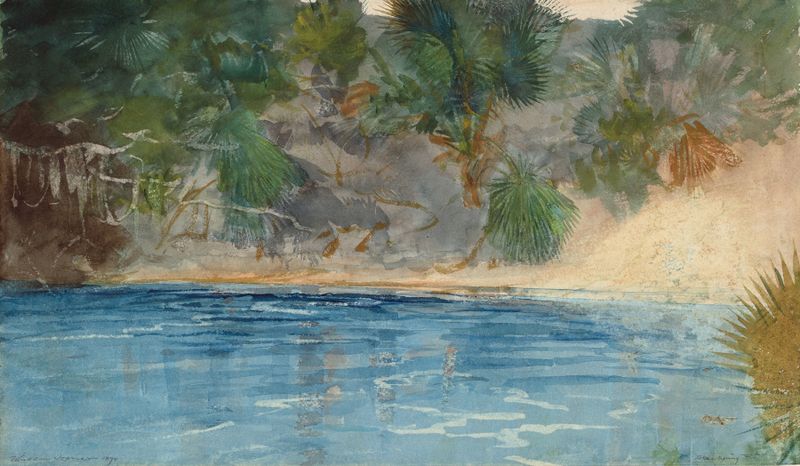
Blue Spring, Florida
Winslow Homer
The Herring Net
Winslow Homer
Sunshine and Shadow, Prout’s Neck
Winslow Homer
Moonlight, Wood Island Light
Winslow Homer
Coast of Maine
Winslow Homer
Bass Fishing – Florida
Winslow Homer





