
Hurricane, Bahamas — History & Facts
When did color learn to lie? In the swirling depths of chaos, brilliant hues often mask the underlying madness that brews just beneath the surface. Focus on the tempestuous sky, where dark blues and greens converge, creating a dramatic backdrop for the tumultuous scene. Notice how the artist employs thick, sweeping brush strokes to convey the violent winds, their energy palpable as they seem to swirl around the viewer. The contrast between the serene land and the ferocious sea serves as a stark reminder of nature’s duality, inviting contemplation on the fragility of human existence amidst such raw power. In the foreground, rugged cliffs juxtapose the wild ocean, while the tiny figures battling the storm evoke the insignificance of humanity against nature's wrath.
Each brushstroke speaks of tension—between calm and chaos, safety and peril. The riot of colors captures the madness of the hurricane while simultaneously reflecting humanity's ceaseless struggle against uncontrollable forces, leaving the viewer to ponder their own place within this tumult. In 1898, Winslow Homer painted Hurricane, Bahamas during a period of great transformation in American art, when realism and impressionism were vying for dominance. Coming off a successful career that pivoted towards the themes of nature and human resilience, he found inspiration in the Caribbean's raw beauty and the elemental fury of storms.
The world was witnessing rapid industrialization, and Homer's work resonated with the tension between man and nature, reflecting a broader cultural shift toward understanding our place in an increasingly unpredictable world.
More Artworks by Winslow Homer
Browse all →
The Gulf Stream
Winslow Homer
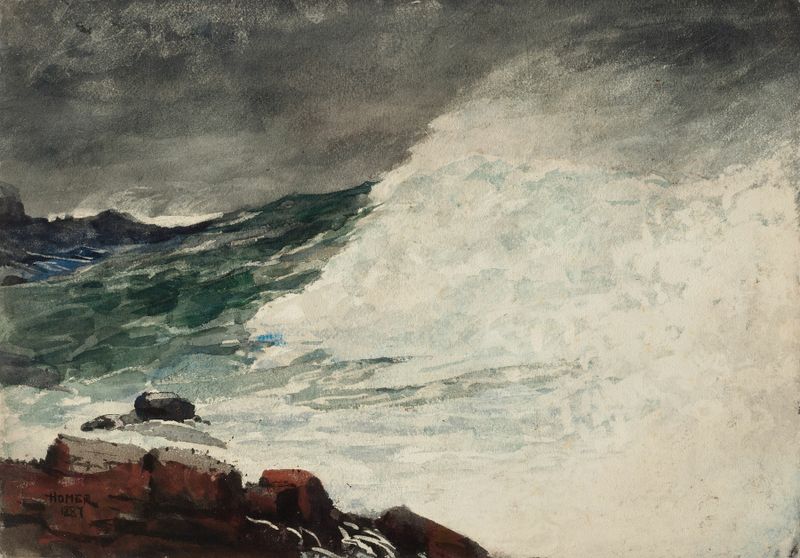
Prout’s Neck, Breaking Wave
Winslow Homer
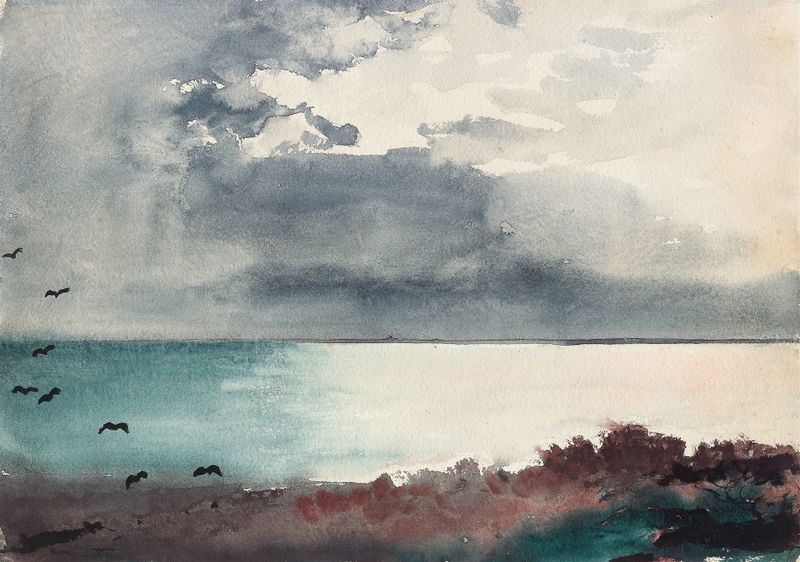
Breaking Storm, Coast of Maine
Winslow Homer
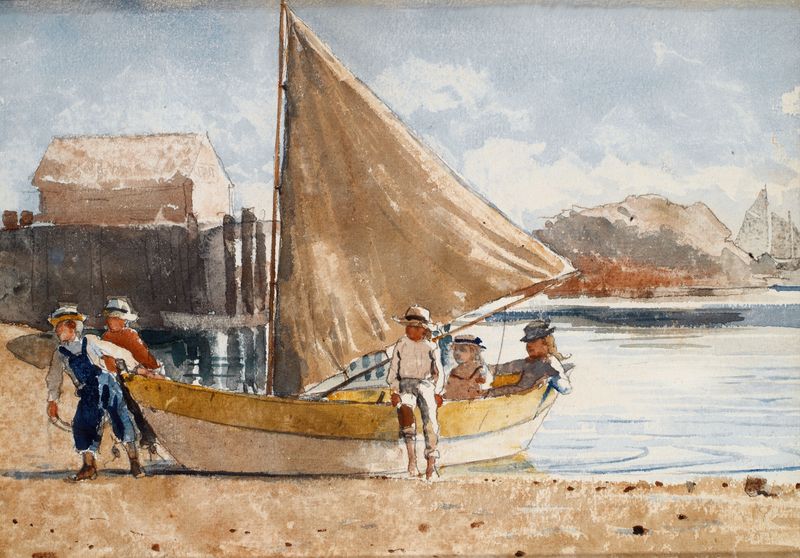
Summertime
Winslow Homer
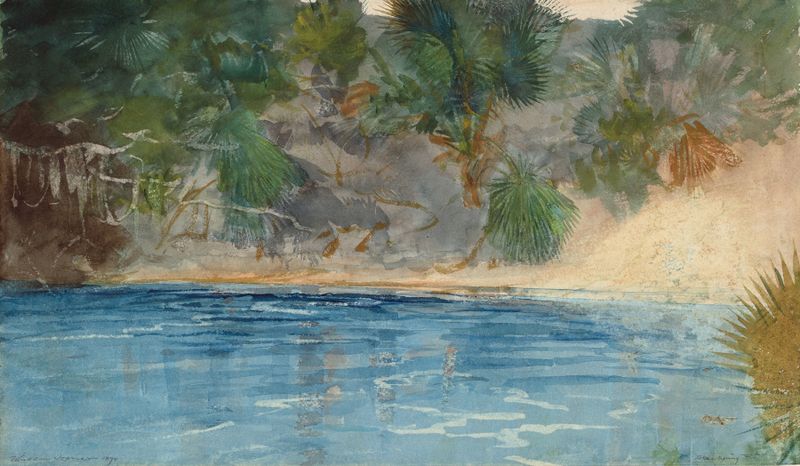
Blue Spring, Florida
Winslow Homer
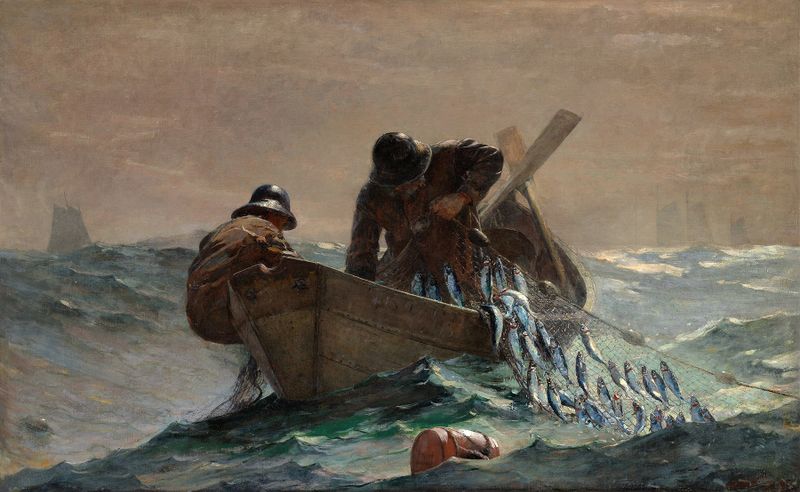
The Herring Net
Winslow Homer
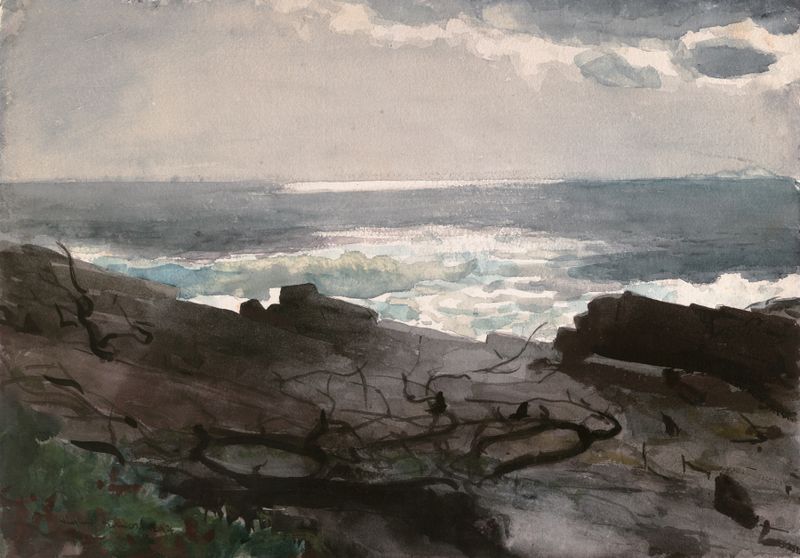
Sunshine and Shadow, Prout’s Neck
Winslow Homer
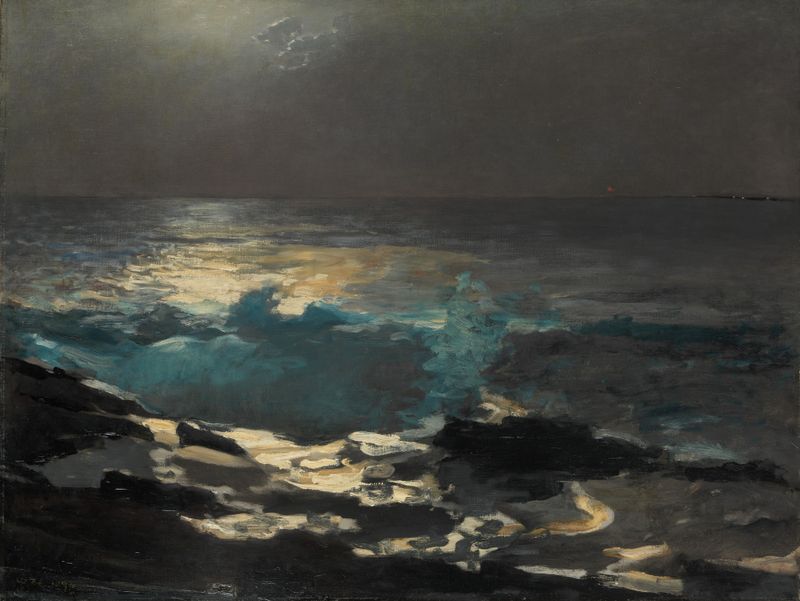
Moonlight, Wood Island Light
Winslow Homer
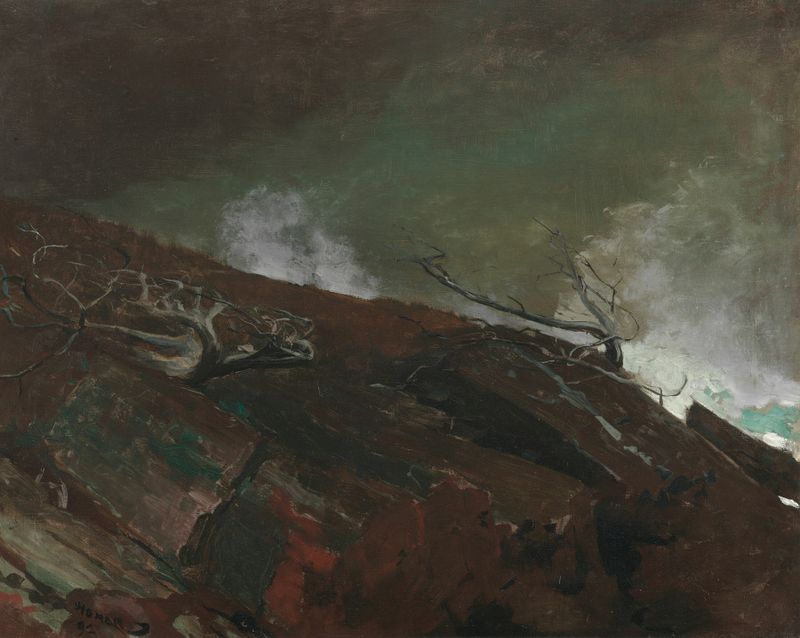
Coast of Maine
Winslow Homer
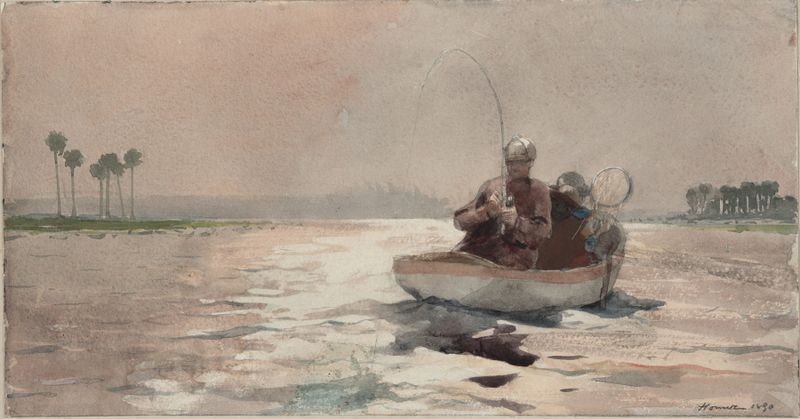
Bass Fishing – Florida
Winslow Homer




