
Iceberg Fantasy — History & Facts
In the vastness of nature, we find both beauty and the haunting reminders of our mortality. Focus first on the monumental iceberg, its towering presence dominating the canvas like a silent guardian of the sea. Notice how the artist captures the translucent blues and whites, reflecting the sunlight in a dance of shimmering hues. The layered texture of the ice glints with vitality while the tumultuous ocean below swirls in deep greens and dark blues, suggesting both grandeur and peril.
This composition invites the viewer to feel the chill of the atmosphere and the enormity of the natural world. Hidden within the stillness is a tension between the sublime beauty of the iceberg and the inevitable decay that surrounds it. The dark waters swirling at its base symbolize the uncertain depths beneath the surface, reminding us of nature's duality—its ability to inspire awe and evoke fear. Church's careful balance of color, light, and shadow embodies the transient nature of existence, pushing us to reflect on our own fleeting moments amid such vast beauty. Frederic Edwin Church created Iceberg Fantasy around 1859 during a period of intense exploration and discovery in the art world.
Living in Hudson River Valley, he was deeply influenced by the Romantic movement, which emphasized emotion and the majesty of nature. At this time, the fascination with the polar regions was burgeoning, reflecting both a scientific curiosity and an aesthetic longing for the sublime, encapsulated vividly in this remarkable work.
More Artworks by Frederic Edwin Church
Browse all →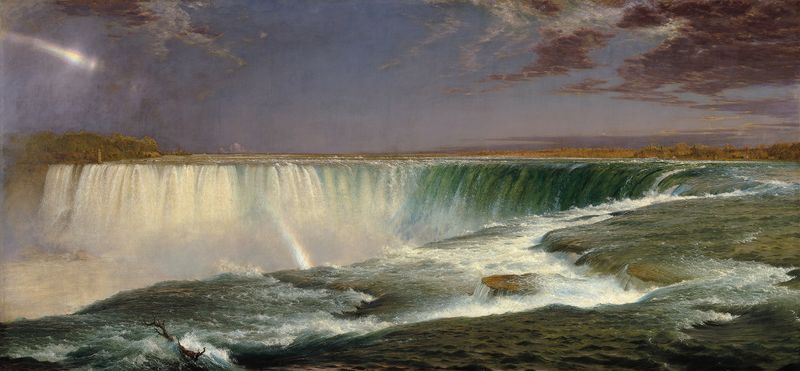
Niagara
Frederic Edwin Church
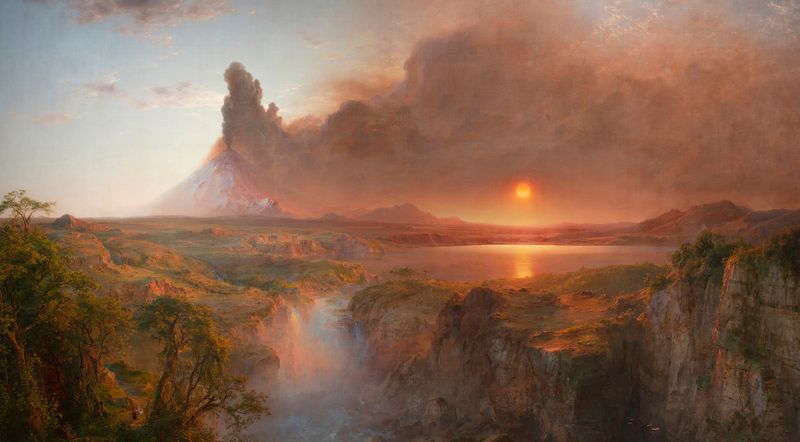
Cotopaxi
Frederic Edwin Church
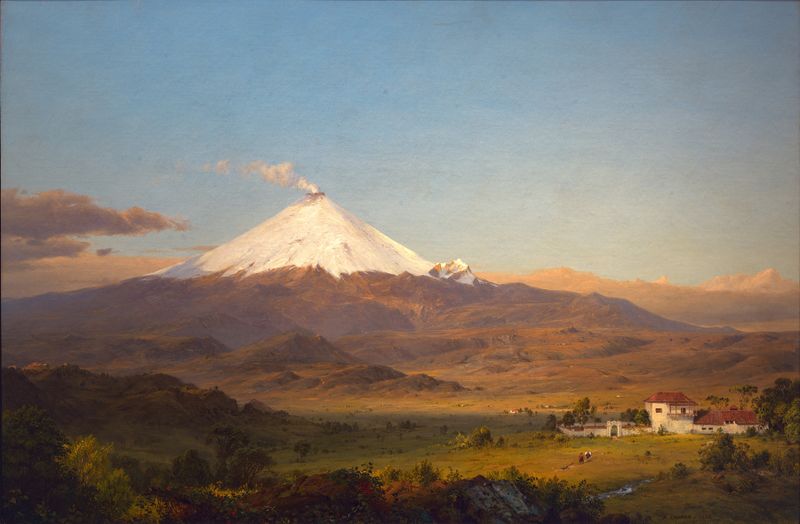
Cotopaxi
Frederic Edwin Church
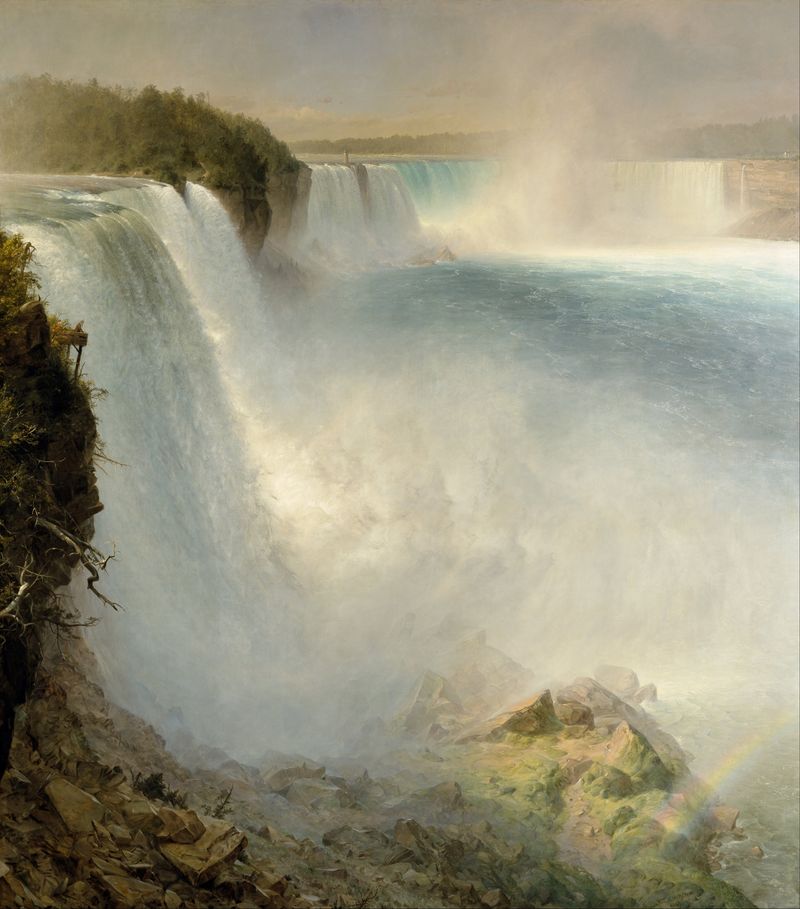
Niagara Falls, from the American Side
Frederic Edwin Church
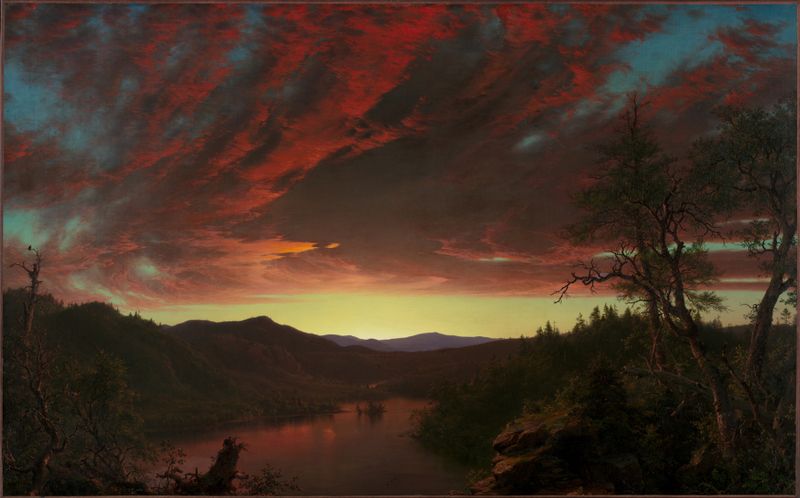
Twilight in the Wilderness
Frederic Edwin Church
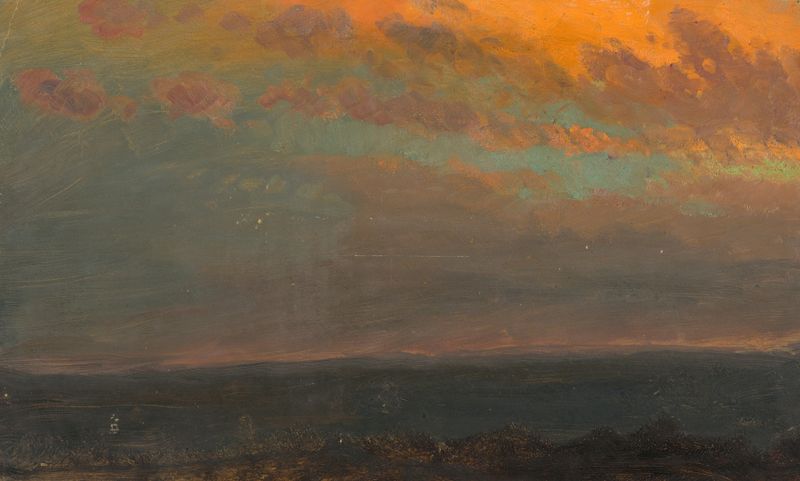
Hudson Valley at Sunset
Frederic Edwin Church
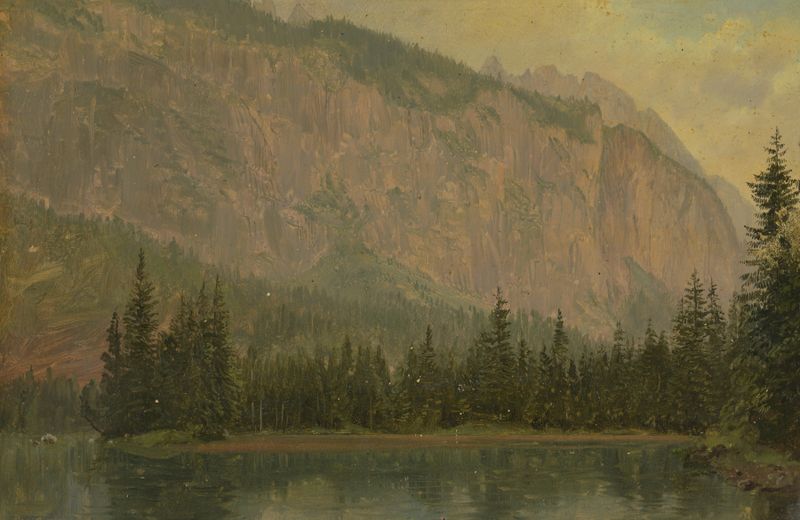
The Hintersee, near Berchtesgaden, Bavaria
Frederic Edwin Church
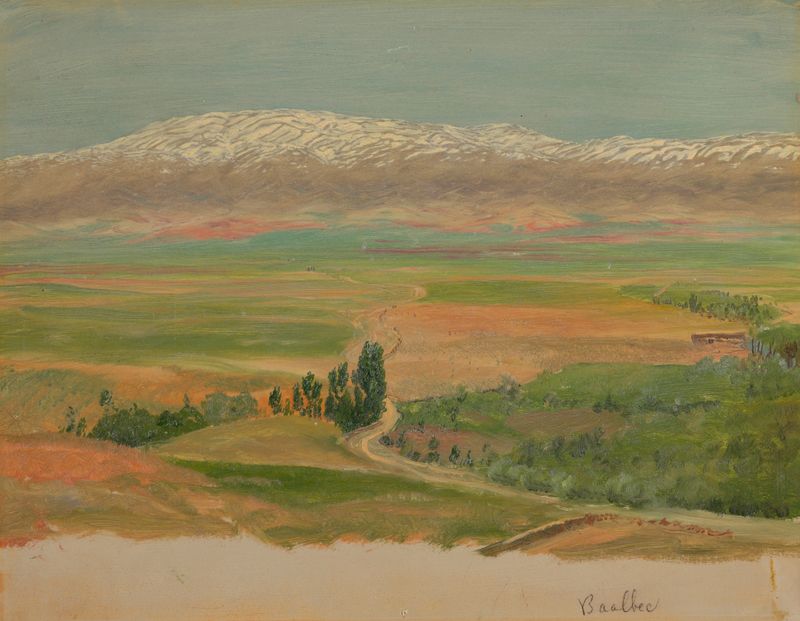
Mountains near Baalbec
Frederic Edwin Church
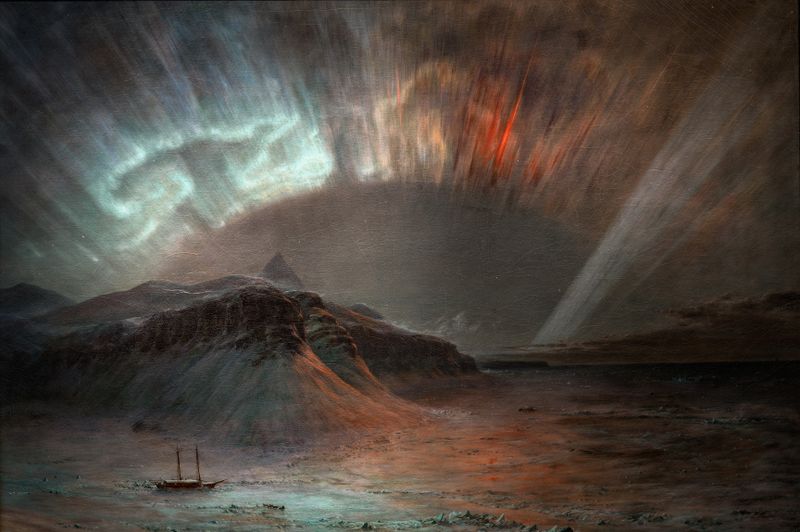
Aurora Borealis
Frederic Edwin Church
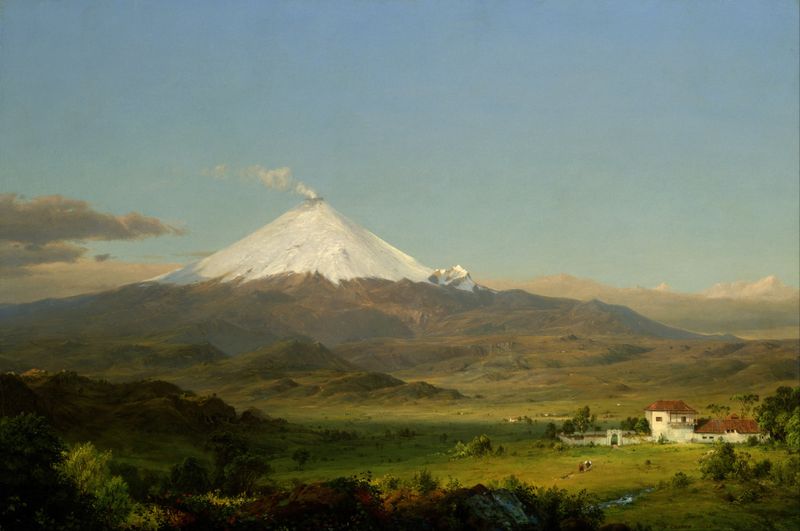
Cotopaxi
Frederic Edwin Church





