
Iceberg Fantasy — History & Facts
In the vast silence of nature, a haunting void awaits exploration, where the icy embrace of the Arctic captivates the imagination. Look to the foreground, where a towering iceberg rises majestically from the calm, reflective waters. The cool blues and whites evoke an otherworldly chill, while the subtle hues of the setting sun cast golden tones on its jagged edges. This contrast between light and shadow creates a dialogue between warmth and the profound coldness of the scene, inviting the viewer to delve deeper into the icy wilderness. Beneath the surface of this tranquil scene lies a tension between beauty and isolation.
The iceberg, while magnificent, symbolizes the overwhelming vastness of nature and humanity's struggle against it. The serene water mirrors the iceberg's grandeur yet hints at the silence of the void that surrounds it, a reminder of fragility amid ecological extremes. The intricate details of the ice, with its crystalline formations, suggest not just a physical reality but an emotional landscape where dreams and fears converge. In 1859, Frederic Edwin Church painted this work during a period of personal growth and artistic ambition, rooted in the Hudson River School movement.
As he explored the Arctic landscape, he sought to convey both the sublime beauty and the daunting power of nature. At this time, scientific explorations were revealing new geographical wonders, influencing his vision and underscoring the cultural fascination with the unknown.
More Artworks by Frederic Edwin Church
Browse all →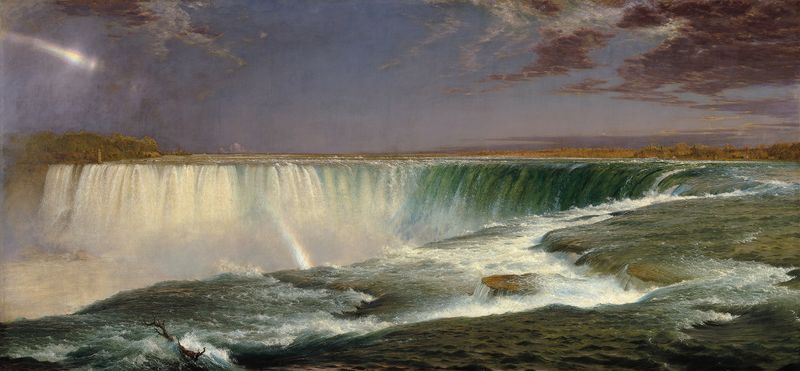
Niagara
Frederic Edwin Church
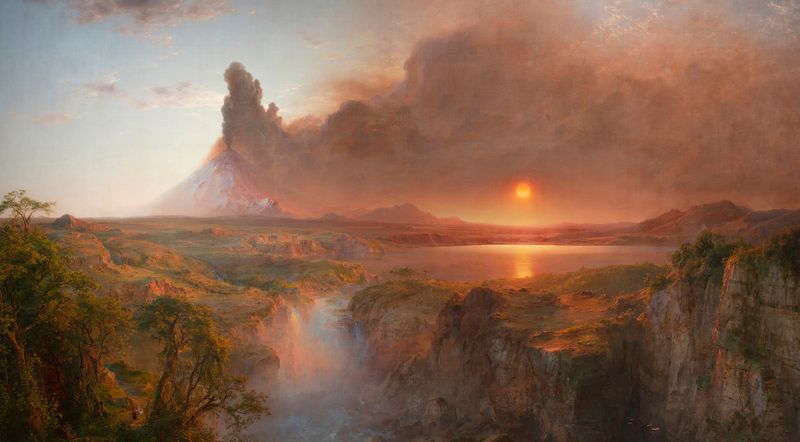
Cotopaxi
Frederic Edwin Church
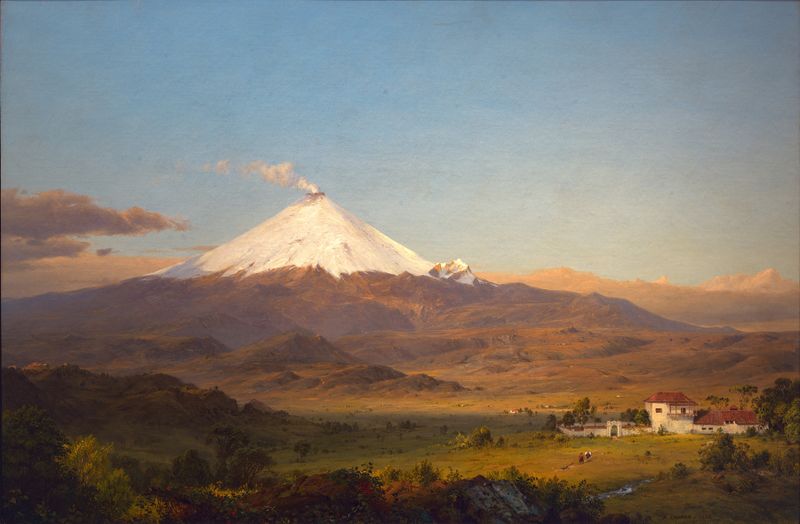
Cotopaxi
Frederic Edwin Church
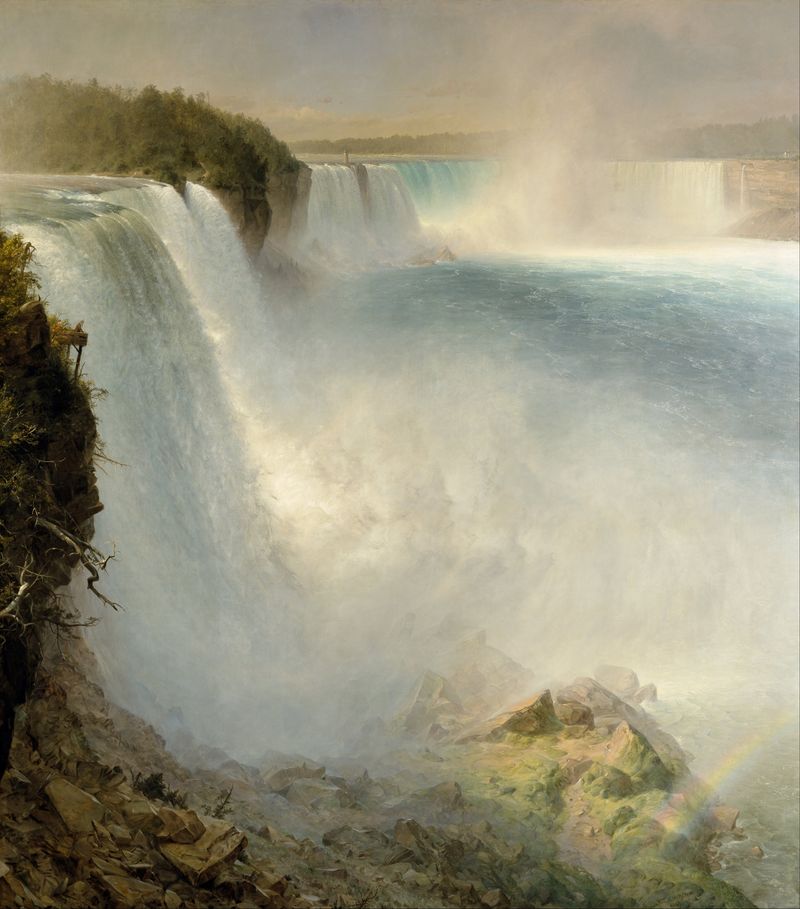
Niagara Falls, from the American Side
Frederic Edwin Church
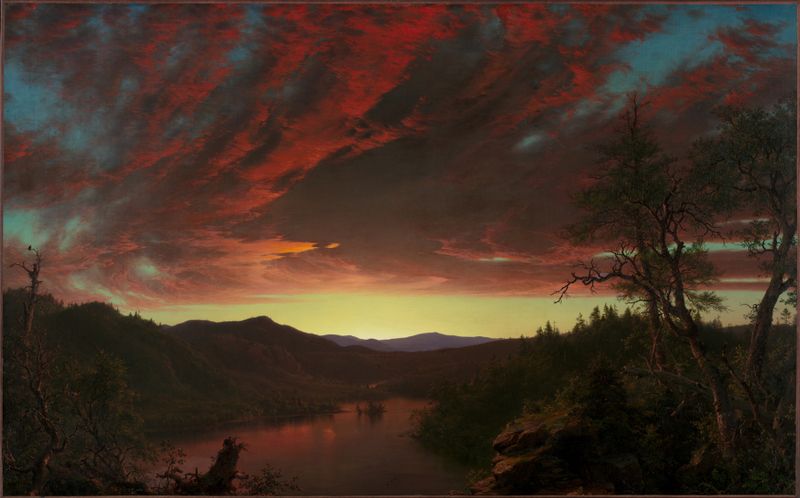
Twilight in the Wilderness
Frederic Edwin Church
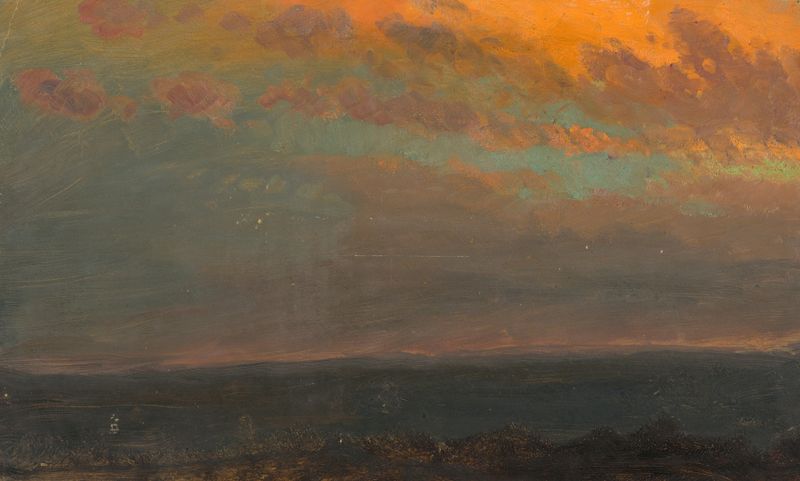
Hudson Valley at Sunset
Frederic Edwin Church
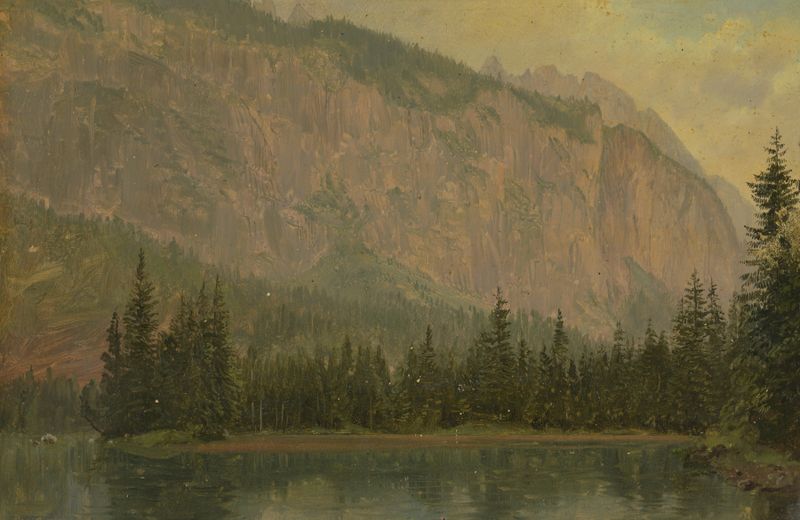
The Hintersee, near Berchtesgaden, Bavaria
Frederic Edwin Church
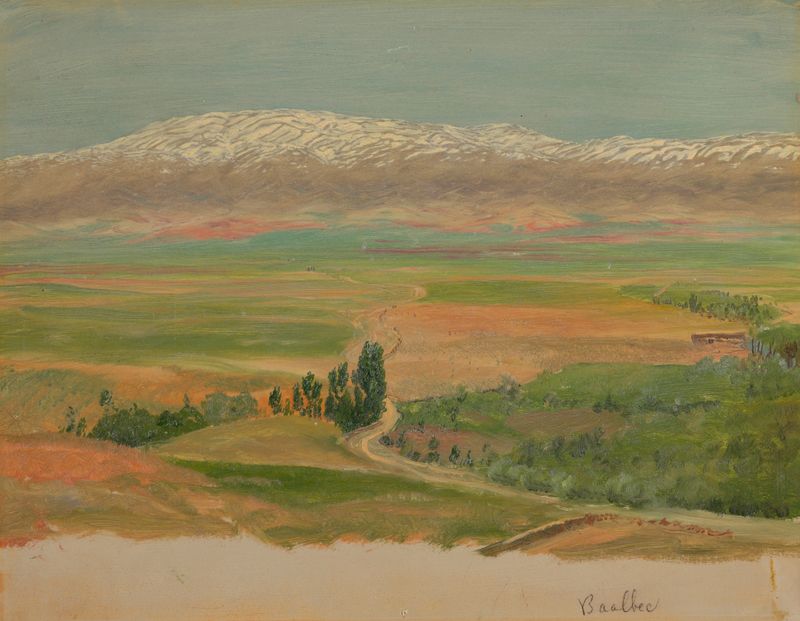
Mountains near Baalbec
Frederic Edwin Church
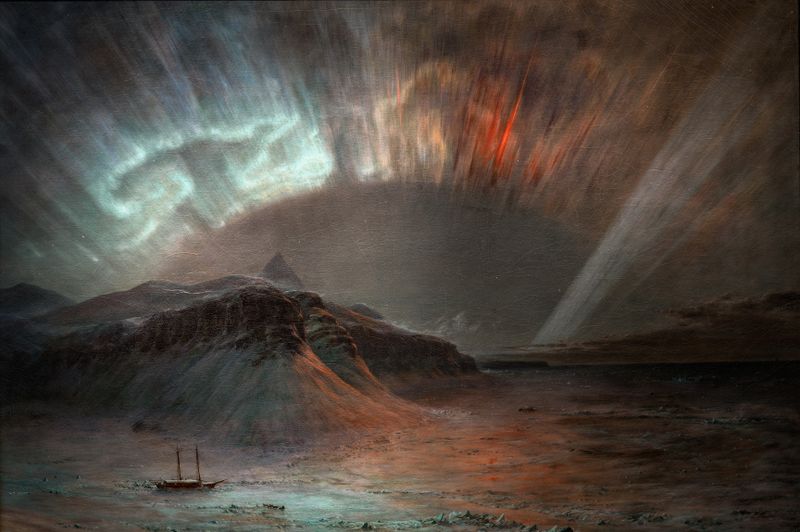
Aurora Borealis
Frederic Edwin Church
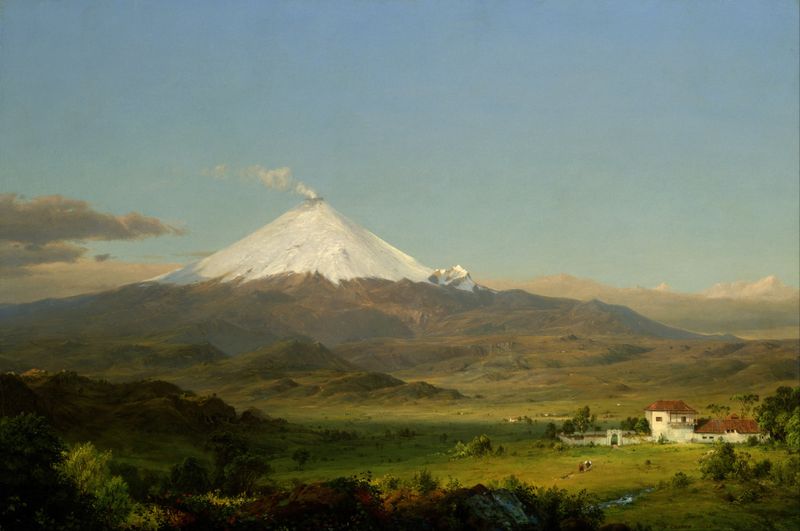
Cotopaxi
Frederic Edwin Church





