
Im Park — History & Facts
This reflection encapsulates the vibrant energy found in the world of color and form, where emotions intertwine with the everyday. In Im Park, the viewer's gaze is immediately drawn to the intricate interplay of figures amidst a backdrop of lush greenery. Look toward the left, where a couple enjoys a moment of intimacy, their bodies elegantly intertwined, capturing the essence of connection. The vivid palette of greens and reds floods the canvas, while the brushstrokes pulse with rhythm, imbuing the scene with a sense of movement and life, as if the figures might leap off the canvas at any moment. Beneath the surface, layers of emotional tension simmer between the carefree joy and a darker undertow of existential isolation.
The juxtaposition of vibrant colors against shadowy depths creates a dynamic visual conversation, hinting at both the exhilaration of the park atmosphere and the solitude that often accompanies human interaction. The figures’ stylized forms reflect a yearning for liberation, further emphasizing the complexities of human relationships within the seemingly idyllic setting. Created in 1906, this work emerged during a period of intense exploration for its creator, who was part of the expressionist movement in Germany. Kirchner sought to express the tumultuous emotions of modern life, often drawing directly from the changing urban landscapes around him.
At this time, he was navigating his own struggles with mental health and the societal shifts of the early 20th century, which deeply influenced his artistic vision.
More Artworks by Ernst Ludwig Kirchner
Browse all →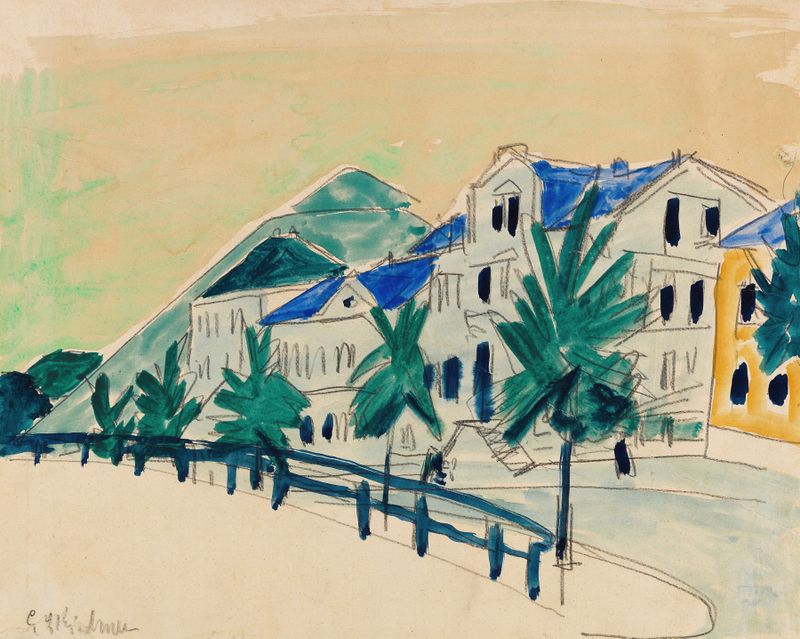
Häuser mit Allee
Ernst Ludwig Kirchner

Fehmarnlandschaft
Ernst Ludwig Kirchner

Sertigtal im Winter
Ernst Ludwig Kirchner
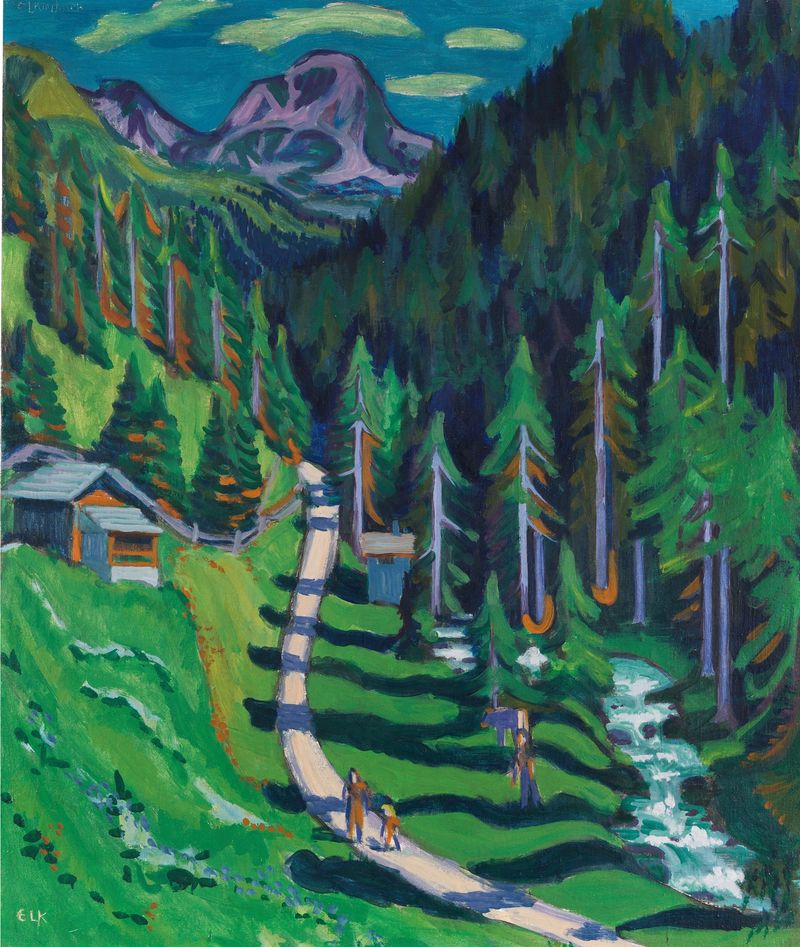
Sertigweg
Ernst Ludwig Kirchner
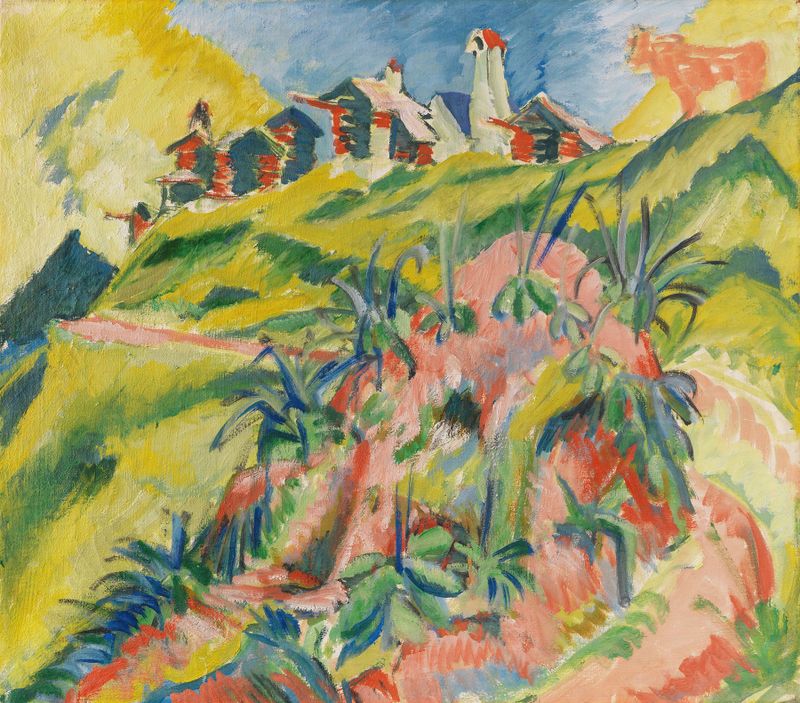
Bergdorf mit rosa Kuh
Ernst Ludwig Kirchner
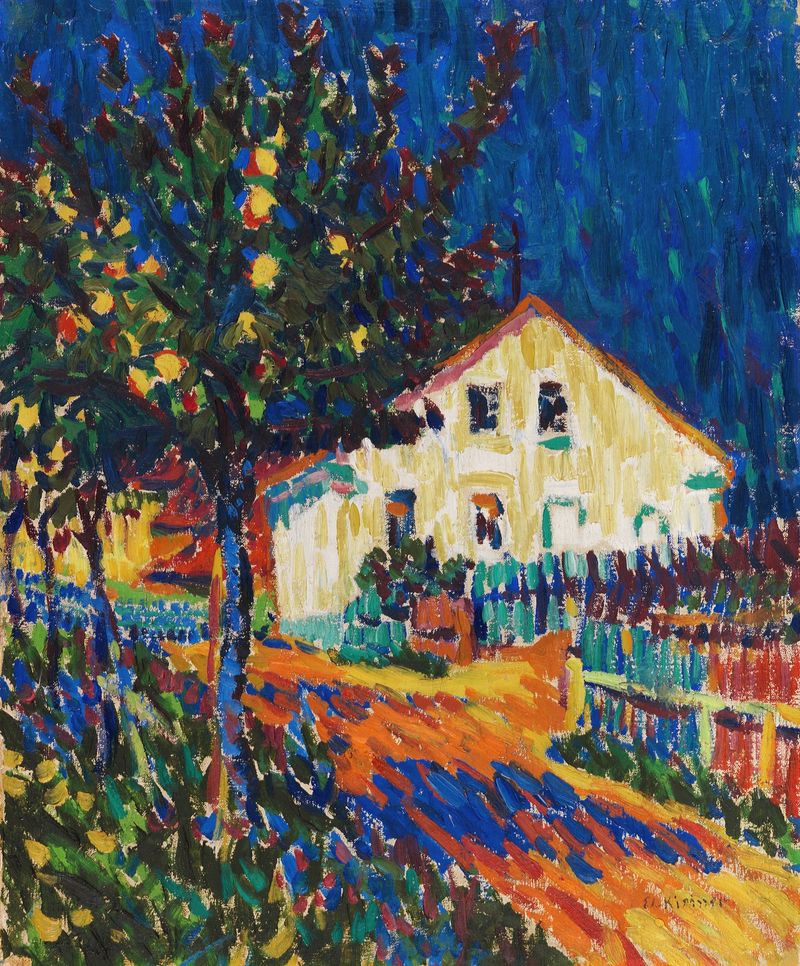
Dorfstraße mit Apfelbäumen
Ernst Ludwig Kirchner

Unter Bäumen am See
Ernst Ludwig Kirchner
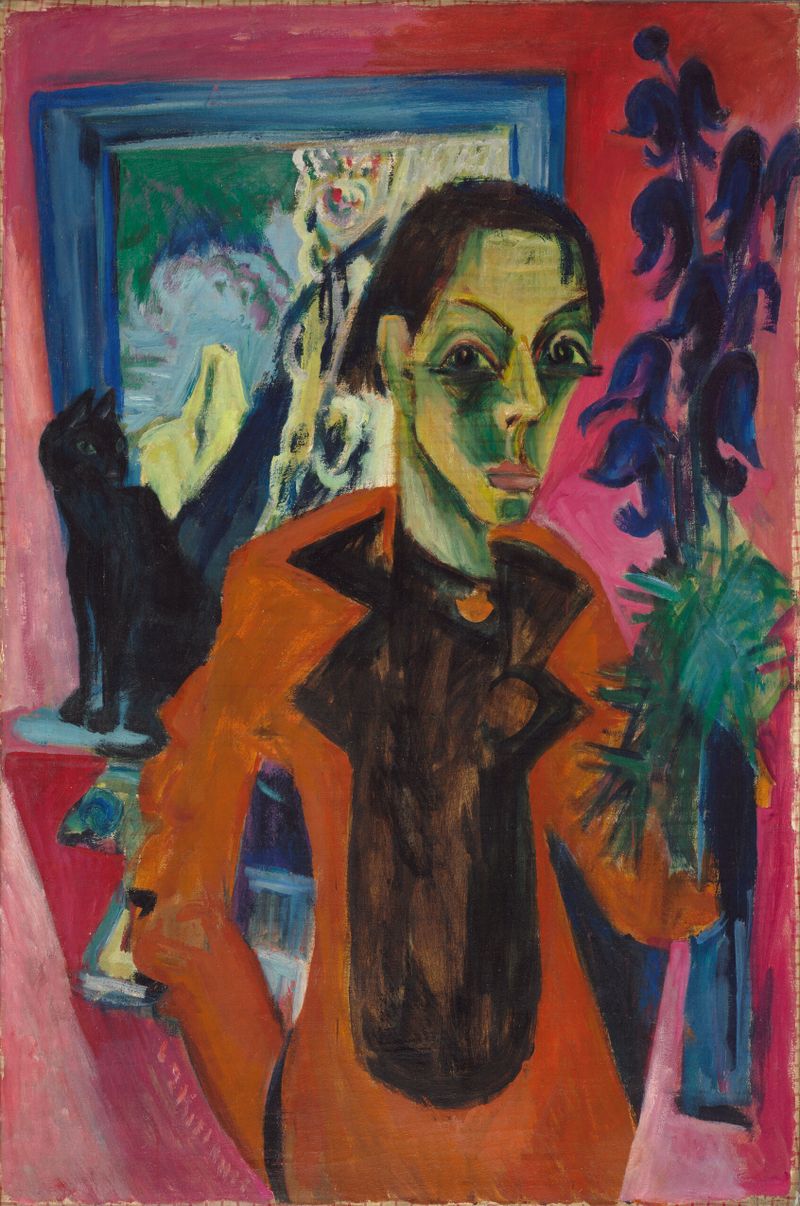
Self-Portrait with Cat
Ernst Ludwig Kirchner

Fehmarnküste mit Leuchtturm
Ernst Ludwig Kirchner

Sertigweg im Sommer
Ernst Ludwig Kirchner





