
Immaculate Conception — History & Facts
In Immaculate Conception, Francisco de Zurbarán presents the Virgin Mary in a serene and divine setting. The painting features a rich palette of blues and whites, symbolizing purity and grace. Mary is depicted standing on a crescent moon, surrounded by soft clouds and radiant light.
Her expression conveys tranquility, embodying her role as the mother of Christ. The painting is executed in oil on canvas, showcasing Zurbarán's skillful use of light and shadow. The intricate details of Mary's garments, adorned with golden accents, highlight the artist's attention to texture and depth. The composition is balanced, with Mary centrally positioned, drawing the viewer's eye.
This work exemplifies the Baroque style, characterized by dramatic contrasts and emotional intensity. Francisco de Zurbarán was a prominent Spanish painter known for his religious works during the Baroque period. This particular painting of the Immaculate Conception reflects the Counter-Reformation's emphasis on the Virgin Mary. An interesting fact about this work is that it was commissioned for a convent, emphasizing its spiritual significance.
Zurbarán's ability to convey divine presence through simplicity is a hallmark of his artistry.
More Artworks by Francisco de Zurbarán
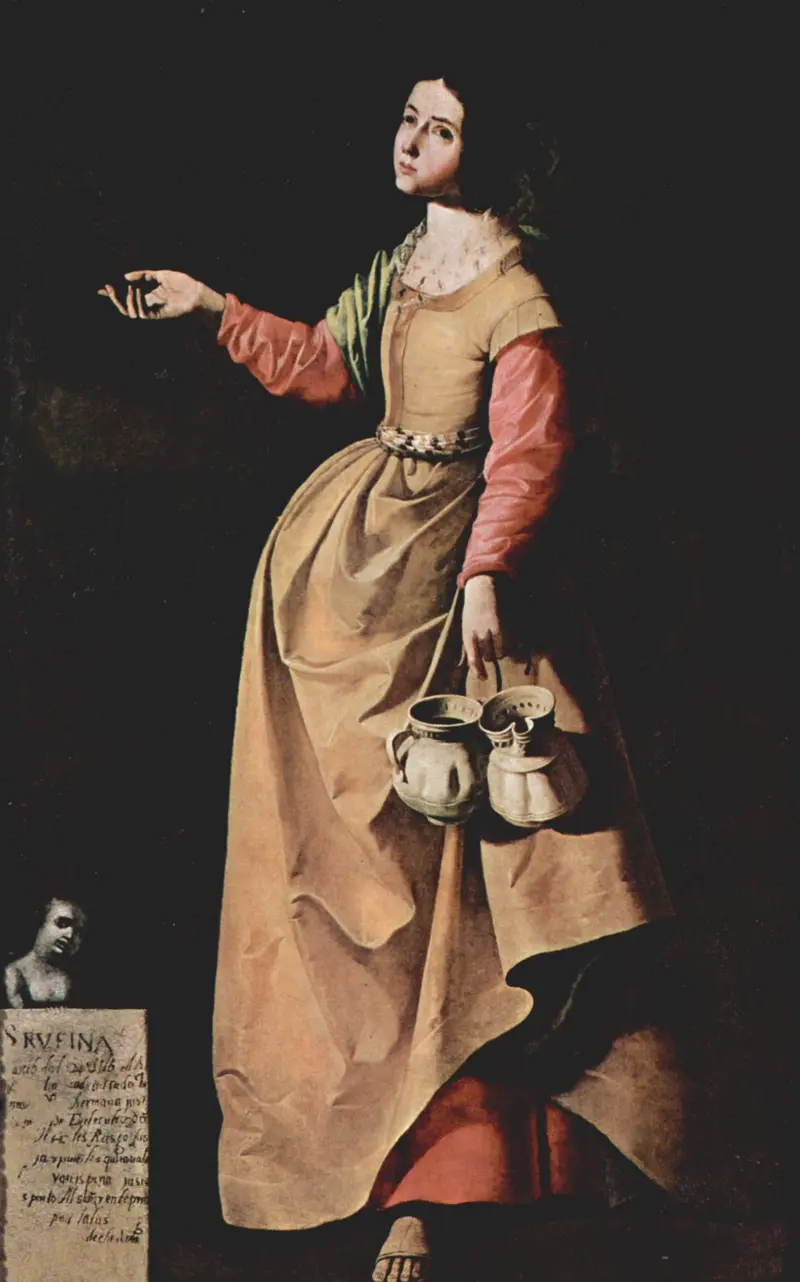
Saint Rufina
Francisco de Zurbarán
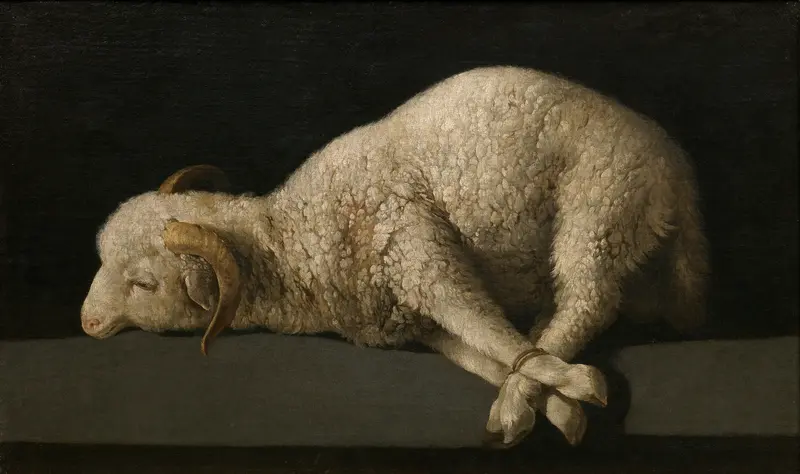
Agnus Dei
Francisco de Zurbarán
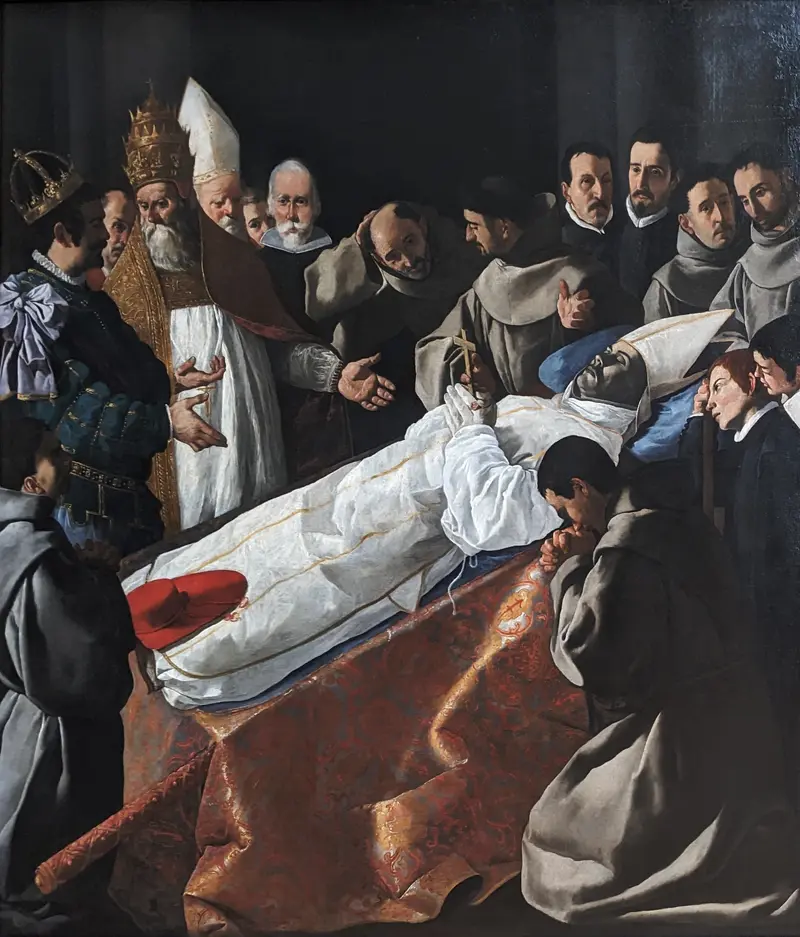
Saint Bonaventure's Body Lying in State
Francisco de Zurbarán
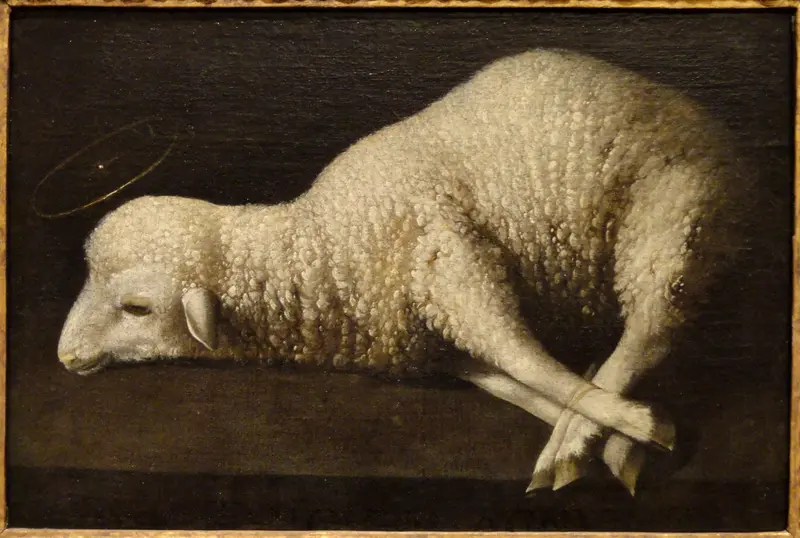
The Lamb of God
Francisco de Zurbarán

Adoration of the Magi
Francisco de Zurbarán
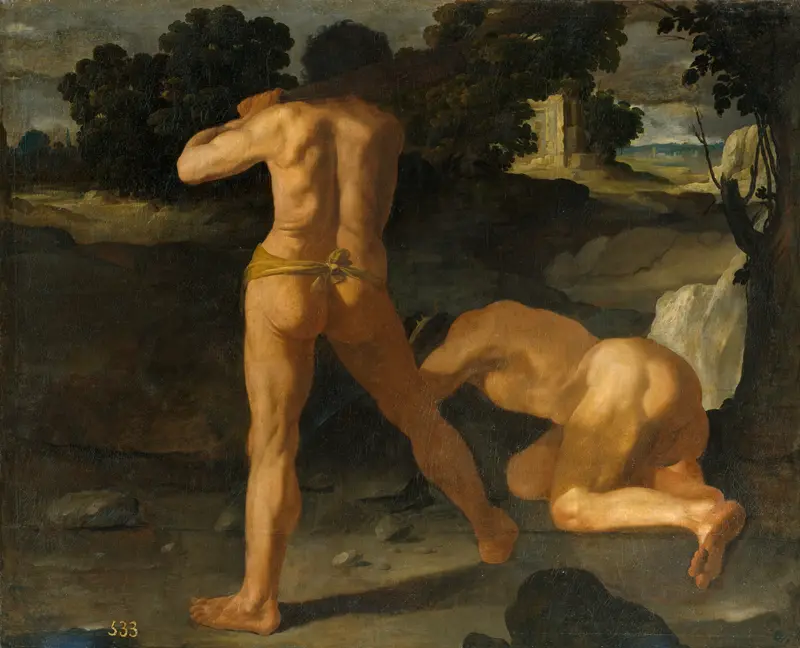
Hercules defeats King Geryon
Francisco de Zurbarán
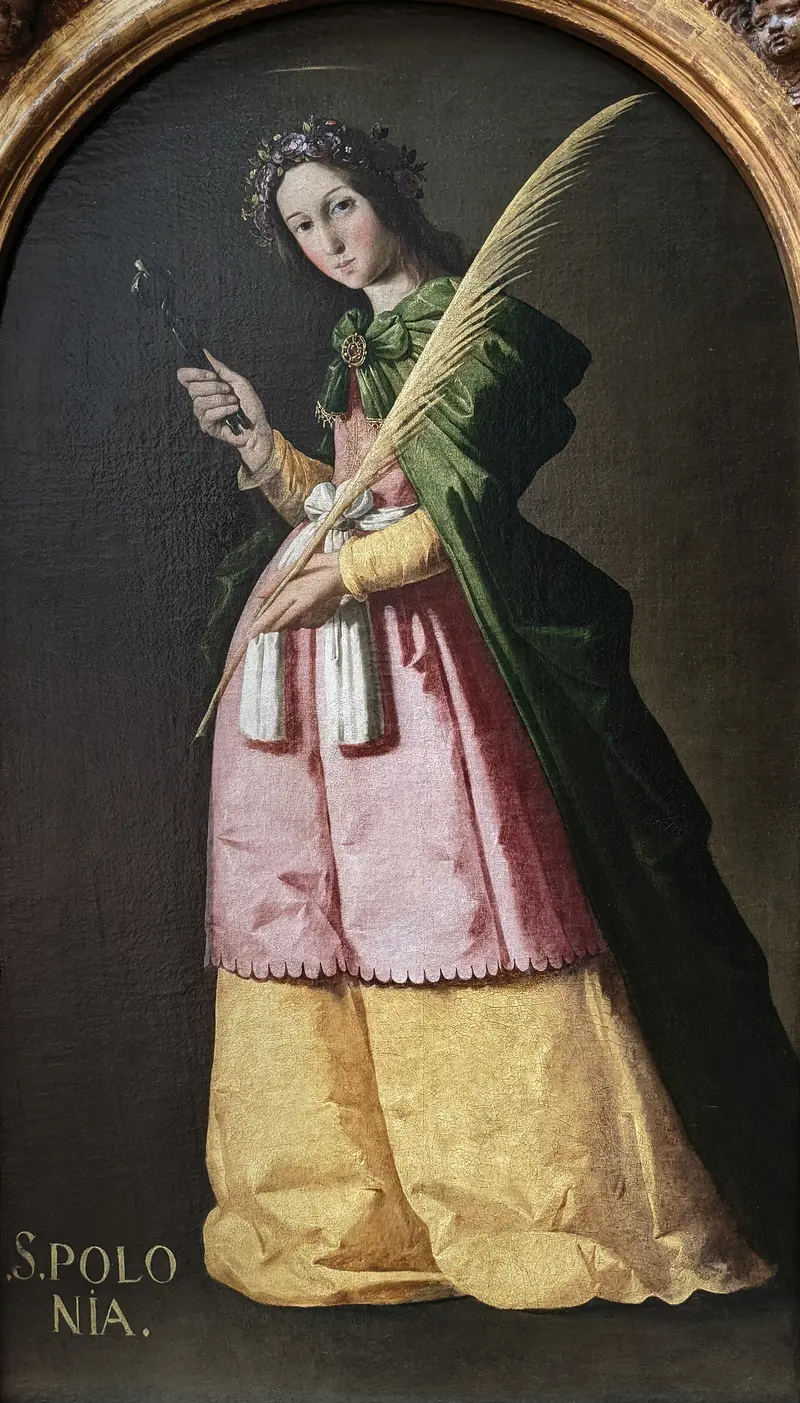
Saint Apollonia
Francisco de Zurbarán
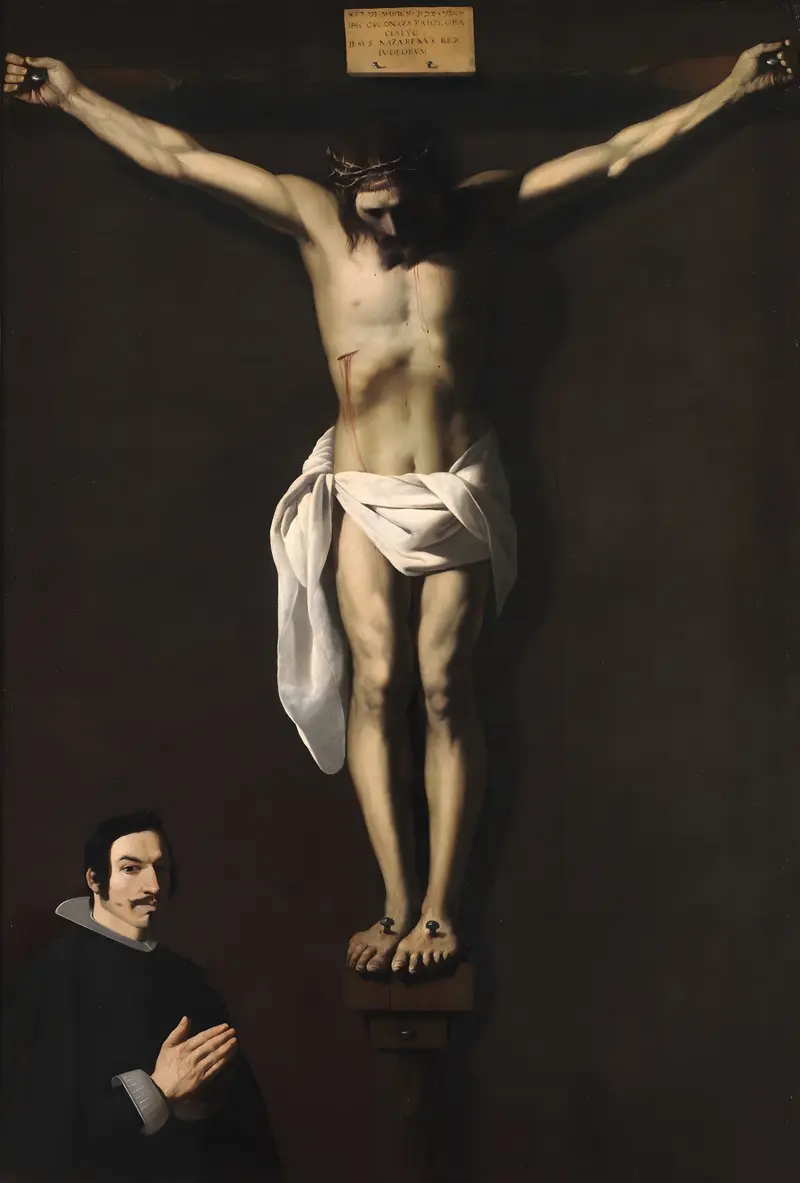
The Crucified Christ with a Donor
Francisco de Zurbarán
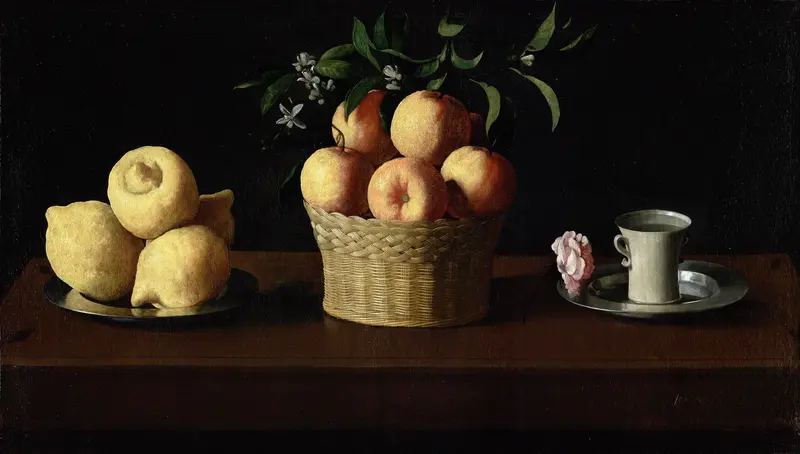
Still Life with Lemons, Oranges and a Rose
Francisco de Zurbarán
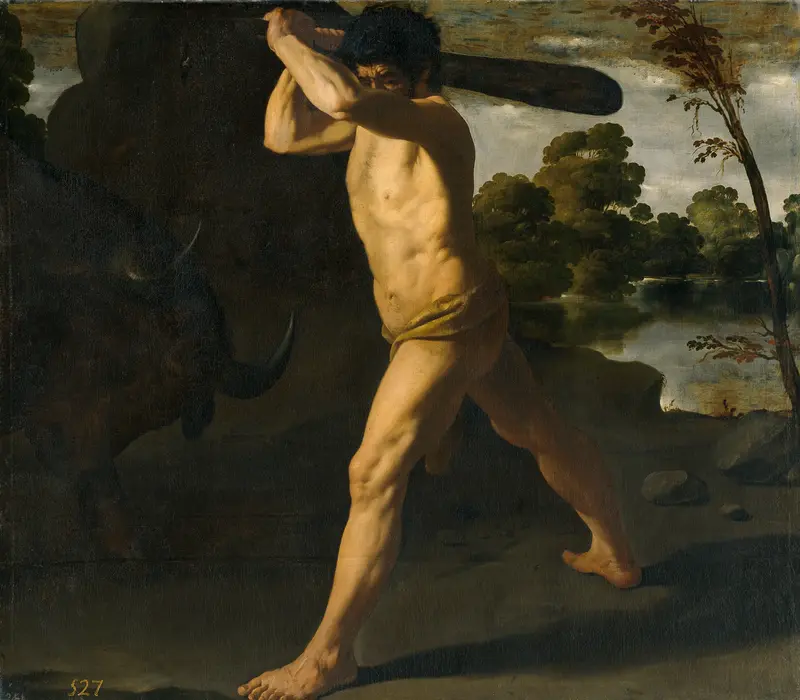
Hercules and the Cretan Bull
Francisco de Zurbarán





