
In the Mountains — History & Facts
Where does light end, and longing begin? This question echoes through the heart of In the Mountains, where shadows dance on the precipice of distant peaks, beckoning the viewer to explore the interplay between light and the unseen depths of desire. Look to the left at the rugged outline of the mountains, their imposing forms softened by gentle strokes of muted blues and earthy greens. The light cascades from the unseen sun, illuminating the foreground while casting long, dramatic shadows that stretch toward the horizon. Notice how the artist employs a delicate gradation of hues, merging sky and earth in a harmonious embrace, drawing your gaze into the vastness of the scene.
Each brushstroke is purposeful, capturing the stillness and serenity of nature while simultaneously evoking a sense of introspection. Hidden within this serene landscape are layers of emotional tension. The shadows hint at the feelings of isolation and contemplation that often accompany encounters with the sublime. The mountains stand as silent sentinels, embodying both the majesty and the loneliness of nature's grandeur.
This duality invites us to reflect on our own inner landscapes, where light and shadow coexist, revealing the complex interplay of hope and longing that resides within us all. Created during a pivotal time in his career, the artist painted this work in the late 19th century, likely while immersed in the transitory beauty of the American wilderness. The rise of the Hudson River School had already shifted the artistic landscape, prompting a deeper exploration of natural themes. As he embraced this new direction, he sought to convey not just the external beauty of the mountains but also the internal richness of human emotion intertwined with nature.
More Artworks by Winslow Homer
Browse all →
The Gulf Stream
Winslow Homer
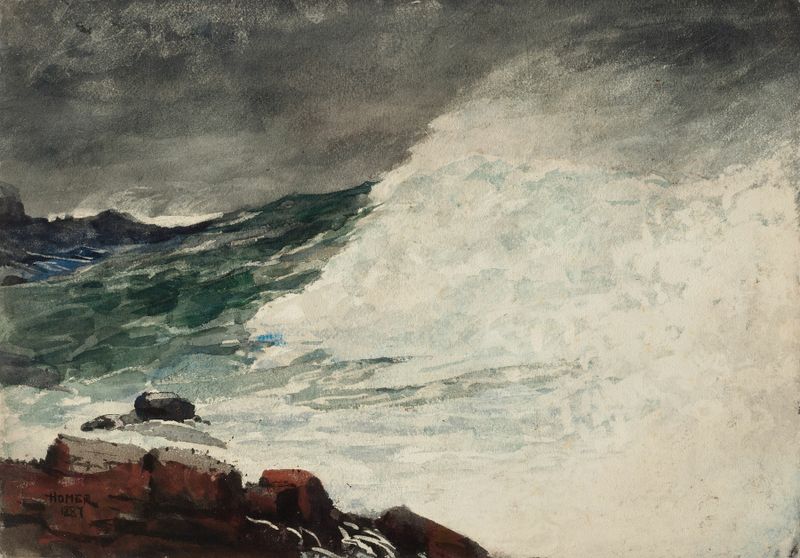
Prout’s Neck, Breaking Wave
Winslow Homer
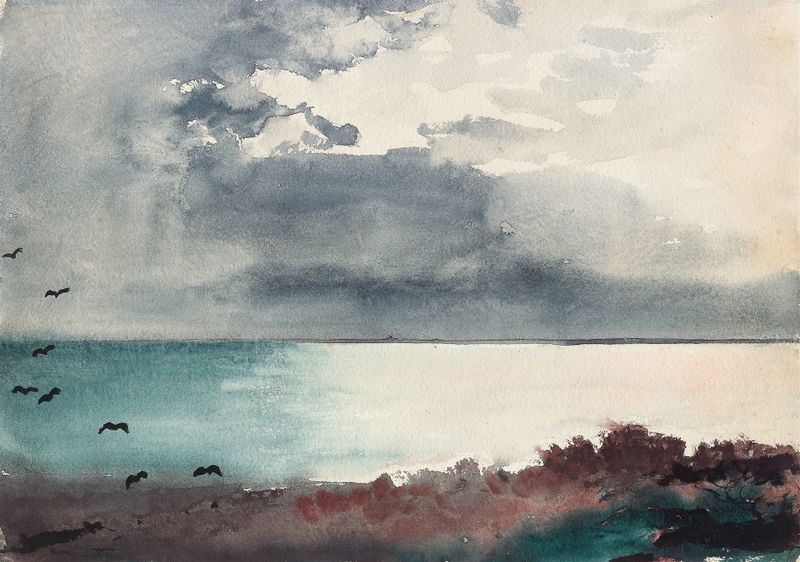
Breaking Storm, Coast of Maine
Winslow Homer
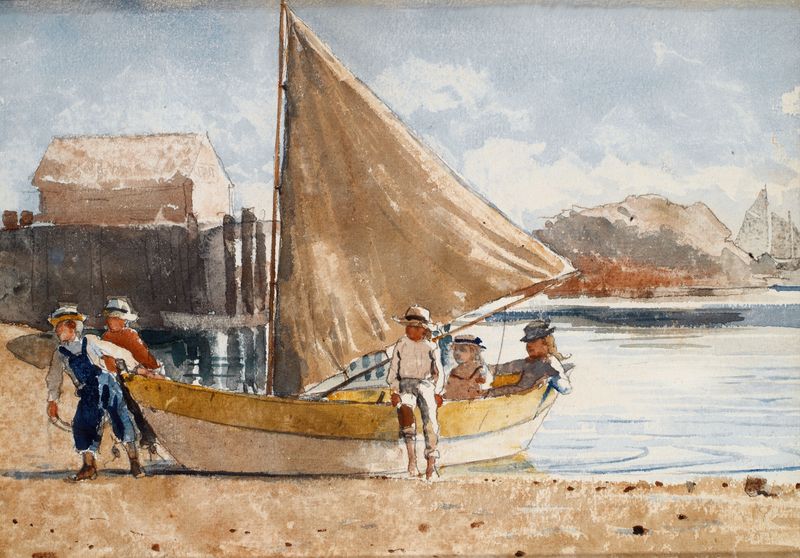
Summertime
Winslow Homer
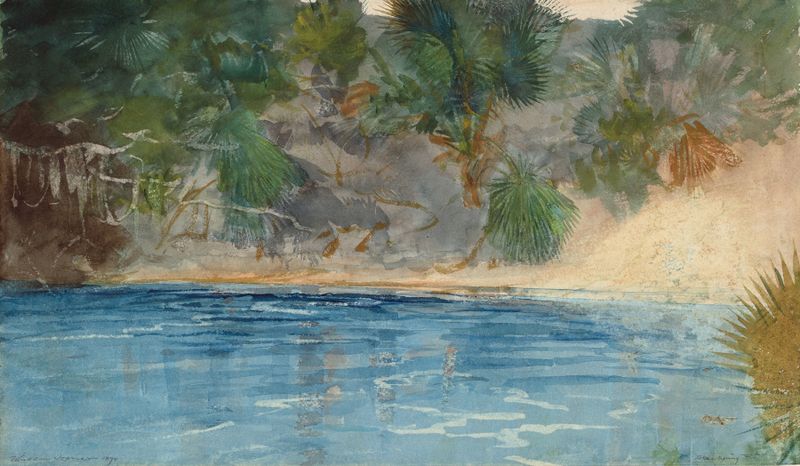
Blue Spring, Florida
Winslow Homer
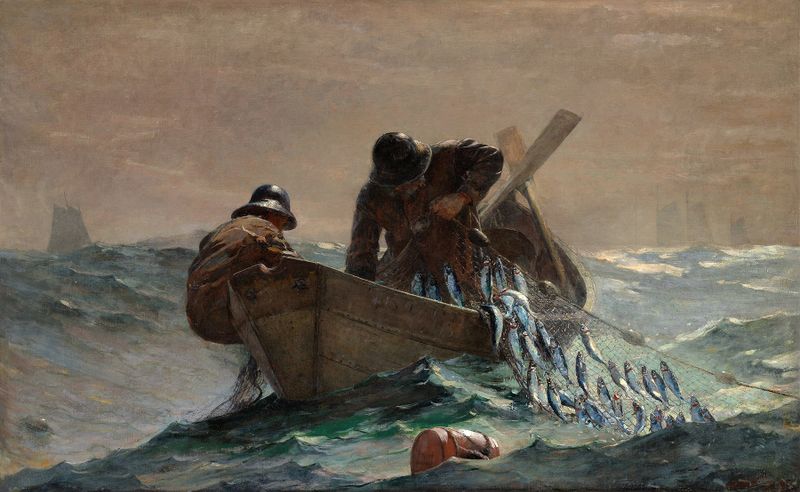
The Herring Net
Winslow Homer
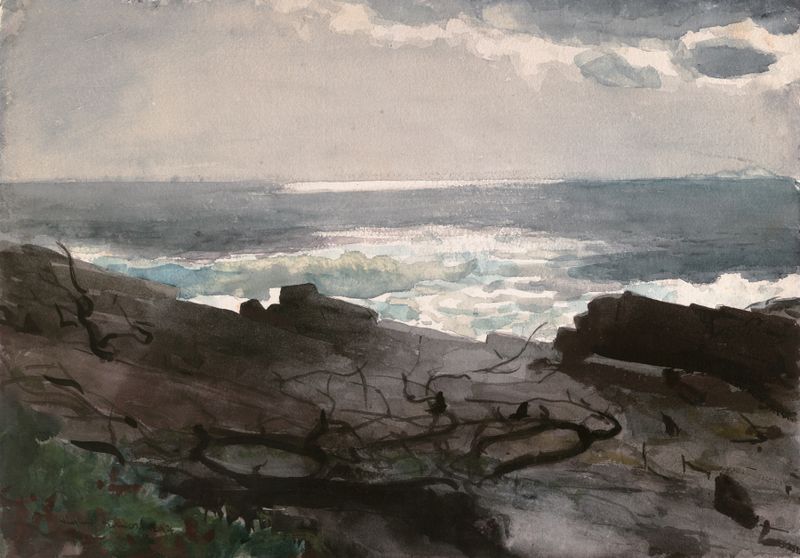
Sunshine and Shadow, Prout’s Neck
Winslow Homer
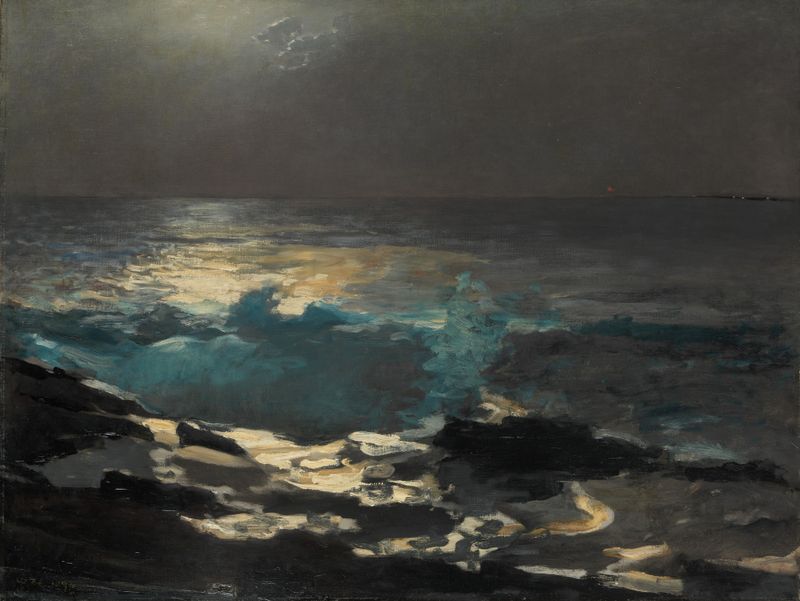
Moonlight, Wood Island Light
Winslow Homer
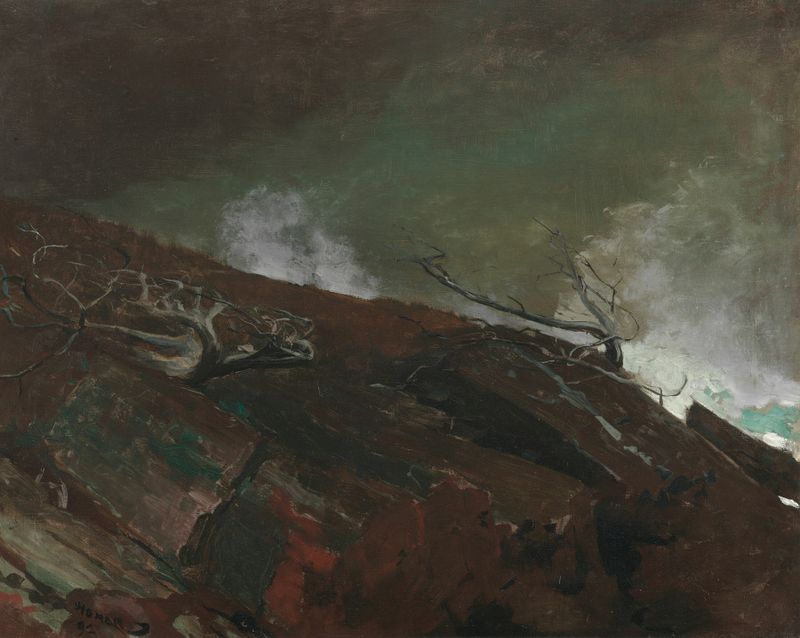
Coast of Maine
Winslow Homer
Bass Fishing – Florida
Winslow Homer





