
In the Rocky Mountains — History & Facts
A shaft of sunlight slips through the cloud cover, drawing the eye across the rugged slopes and into the distant haze where peaks dissolve into sky. The drama of the scene is not in violent weather or human action, but in the quiet tension between shadow and light. The dense, dark foreground trees anchor the viewer, while the mountains rise in layered ranks, each more ethereal and remote.
The artist guides us from the tangible earth to the airy heights, using the play of clouds and the crispness of the blue sky to set the mood—at once inviting and forbidding, a landscape both observed and imagined. Painted around 1870, In the Rocky Mountains belongs to an era when American artists turned westward, seeking to capture the grandeur and unfamiliarity of the continent’s wildest places. Works like this, often commissioned or eagerly collected by a public hungry for visions of the frontier, helped shape the mythology of the American West. While history has kept few traces of the journey of this specific painting, its presence in the Google Arts & Culture collection allows new eyes to travel through its valleys and over its ridges—reminding us how much of landscape painting is about the promise of what lies just beyond the next rise.
More Artworks by Albert Bierstadt

A Storm in the Rocky Mountains, Mt. Rosalie
Albert Bierstadt
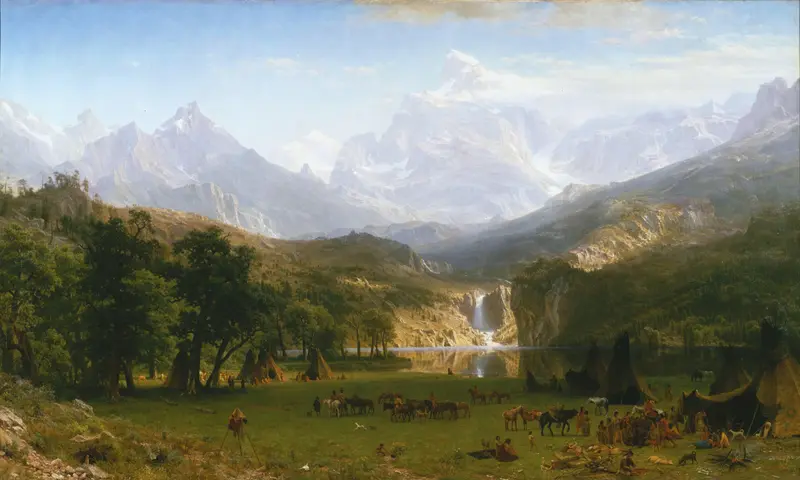
The Rocky Mountains, Lander's Peak
Albert Bierstadt
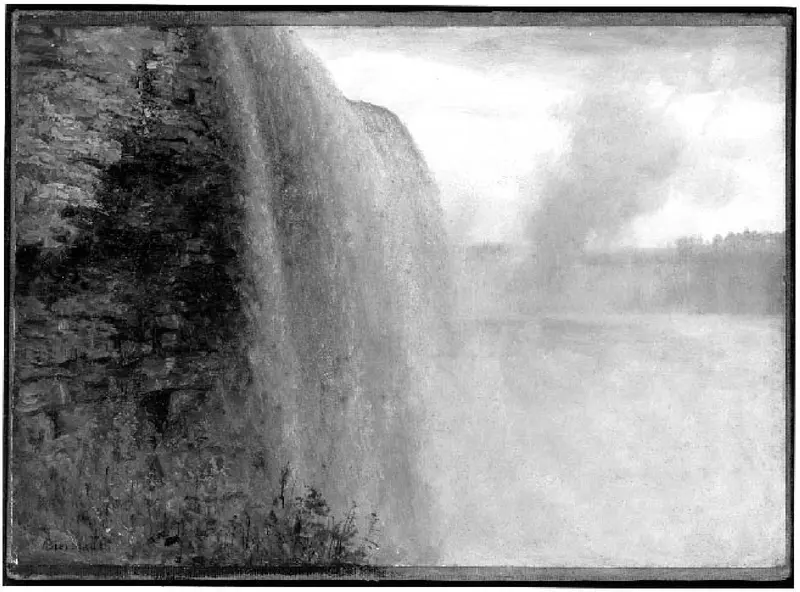
Niagara from the American Side
Albert Bierstadt
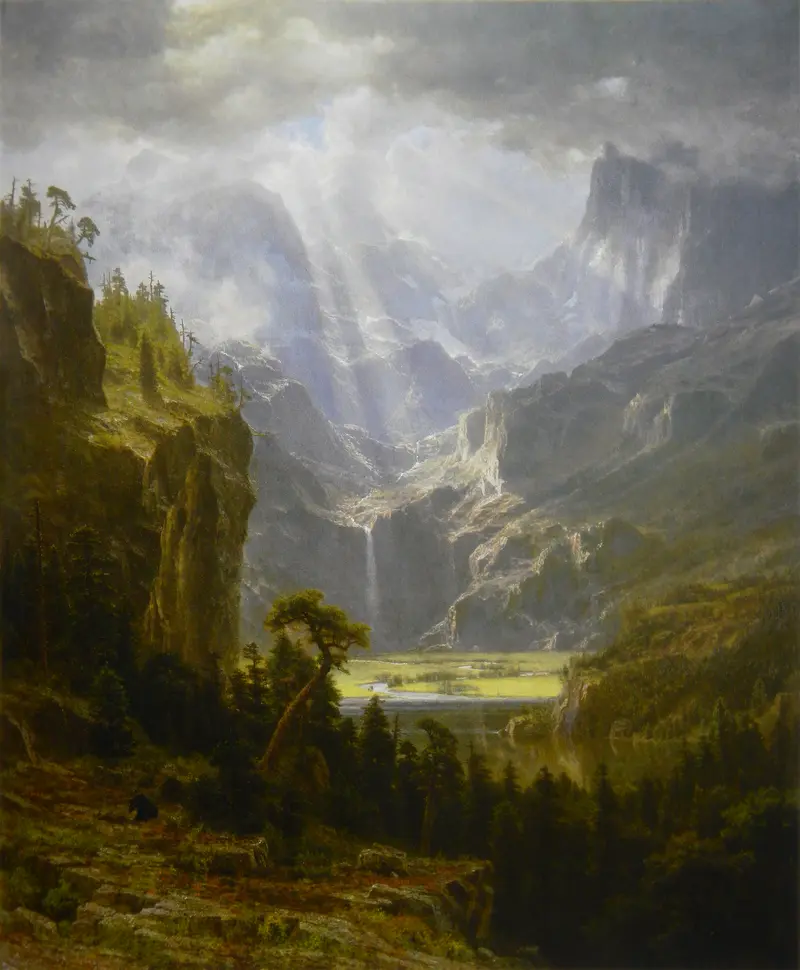
Rocky Mountains, Lander’s Peak
Albert Bierstadt

Valley of the Yosemite
Albert Bierstadt
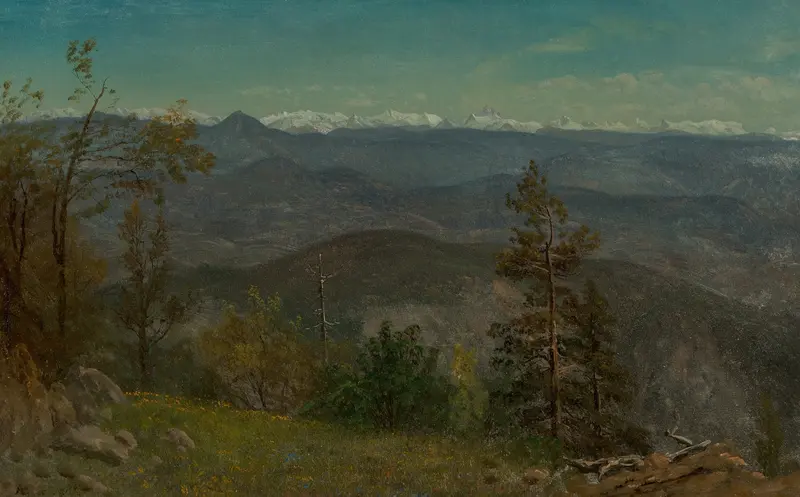
Yosemite Valley, California
Albert Bierstadt
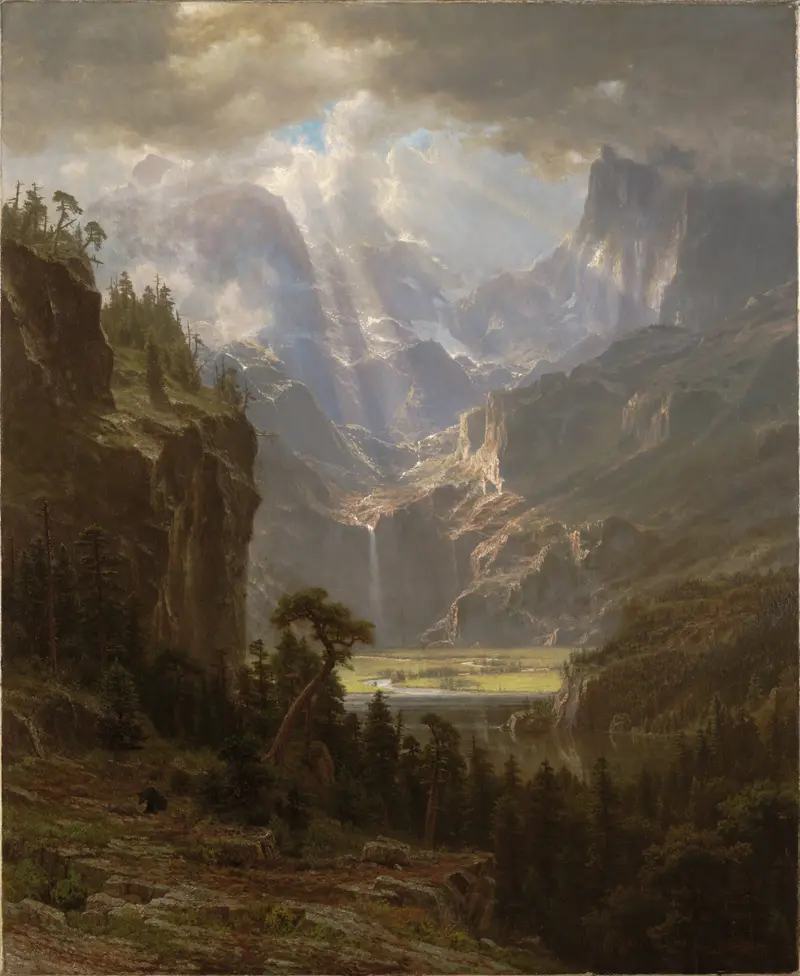
Rocky Mountains, "Lander's Peak"
Albert Bierstadt

Laramie Peak
Albert Bierstadt
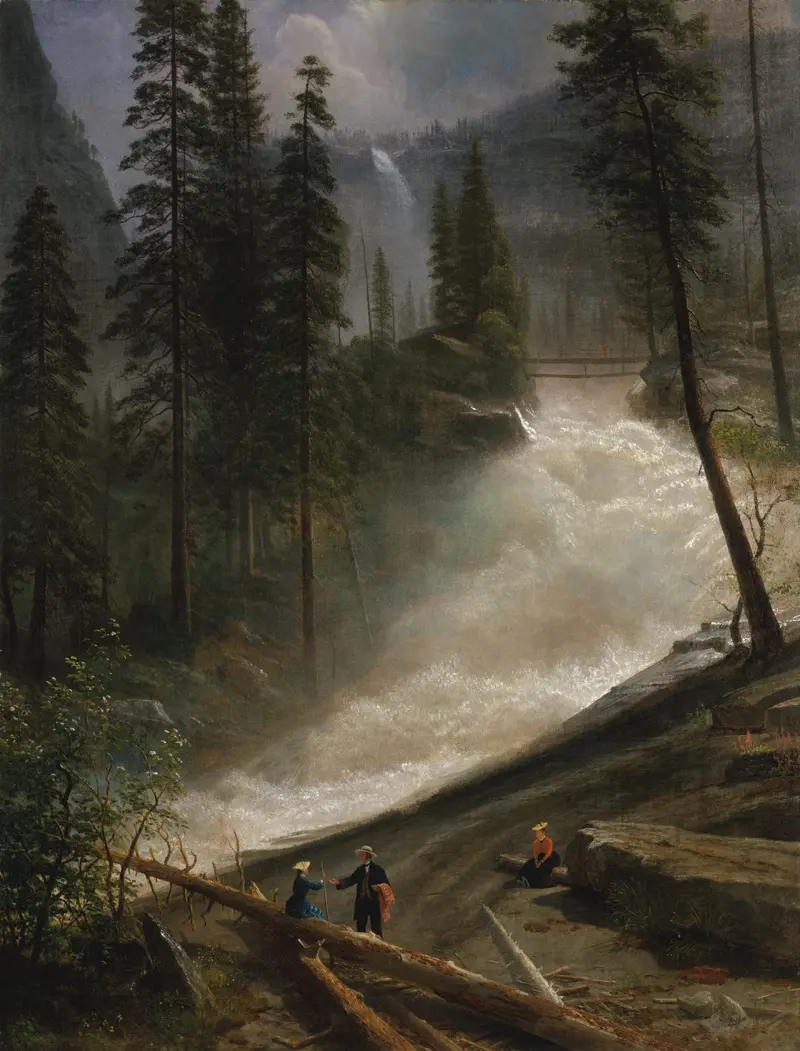
Nevada Falls, Yosemite
Albert Bierstadt
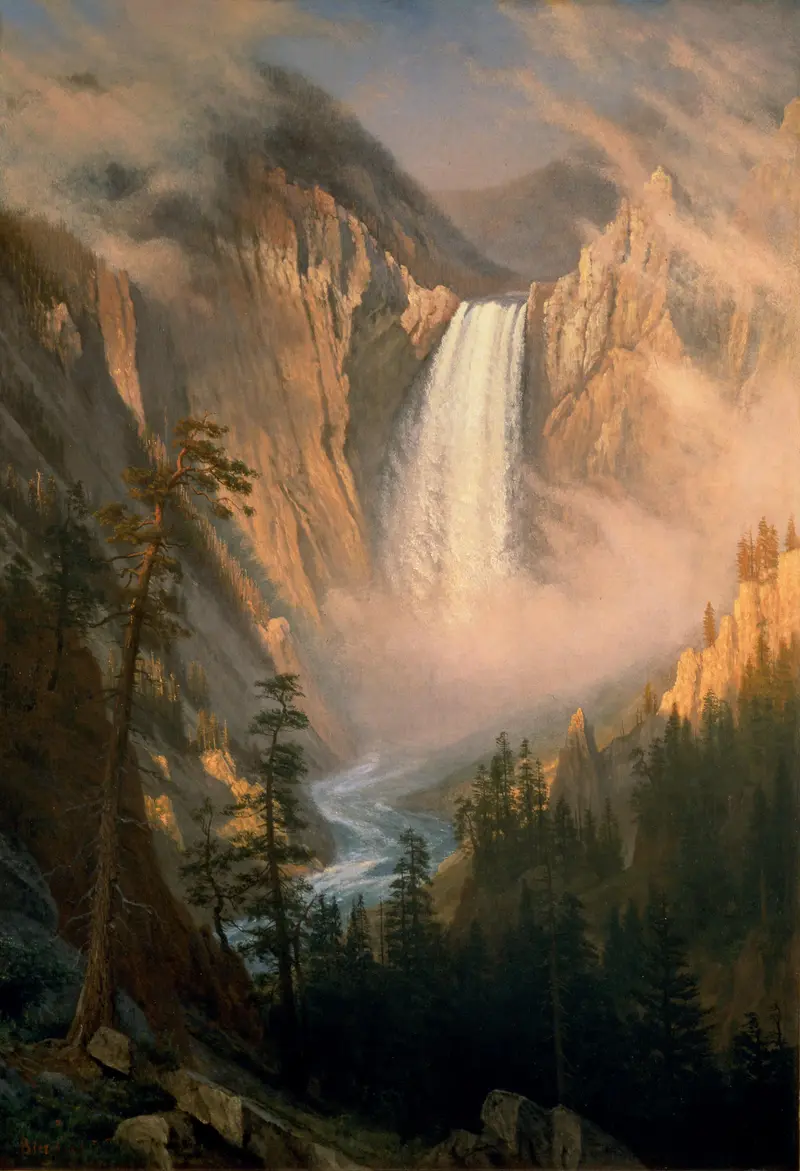
Yellowstone Falls
Albert Bierstadt
More Landscape Art

The Starry Night
Vincent van Gogh

View of Delft
Johannes Vermeer

Water Lilies
Claude Monet

The Grand Canal, Venice, looking north-west from the Ca' Corner to the Ca' Contarini degli Scrigni, with the campanile of Santa Maria della Carità
Canaletto

Windsor Castle
Canaletto

The Grand Canal looking North-East from the Palazzo Dolfin-Manin to the Rialto Bridge
Canaletto