
In the Swiss Alps — History & Facts
What if beauty was never meant to be finished? Gustave Courbet’s In the Swiss Alps transports us to a realm where nature and the human spirit entwine in breathtaking harmony, evoking a sense of awe that resonates deeply within us. Look to the center of the canvas where majestic peaks reach skyward, their craggy faces softened by a veil of mist. The hues of emerald green descend into the valley, contrasting sharply with the cool blues and whites of the sky-draped mountains. Notice how the light dances across the landscape, illuminating patches of wildflowers that insist on blooming defiantly amidst the rocky terrain.
The brushwork is both bold and tender, inviting the viewer to appreciate the raw power and delicate beauty coexisting within nature. Beneath the surface, the painting speaks of the paradoxes inherent in human experience—struggles between the sublime and the mundane, the transient and the eternal. The juxtaposition of the towering Alps and the blissful valley below suggests a yearning for transcendence, as if nature itself is a call to seek something greater than ourselves. The scattered patches of sunlight become symbols of hope, illuminating the darkest corners of the human psyche, a reminder that even amid chaos, there lies potential for growth and enlightenment. Courbet created this masterpiece in 1875 during a pivotal period in his life, when he found himself immersed in the philosophical debates surrounding realism versus romanticism.
Living in France, he was influenced by the evolving perceptions of nature and landscape painting, challenging the conventions of his time while striving to capture the unfiltered beauty of the world around him. In this work, he not only painted the Swiss Alps but also laid bare a profound truth about our relationship with nature—one that still resonates today.
More Artworks by Gustave Courbet
Browse all →
Marine
Gustave Courbet
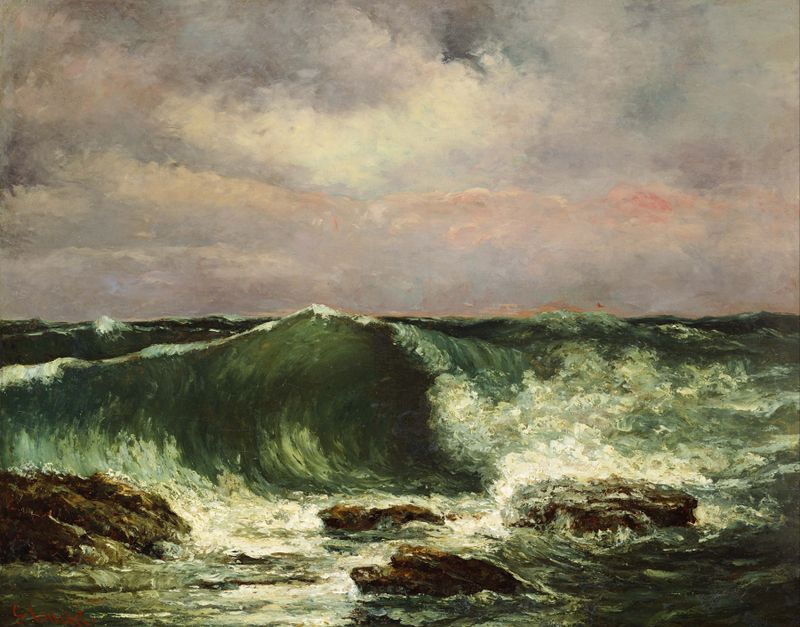
Waves
Gustave Courbet

Étretat; Les Falaises
Gustave Courbet
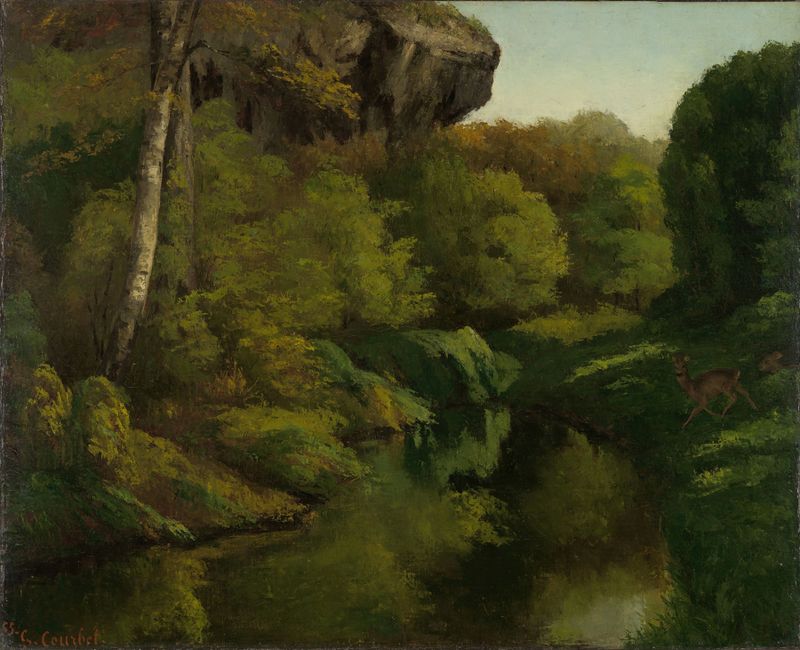
View in the Forest of Fontainebleau
Gustave Courbet
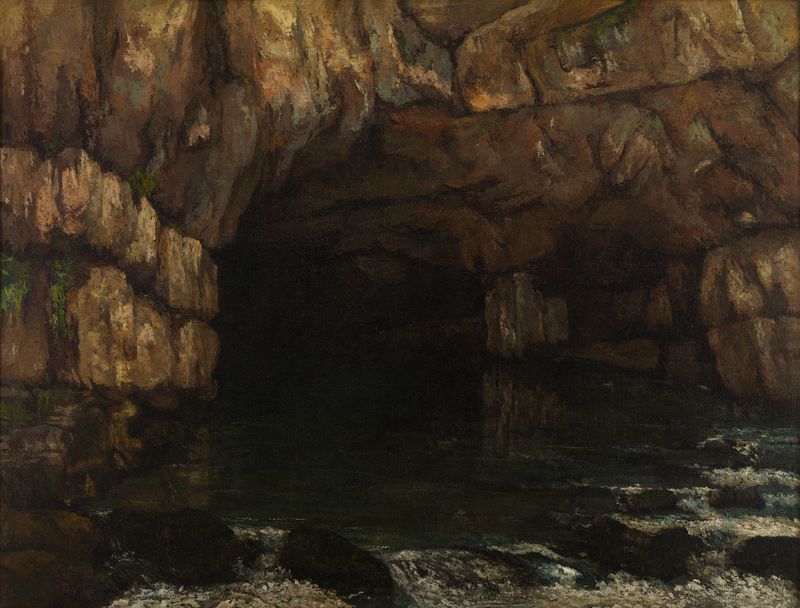
La source de la Loue (The Source of the Loue)
Gustave Courbet

Low Tide at Trouville
Gustave Courbet
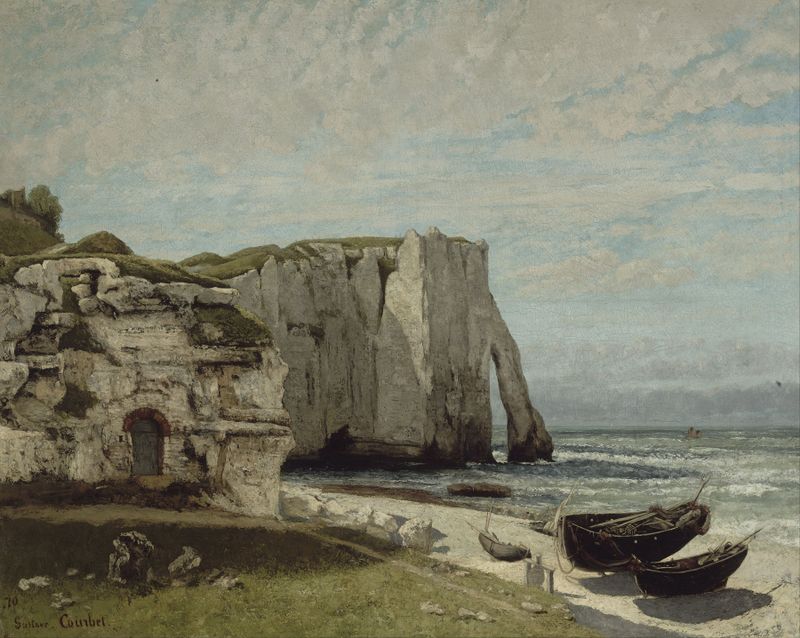
The Etretat Cliffs after the Storm
Gustave Courbet
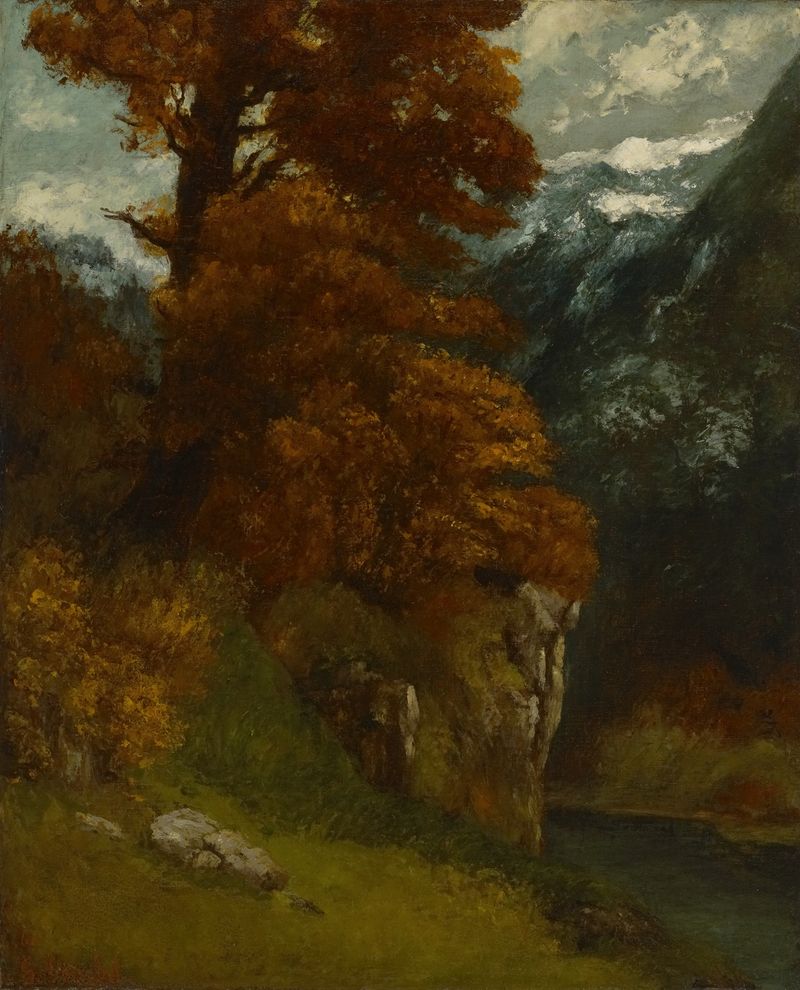
The Glen at Ornans (Bords du Doubs; Effet d’Automne)
Gustave Courbet
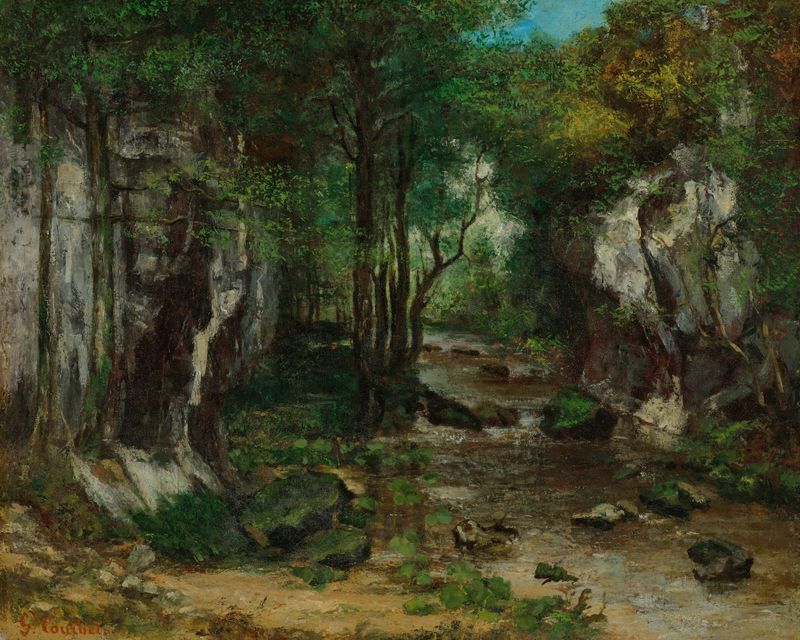
Le Ruisseau de Puits Noir
Gustave Courbet
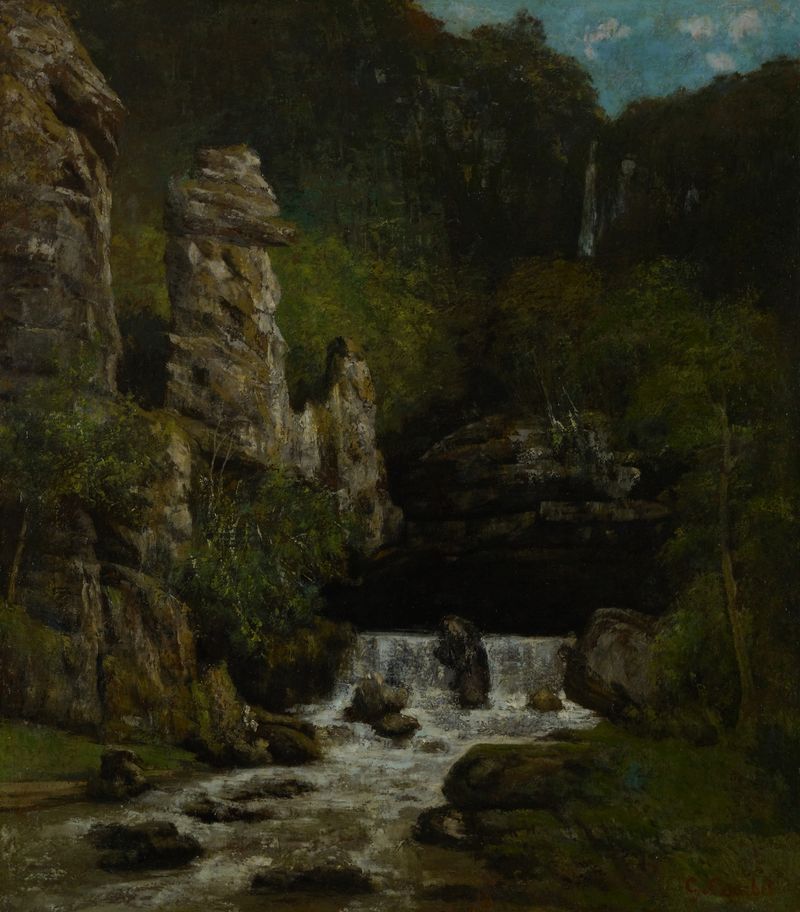
Landscape with a Waterfall
Gustave Courbet





