
Indians Crossing the Columbia River [with Mount Hood in the Distance] — History & Facts
The eye is immediately caught by the golden sky, its radiance spilling across the water and drawing the viewer toward a distant, snow-capped peak—Mount Hood—rising like a silent witness over the Columbia River. At the center, a canoe glides across the glowing surface, its passengers silhouetted in sharp relief against the light. The trees on the left stand in deep shadow, their tangled branches framing the scene and heightening the drama of the open water.
Every element in the composition seems designed to lead the gaze from the quiet, earthy shore to the luminous heart of the painting, where the human journey unfolds beneath the immensity of land and sky. The sail, catching what little wind the dusk offers, becomes a symbol of passage and hope. Painted in 1867, this work belongs to a period when American artists like Albert Bierstadt turned their attention to the vast, still-mysterious landscapes of the West. Such paintings were often created for an audience hungry for images of distant frontiers—collectors, railroad companies, and city dwellers who saw in these scenes both adventure and reassurance.
The painting’s luminous palette and grand scale echo the ambitions of its era, when the land was being mapped, claimed, and mythologized. Today, little is recorded about the specific journey of this canvas, which surfaced at Sotheby’s via MutualArt, but its vision of river, mountain, and sky still invites viewers to imagine what it meant to cross into the unknown.
More Artworks by Albert Bierstadt

A Storm in the Rocky Mountains, Mt. Rosalie
Albert Bierstadt
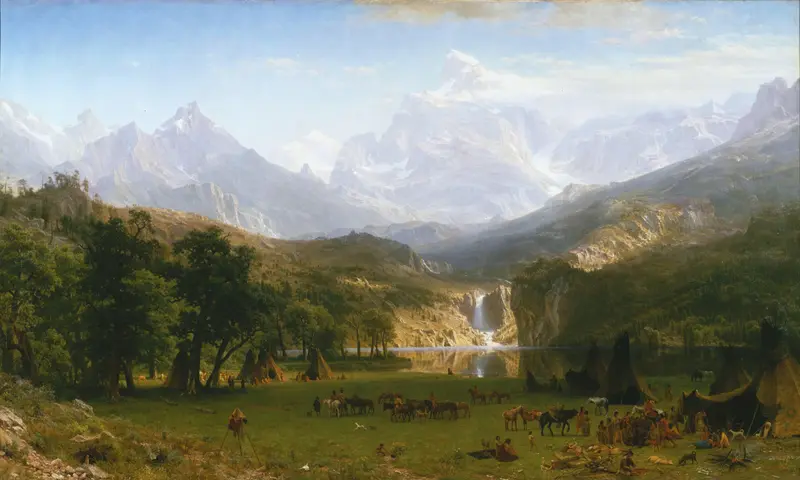
The Rocky Mountains, Lander's Peak
Albert Bierstadt
Niagara from the American Side
Albert Bierstadt
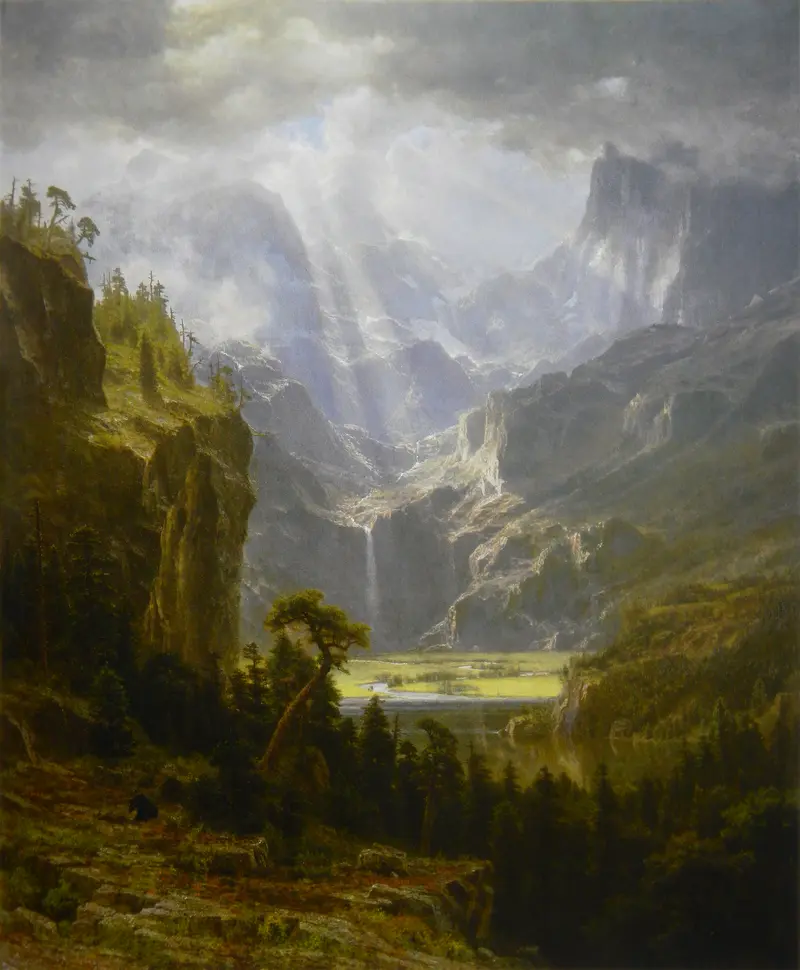
Rocky Mountains, Lander’s Peak
Albert Bierstadt

Valley of the Yosemite
Albert Bierstadt
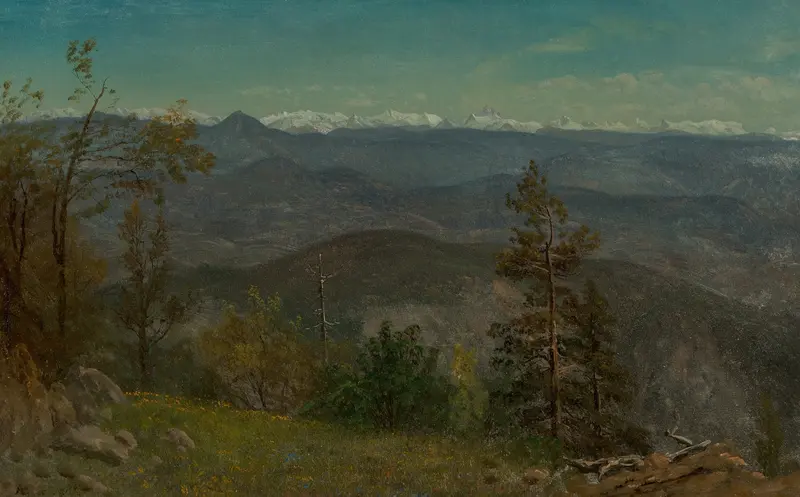
Yosemite Valley, California
Albert Bierstadt
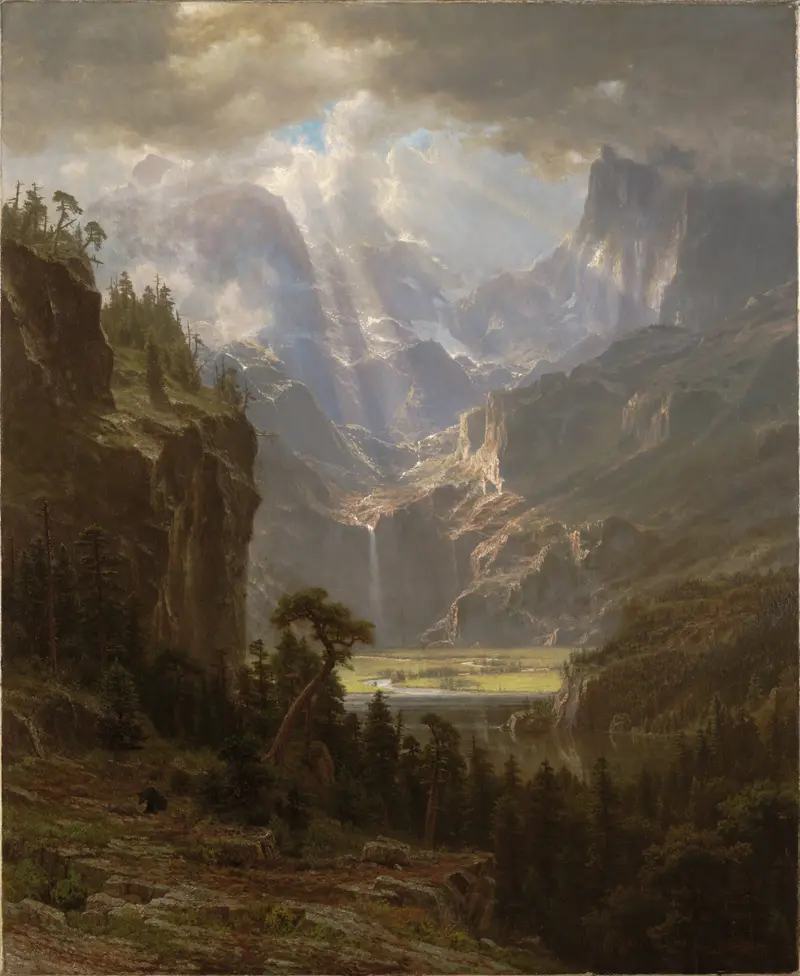
Rocky Mountains, "Lander's Peak"
Albert Bierstadt

Laramie Peak
Albert Bierstadt
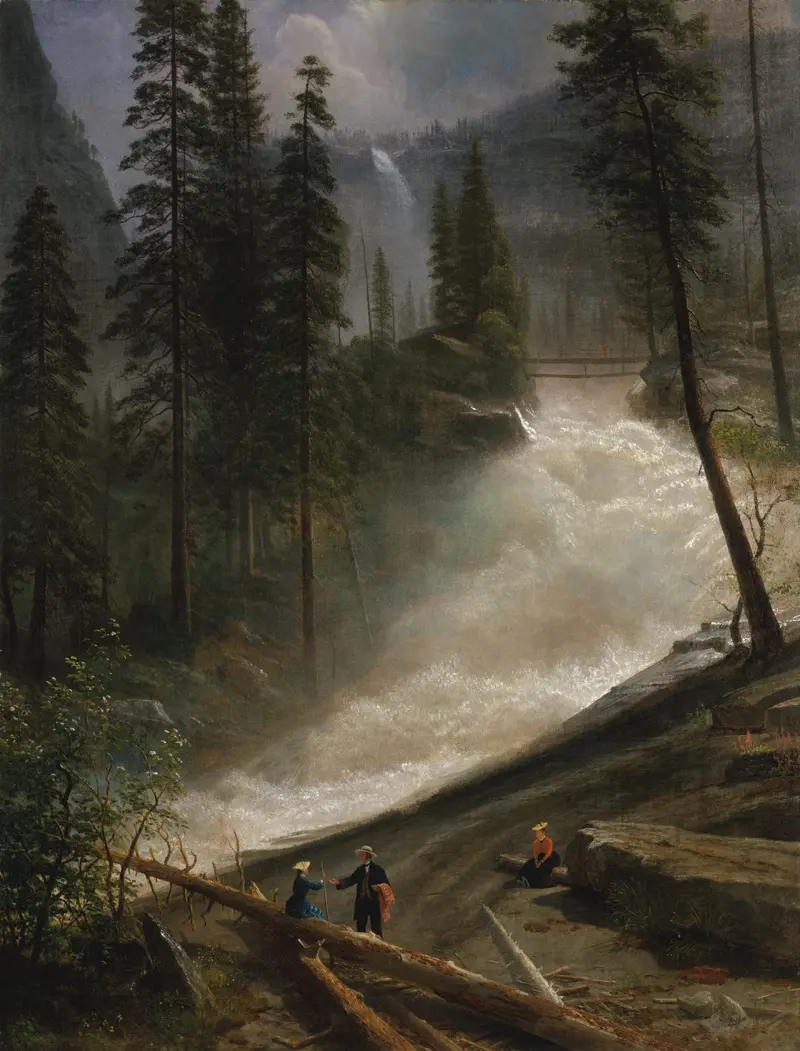
Nevada Falls, Yosemite
Albert Bierstadt
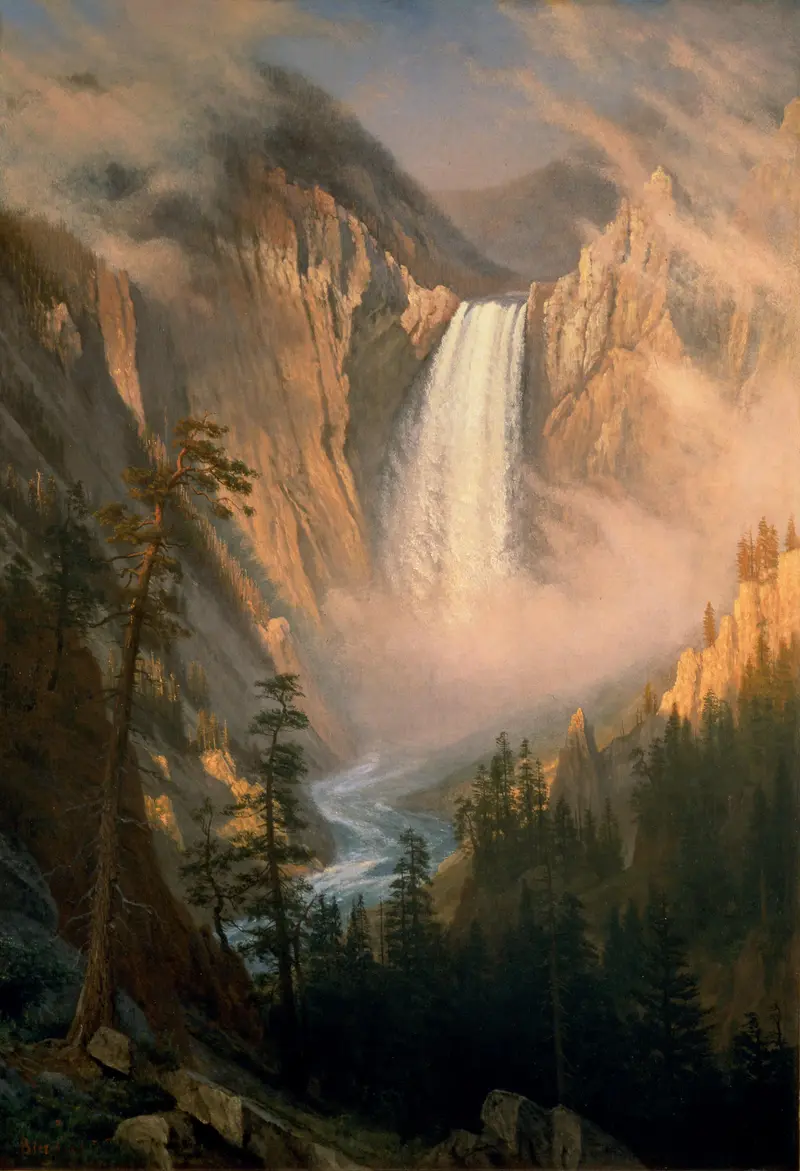
Yellowstone Falls
Albert Bierstadt
More Landscape Art

The Starry Night
Vincent van Gogh

View of Delft
Johannes Vermeer

Water Lilies
Claude Monet

The Grand Canal, Venice, looking north-west from the Ca' Corner to the Ca' Contarini degli Scrigni, with the campanile of Santa Maria della Carità
Canaletto

Windsor Castle
Canaletto

The Grand Canal looking North-East from the Palazzo Dolfin-Manin to the Rialto Bridge
Canaletto