
Inneres des Stephansdoms mit Pilgramkanzel — History & Facts
Where does light end, and longing begin? In the heart of a cathedral, shadows cling to the walls, whispering secrets of devotion and solitude. Focus on the intricate details of the pulpit at the center, its ornate carvings stretching skyward, inviting you to explore the spiritual depths of the space. Notice how the light filters through the stained glass, casting brilliant hues that dance on the stone floor, creating a vivid contrast with the cool, muted tones of the architecture. The careful brushwork captures both the majesty of the structure and the gentle embrace of reverence, drawing the viewer into a meditative state. The interplay of light and shadow speaks volumes; the bright colors of the glass symbolize hope and faith, while the enveloping darkness hints at the void of despair and uncertainty.
Each element within the painting reflects a dichotomy — the grandeur of the cathedral juxtaposed with the solitude of the worshippers. This emotional tension resonates, prompting reflections on the duality of existence and the search for meaning in sacred spaces. Richard Moser created this piece during a time when the artistic focus was shifting towards capturing the spiritual and ethereal qualities of spaces rather than mere representation. Little is known about the exact date of creation, but it is believed to have been painted in the early 20th century, amidst a backdrop of changing artistic ideologies and a growing interest in the emotional resonance of architecture.
As Moser navigated this evolving landscape, Inneres des Stephansdoms mit Pilgramkanzel stands as a testament to his exploration of both light and the human condition.
More Artworks by Richard Moser
Browse all →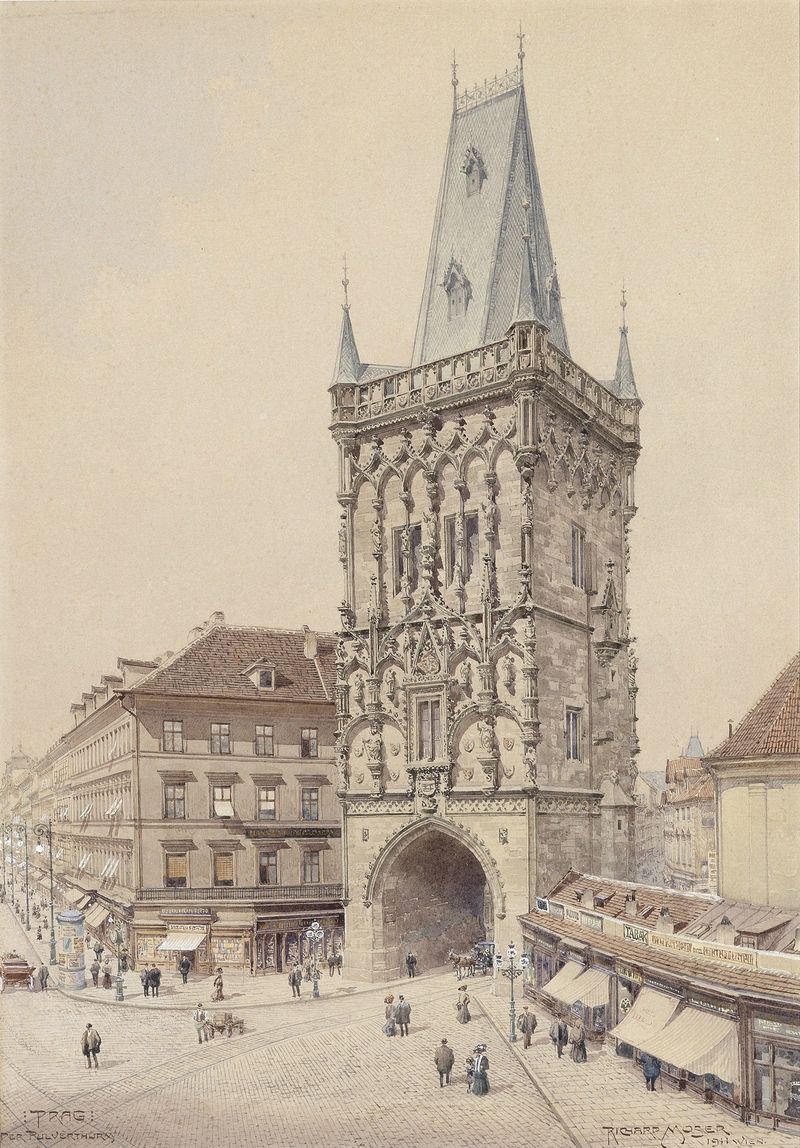
Prag Pulverturm
Richard Moser
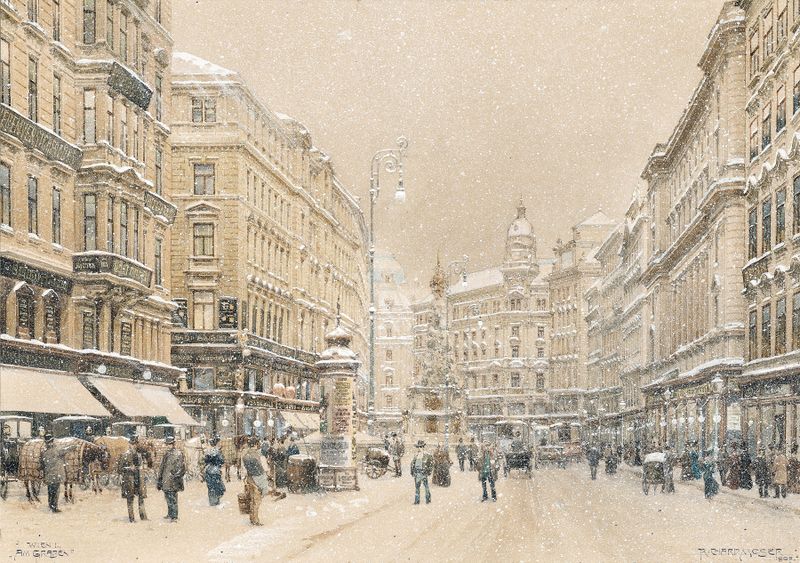
Graben in Vienna at snow flurry
Richard Moser

Wien Am Hof
Richard Moser

Stephansdom Pilgramkanzel
Richard Moser

A view of the church and monastery of the Visitation of the Virgin (church of the Salesian sisters) a gardener in the foreground
Richard Moser

Die Jubiläumsausstellung in Wien 1898; Pavillion der Stadt Wien
Richard Moser
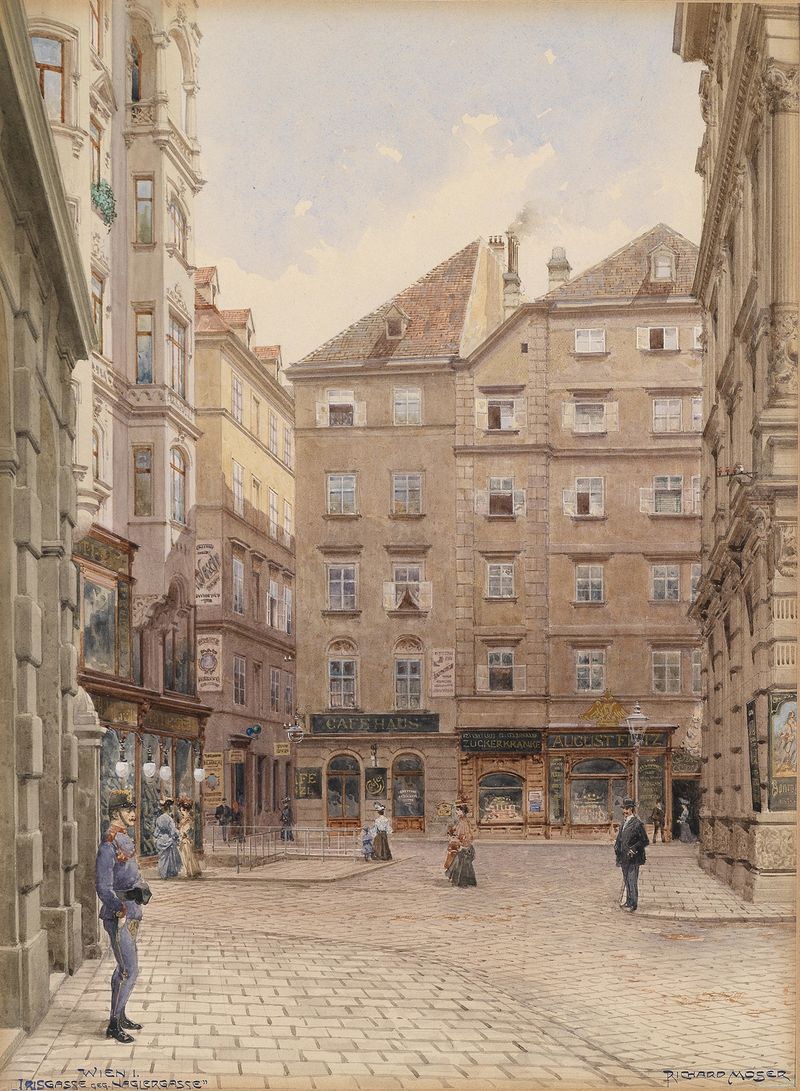
Wien Irisgasse gegen Naglergasse
Richard Moser
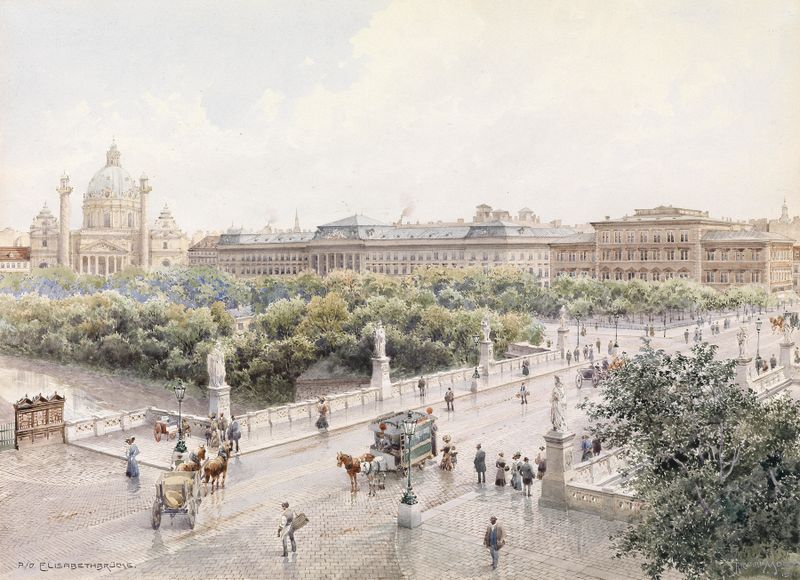
Wien Elisabethbrücke
Richard Moser
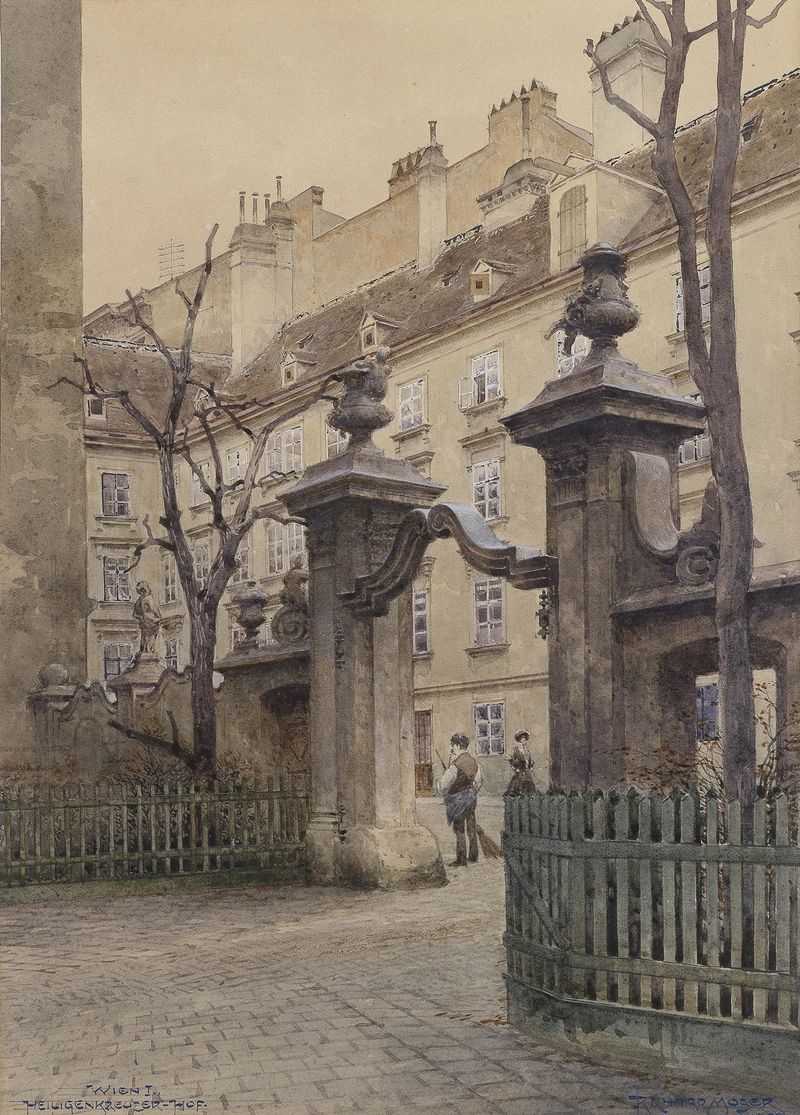
Heiligenkreuzerhof in Wien
Richard Moser
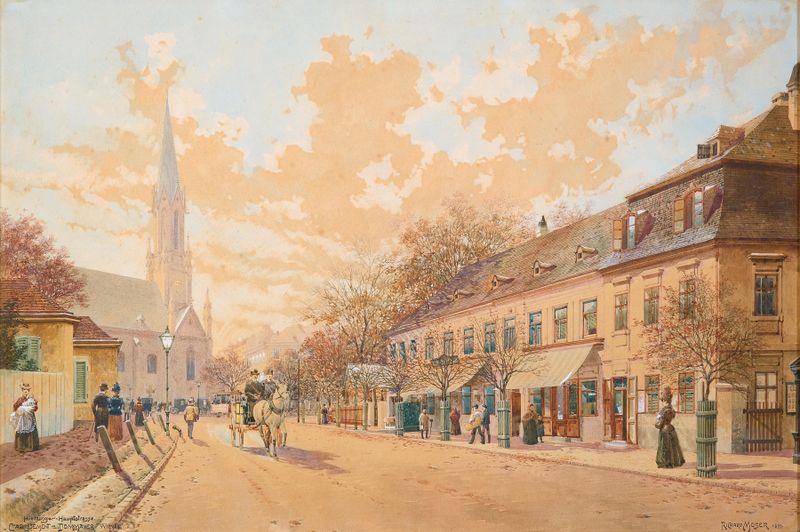
Hietzinger Hauptstrasse
Richard Moser





