Inro — History & Facts
Time, in its relentless flow, reshapes our understanding of beauty, manifesting in the delicate strokes of artistry. Look closely at the intricate patterns that swirl across the surface of this exquisite Inro. The interlacing designs invite your gaze, each line meticulously crafted, revealing a world of movement and life within the confines of lacquer. Notice how the colors—rich golds juxtaposed with deep blacks—create a vibrant contrast that draws attention to the focal point, encouraging a deeper exploration of every layer and detail. This artwork speaks of more than mere aesthetics; it captures the transient nature of moments, crafted into something permanent.
The motifs suggest the passage of seasons, the cycle of time, and the interplay of fleeting thoughts and lasting impressions. Each element reflects a balance between chaos and harmony, urging the viewer to ponder the essence of existence and the beauty inherent in impermanence. Created between 1775 and 1800, the Inro emerged during a period of artistic growth in Japan. It reflects the Edo period's fascination with refinement and craftsmanship.
The unknown artist was part of a culture that sought to elevate everyday objects into realms of art, showcasing both skill and a deep appreciation for the ephemeral nature of beauty. This era marked a crucial point in the evolution of Japanese aesthetics, blending tradition with innovation.
More Artworks by Unknown Artist
Browse all →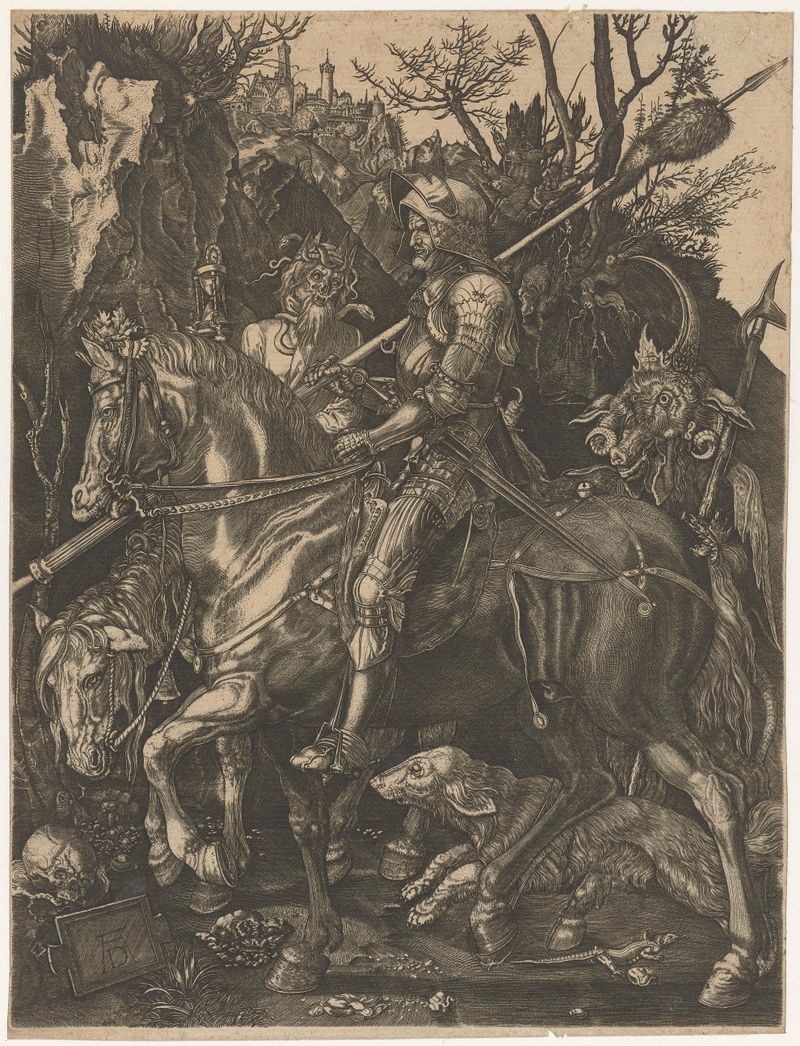
Ridder, Dood en Duivel
Unknown Artist
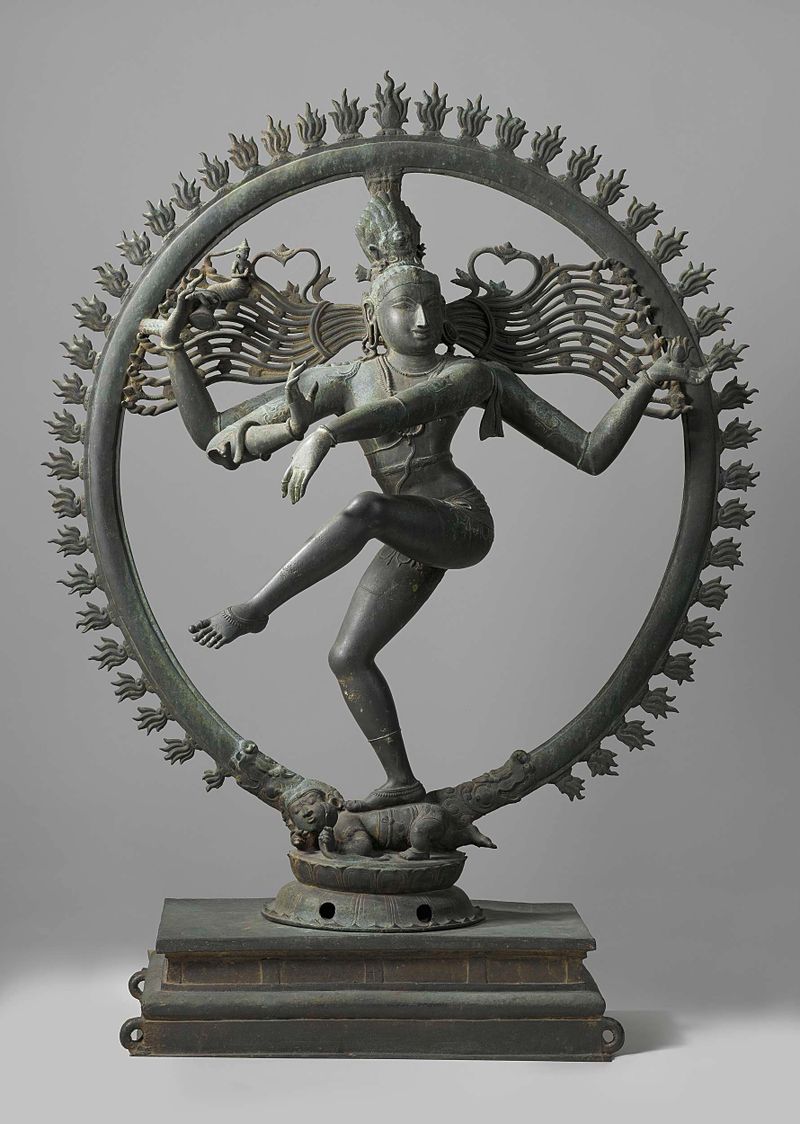
Shiva Nataraja
Unknown Artist
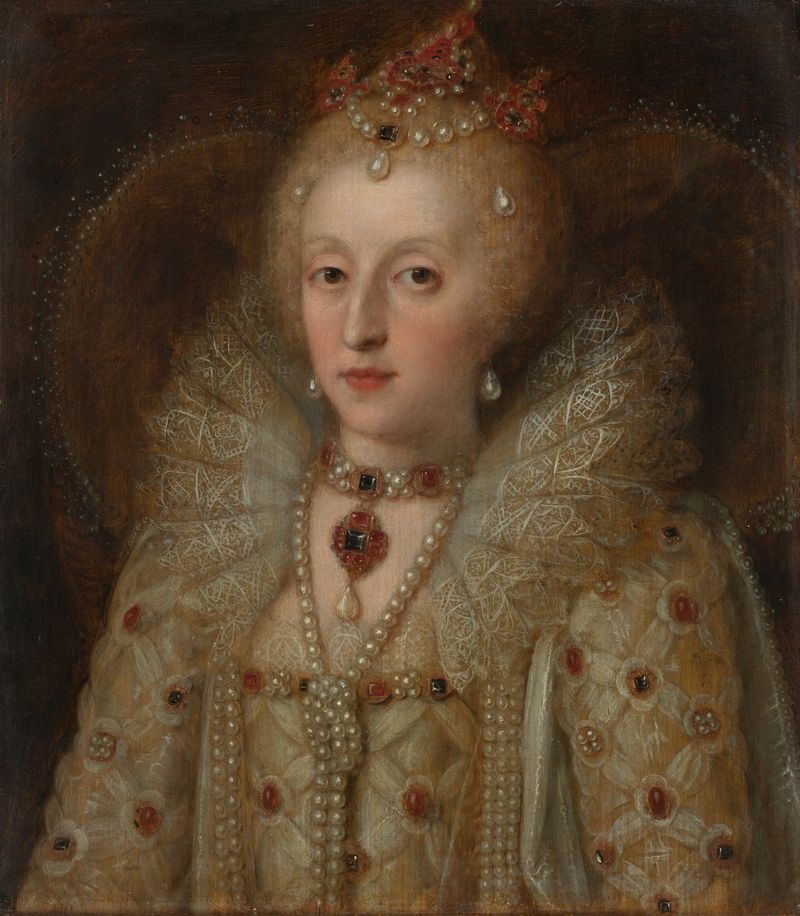
Portrait of Elizabeth I, Queen of England
Unknown Artist
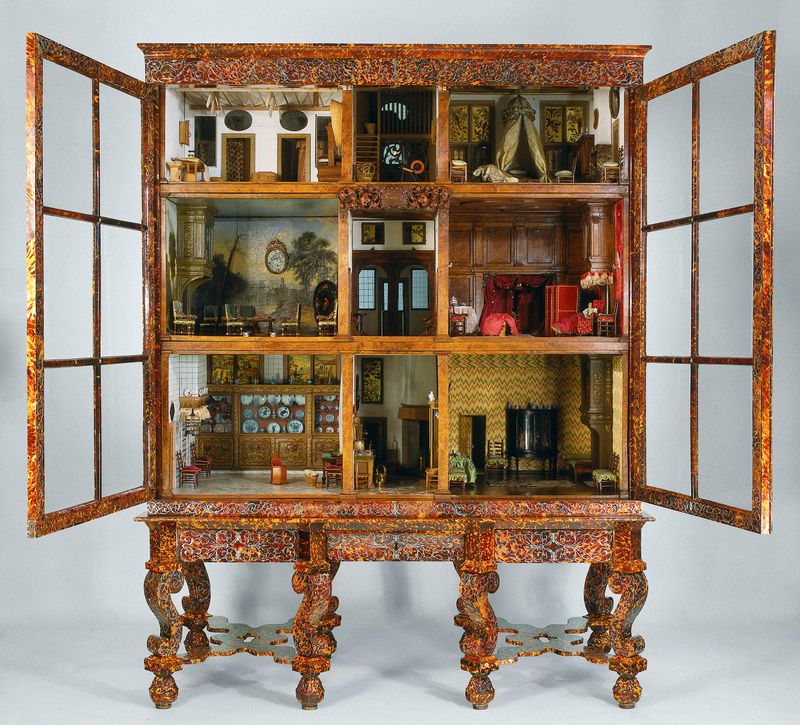
Dolls’ house of Petronella Oortman
Unknown Artist
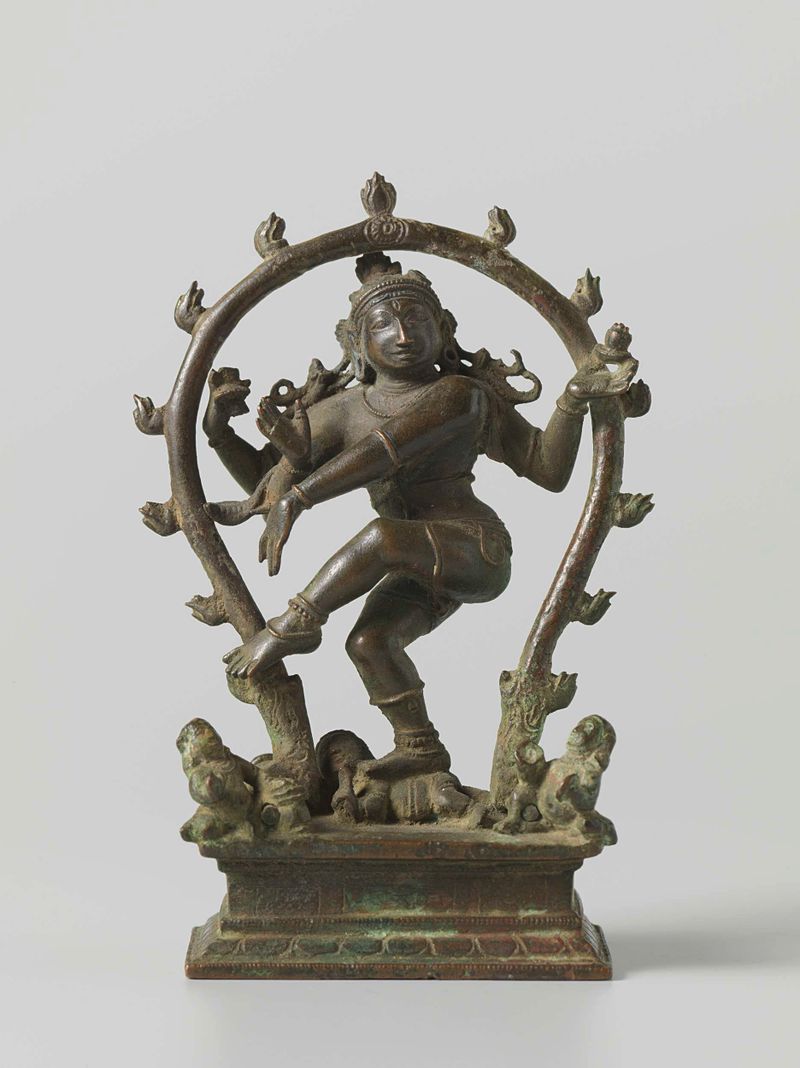
Shiva Nataraja
Unknown Artist

The Tale of Genji
Unknown Artist

The Tale of Genji
Unknown Artist

Cong
Unknown Artist
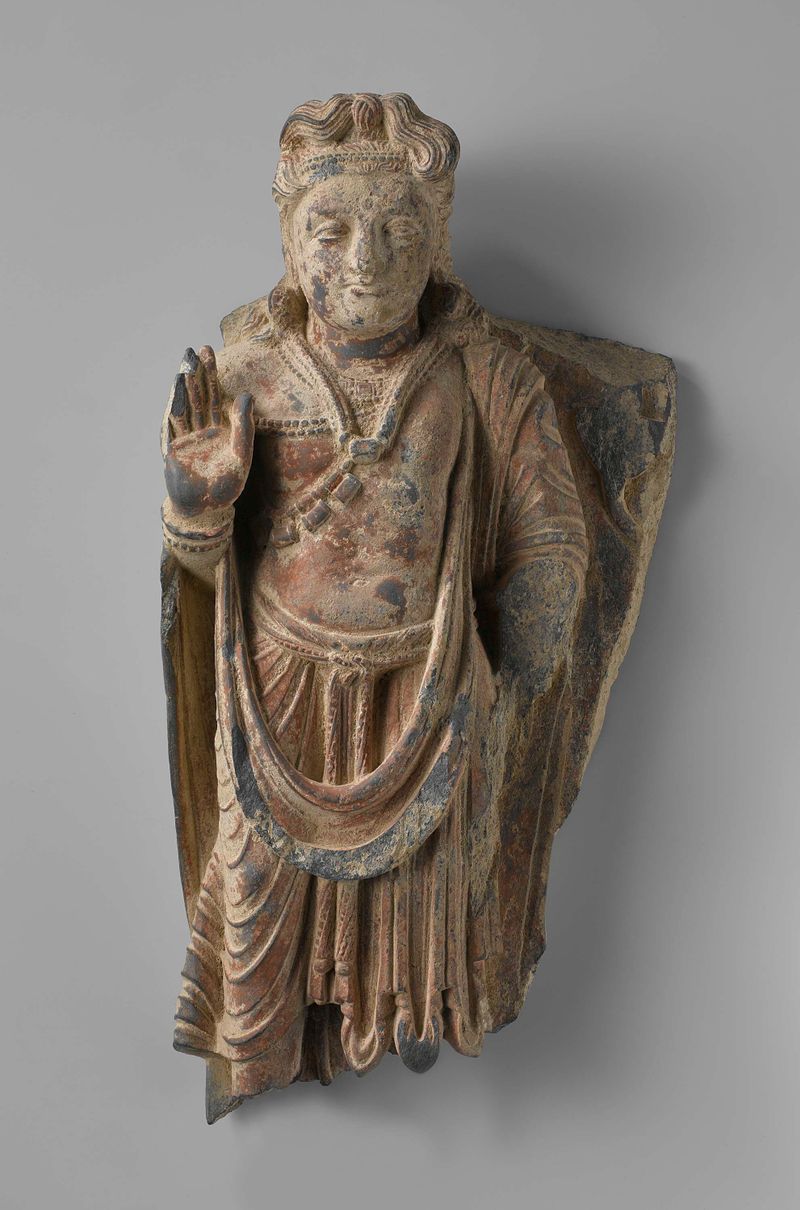
The bodhisattva Maitreya
Unknown Artist

Teabowl with a 'hare's fur' glaze
Unknown Artist