
Intérieur de la mosquée de Cordoue, , Musée Goya — History & Facts
A hush settles over the vast interior, pierced only by the silent conversation of architecture and light. Your gaze is drawn first to the forest of columns, their green shafts and ornate capitals receding into shadow, then to the monumental pulpit that interrupts the rhythm—its intricate carvings a testament to centuries of hands and faiths. In the foreground, small human figures gather in quiet groups, dwarfed by the scale of the arches above, their presence both grounding and fleeting.
The light, filtered and golden, slides across the cool stone floor, guiding the eye deeper into the endless, echoing naves. Here, the grandeur of the mosque is not just in its size but in the way it enfolds daily life, turning every visitor into a participant in its long story. Painted in 1860 by Adrien Dauzats, this view belongs to a moment when European artists were captivated by the architecture and atmosphere of Moorish Spain. Such works, often commissioned by collectors hungry for the romance of the Orient, blend documentary precision with a sense of reverent awe.
The Intérieur de la mosquée de Cordoue stands as a window onto both a real place and a 19th-century fascination: the interplay of cultures, the endurance of stone, the everyday drama of people passing through history’s monuments. Little is recorded about the journey of this specific canvas, now in the Musée Goya, but its quiet grandeur invites us to linger, to follow the light and lose ourselves in the arches.
More Artworks by Adrien Dauzats

La Giralda de Séville Musée du Louvre Peintures INV 3686 ; LP
Adrien Dauzats
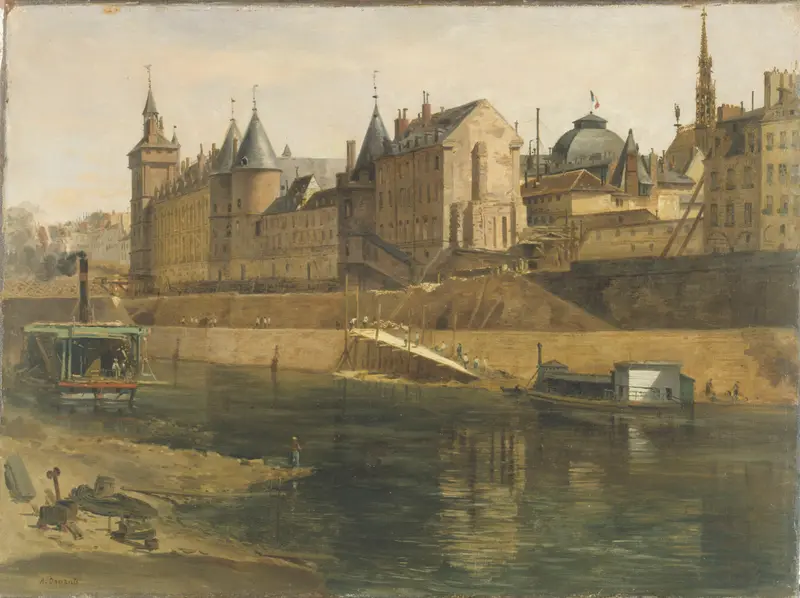
La Conciergerie pendant les travaux de reconstruction du Palais de Justice
Adrien Dauzats
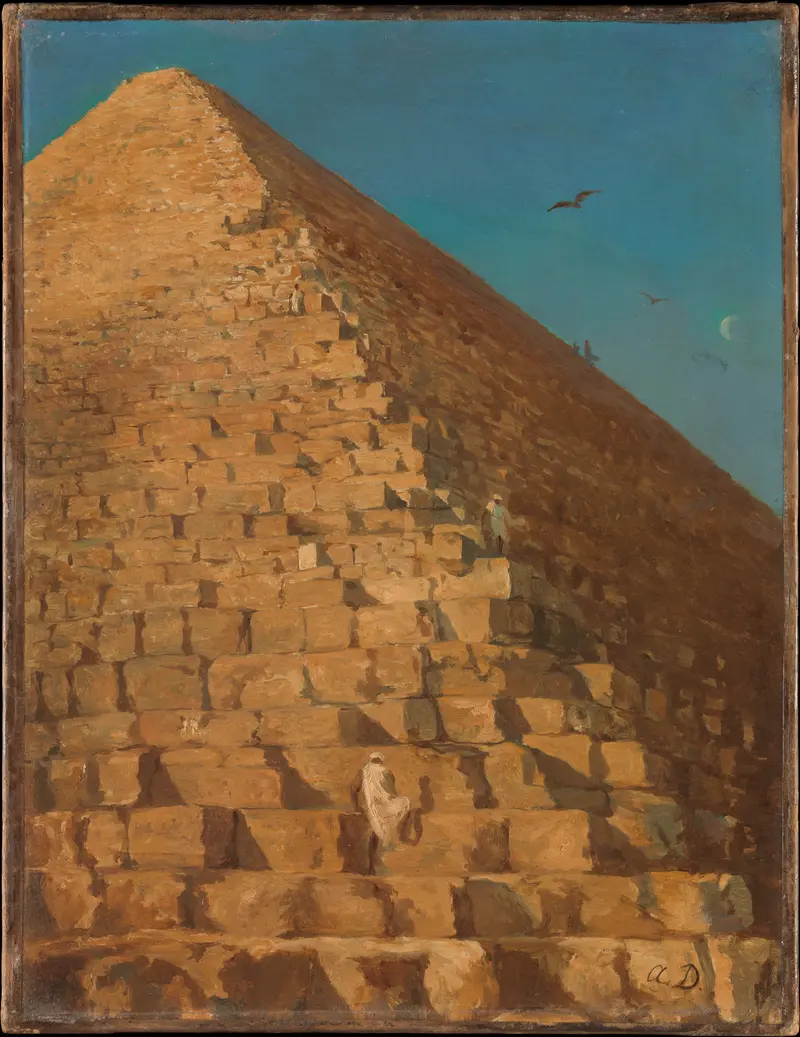
The Great Pyramid, Giza
Adrien Dauzats
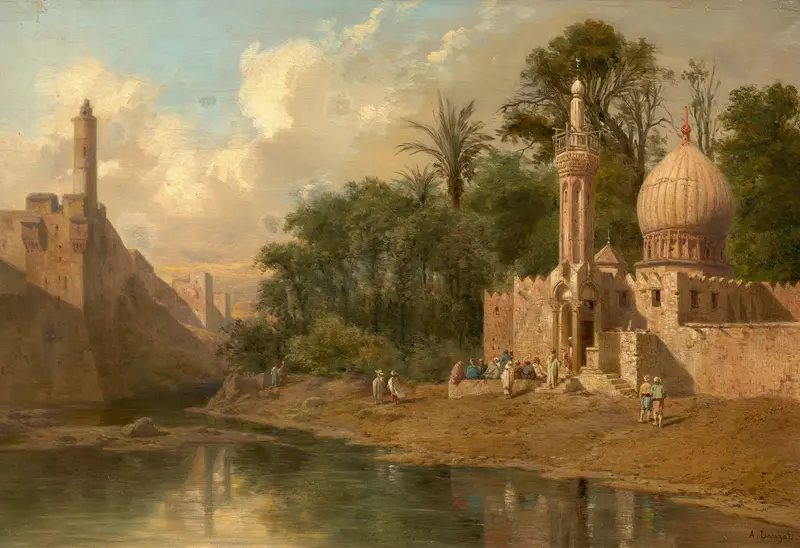
Vue de monuments, probablement au Caire
Adrien Dauzats
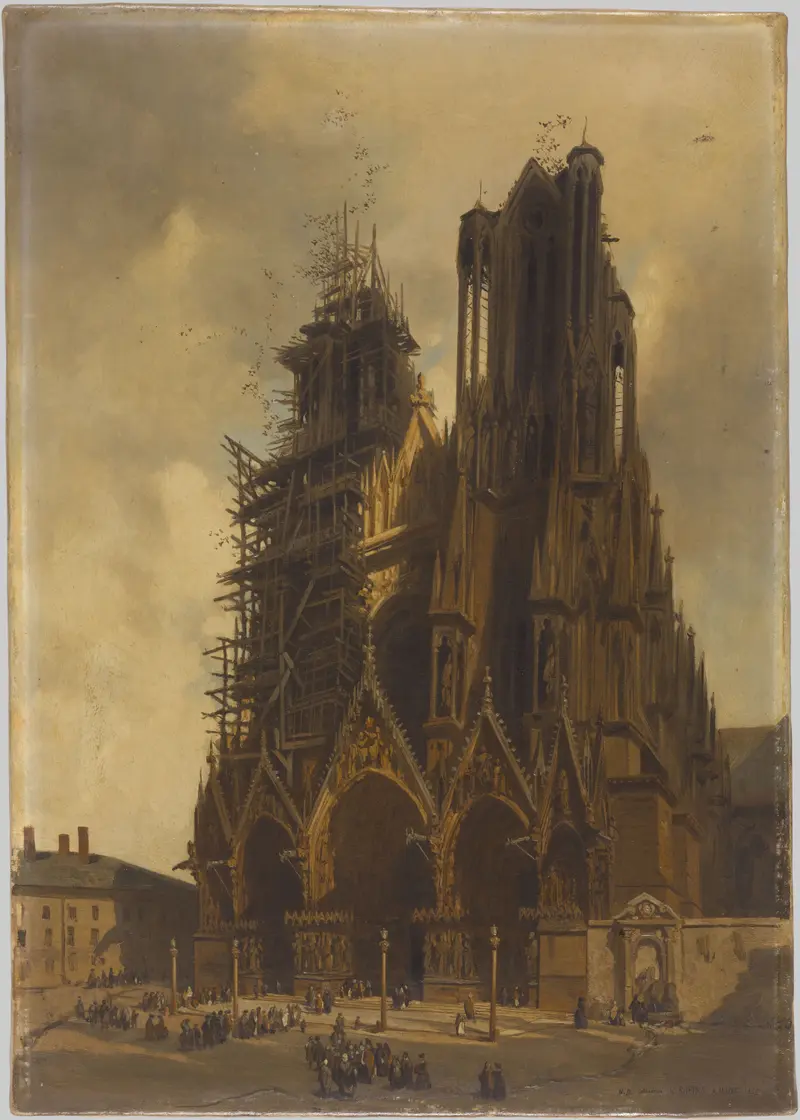
La Cathédrale de Reims
Adrien Dauzats
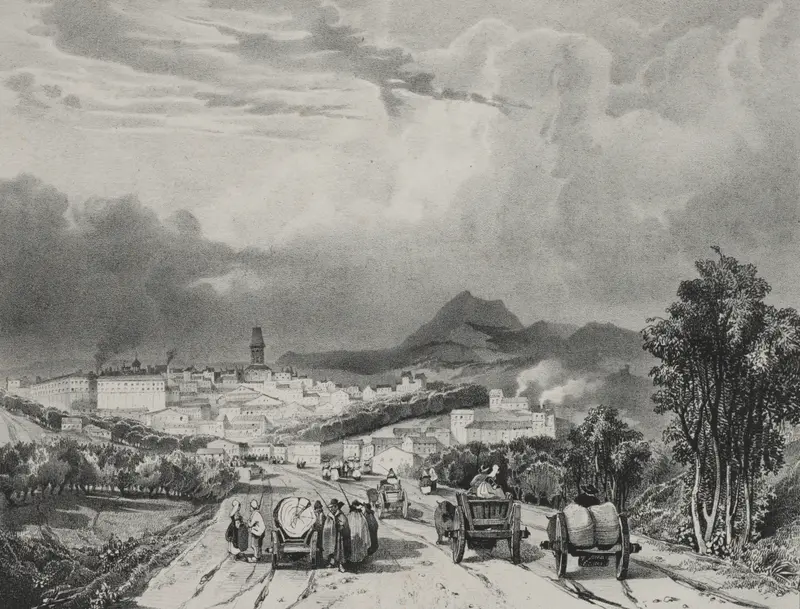
Vue generale de Riom, Auvergne
Adrien Dauzats
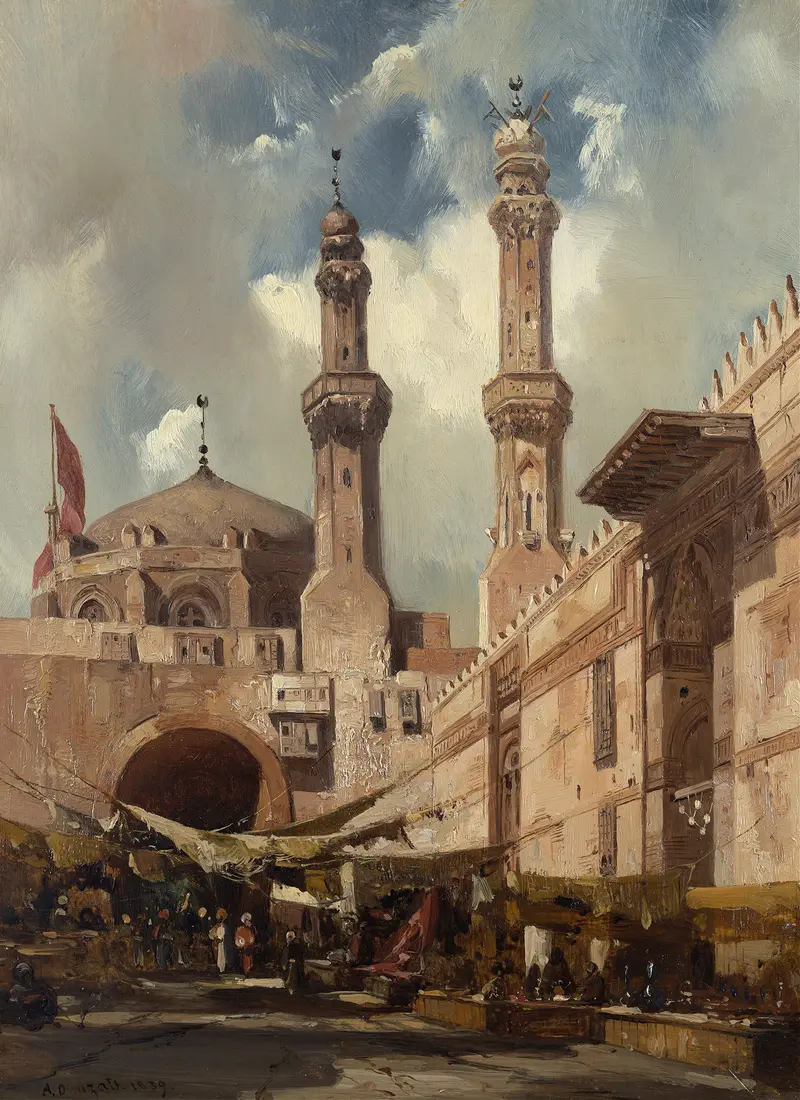
A Cairo Bazaar
Adrien Dauzats
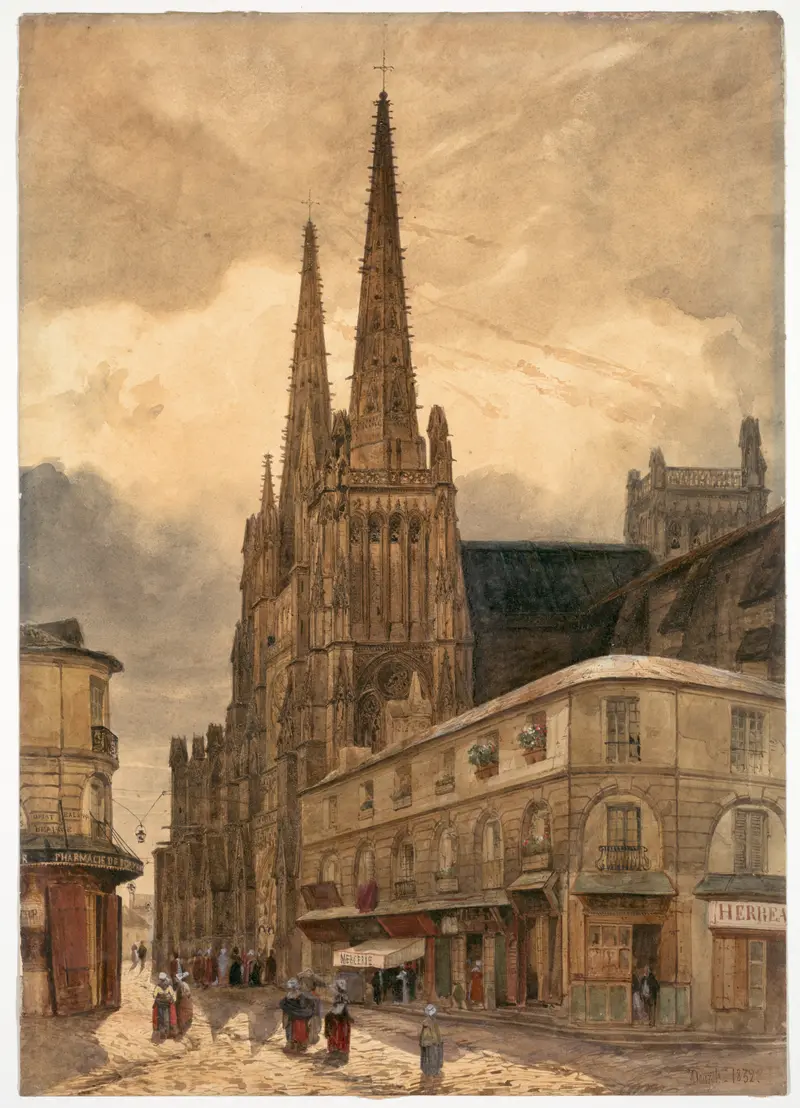
Cathédrale Sainte-André de Bordeaux
Adrien Dauzats
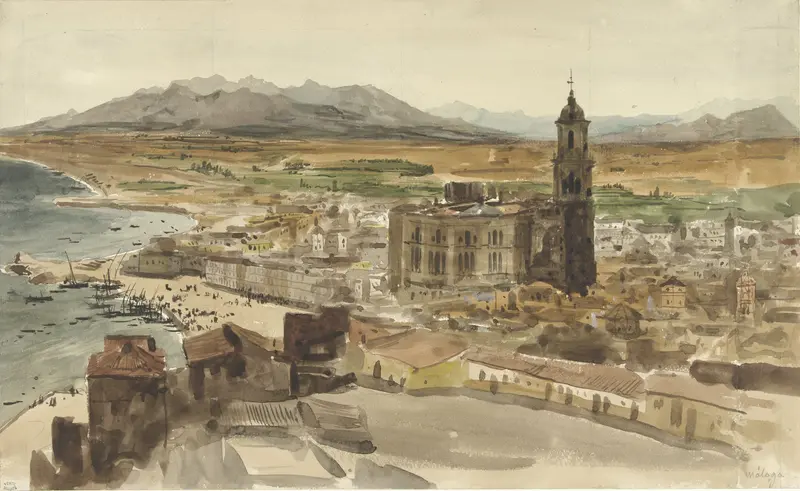
Gezicht op Malaga vanuit het Noorden
Adrien Dauzats
Ruined Church
Adrien Dauzats





