Interieur van de kathedraal te Lincoln — History & Facts
When did color learn to lie? In a world where light dances through stained glass, the heart may grieve beneath the brilliance. Focus your gaze on the intricate details of this cathedral interior. Notice how the towering arches draw your eyes upward, creating an almost ethereal connection between the earthly and the divine. The soft interplay of light and shadow caresses the stone walls, illuminating the solemnity of the space while leaving corners in deep, contemplative darkness.
Hollar’s meticulous lines invite you to explore each crevice, revealing the craftsmanship and devotion poured into this sacred architecture. Amidst the grandeur, there is a palpable tension between the sacred and the sorrowful. The vibrant hues of the stained glass seem to shimmer with life, yet they cast fleeting shadows of grief across the cold stone floor. Each beam of light is a reminder of the beauty that often masks deeper emotional layers — loss, longing, and the passage of time.
It’s as if the cathedral itself is mourning, echoing the lives of those who have walked its aisles, leaving whispers of their stories in the air. In 1672, Wenceslaus Hollar created this piece during a time of personal and societal transition. Living in England after fleeing the Thirty Years' War, Hollar was deeply influenced by the Baroque style and the shifting artistic landscape around him. The painting captures both the majesty of ecclesiastical architecture and the artist's introspection, reflecting the tumult of his life while he sought solace in the beauty of the world around him.
More Artworks by Wenceslaus Hollar
Browse all →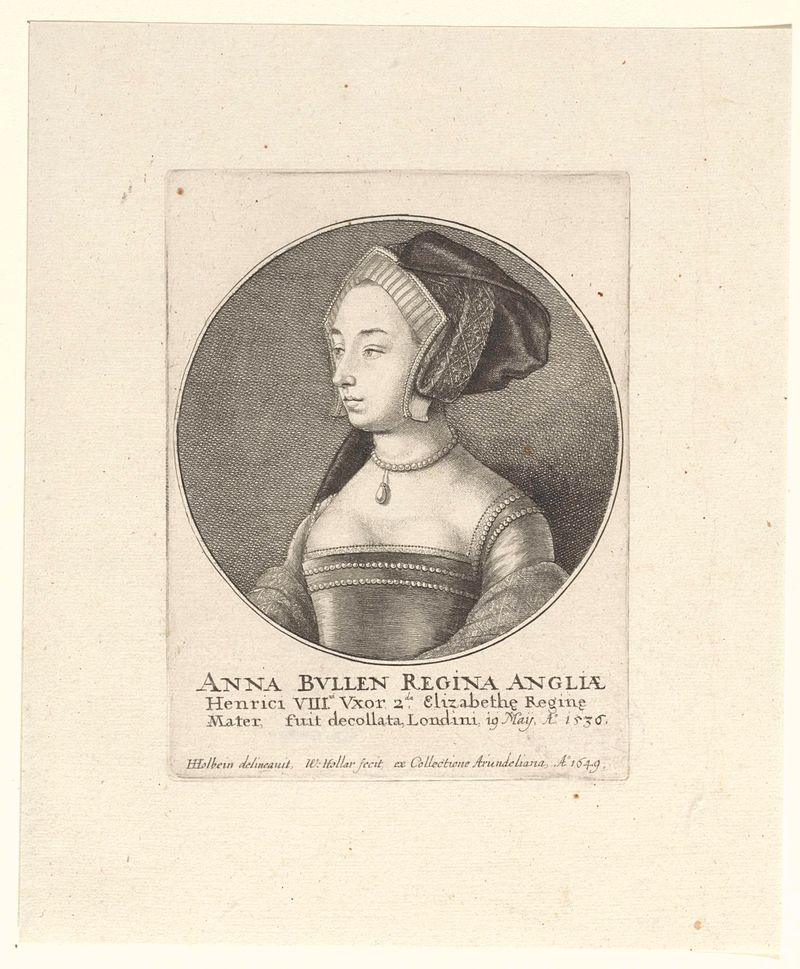
Portret van Anna Boleyn, koningin van Engeland
Wenceslaus Hollar
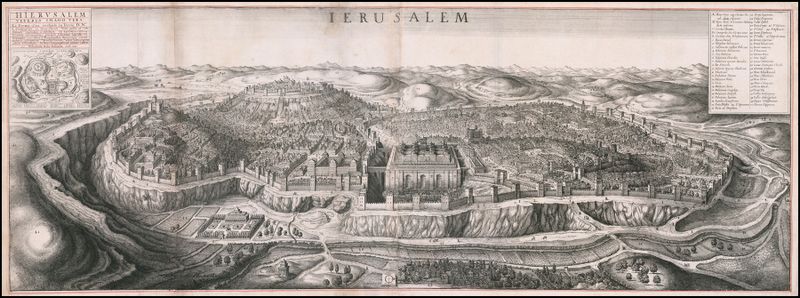
Bird’s eye view of Jerusalem
Wenceslaus Hollar
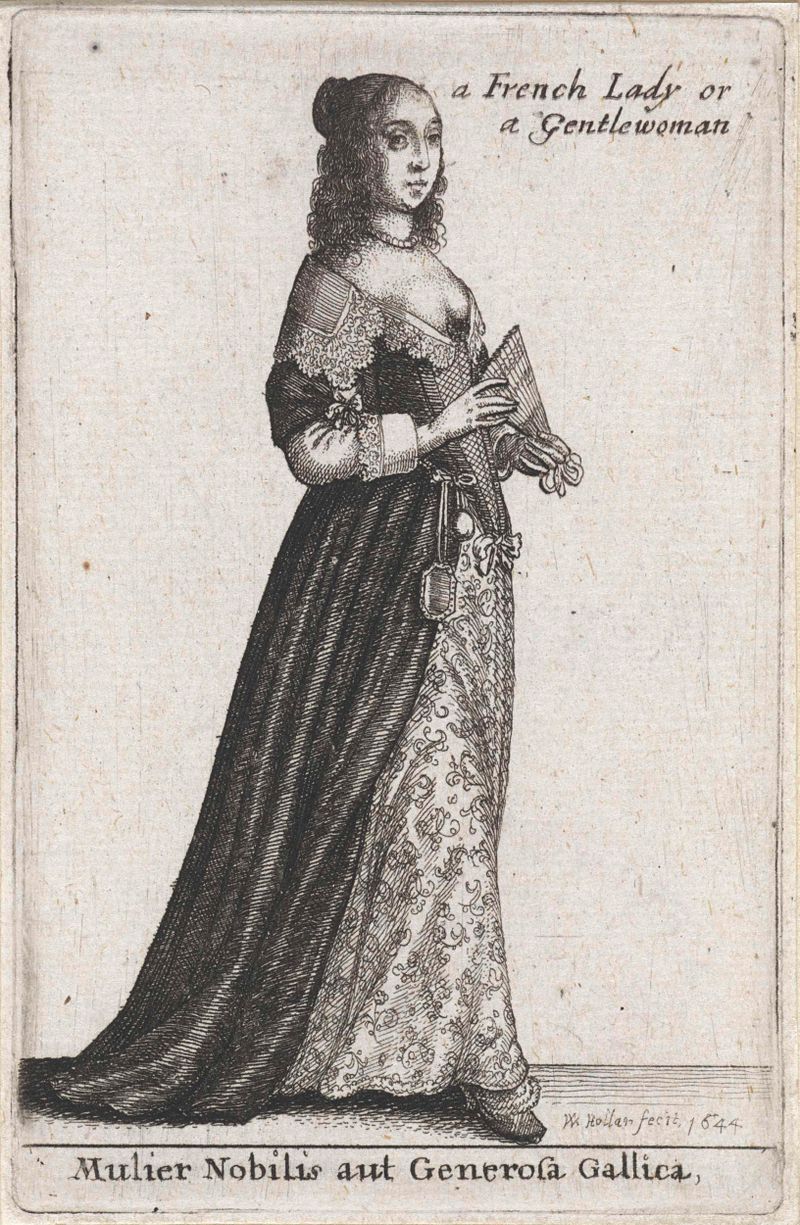
Mulier Nobilis aut Generosa Gallica / a French Lady or Gentlewoman
Wenceslaus Hollar
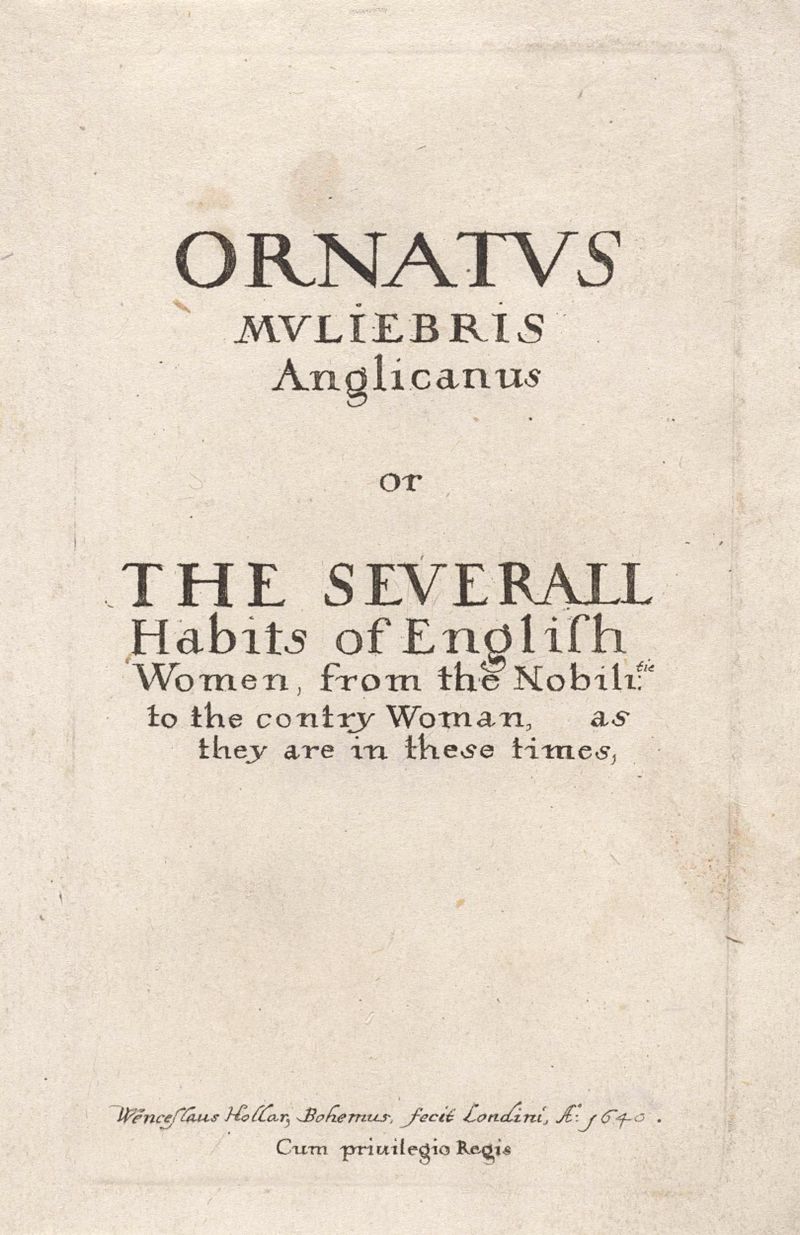
Titelprent voor: Ornatus Muliebris Anglicanus
Wenceslaus Hollar
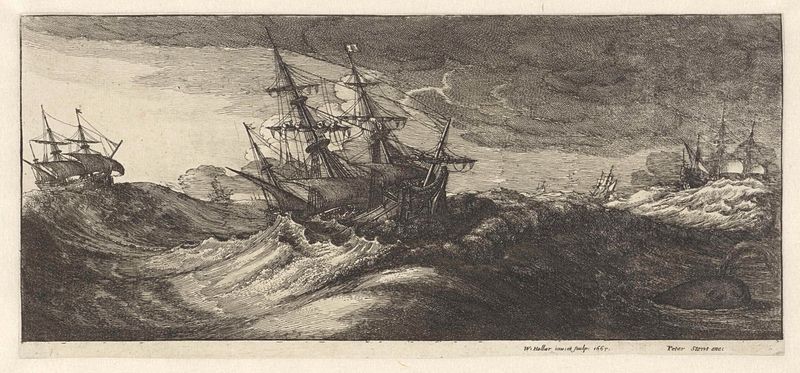
Oorlogsschepen en een walvis in een zeestorm
Wenceslaus Hollar
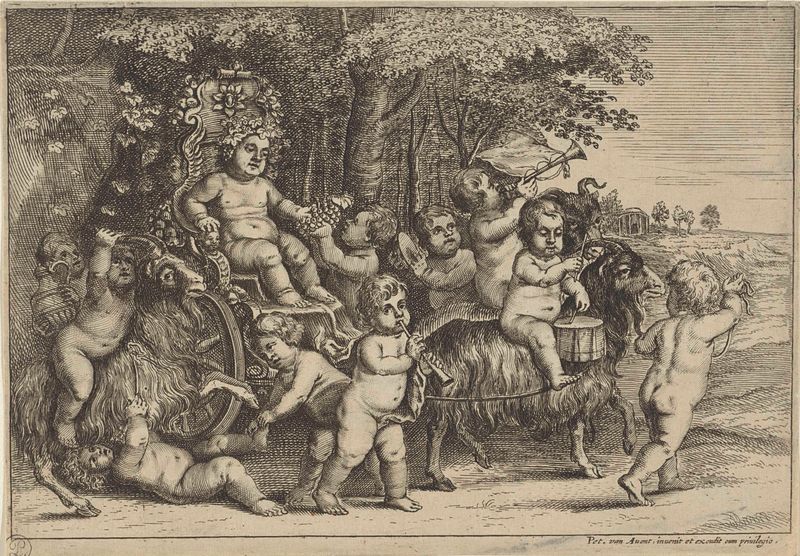
Optocht van bacchant en jongetjes op geiten
Wenceslaus Hollar
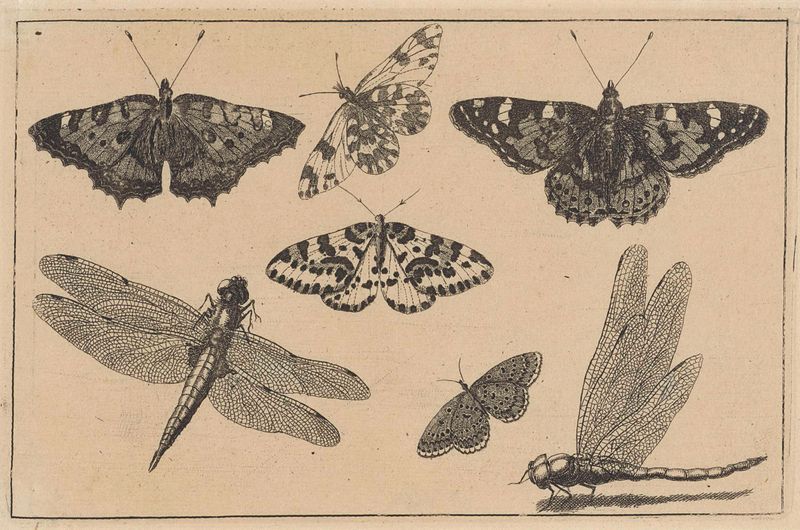
Twee libellen en vijf vlinders
Wenceslaus Hollar
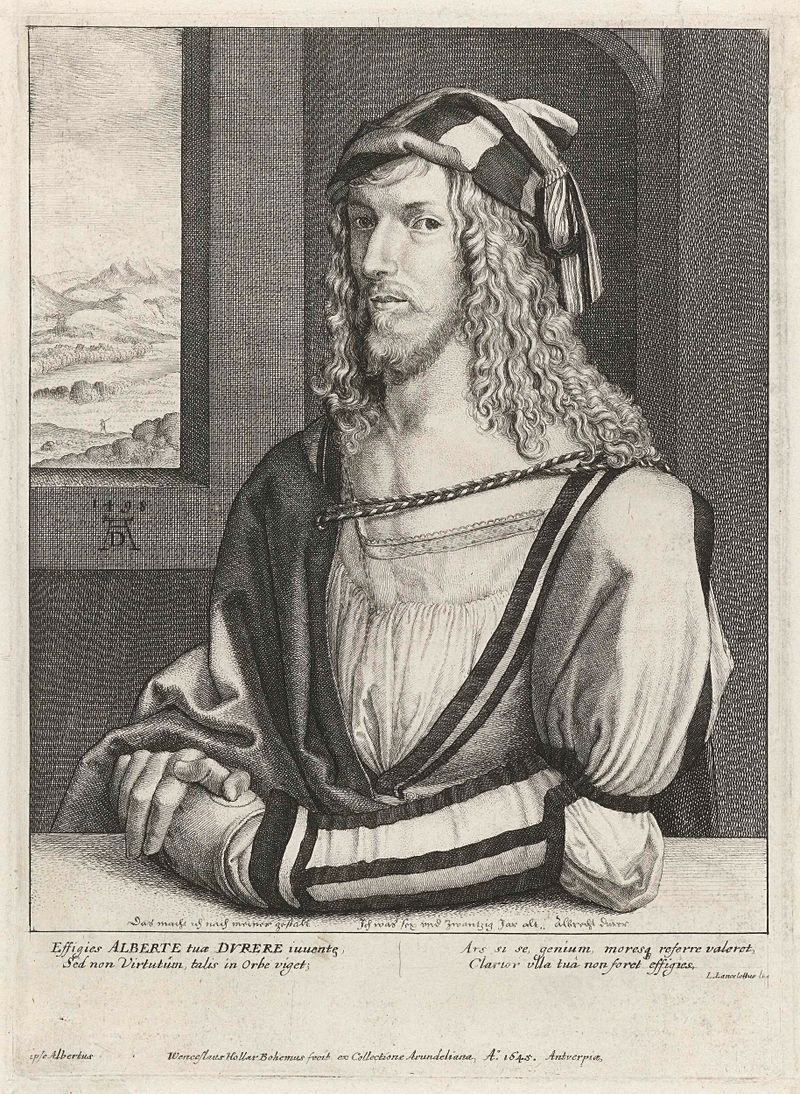
Portret van Albrecht Dürer
Wenceslaus Hollar
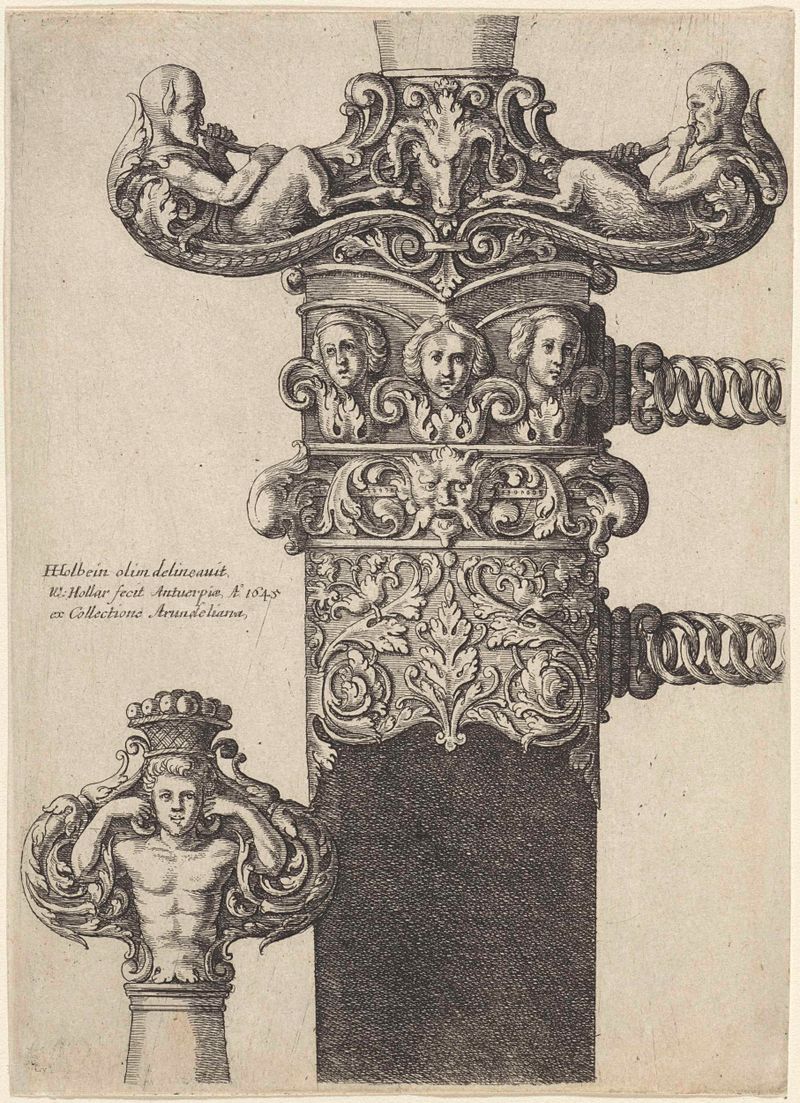
Ornamenteel ontwerp voor een dolk
Wenceslaus Hollar
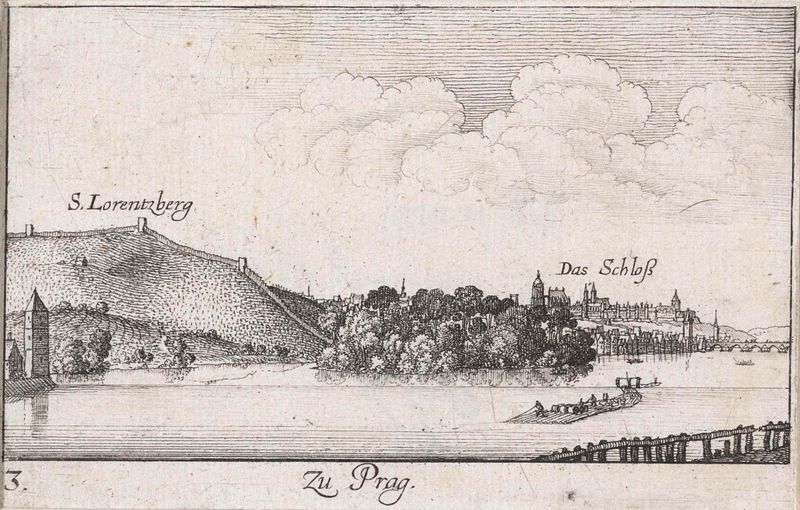
Gezicht op Praag vanaf de Moldau
Wenceslaus Hollar