Interior of a Palace — History & Facts
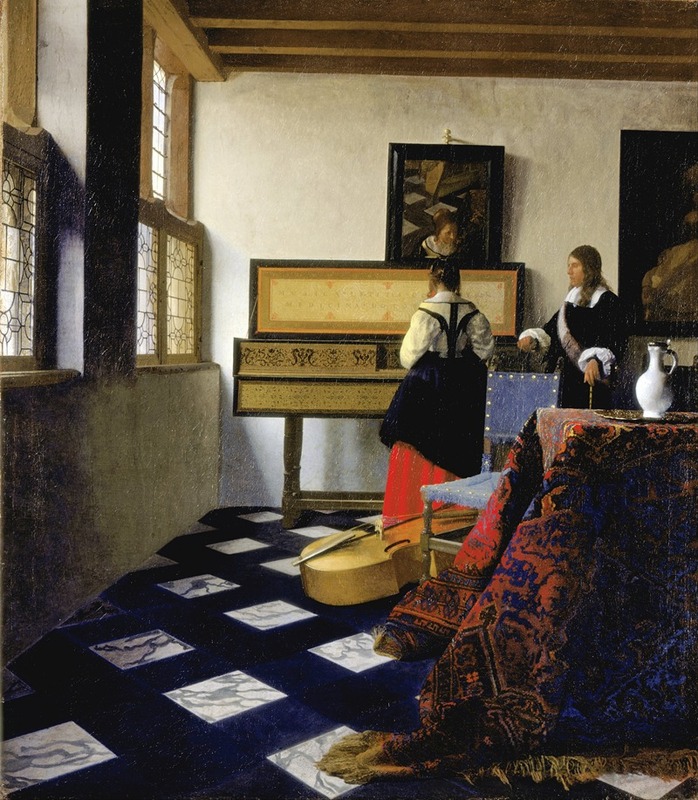
Can beauty exist without sorrow? In the delicate strokes and soft colors of François Stroobant's Interior of a Palace, memory whispers through the ornate spaces, inviting contemplation on the paradox of opulence intertwined with the passage of time. Look to the center of the painting where light cascades through grand windows, illuminating the intricate details of gilded moldings and elegant furnishings. Notice how the rich hues of deep reds and golds invoke a sense of warmth yet simultaneously cast a shadow of emptiness within the plush room. The composition draws you in, guiding the eye from the lavish ceiling down to the meticulously arranged furniture, each element a testament to both luxury and the weight of nostalgia. Within this opulent setting, contrasts emerge—between light and shadow, presence and absence.
The absence of figures evokes a haunting solitude, prompting the viewer to reflect on the stories that have unfolded within these walls. The echo of laughter and the rustle of silk seem to linger in the air, creating a palpable tension between the beauty of the space and its potential for sorrow, a reminder that every grand moment is often overshadowed by loss. In 1870, as Stroobant painted this piece, he found himself in a period marked by shifting artistic movements and the decline of traditional patronage. Working in Paris, he was influenced by the evolving tastes of the time, favoring an intimate portrayal of interiors that were rich in narrative yet imbued with melancholy.
This artwork captures a moment where personal memory meets the grandeur of the past, reflecting the artist's own journey through the changing landscape of culture and art.
More Artworks by François Stroobant
Browse all →
Interior of the church of Notre Dame du Sablon at Brussels
François Stroobant
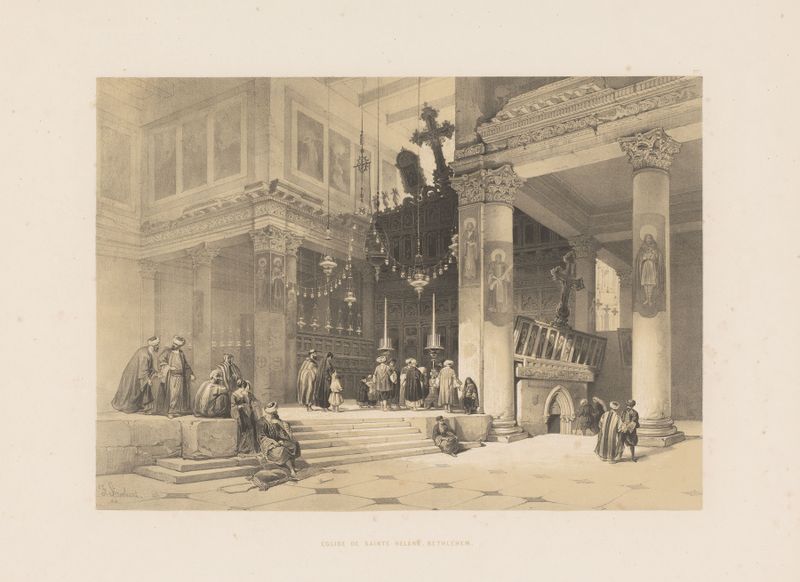
Église de sainte Hélène. Bethléhem
François Stroobant
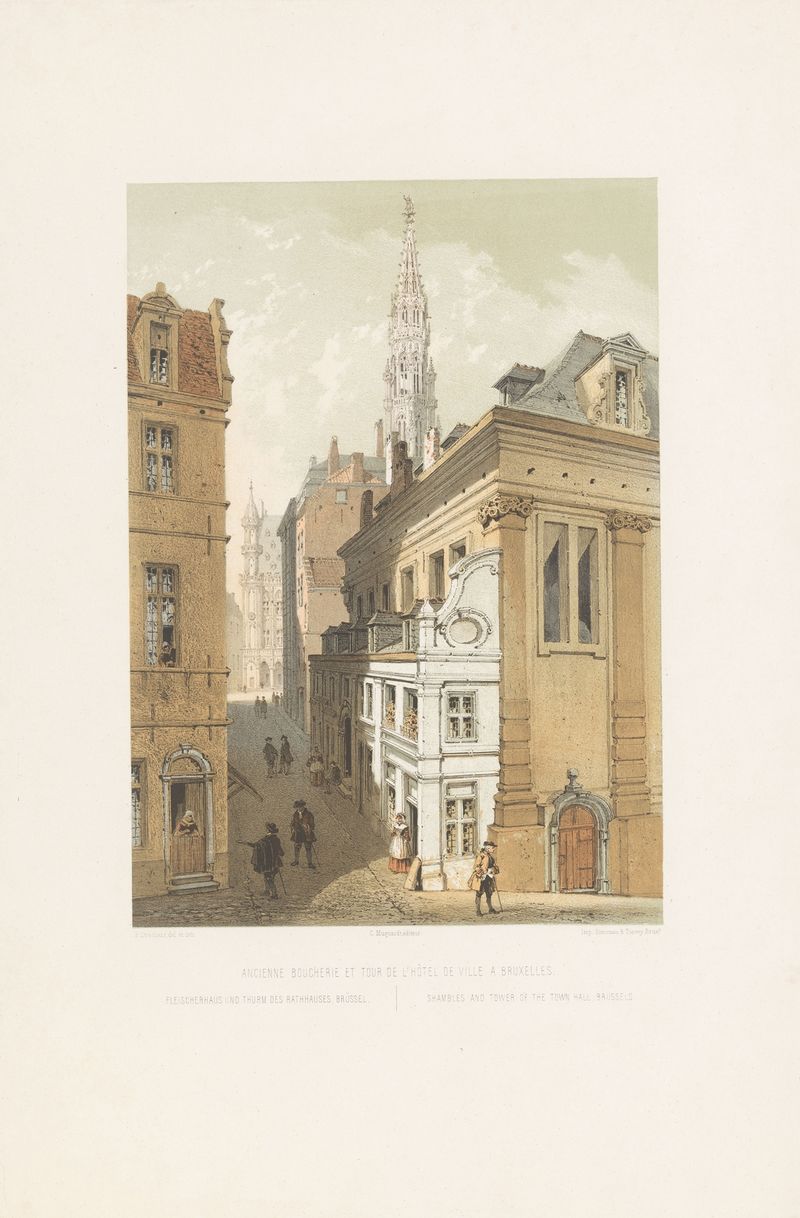
Shambles and tower of the town hall, Brussels
François Stroobant

Intérieur de l’église Grecque du Saint-Sépulcre
François Stroobant
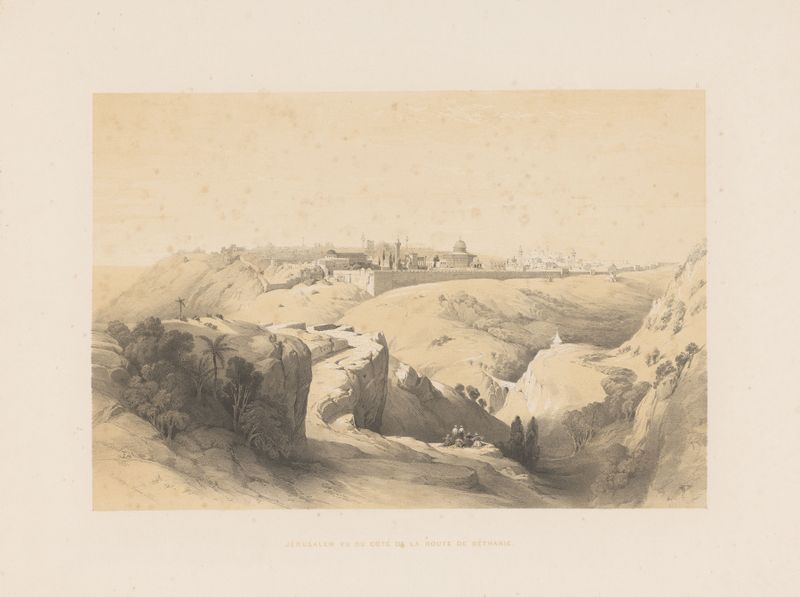
Jérusalem vu du coté de la route de Béthanie
François Stroobant

Le tabernacle du Saint-Sépulcre
François Stroobant

Town hall Brussels
François Stroobant

Fontaine de Jacob à Sichem
François Stroobant
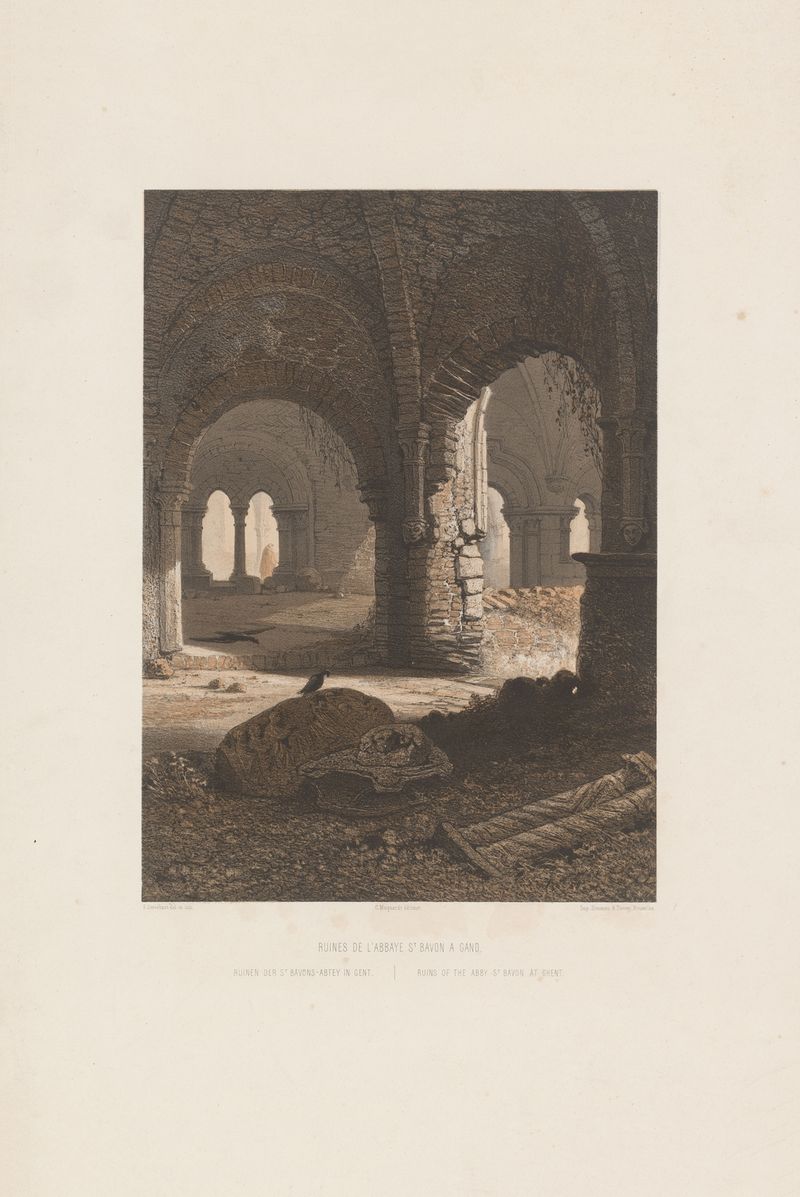
Ruins of the abby St Bavon at Ghent
François Stroobant

Vue de Naplouse
François Stroobant