Interior of the Beguins church at Brussels — History & Facts
Can paint confess what words never could? Within the confines of Interior of the Beguins church at Brussels, a silent dialogue unfolds between light and shadow, reflecting the sacred atmosphere of this serene space. Look to the left, where delicate rays of sunlight filter through stained glass, casting vibrant hues on the stone floor. The angular architecture leads your gaze upward, revealing the intricate details carved into the vaulted ceilings, each line telling a story of devotion. Stroobant’s careful technique melds realism with a gentle ethereality, using soft brushstrokes that breathe life into the cool stone, making the viewer feel the chill of the interior air. In the quiet corners, small figures kneel in contemplation, their postures embodying a deep reverence that resonates throughout the space.
Notice the juxtaposition of light and dark; while the sun illuminates parts of the interior, other areas remain shrouded in mystery, hinting at the unseen struggles of faith and devotion. The harmony of composition invites reflection, encouraging an emotional engagement that transcends the physical boundaries of the church itself. François Stroobant created this work between 1852 and 1878, a period marked by his deepening exploration of sacred themes in art. Working at a time when the world was increasingly captivated by realism, he sought to express the spiritual essence of places like the Beguins church in Brussels, reflecting both a personal dedication to faith and a broader cultural reverence for historical architecture.
More Artworks by François Stroobant
Browse all →
Interior of the church of Notre Dame du Sablon at Brussels
François Stroobant
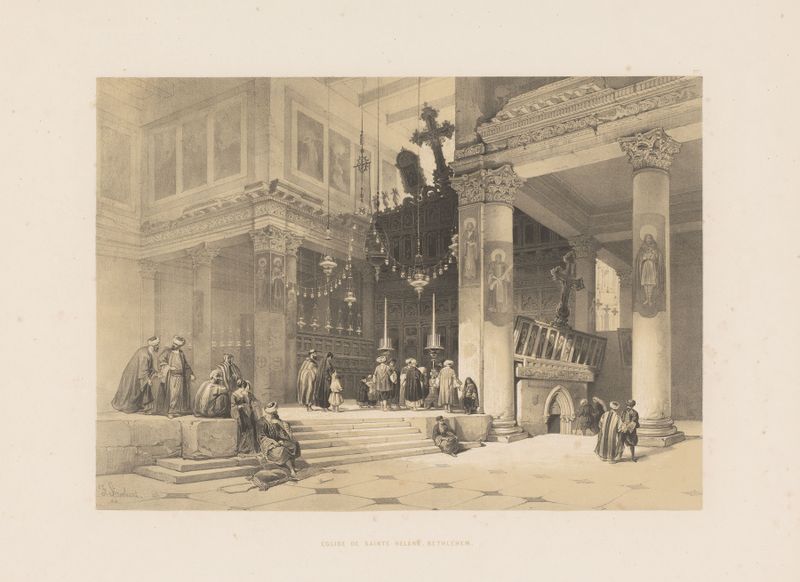
Église de sainte Hélène. Bethléhem
François Stroobant
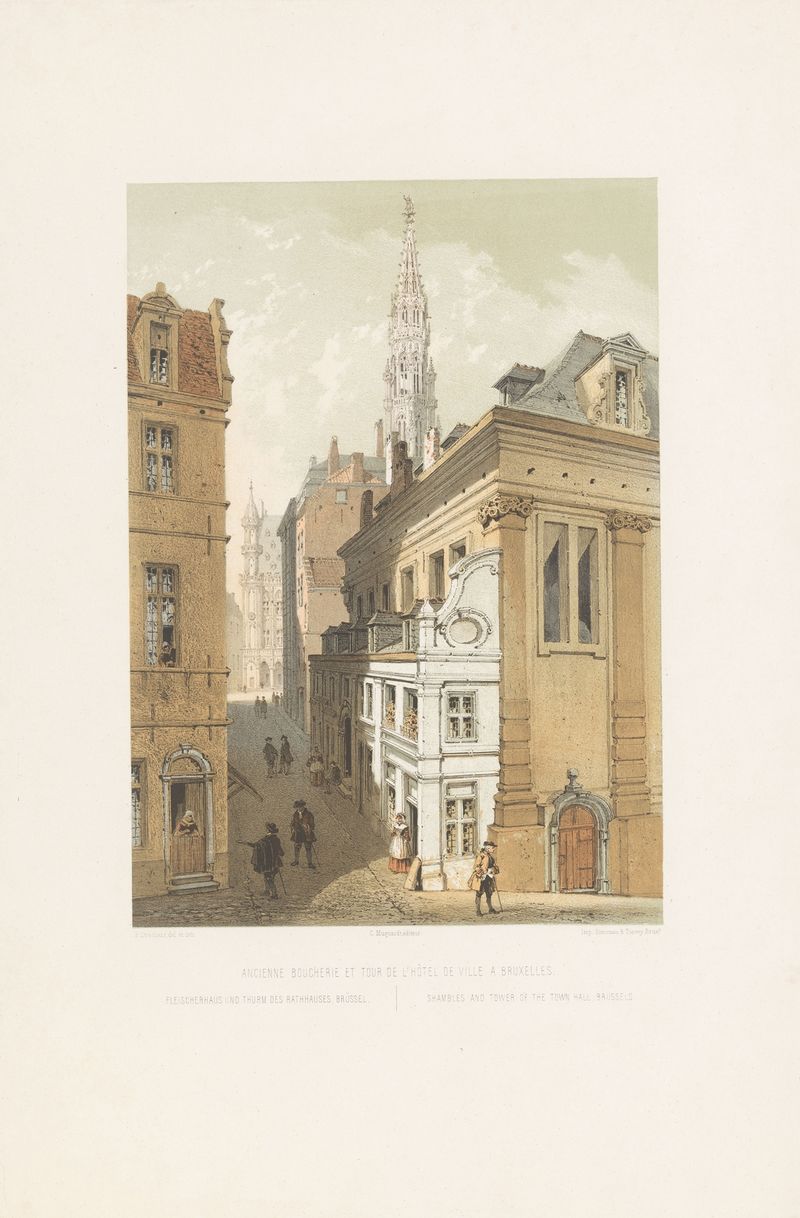
Shambles and tower of the town hall, Brussels
François Stroobant

Intérieur de l’église Grecque du Saint-Sépulcre
François Stroobant
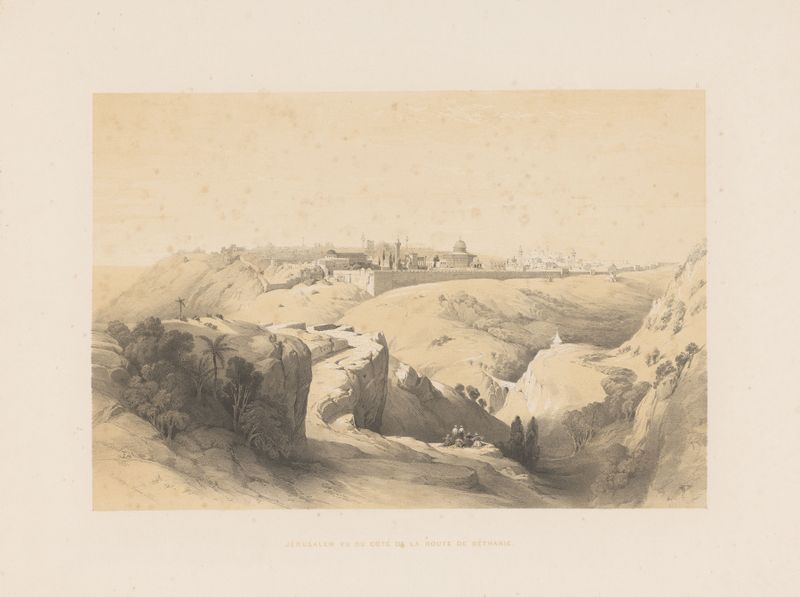
Jérusalem vu du coté de la route de Béthanie
François Stroobant

Le tabernacle du Saint-Sépulcre
François Stroobant

Town hall Brussels
François Stroobant

Fontaine de Jacob à Sichem
François Stroobant
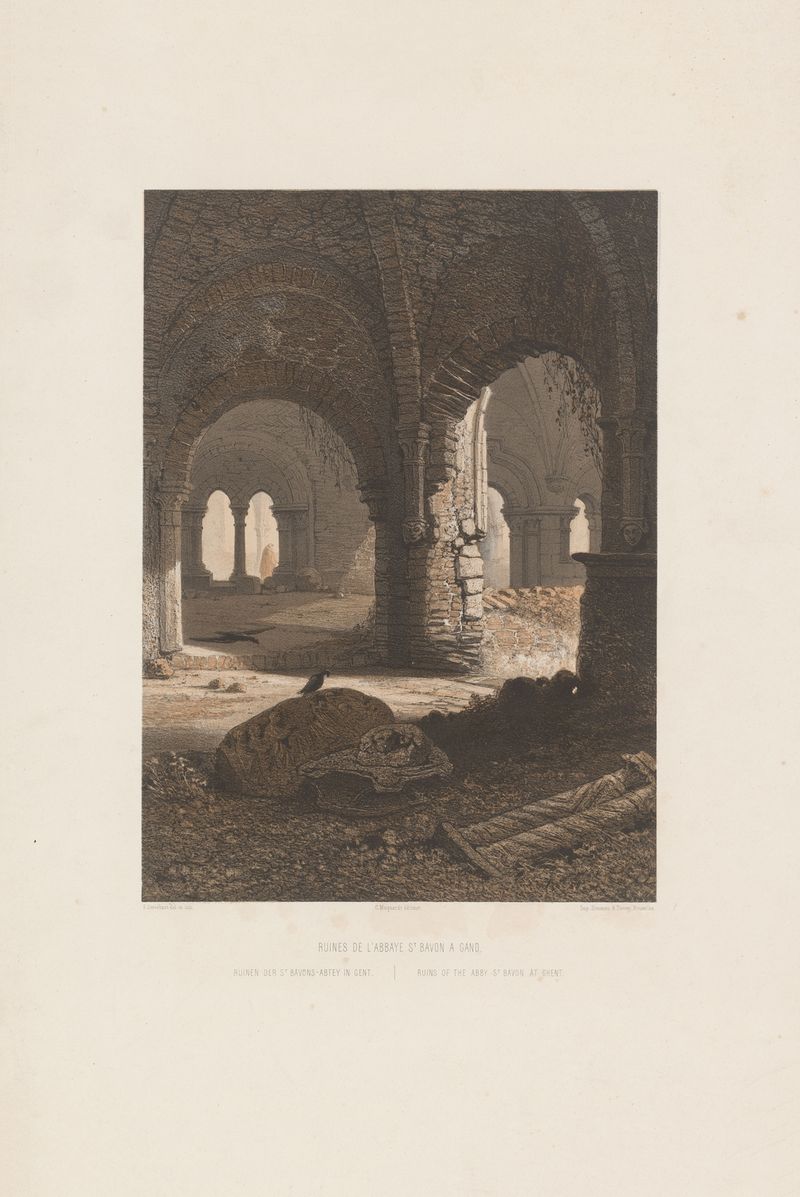
Ruins of the abby St Bavon at Ghent
François Stroobant

Vue de Naplouse
François Stroobant