
J'aime mieux naviguer sur l'eau — History & Facts
What draws the eye first in J'aime mieux naviguer sur l'eau is the way Théophile Alexandre Steinlen lets the sail carve a wedge of silence through a sea of color. The lone figure, hands resting on his knees, leans back against the boat’s edge, his gaze lost somewhere beyond the frame—steady, unhurried, content. The sail, marked with Steinlen’s initials, catches a pale, almost spectral light, while the water beyond shifts from deep blue to a golden wash, as if dusk or dawn is quietly unfolding.
Every line in the man’s face, every crease in his clothing, is rendered with a draftsman’s care, yet the image never feels static; the diagonal thrust of the mast and the curve of the horizon draw the viewer forward, inviting us to share in this moment of solitude and ease. Works like this, born in the ferment of late nineteenth- and early twentieth-century France, were shaped by a world in transition—urban crowds, leisure on the rise, and new freedoms for both artists and their subjects. Steinlen, best known for his scenes of Montmartre and his iconic cats, here turns to the quiet poetry of ordinary life, capturing a fleeting pleasure that needed no grand occasion. The print’s journey to the Boston Public Library, via a 1960 gift and cataloged alongside other works in de Crauzat’s 1913 catalogue raisonné, speaks to the enduring appeal of such images: they were made to be seen, shared, and cherished, even as the details of their origins slip from view.
Look again at the interplay of color and line, and you may sense the artist’s affection for both his subject and the simple act of drifting on open water.
More Artworks by Théophile Alexandre Steinlen

Village et charrette
Théophile Alexandre Steinlen
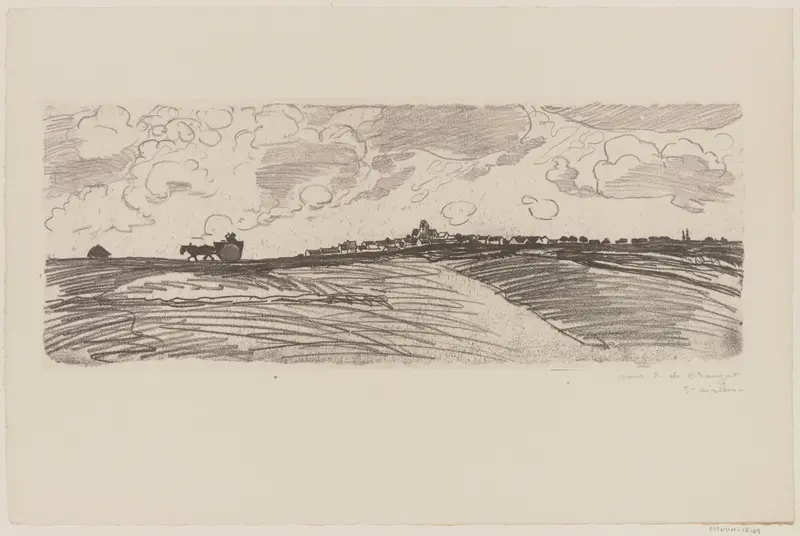
Village et charrette
Théophile Alexandre Steinlen
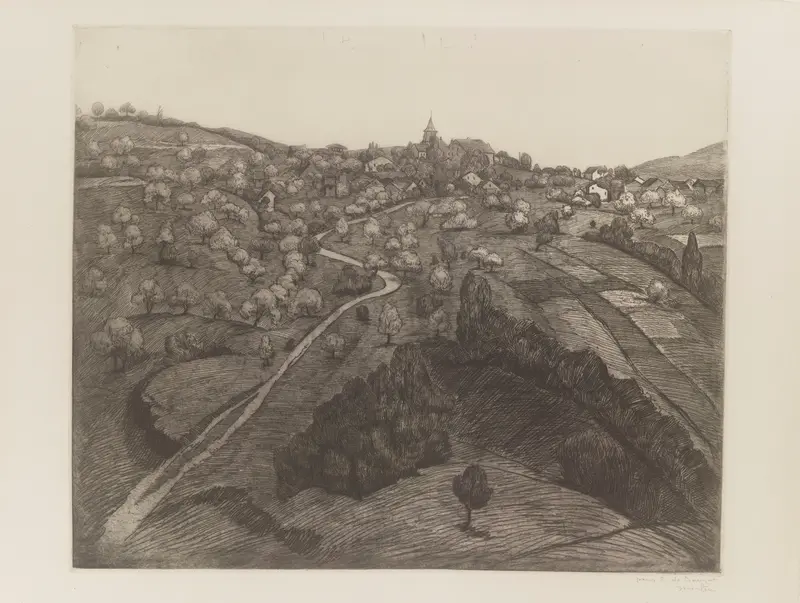
Vue de Belmont, près de Lausanne
Théophile Alexandre Steinlen
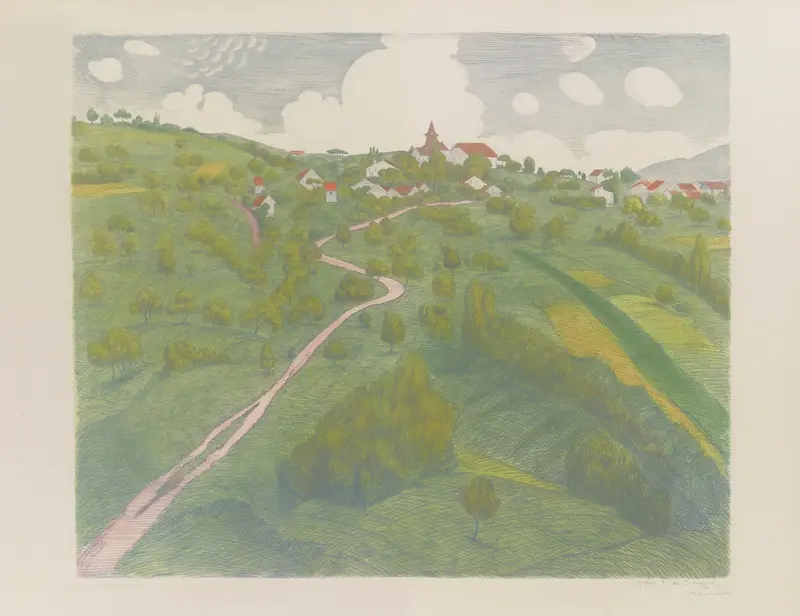
Vue de Belmont, près de Lausanne
Théophile Alexandre Steinlen
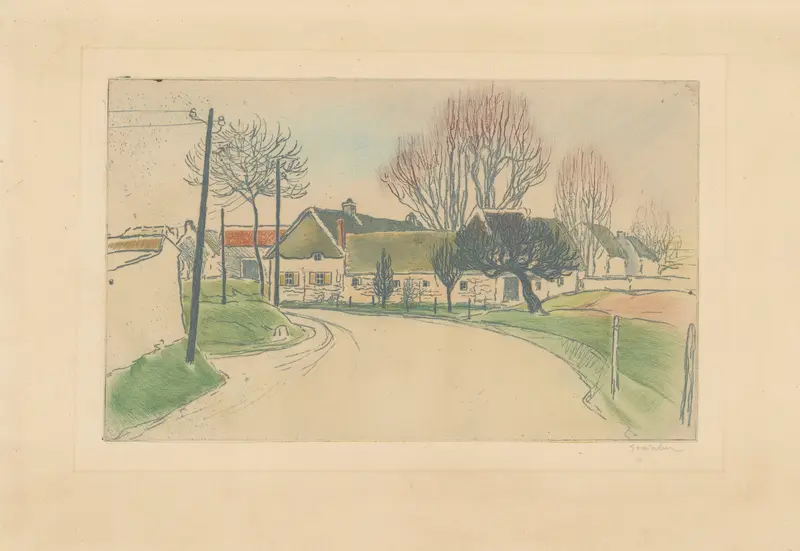
La maison à l’entrée du village
Théophile Alexandre Steinlen
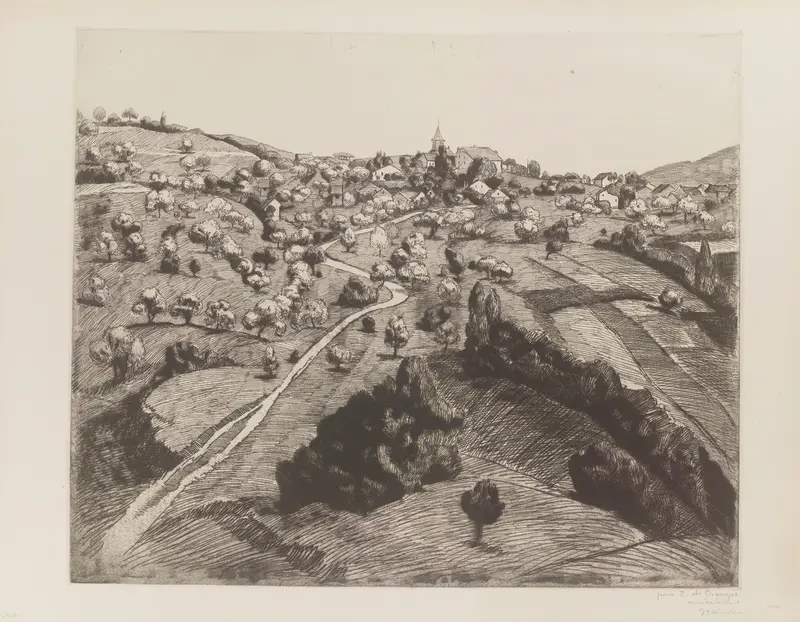
Vue de Belmont, près de Lausanne
Théophile Alexandre Steinlen
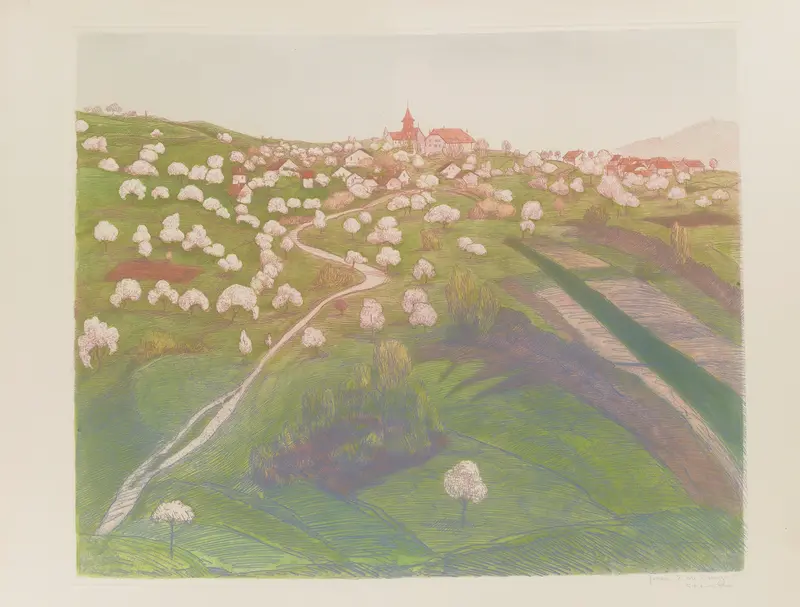
Vue de Belmont, près de Lausanne, n° 2
Théophile Alexandre Steinlen
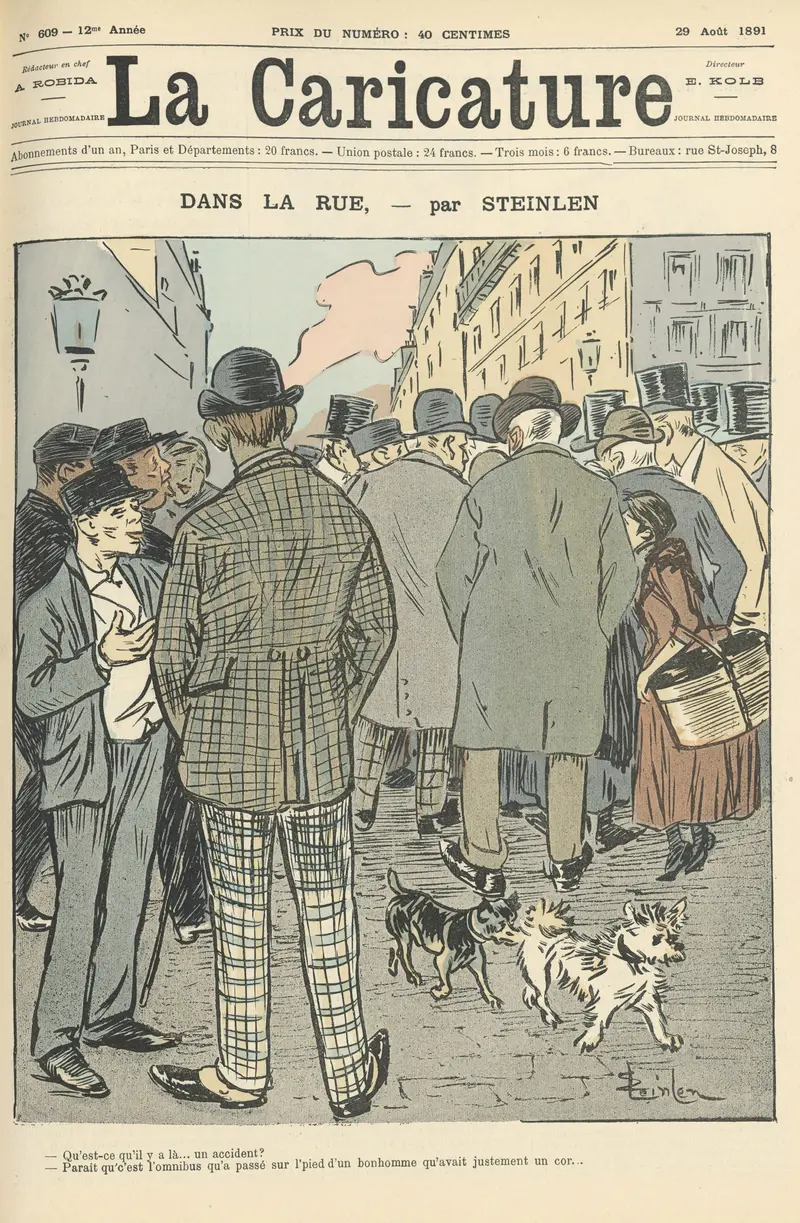
Dans la rue (La Caricature, 29 août 1891)
Théophile Alexandre Steinlen
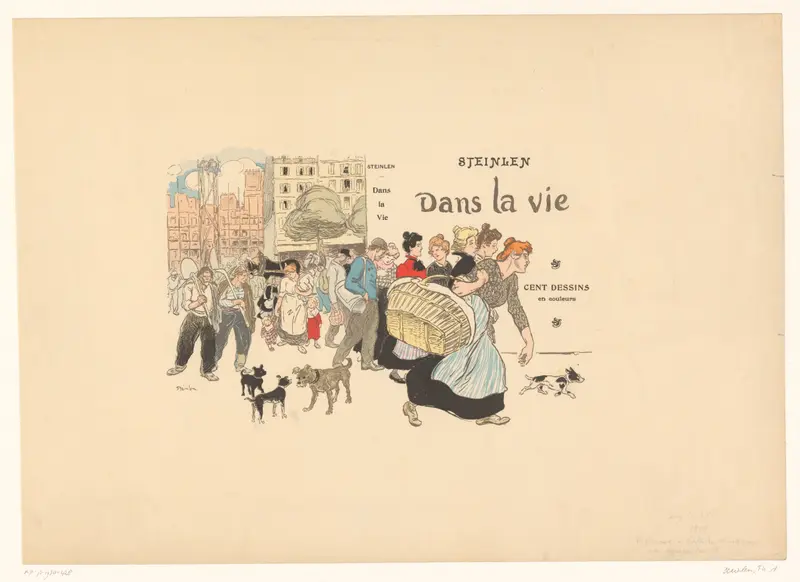
Dans la vie
Théophile Alexandre Steinlen
The Laundresses
Théophile Alexandre Steinlen





