
Jacques du Mont le Romain — History & Facts
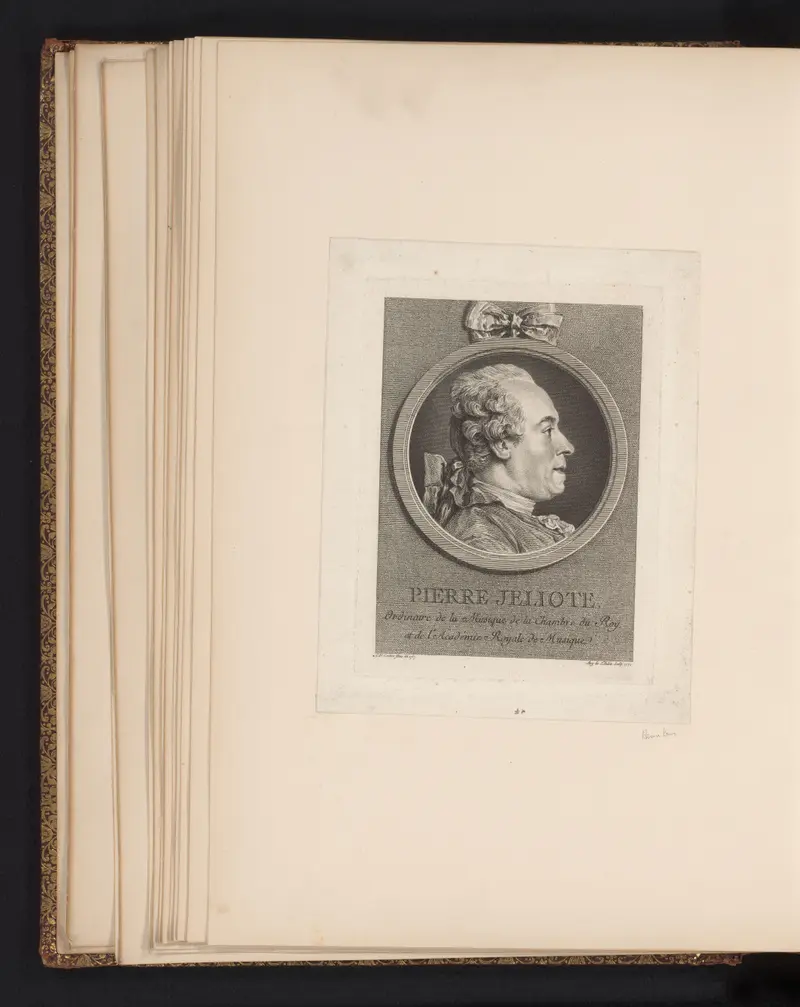
A crisp oval frame rises from the creamy expanse of the page, drawing your eye to the poised profile of a man whose gaze seems fixed on something just beyond the paper’s edge. The sitter’s powdered wig, the careful folds of his neckcloth, and the ribboned coat all speak of 18th-century dignity, but it is the clarity of the line and the subtle play of shadow that give this print its quiet authority. The inscription beneath the portrait identifies him as Jacques du Mont le Romain, and the print’s refined technique—each curl, each crease rendered with delicate precision—signals the hand of Augustin de Saint-Aubin, one of the period’s most sought-after engravers.
The laurel-wreathed medallion above the sitter’s head hints at honor and accomplishment, inviting the viewer to consider what achievements might have earned such a tribute. Prints like this flourished in Enlightenment France, where the appetite for knowledge and celebrity fueled a market for portraits of scientists, artists, and thinkers. These images were often commissioned by academies or admirers to celebrate membership, achievement, or simply to circulate a likeness among peers and collectors. Augustin de Saint-Aubin was renowned for his ability to capture both the likeness and the gravitas of his subjects, and this 1770 print—now in the Rijksmuseum—embodies the era’s fascination with reason, reputation, and the quiet theater of the intellect.
The world that produced this print believed in the power of the image to confer status and immortality; as you look again at the engraved lines, you see not just a face, but a moment in the long conversation between art and ambition.
More Artworks by Augustin de Saint-Aubin

Parade
Augustin de Saint-Aubin
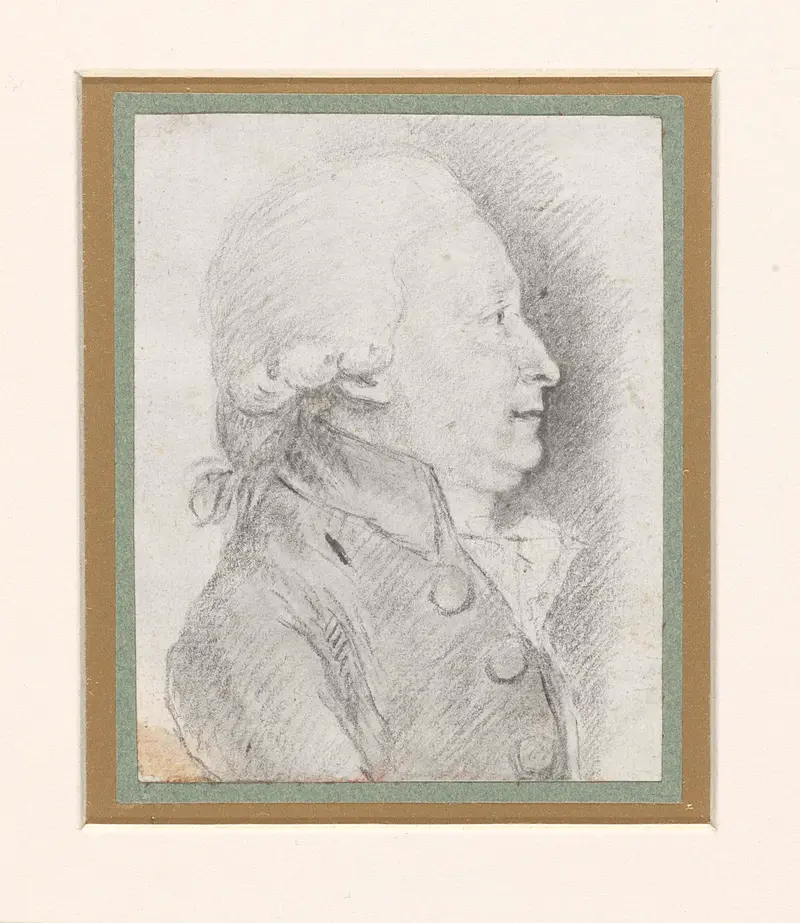
Profielportret van een oudere man met pruik
Augustin de Saint-Aubin
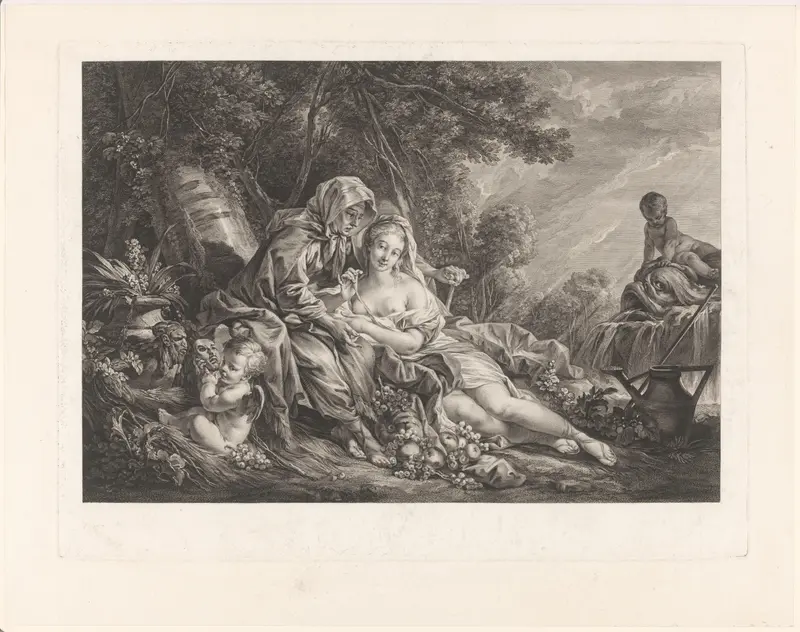
Vertumnus en Pomona in een parklandschap
Augustin de Saint-Aubin
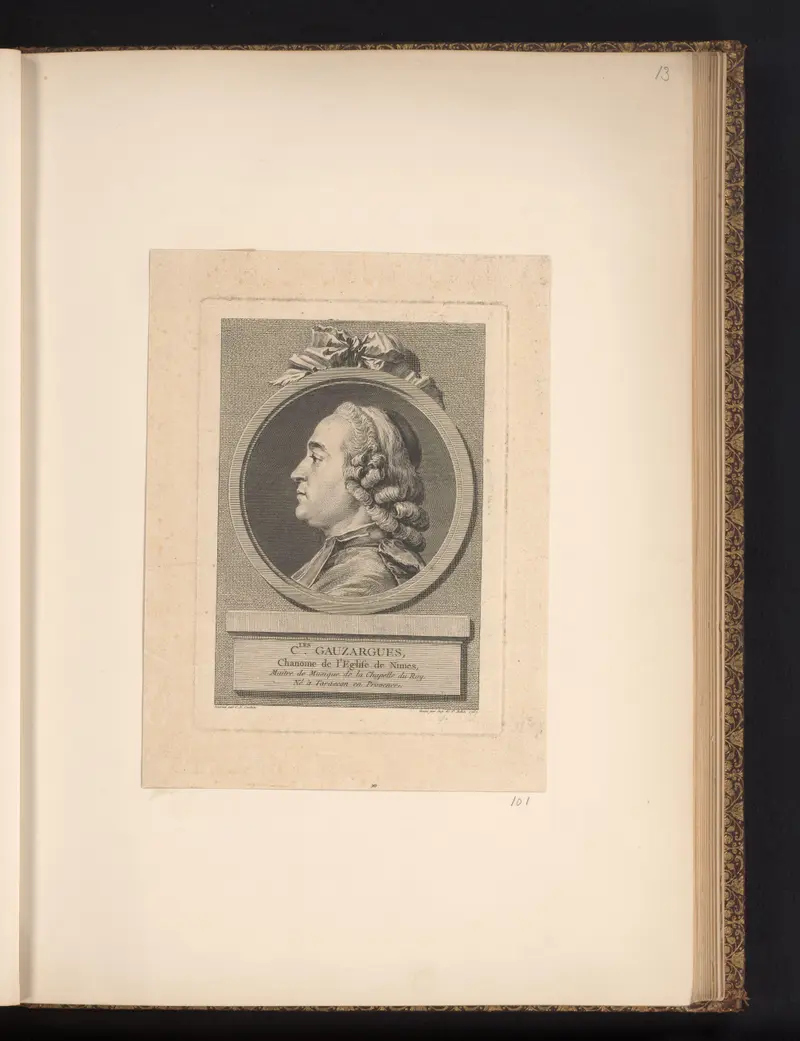
Portret van Charles Gauzargues
Augustin de Saint-Aubin
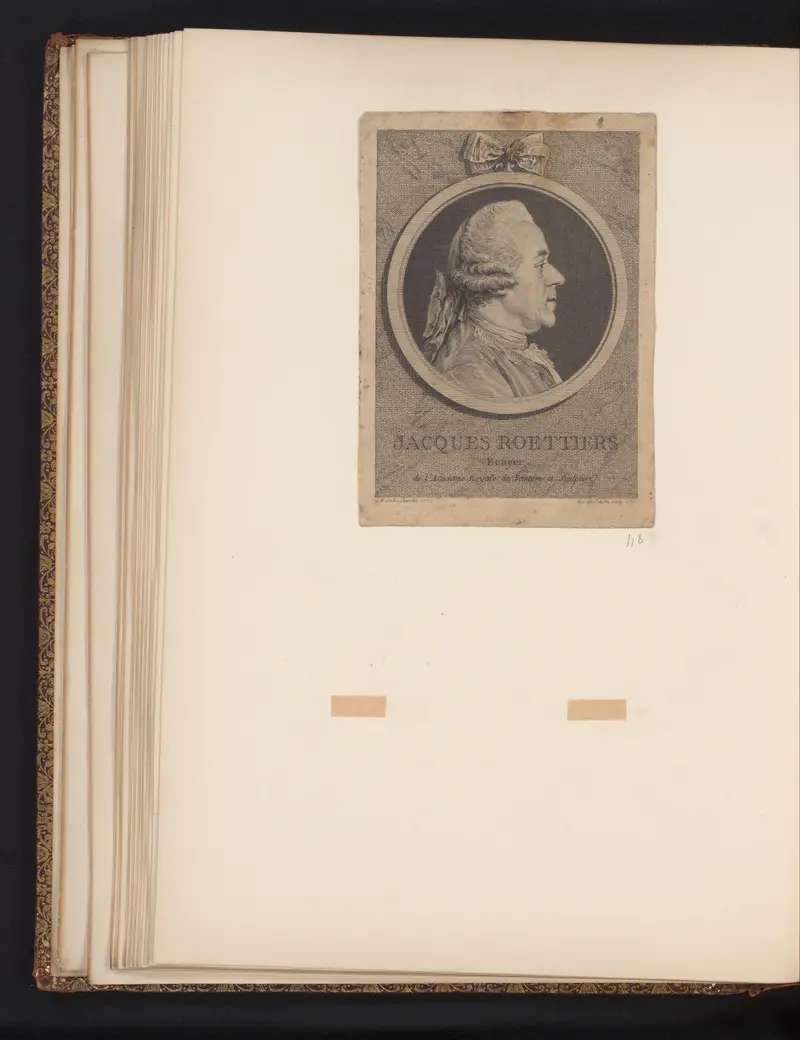
Portret van Jacques Roëttiers III
Augustin de Saint-Aubin
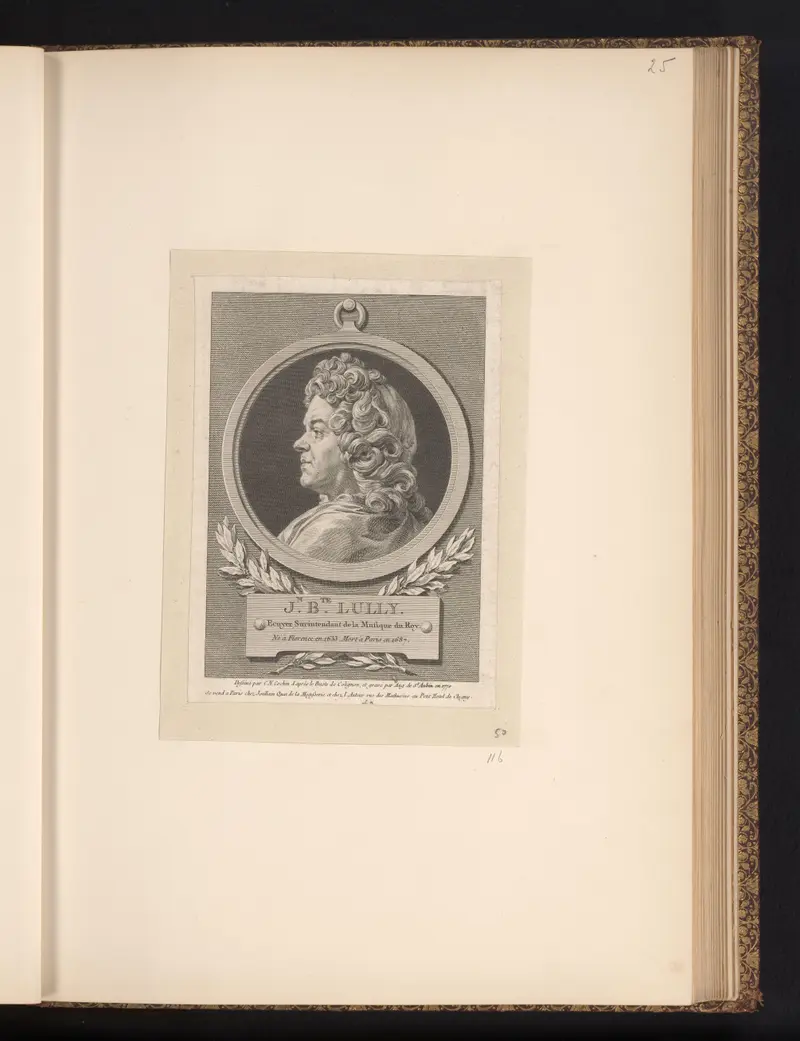
Portret van Jean-Baptiste Lully
Augustin de Saint-Aubin
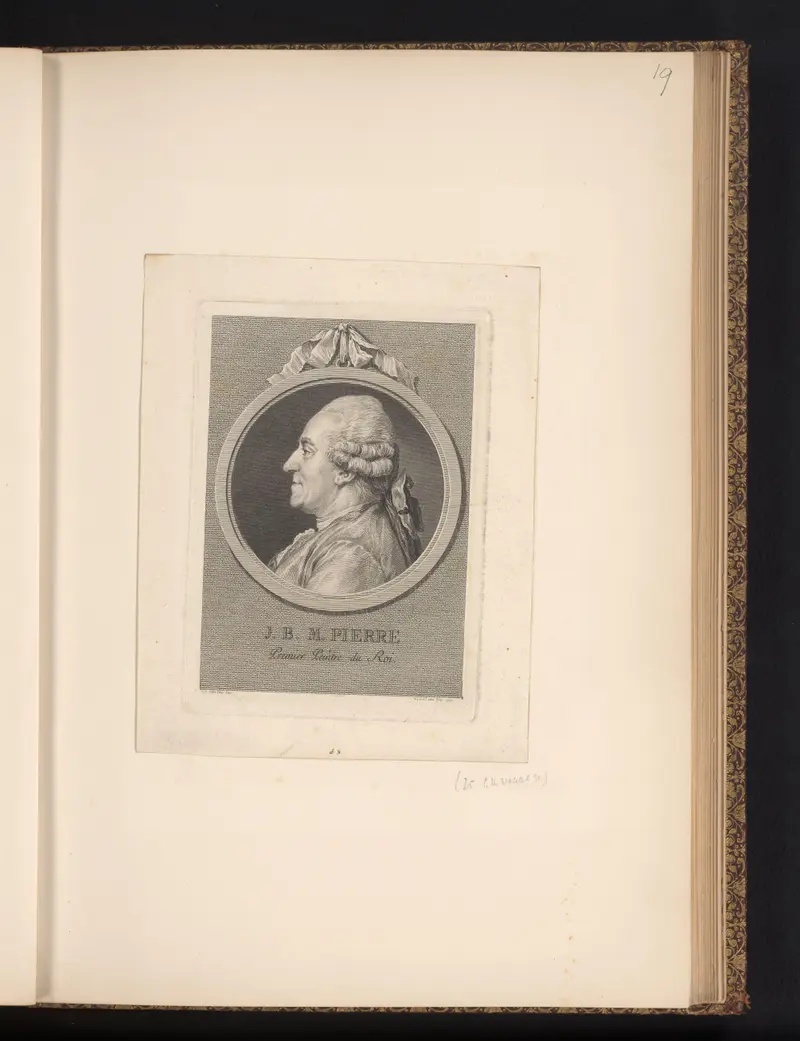
Portret van Jean Baptiste Marie Pierre
Augustin de Saint-Aubin
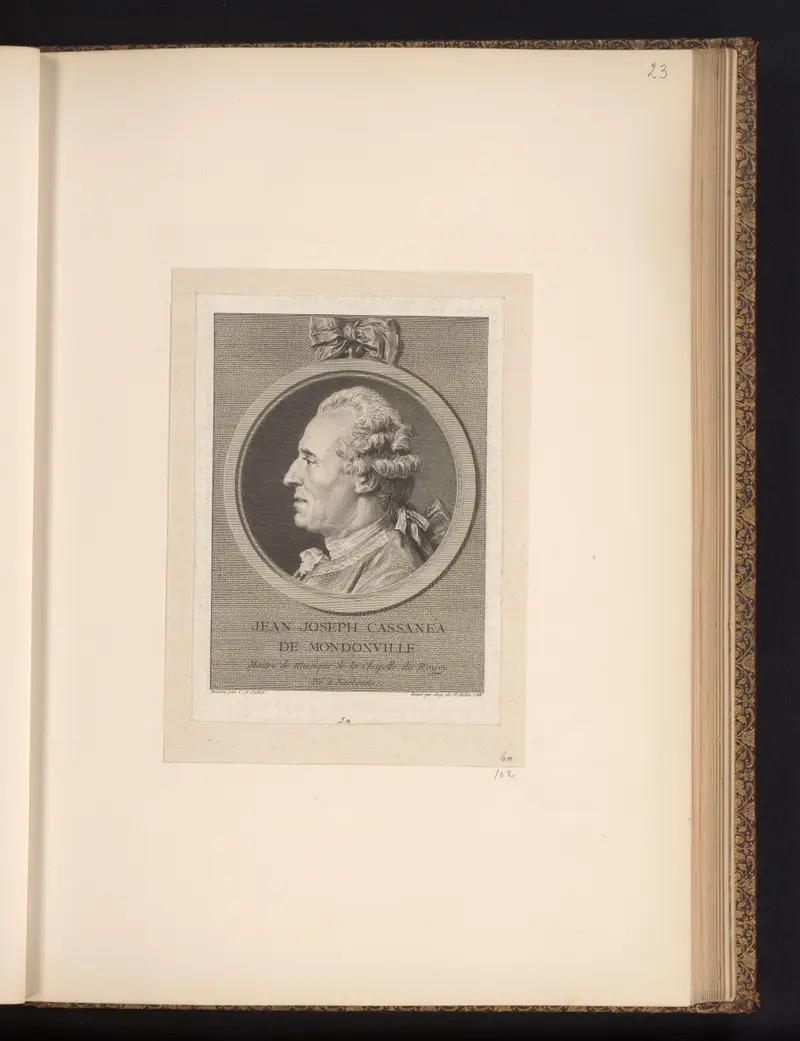
Portret van Jean-Joseph Cassanéa de Mondonville
Augustin de Saint-Aubin
Portret van Joseph Charles Roëttiers
Augustin de Saint-Aubin
Portret van Pierre de Jélyotte
Augustin de Saint-Aubin





