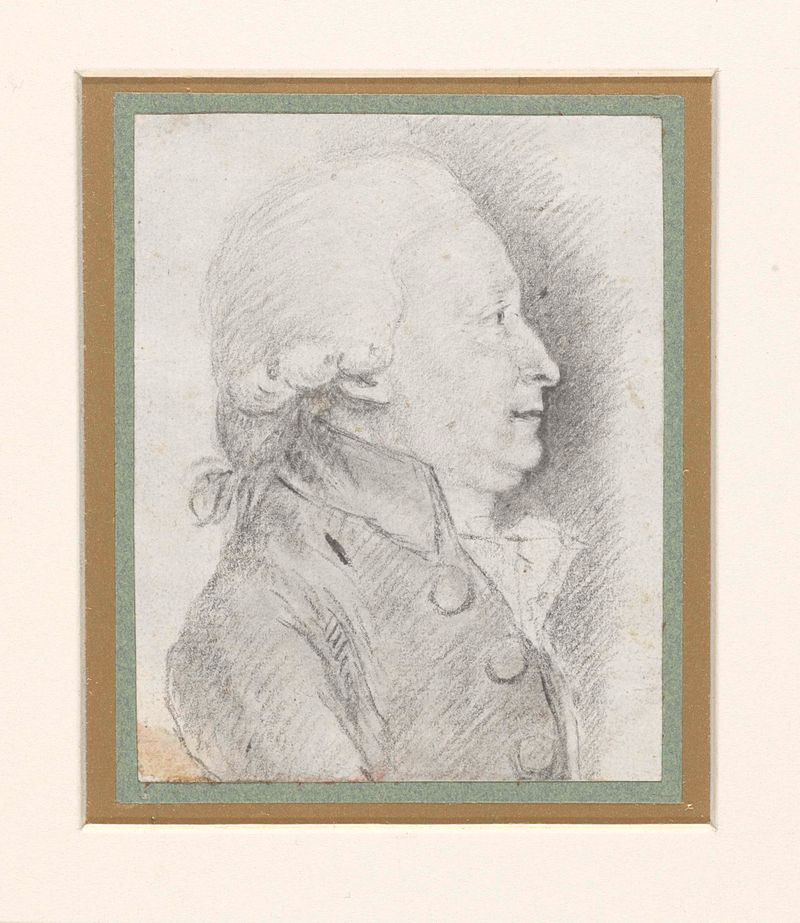
Parade — History & Facts
When did color learn to lie? In the intricate dance of artistry, truth often wears the mask of illusion, beckoning us into a world where reality can be both vibrant and deceptive. Look to the left of the canvas, where a cascade of vivid colors envelops a jubilant crowd, each figure clad in ornate attire that speaks to the grandeur of a theatrical procession. The artist employs a rich palette, from the deep, regal reds to the shimmering golds, drawing the eye across the tableau. Notice how the light plays upon the fabrics, illuminating the folds and contours, as if to mimic the pulsing energy of celebration itself.
The lively brushwork creates a sense of movement, giving life to each figure while framing the composition with a festive yet chaotic atmosphere. Delve deeper into the scene, and you will uncover layers of meaning interwoven within the jubilant façade. The faces, though adorned with smiles, reveal a tension between revelry and the weight of societal expectation. In the background, the faint murmur of distant architecture hints at a city that celebrates its culture while still grappling with its own shadows.
Each detail, from the jubilant gestures of the participants to the subtle expressions of the onlookers, invites us to ponder the complexity of joy amidst the fabric of human experience. During the late 18th century, Augustin de Saint-Aubin painted this work in Paris, a city bursting with artistic exploration and political turbulence. The vibrant streets were alive with theatrical performances and public festivities, reflecting the Enlightenment ideals permeating society. This atmosphere of contradiction—from celebration to unrest—profoundly influenced his artistic vision, as he sought to capture both the spectacle and the underlying truths of his time.