Jak — History & Facts
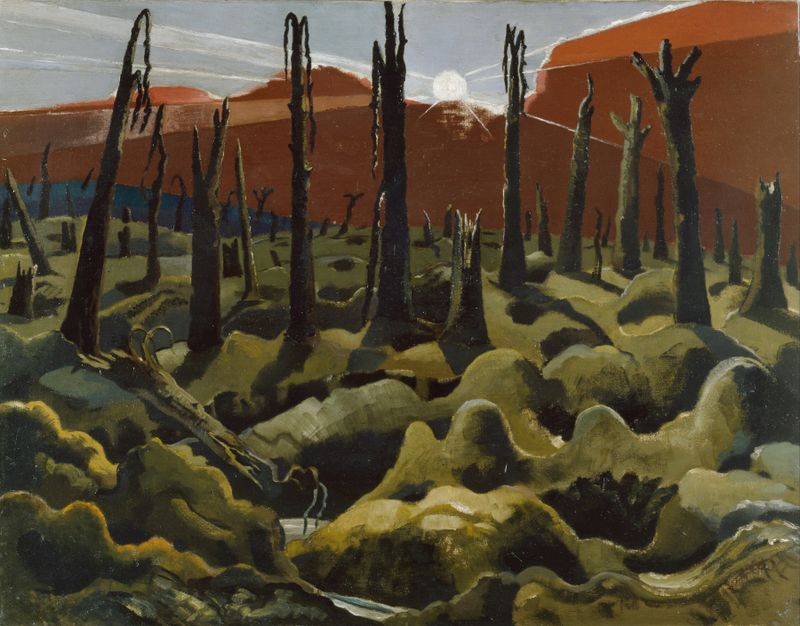
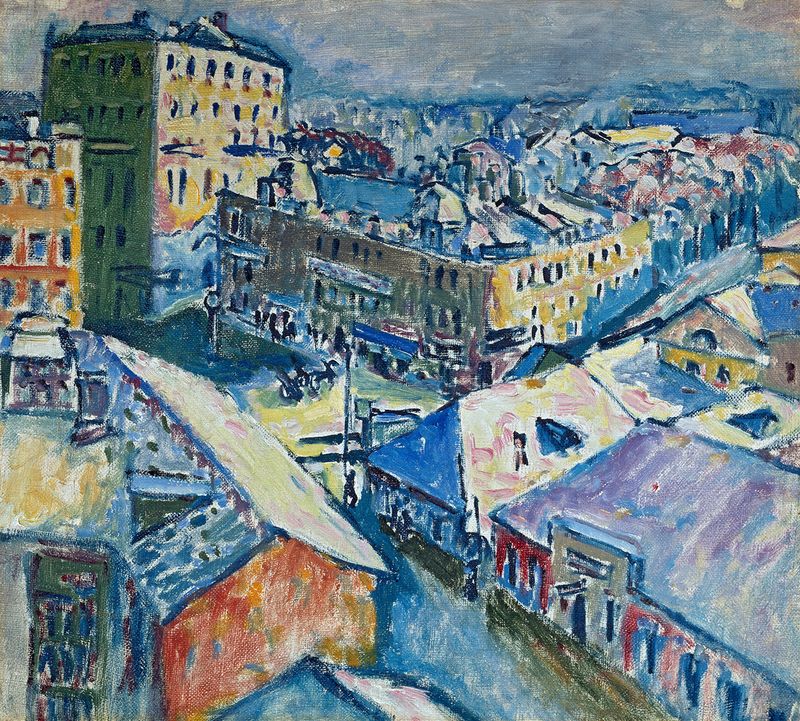
In a world often clouded by despair, hope remains the radiant thread that weaves us through the fabric of existence. Focus on the gentle hues of blue and green that dominate the canvas, inviting you to explore an unseen landscape of possibility. Notice how the brushstrokes blend seamlessly, creating a sense of depth that draws your gaze toward the horizon, where light dances and whispers of optimism beckon. Each stroke seems to pulse with life, as if the artist captured fleeting moments of inspiration that shimmer beneath the surface. Delve deeper, and you might find a tension between shadow and illumination, suggesting a dialogue between despair and hope.
The contrast of warm and cool tones reflects the duality of human experience, highlighting the fragility of joy amid the weight of sorrow. Small details, perhaps the textured layers at the forefront, serve as reminders of the struggles that shape our journey, yet they coalesce into a vision of promise that resonates within us. During the late 1930s, William Rowe found his voice amid the turmoil of a world on the brink of war. Working in a time when modernism was reshaping the art landscape, he blended traditional techniques with emerging styles, capturing the emotional essence of his subjects.
This period was marked by uncertainty, yet through his work, he sought to illuminate the resilience of the human spirit, paving the way for future generations of artists.