Jan Lutma — History & Facts
What draws the eye first in this portrait is the sitter’s gaze—direct, alive, and edged with a knowing smile that seems to flicker just for the viewer. The old man sits heavily in his chair, his hands relaxed but purposeful, one palm open as if mid-conversation. Rembrandt’s mastery is everywhere in the play of light: the sitter’s face emerges from a dense weave of shadow, every wrinkle and tuft of beard rendered with a patience that feels almost tender.
The backdrop is spare, but the chair’s carved finials—tiny, lion-like faces—hint at a life of substance, perhaps even a quiet pride. The etched lines behind the figure are restless, unfinished, as if Rembrandt wanted to keep the world around this man in motion, unresolved. Created in 1656, this work belongs to the world of seventeenth-century Amsterdam, where portraiture was both a record and a reward—commissioned by prosperous citizens eager to secure their likeness for posterity, or sometimes by artists themselves, fascinated by the drama of age and character. In these years, Rembrandt van Rijn was known for pushing the boundaries of printmaking, using etching and drypoint to capture the shimmer of flesh and the depth of personality.
The date places this work late in Rembrandt’s career, a time marked by personal hardship but also by his most searching, humane art. Today, the print is preserved in the National Gallery of Art, a testament to the enduring power of a face honestly seen—inviting us to linger, to meet the sitter’s gaze, and to wonder what story he might tell.
More Artworks by Rembrandt van Rijn
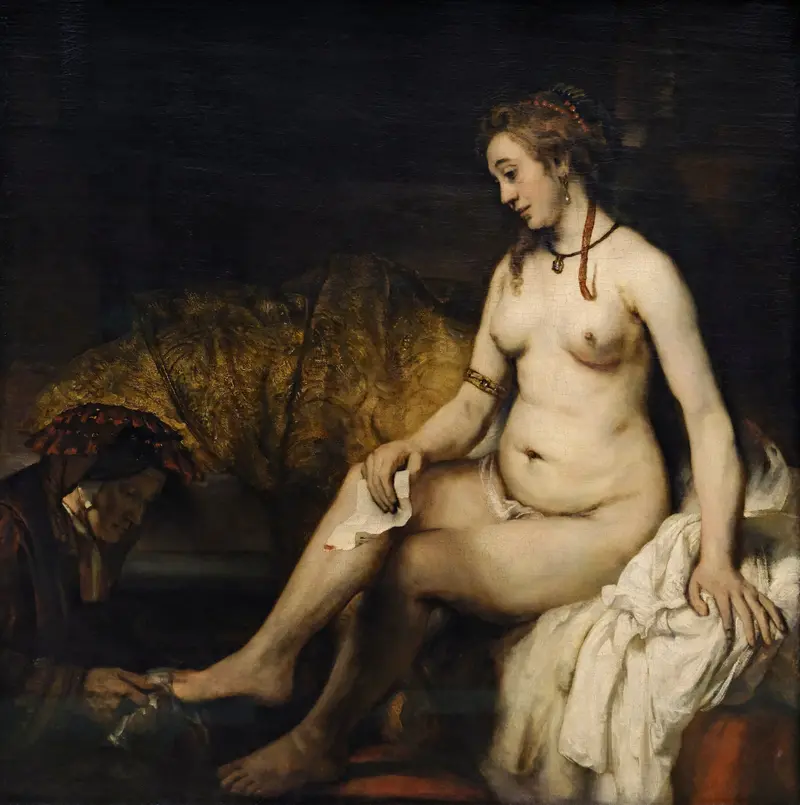
Bathsheba at Her Bath
Rembrandt van Rijn
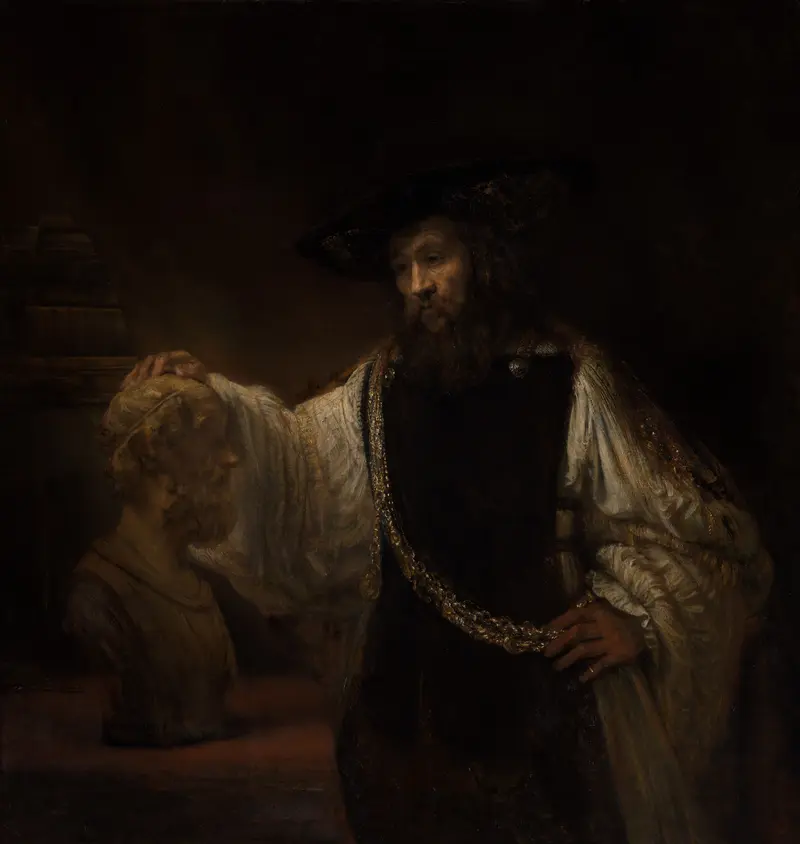
Aristotle with a Bust of Homer
Rembrandt van Rijn
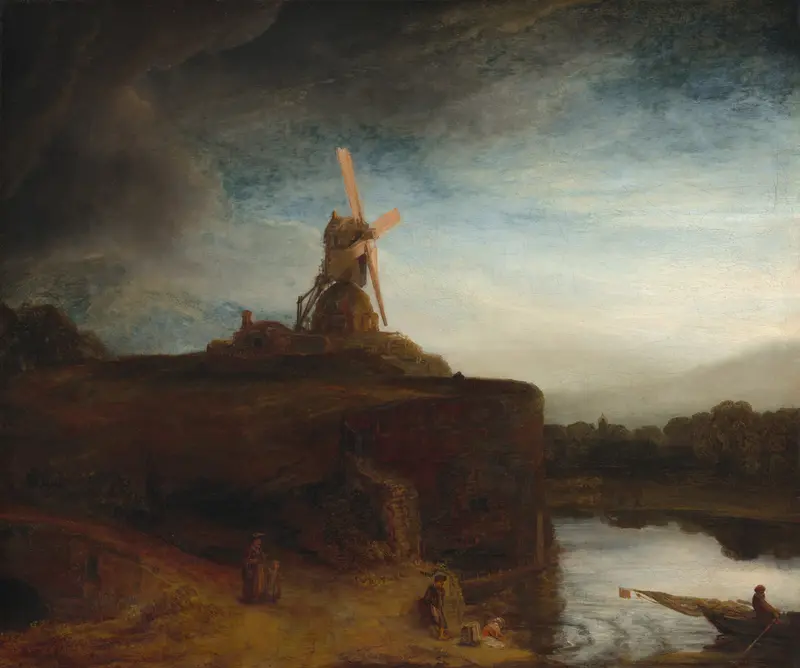
The Mill
Rembrandt van Rijn
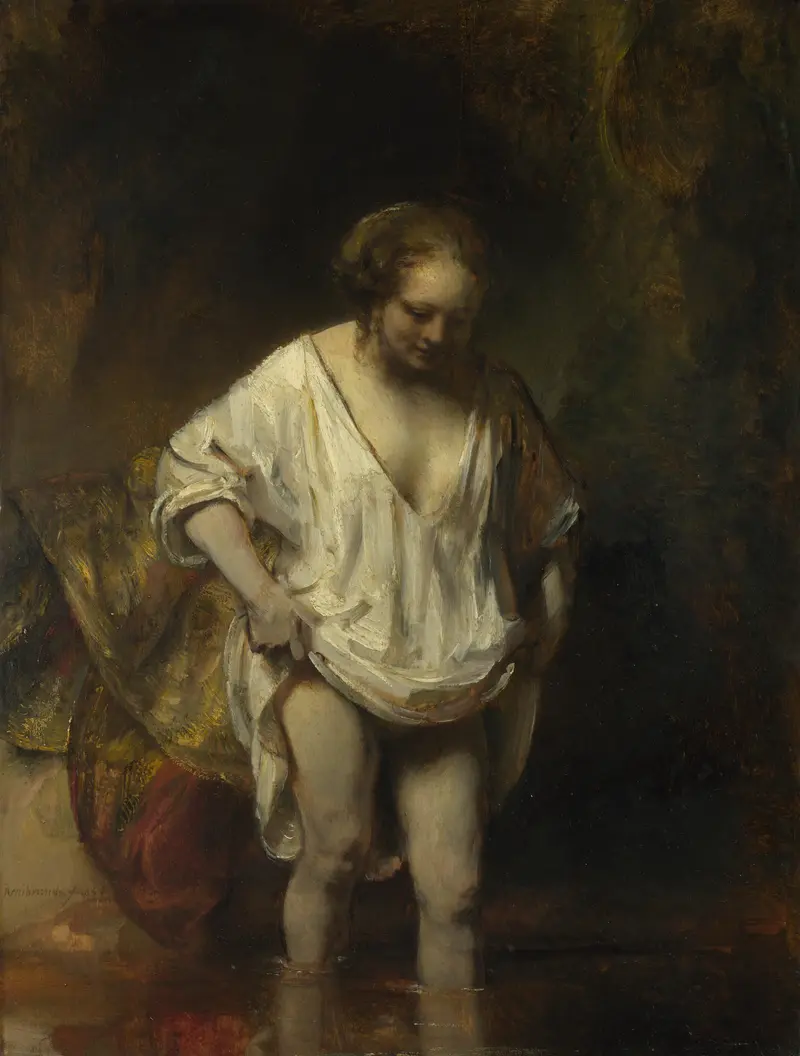
A Woman Bathing in a Stream
Rembrandt van Rijn
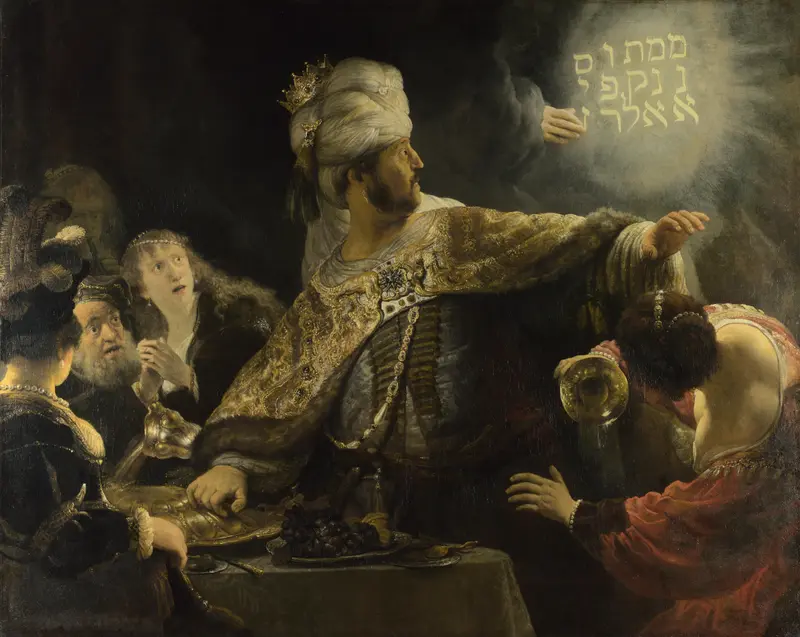
Belshazzar’s Feast
Rembrandt van Rijn
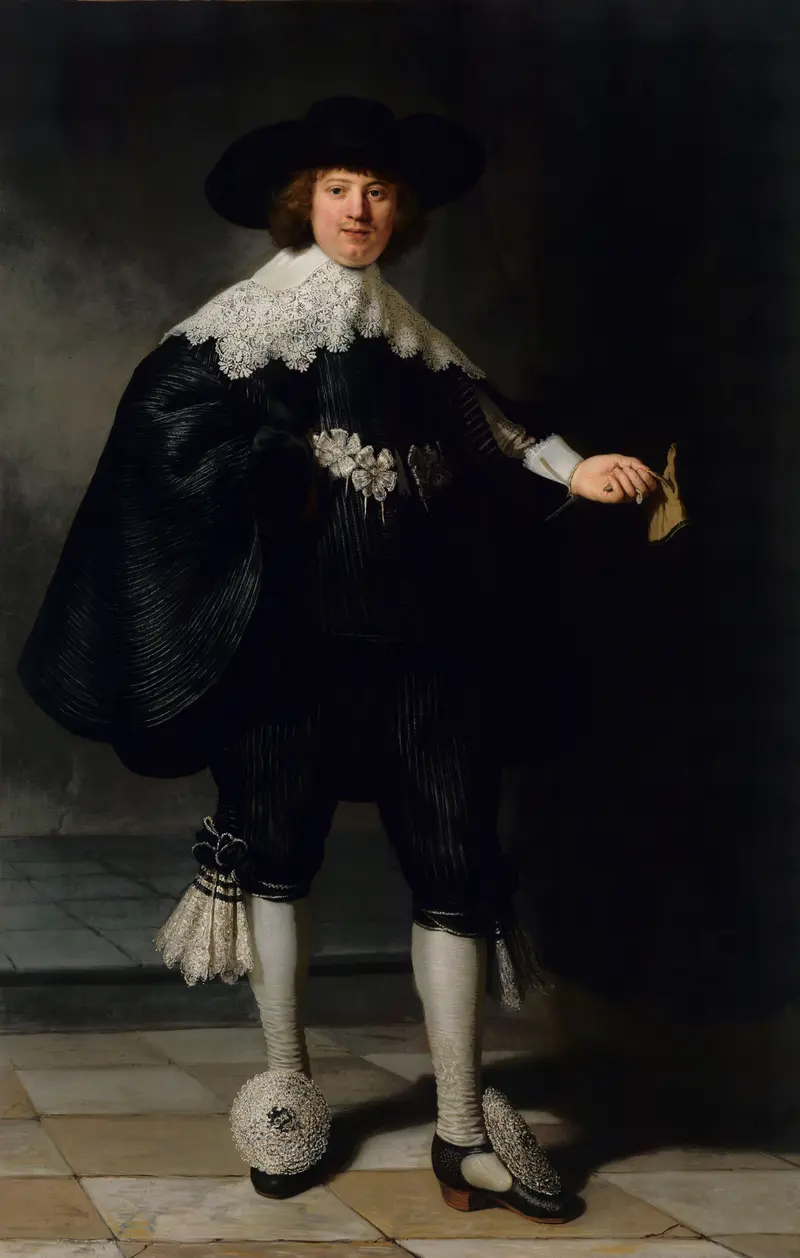
Portrait of Marten Soolmans
Rembrandt van Rijn
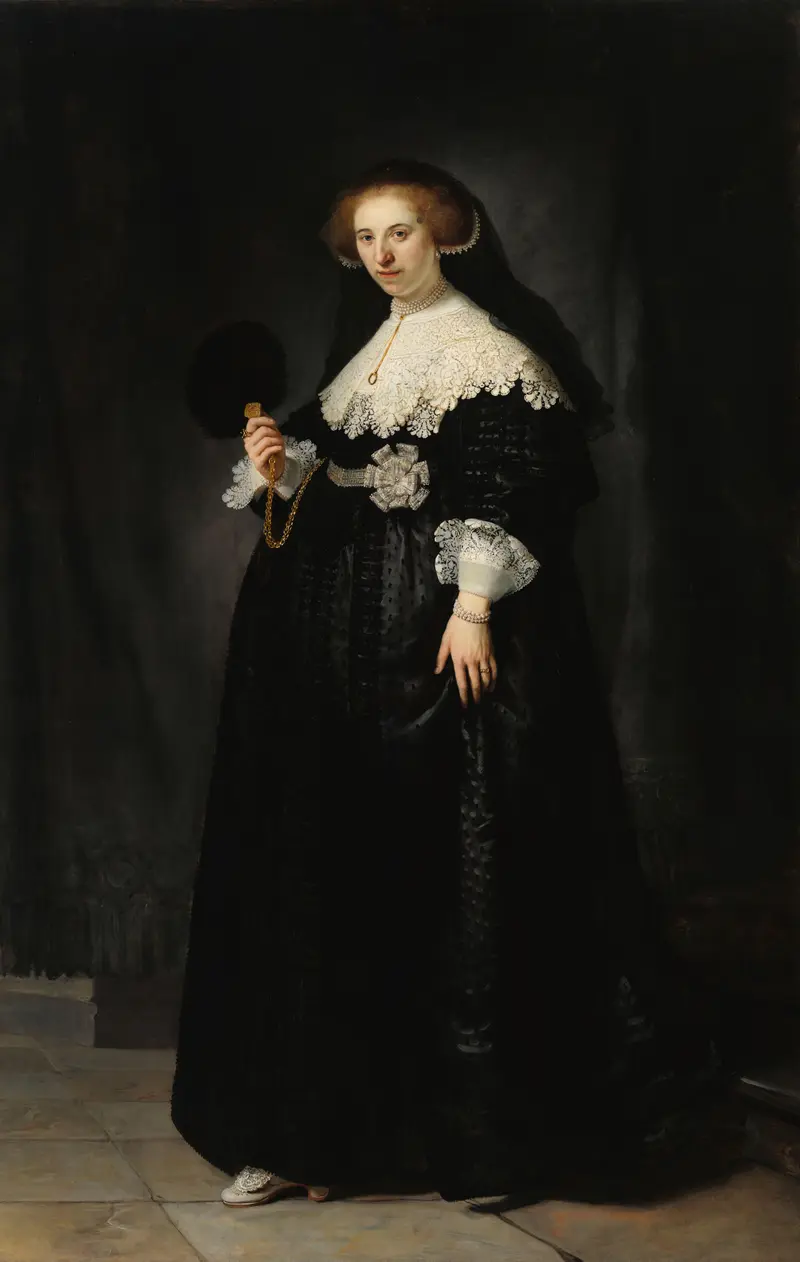
Portrait of Oopjen Coppit
Rembrandt van Rijn

The Prodigal Son in the Tavern
Rembrandt van Rijn
The Return of the Prodigal Son
Rembrandt van Rijn
Self-Portrait at the Age of 63
Rembrandt van Rijn