
Jardin à Montrouge — History & Facts
In Jardin à Montrouge, Maximilien Luce captures a vibrant garden scene filled with lush greenery and colorful flowers. The painting is characterized by its bright colors, particularly the vivid greens and warm yellows. Figures can be seen leisurely strolling through the garden, adding a sense of life and movement to the composition.
The overall setting conveys a peaceful and inviting atmosphere, typical of Impressionist landscapes. The painting is executed in oil on canvas, a common medium for artists of the Post-Impressionist movement. Luce employs loose brushwork, which allows the colors to blend and create a sense of spontaneity. The use of light is particularly striking, as it highlights the vibrancy of the garden and the figures within it.
Viewers can appreciate the texture and layering of paint, which adds depth to the scene. Maximilien Luce was associated with the Neo-Impressionist movement, which focused on color theory and the effects of light. Jardin à Montrouge reflects his interest in capturing the beauty of nature and the everyday life of Parisians. An interesting fact about this work is that it was painted during a time when Luce was deeply influenced by the works of Georges Seurat, particularly his pointillist techniques.
This painting exemplifies Luce's unique style while still paying homage to the techniques of his contemporaries.
More Artworks by Maximilien Luce

Le Quai Montebello Et La Colline Sainte-Geneviève
Maximilien Luce
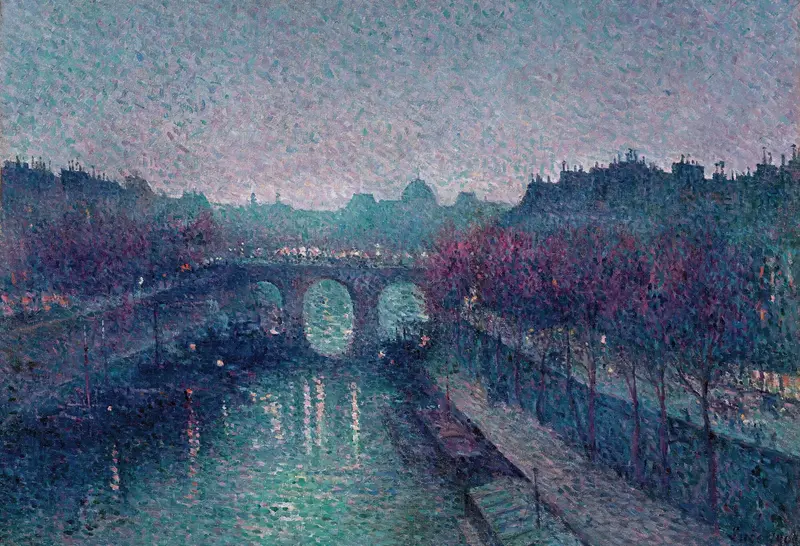
Le Pont-Neuf, La Seine, Petit Bras
Maximilien Luce
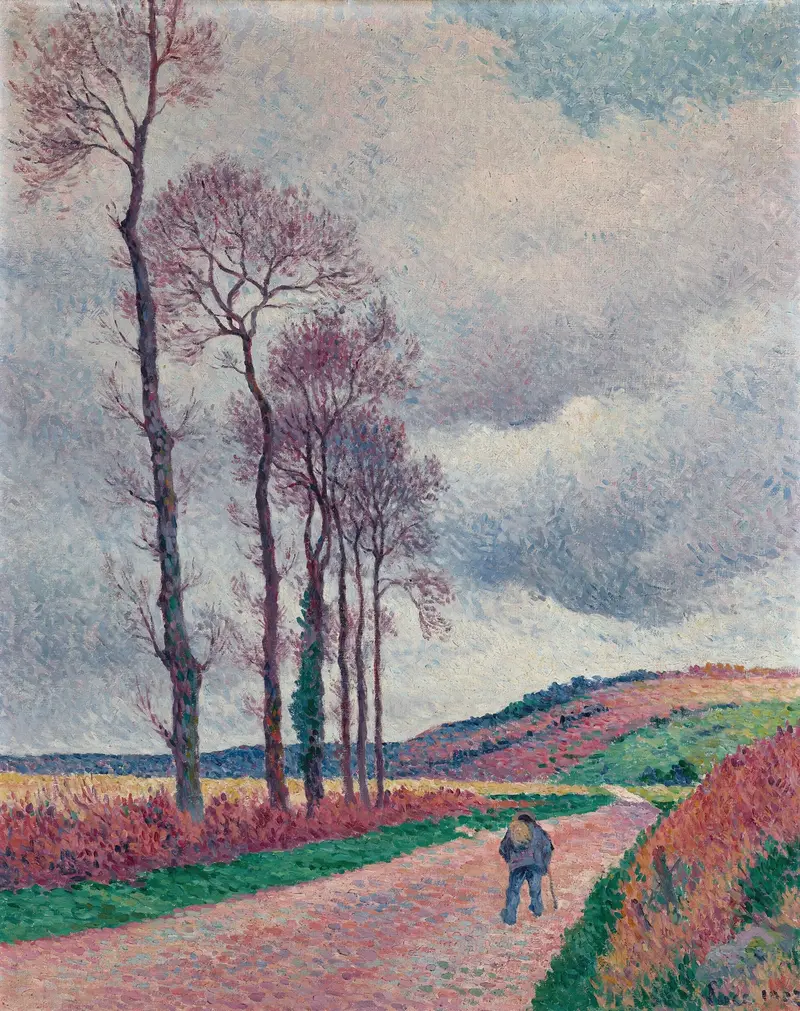
La route aux environs de Méréville
Maximilien Luce
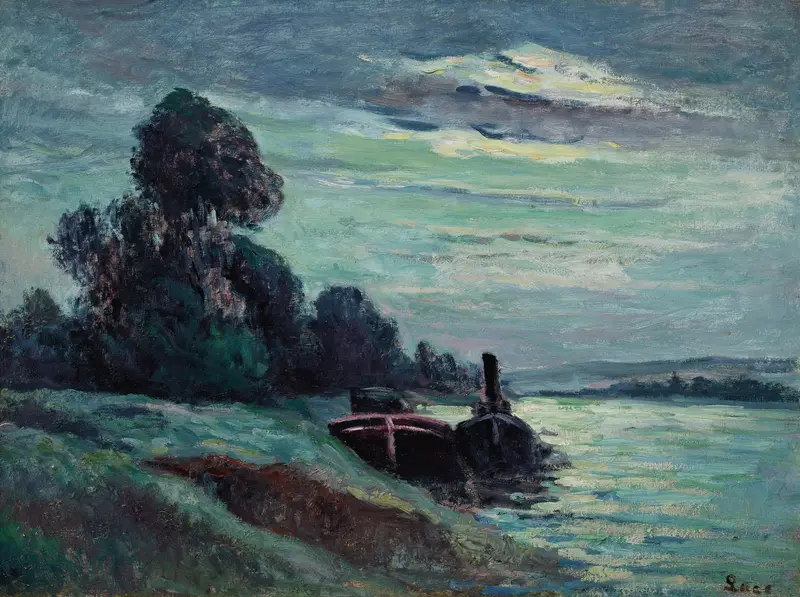
Péniches sur la Seine
Maximilien Luce
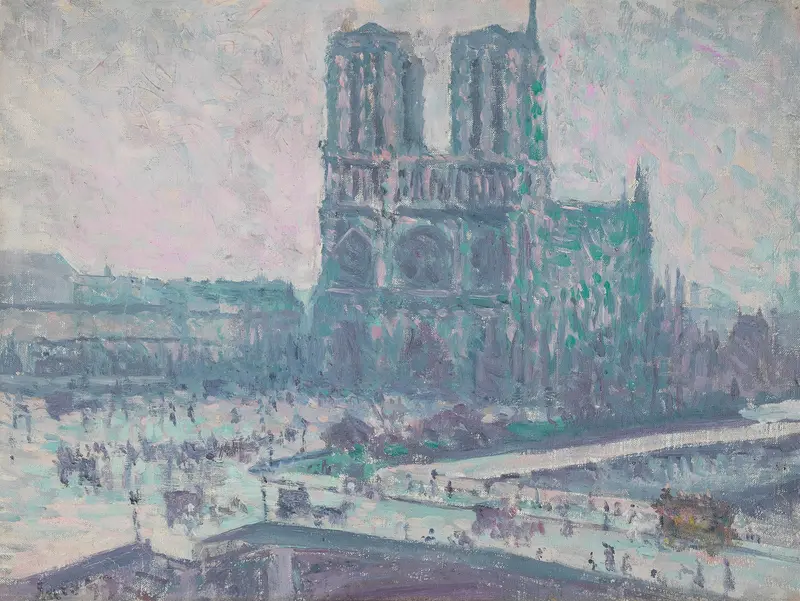
Notre Dame de Paris
Maximilien Luce
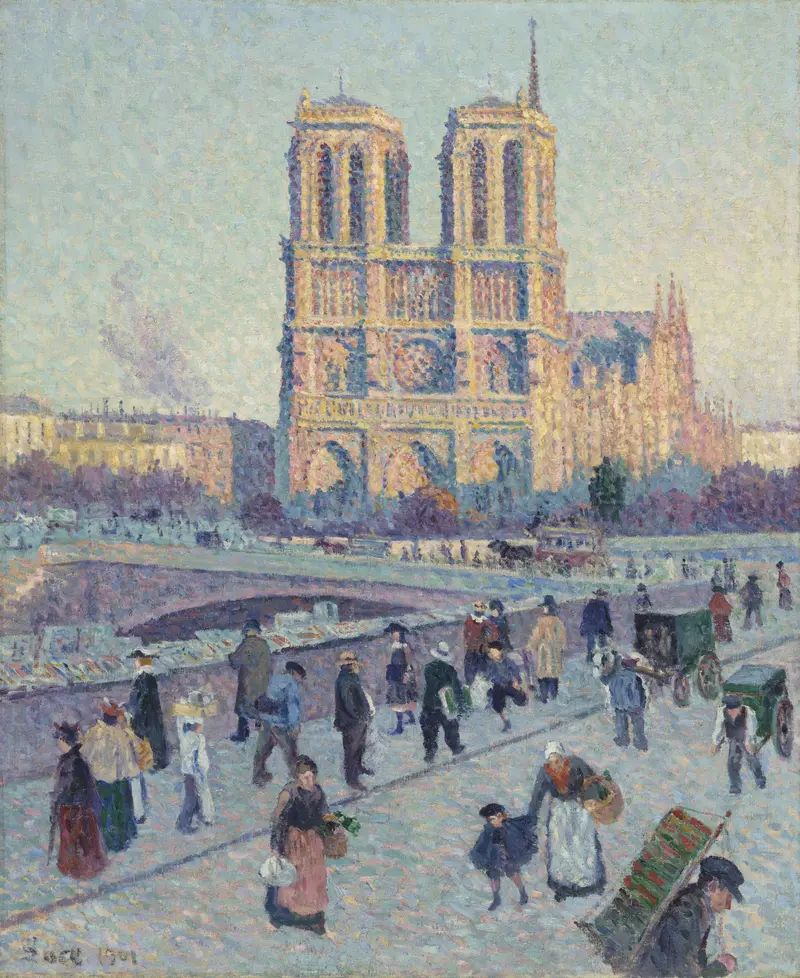
The Quai Saint-Michel and Notre-Dame
Maximilien Luce
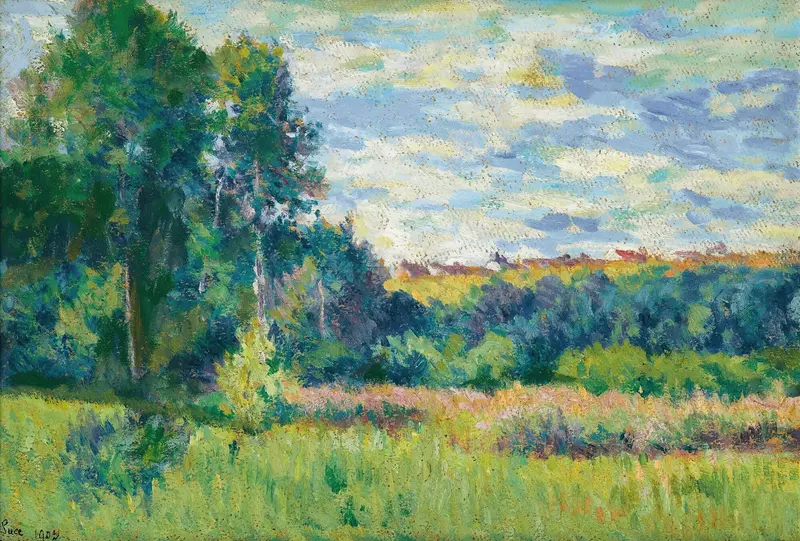
Paysage
Maximilien Luce
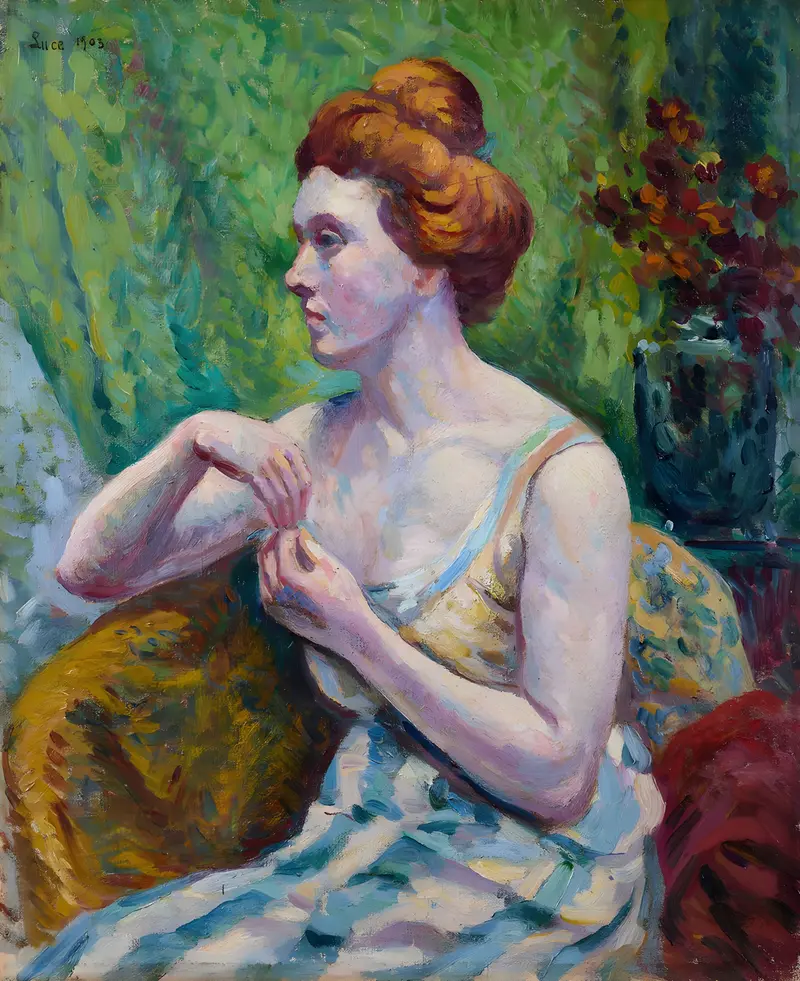
Portrait de femme
Maximilien Luce
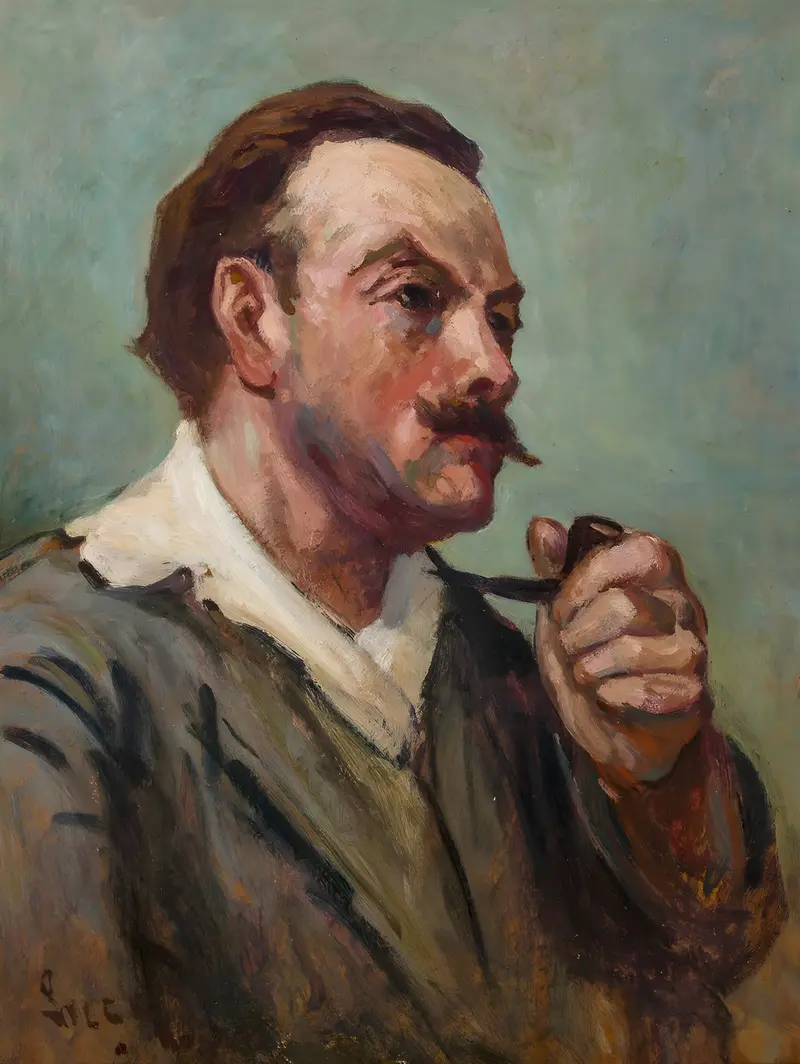
Portrait du Roger à la pipe
Maximilien Luce
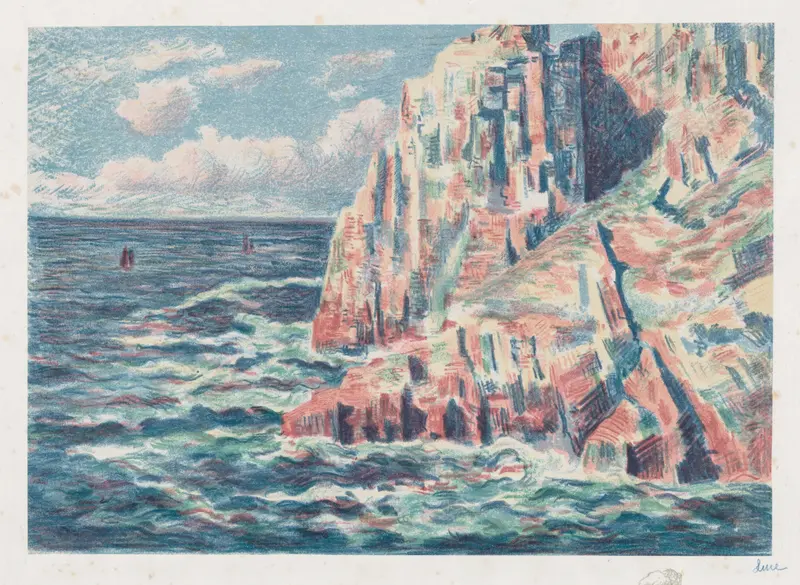
The Sea at Camaret, The Red Rocks
Maximilien Luce
More Landscape Art

The Starry Night
Vincent van Gogh

View of Delft
Johannes Vermeer

Water Lilies
Claude Monet

The Grand Canal, Venice, looking north-west from the Ca' Corner to the Ca' Contarini degli Scrigni, with the campanile of Santa Maria della Carità
Canaletto

Windsor Castle
Canaletto

The Grand Canal looking North-East from the Palazzo Dolfin-Manin to the Rialto Bridge
Canaletto