Jardin de Choisel — History & Facts
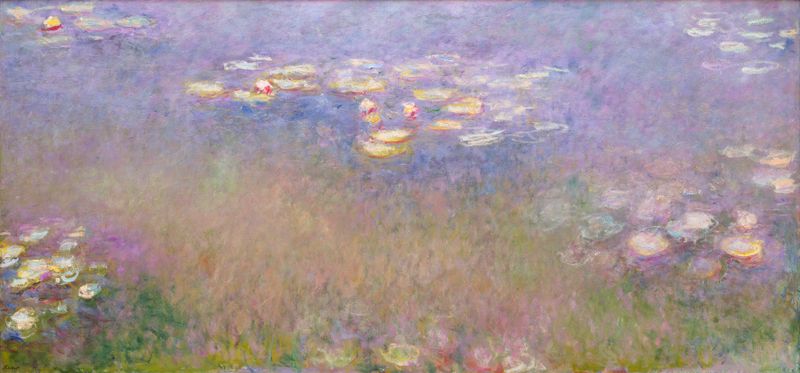
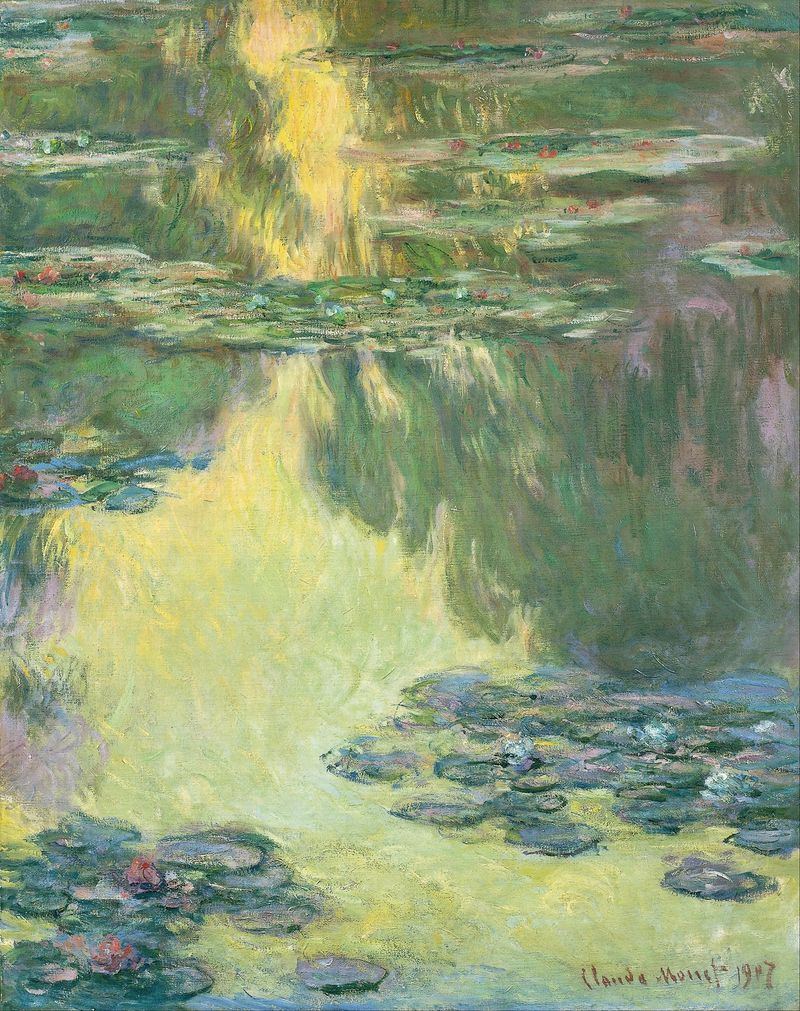
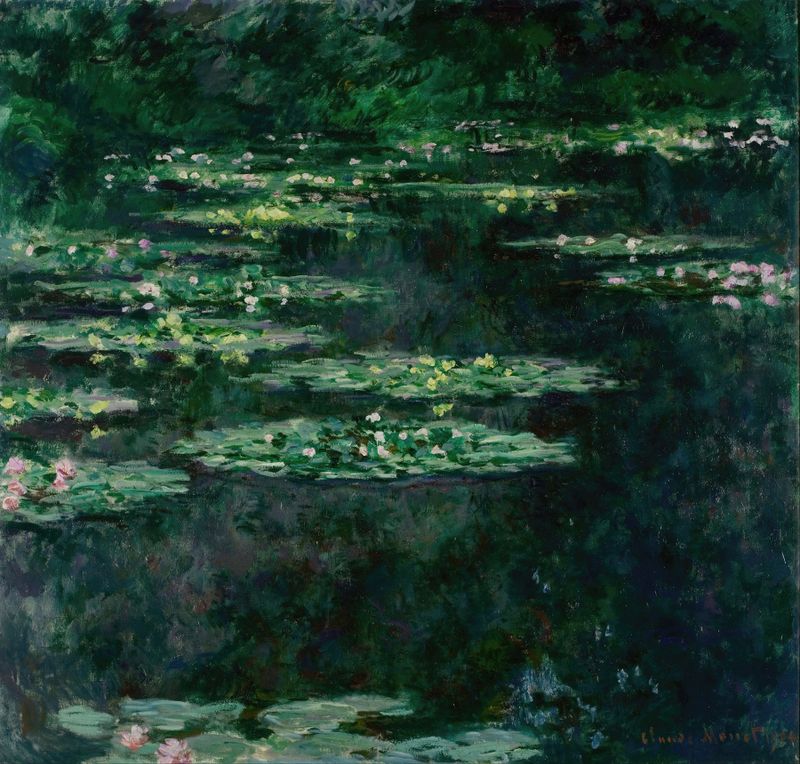
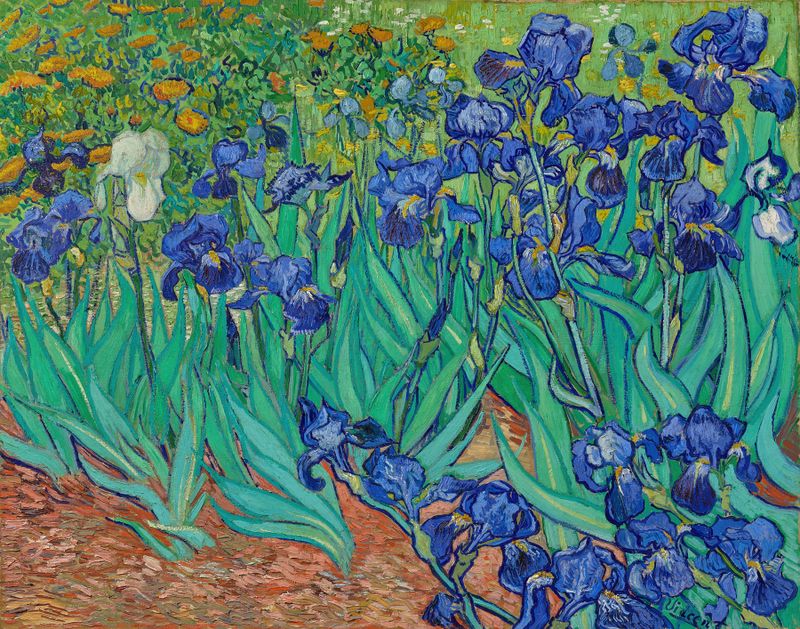
Can beauty exist without sorrow? In the gentle embrace of Jardin de Choisel, one is beckoned to ponder the bittersweet nature of nostalgia woven through vibrant strokes of color. Focus first on the lush greens that envelop the scene, capturing the viewer’s eye and drawing them into the heart of the garden. Notice how the bright yellows and delicate pinks of the flowers seem to dance in the sunlight, creating a vivid contrast against the deep verdancy. The brushwork is both energetic and fluid, suggesting a fleeting moment in time, as if the artist sought to capture not merely a place, but an ephemeral feeling.
The balance of light and shadow plays across the canvas, imbuing the garden with a sense of depth and inviting contemplation. Within this seemingly tranquil paradise lies an undercurrent of longing. The vibrant blooms may evoke joy, yet their finite beauty reminds us of decay and the inevitability of change. The scattered petals whisper of moments lost, while the serene setting hints at an underlying melancholy; it is a celebration of life, yet tinged with the ache of remembering.
This interplay of emotion creates a profound tension, inviting viewers to reflect on their own experiences with beauty and loss. In 1930, Louis Valtat painted this piece during a period marked by a rich exploration of color and form within the Post-Impressionist movement. Living in France, he was deeply affected by the changing social landscape and artistic dialogues of his time, as traditional boundaries in art began to dissolve. Jardin de Choisel stands as a testament to his unique vision, merging nostalgia with an exuberance that resonates even today.
More Artworks by Louis Valtat
Browse all →
Bord de rivière aux arbres
Louis Valtat

Normandie
Louis Valtat

Paysage du Midi
Louis Valtat
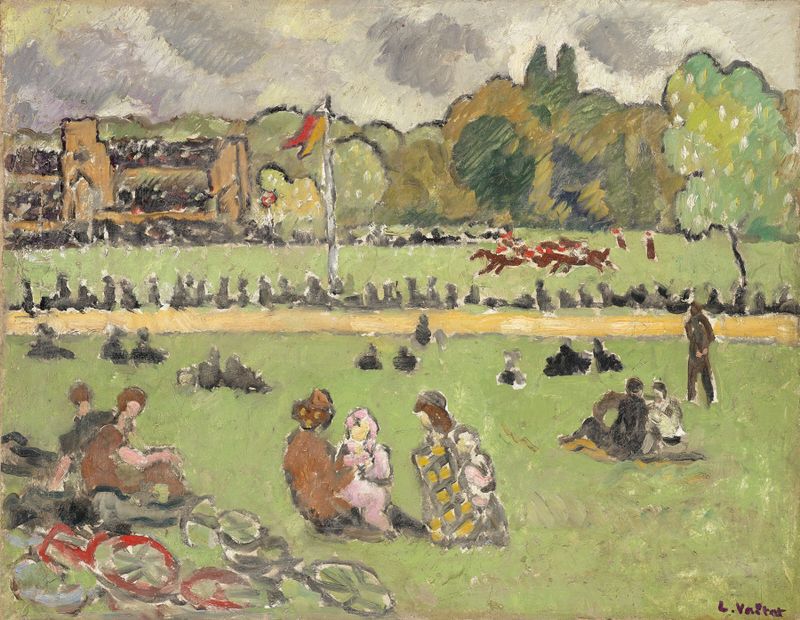
Les Courses
Louis Valtat
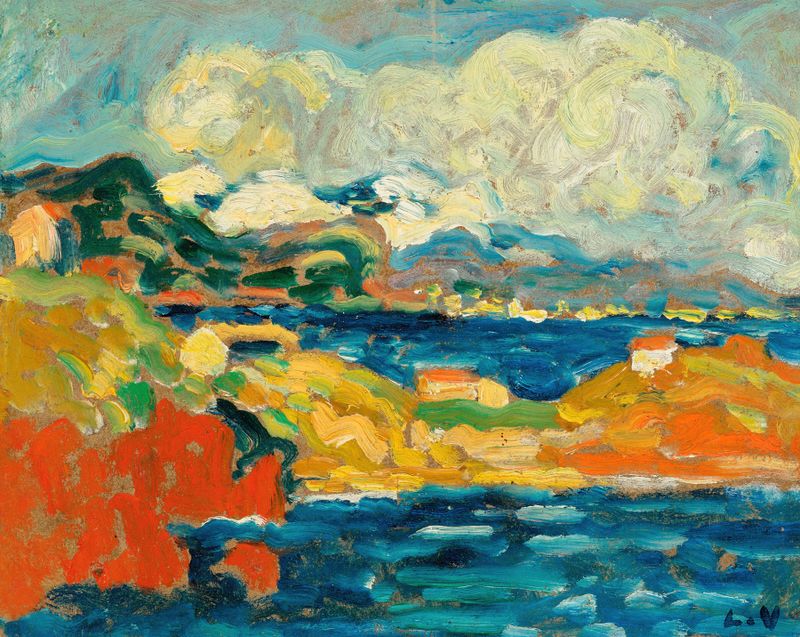
La baie à Anthéor
Louis Valtat

Femme assise au bord de la mer
Louis Valtat
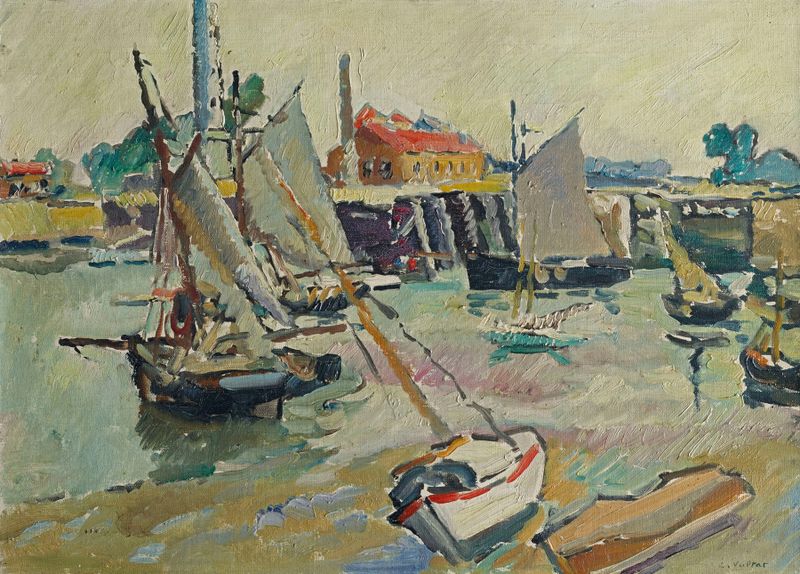
Voiliers au port à marée basse, Ouistreham
Louis Valtat

La maison au bord de la route en Normandie
Louis Valtat

La maison dans le jardin fleuri
Louis Valtat

Le jardin de la maison au toit rouge
Louis Valtat