
Jardin de la Fontaine at Nimes, France — History & Facts
In moments of solitude, the canvas invites us to confront our own emptiness, subtly echoing the stillness of our hearts. Focus first on the serene pathway that meanders through the lush greenery, guiding your eyes deeper into the tranquil scene. Notice how the dappled light filters through the overhead foliage, creating a play of shadows that dances across the ground. The vibrant greens interlace with soft blues and the muted earth tones of the path, capturing the essence of a peaceful retreat.
This careful balance of color invites the viewer to linger, contemplating the inviting yet distant warmth of the sun-drenched garden. Delve into the emotional tension encapsulated in the emptiness of the scene. The absence of figures invites a personal reflection; what stories might be woven into this serene garden? The gentle ripples in the water and the way the leaves sway in the breeze speak of life, yet a profound stillness reigns, suggesting both beauty and solitude. This contrast evokes a longing for connection, a yearning for what remains unseen and unspoken within ourselves. In 1911, Jardin de la Fontaine at Nimes, France was created during a pivotal moment in James Carroll Beckwith's career, as he was deeply engaged in the American Impressionist movement.
Living in Paris at the time, he was influenced by the vibrant art scene around him while also grappling with personal challenges. This painting reflects not only his technical mastery but also a contemplative response to the changing world, embodying a quiet moment of introspection amidst the bustling life surrounding him.
More Artworks by James Carroll Beckwith
Browse all →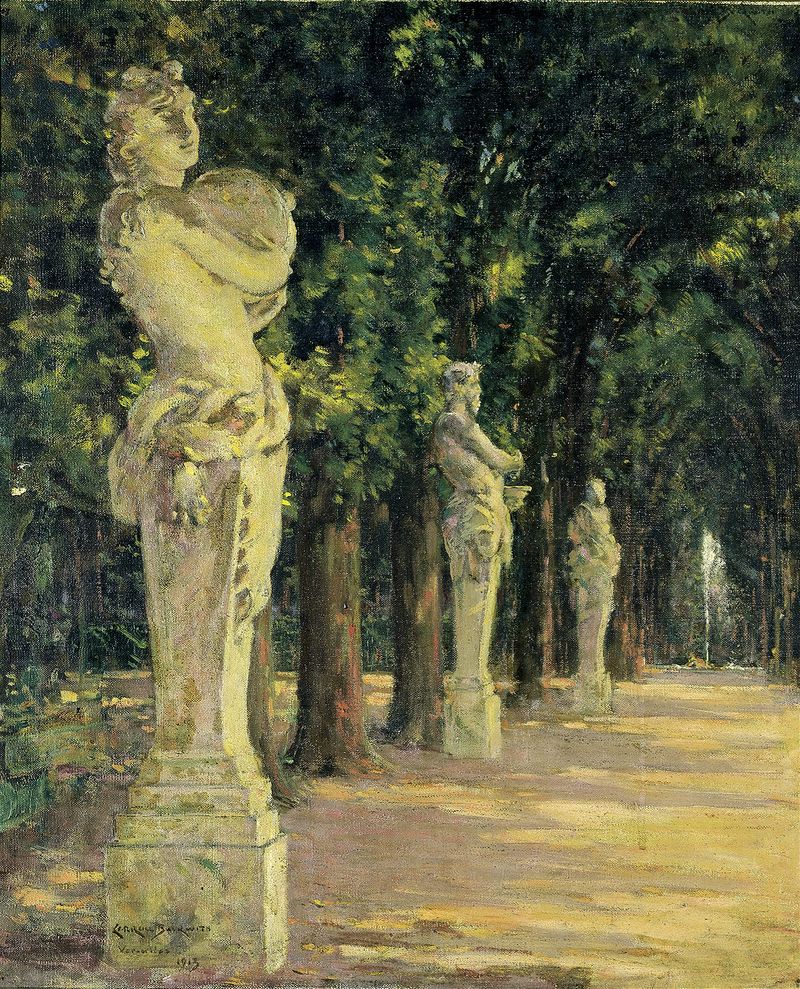
Allee de l’Ete, Versailles
James Carroll Beckwith

Carrefour at the End of the Tapis Vert, Versailles
James Carroll Beckwith

Bassin de Neptune, Versailles
James Carroll Beckwith

Nymph and Cupid
James Carroll Beckwith

George Martin Lane (1823-1897)
James Carroll Beckwith
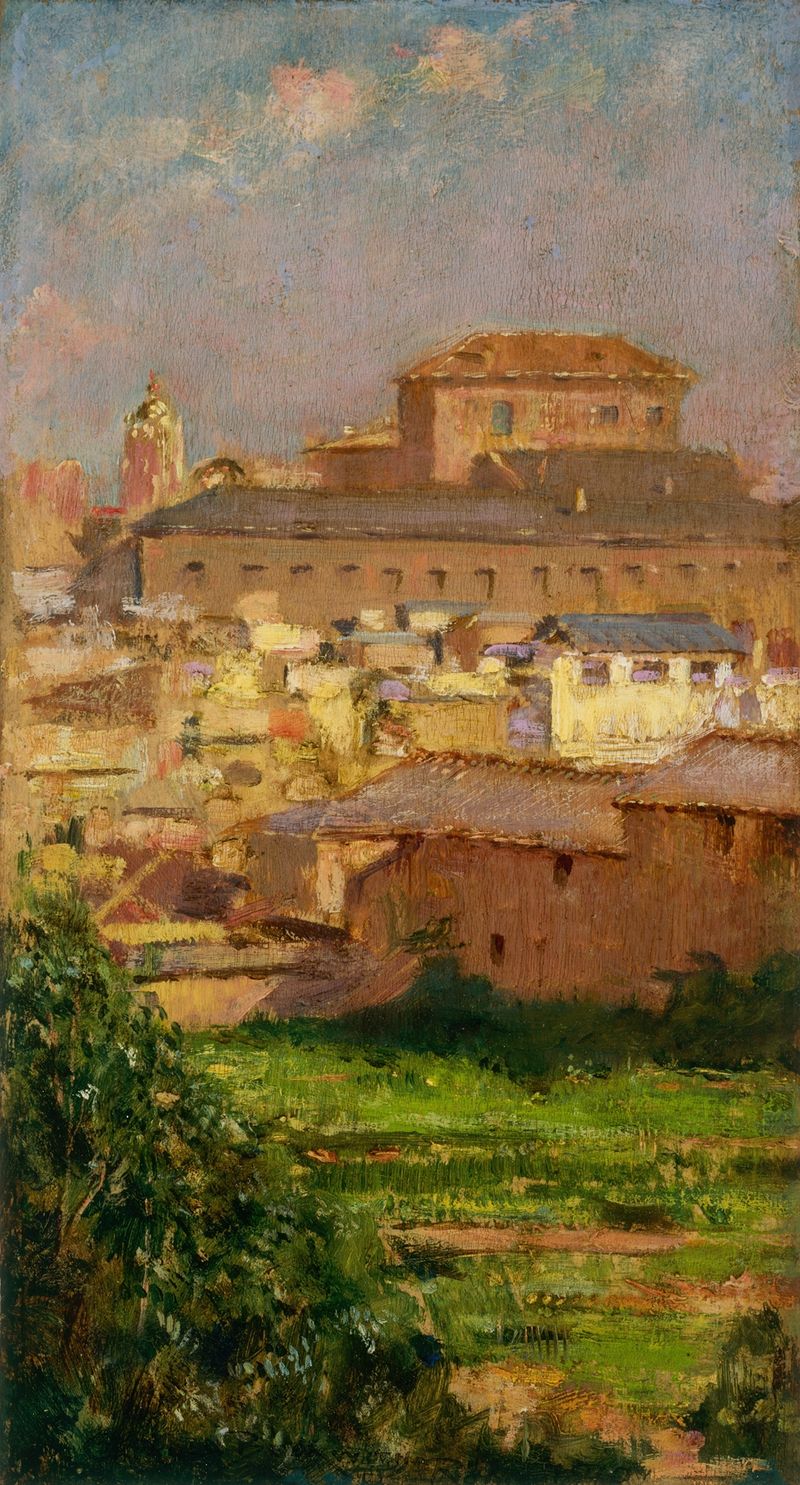
Palazzo Barberini, Rome
James Carroll Beckwith
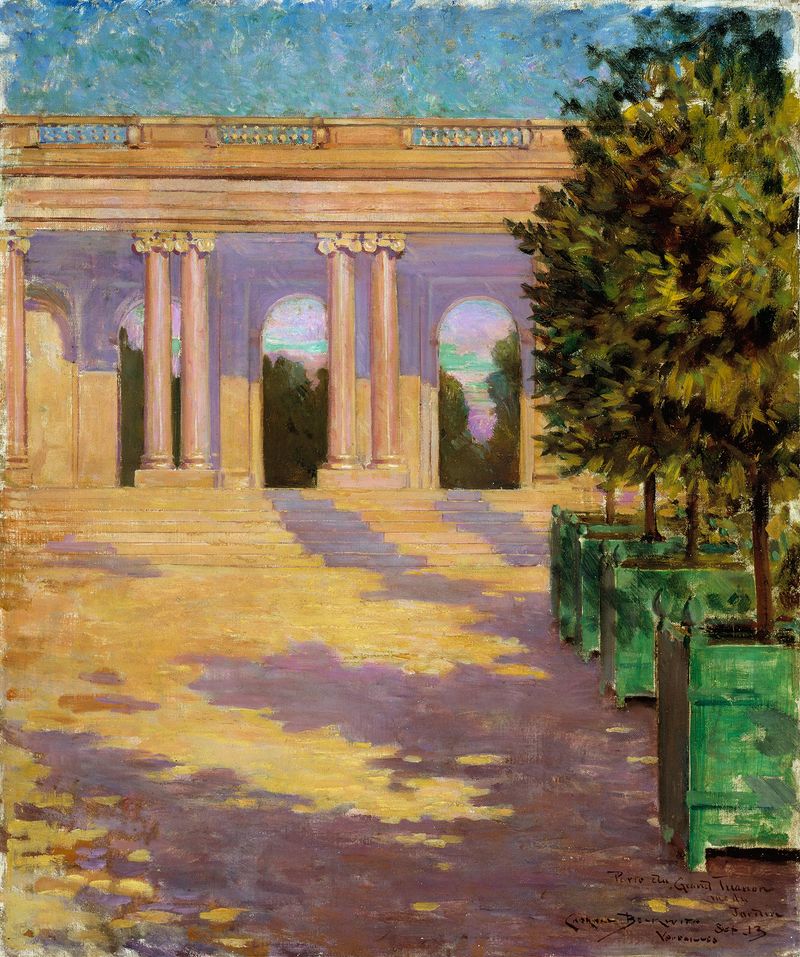
Arcade of the Grand Trianon, Versailles
James Carroll Beckwith

Cathedral at le Puy
James Carroll Beckwith

The Palace of the Popes and Pont d’Avignon
James Carroll Beckwith
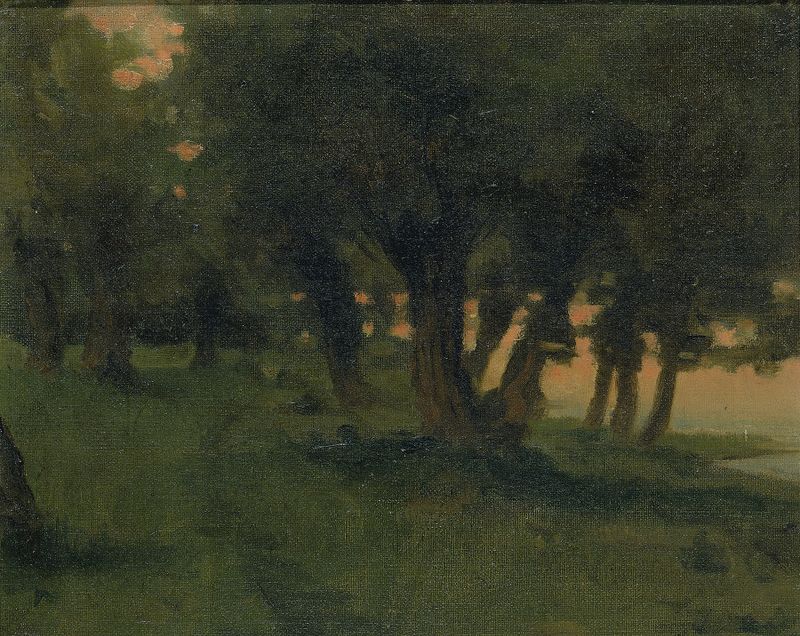
On the Banks of the Rhine, near St. Germain at Mont d’Or
James Carroll Beckwith





