
‘Je me meurs’; Atalide Faints upon Hearing Bajazet’s Fate — History & Facts
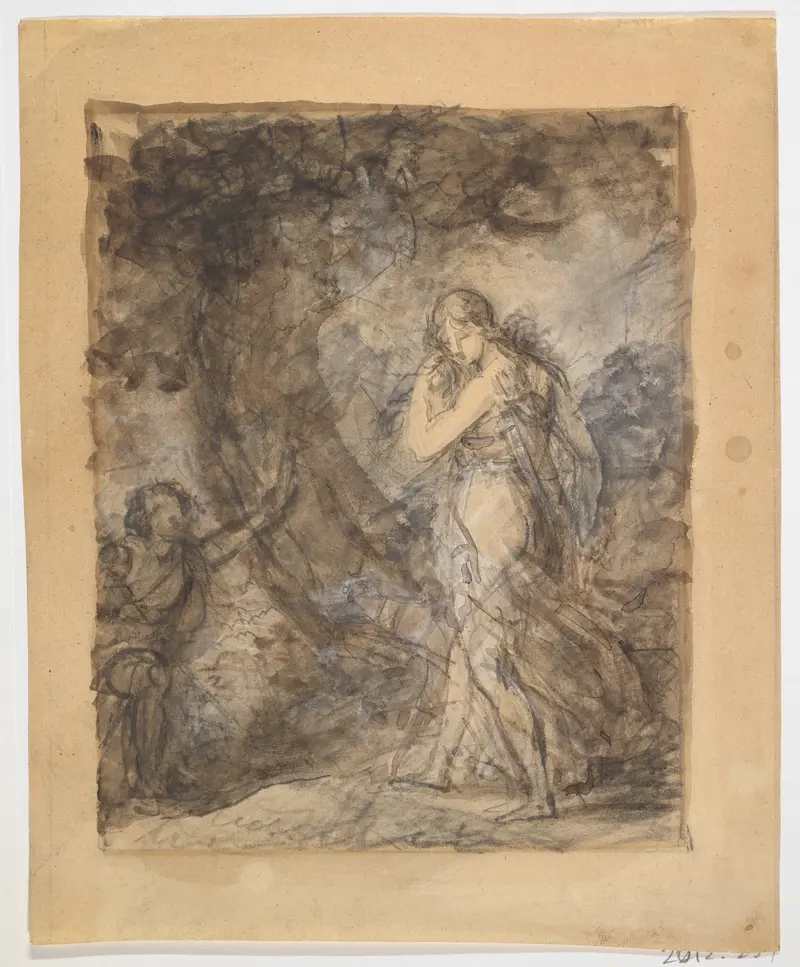
When François Gérard unveiled ‘Je me meurs’; Atalide Faints upon Hearing Bajazet’s Fate, he chose to immortalize a scene from Jean Racine’s celebrated 1672 tragedy Bajazet, a play that scandalized Paris with its tale of Ottoman intrigue and forbidden love. Racine’s drama, itself inspired by real events in the Ottoman court, shocked audiences with its depiction of harem politics and the tragic downfall of its lovers. Gérard’s painting captures the exact moment when Atalide, overwhelmed by the news of Bajazet’s execution, collapses in despair—a scene that had riveted theatre-goers for over a century. At the heart of the canvas, Atalide’s body slackens, her arm falling limply as her attendants rush to support her.
Gérard’s precise rendering of her pallor and the trembling hands of her companions draws the viewer into the intensity of the moment. The opulent fabrics and the subtle interplay of light across Atalide’s face and dress speak to the luxury and confinement of the imperial harem. Unlike Jean-Auguste-Dominique Ingres’s later orientalist works, Gérard’s approach remains rooted in neoclassical restraint, focusing on psychological drama rather than exotic detail.
The chain Atalide wears, a visual echo of her emotional captivity, underscores the tragic cost of love thwarted by power. The precise origins of this painting remain uncertain; its commission and early history are not well documented, though it likely emerged during Gérard’s mature period, when he was celebrated for his history paintings and portraits. Over time, the work has been exhibited in various salons and collections, admired for its theatrical composition and emotional clarity. Today, it stands as a testament to Gérard’s ability to translate literary drama into visual form, bridging the worlds of French theatre and neoclassical painting.
Its survival and continued display invite viewers to reflect on the enduring allure of tragic romance and the power of storytelling across different media.
More Artworks by François Gérard

Portrait of Emperor Napoleon I
François Gérard
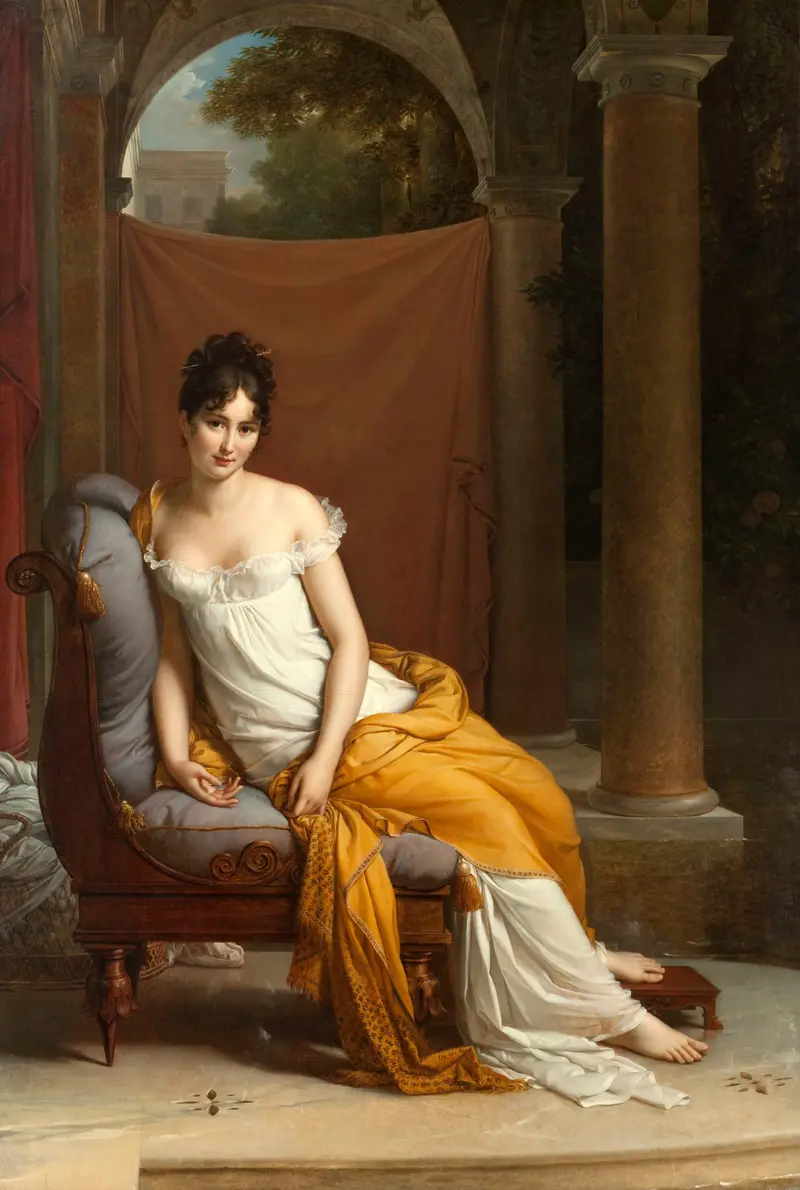
Portrait of Juliette Récamier, née Bernard
François Gérard
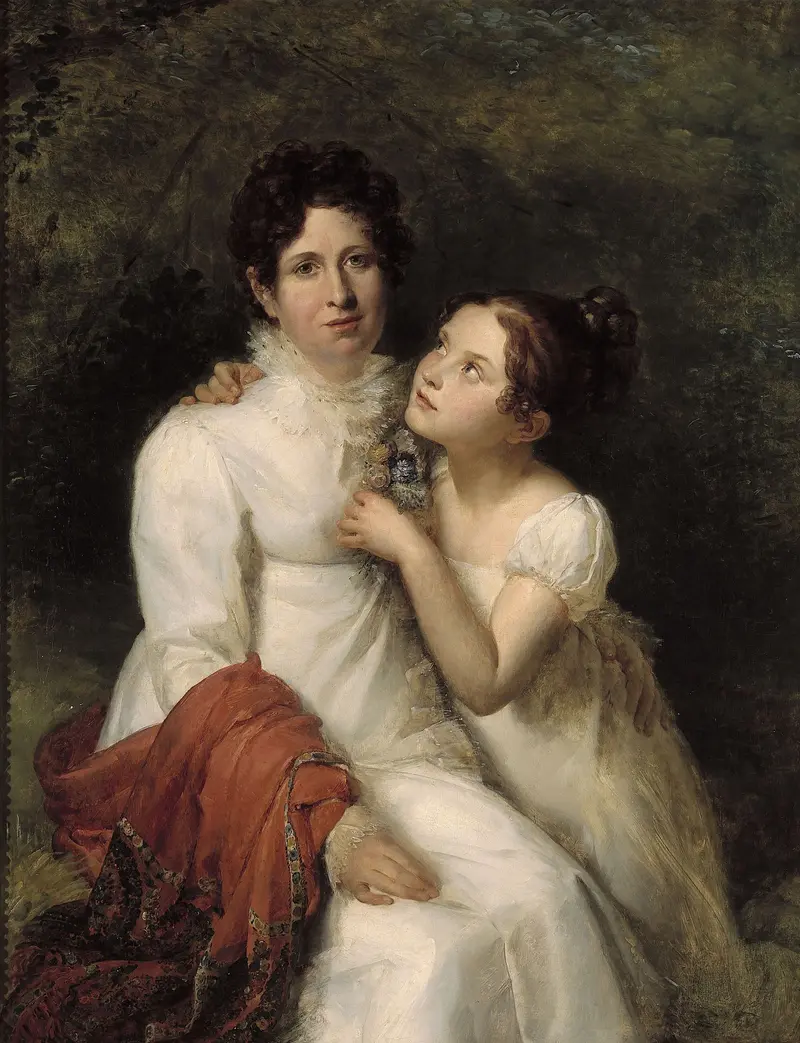
Portrait de Madame Bauquin Du Boulay et de sa nièce Mademoiselle Bauquin de La Souche
François Gérard
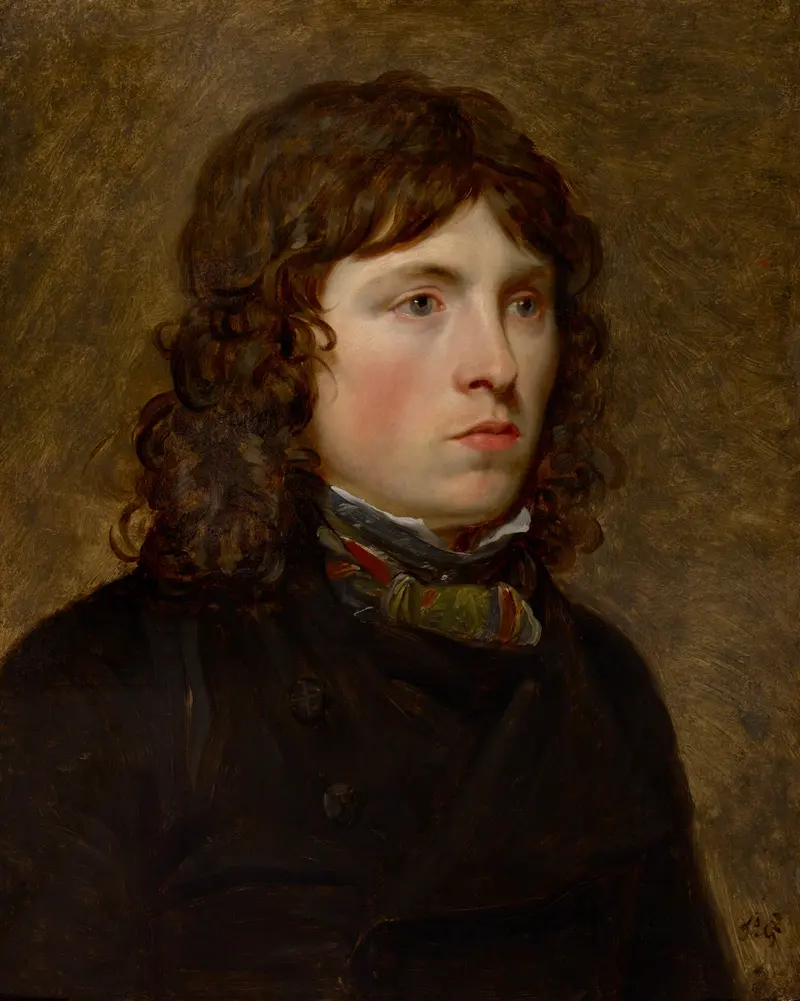
Portrait of G. F. Reverdin
François Gérard
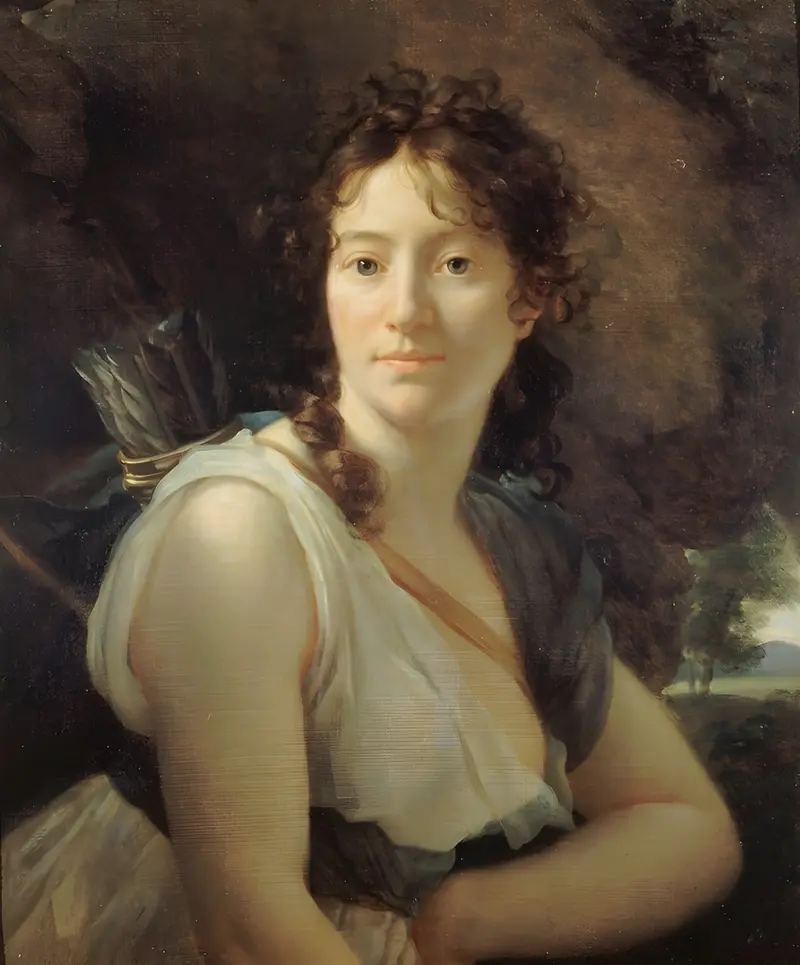
Portrait Of Mademoiselle Duchesnois (1777-1835), Member Of The Comédie-Française, In The Role Of Dido.
François Gérard
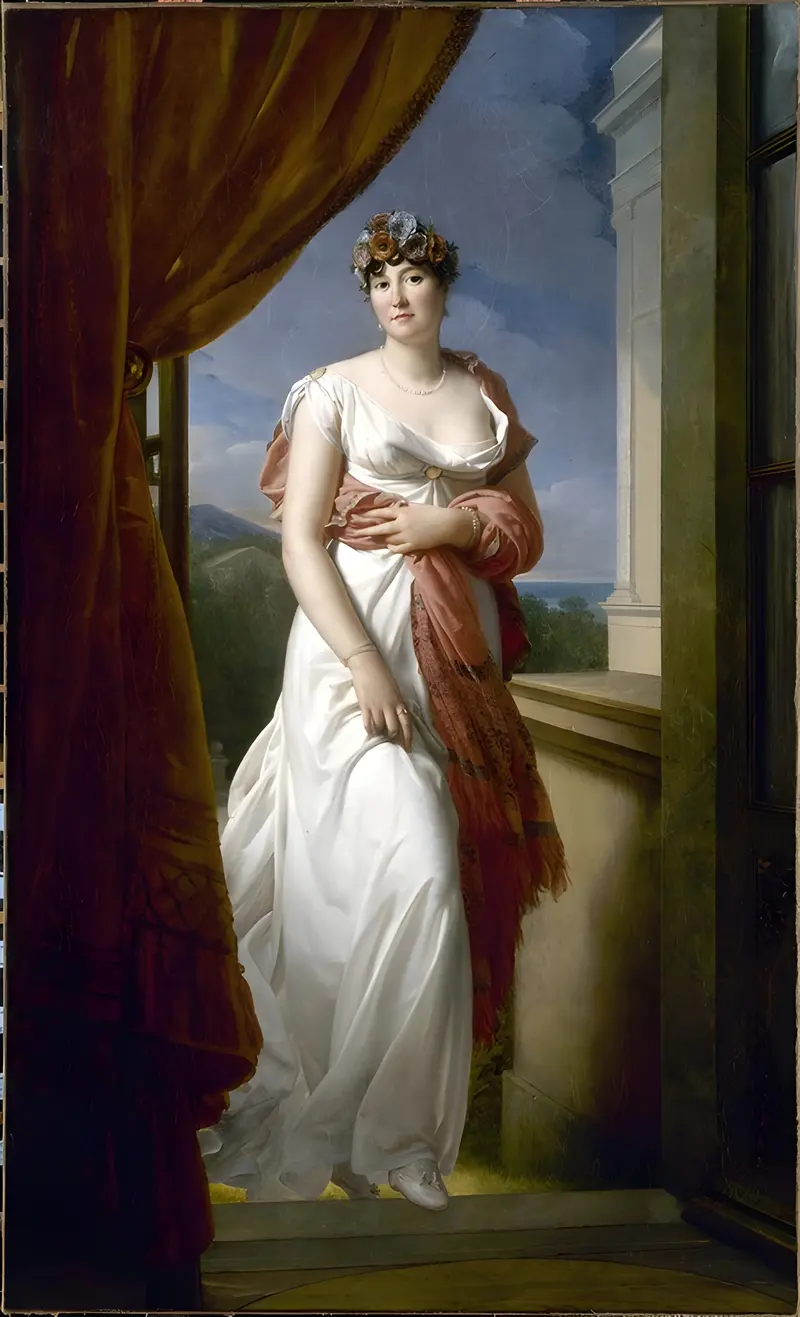
Portrait Of Theresia Cabarrus (1773-1835), Wife Tallien, Then Princess Of Caraman-Chimay
François Gérard
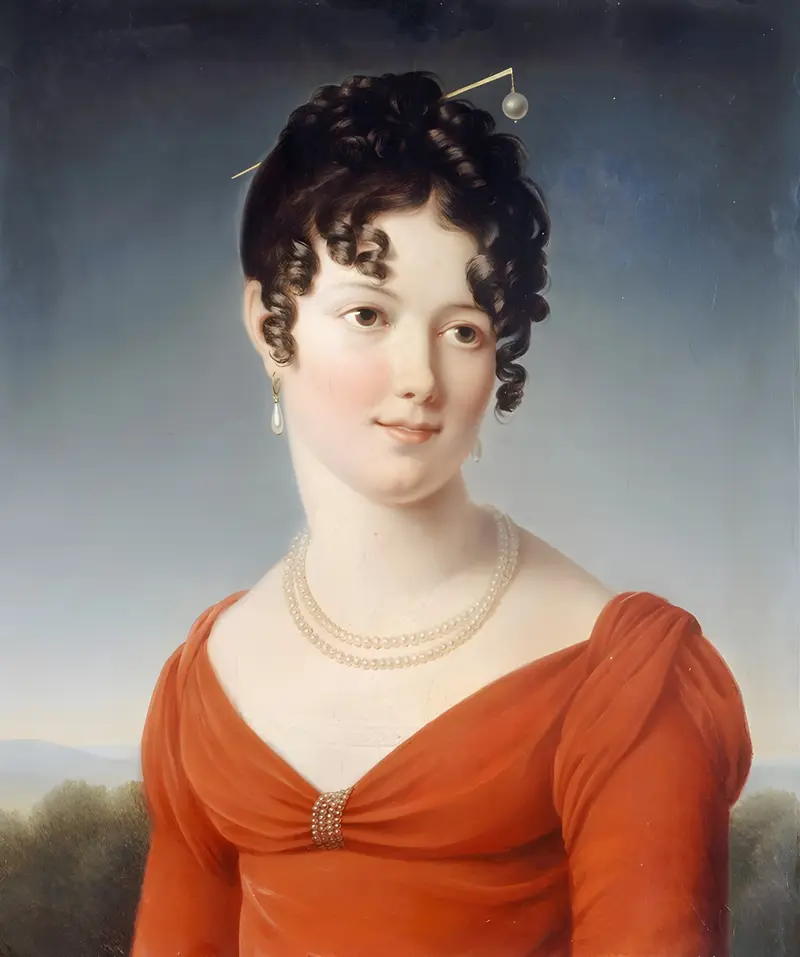
Bust Portrait Of Alexandrine-Anne De La Pallu, Marquise De Flers (1786-1832)
François Gérard
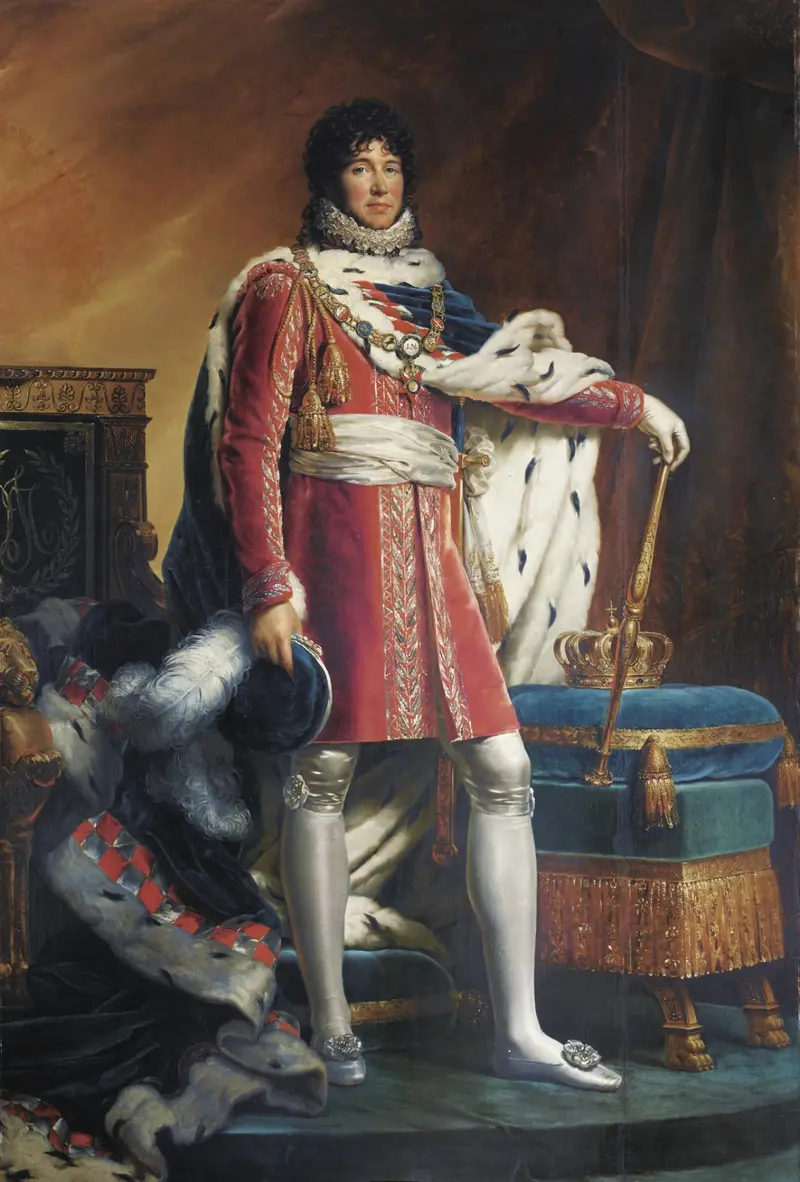
Portrait of Joachim Napoléon Murat, King of Naples and of the two Sicilies
François Gérard
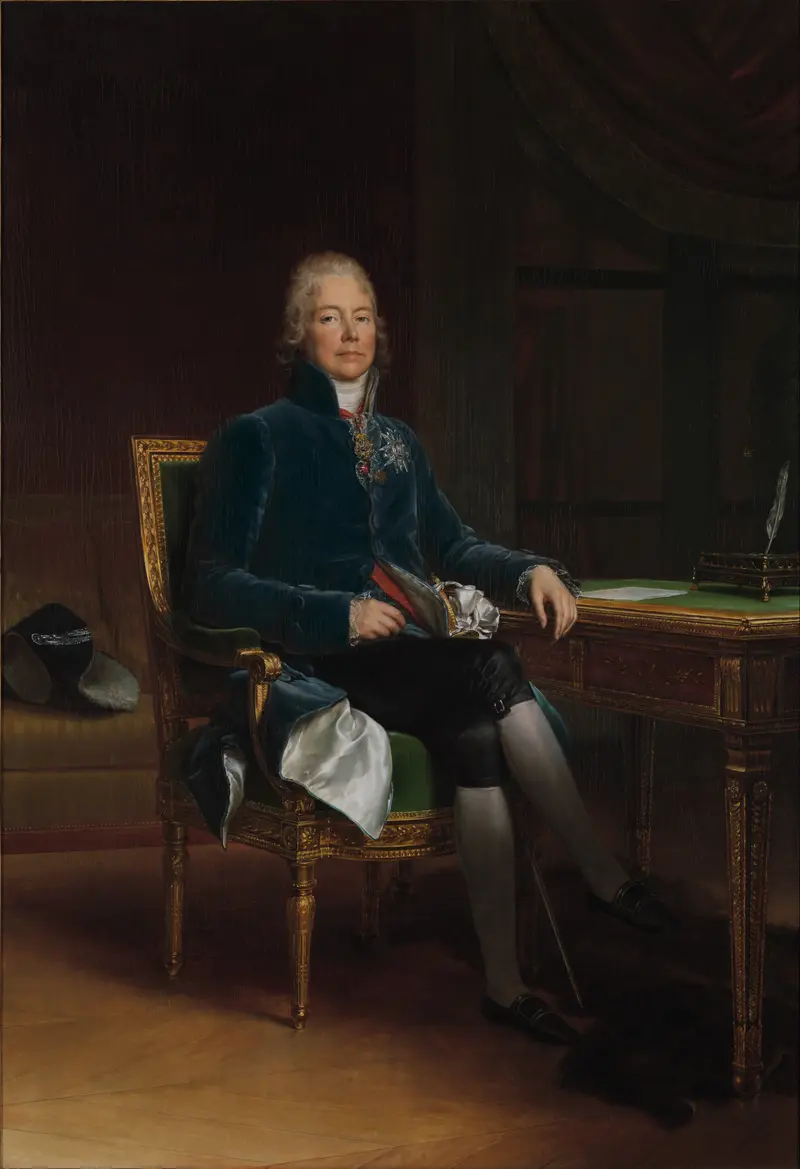
Charles Maurice de Talleyrand Périgord (1754–1838), Prince de Bénévent
François Gérard
Daphnis Running toward Chloe
François Gérard





