
Discover insights about this artwork
Jealousy — History & Facts
In Jealousy, Edvard Munch uses a striking palette of greens and reds to convey intense emotions. The central figure appears tormented, with a distorted face that reflects inner turmoil. Surrounding figures seem to embody jealousy and desire, creating a tense atmosphere.
The background is abstract, enhancing the emotional weight of the scene. The painting is executed in oil on canvas, a medium that allows for rich color and texture. Munch's brushwork is expressive, with visible strokes that add to the emotional intensity. The approximate dimensions of the work are 90 x 70 cm, making it a medium-sized piece.
The composition is dynamic, drawing the viewer's eye to the central figure's anguish. Edvard Munch was a key figure in the Symbolist movement, known for exploring psychological themes. Jealousy reflects his fascination with complex emotions and relationships. An interesting fact about this work is that it was created during a period when Munch was grappling with his own feelings of jealousy and insecurity.
This personal connection adds depth to the painting's emotional resonance.
More Artworks by Edvard Munch
More Allegory Art
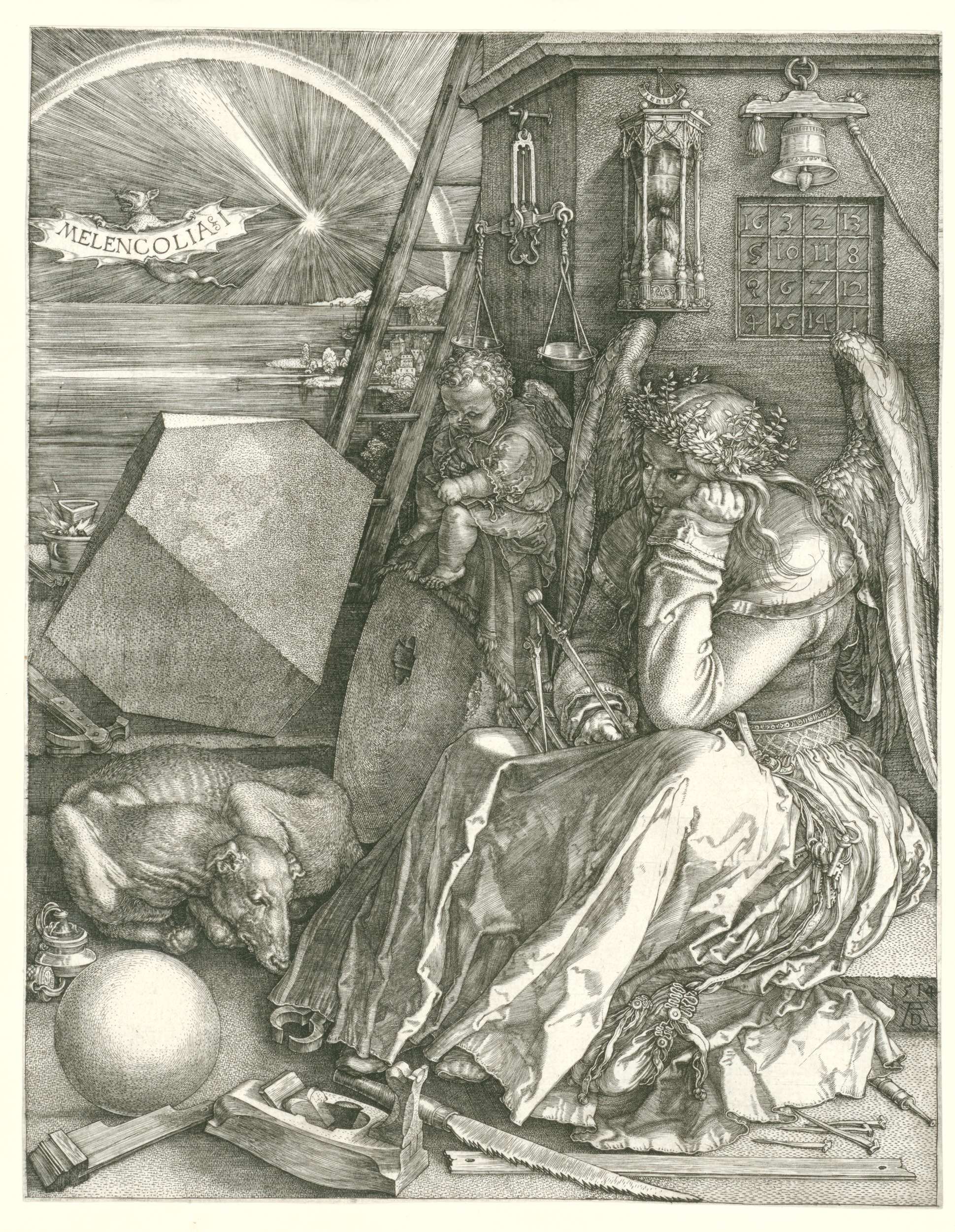
Melancholia
Albrecht Dürer
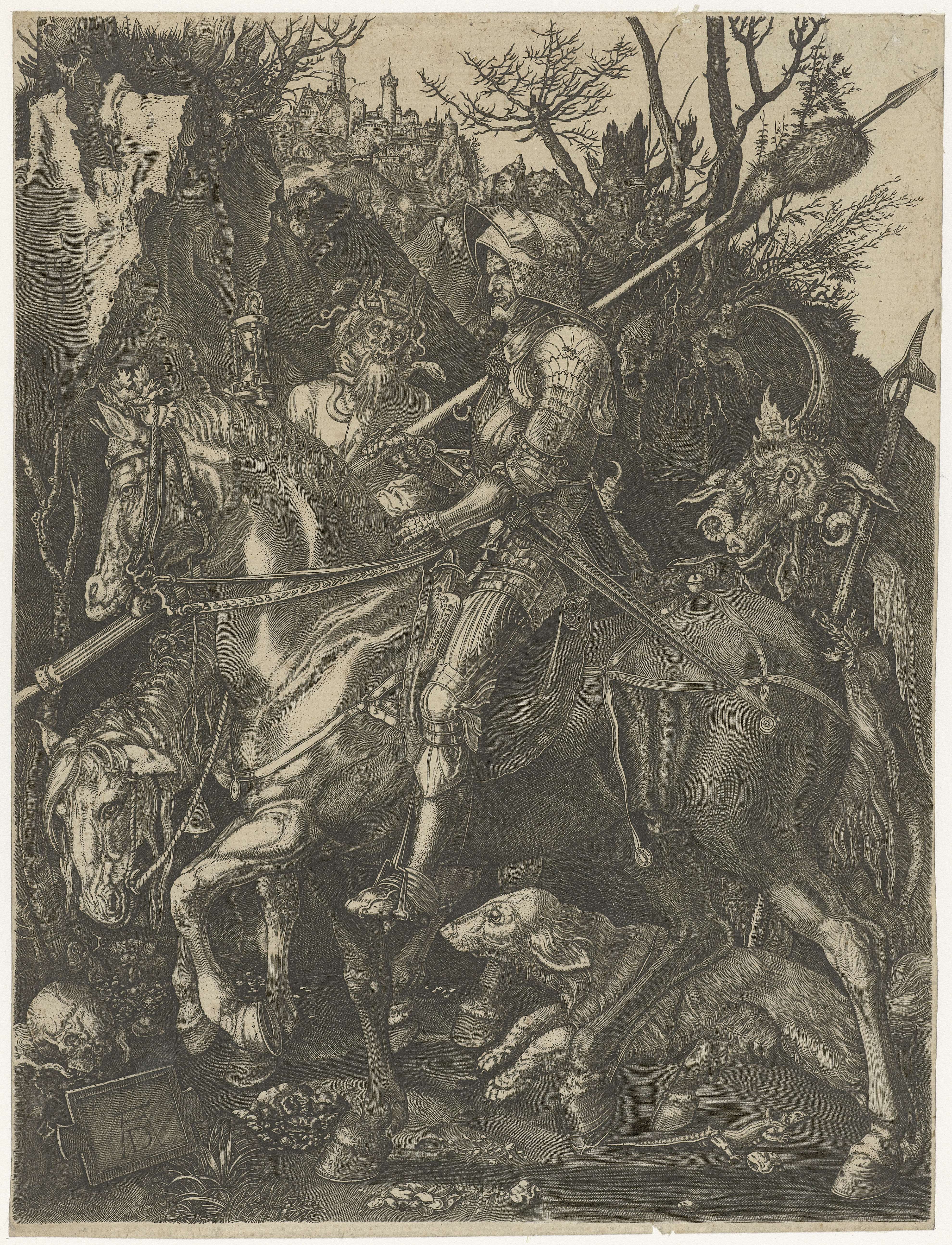
Ridder, Dood en Duivel
Unknown Artist
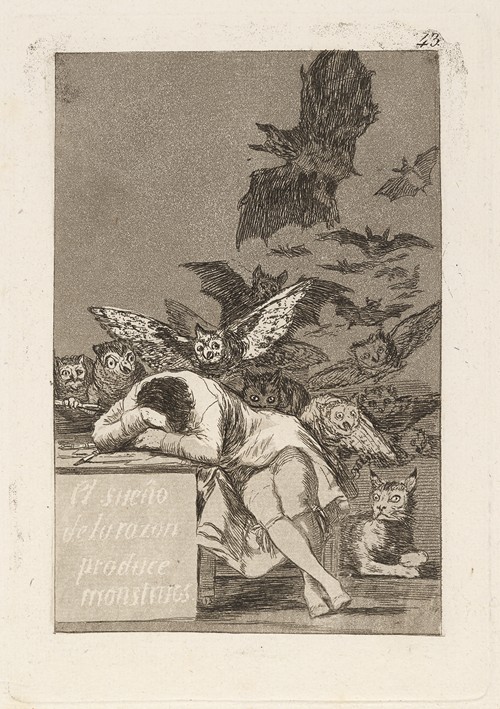
El sueño de la razon produce monstruos. (The sleep of reason produces monsters.)
Francisco de Goya
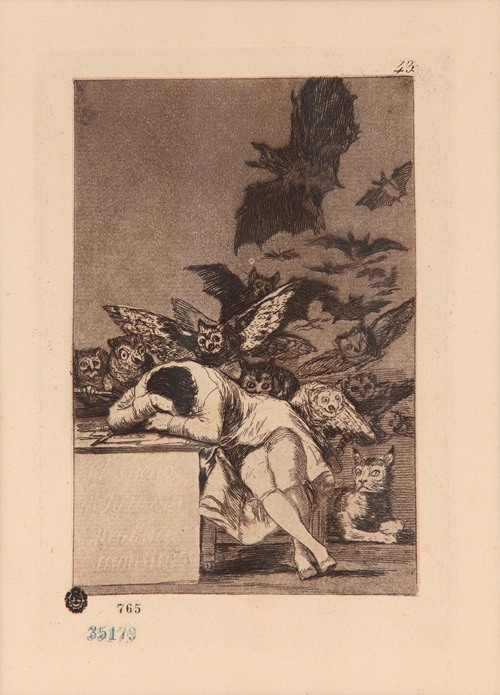
El sueño de la razon produce moustruos (Serie Caprichos)
Francisco de Goya
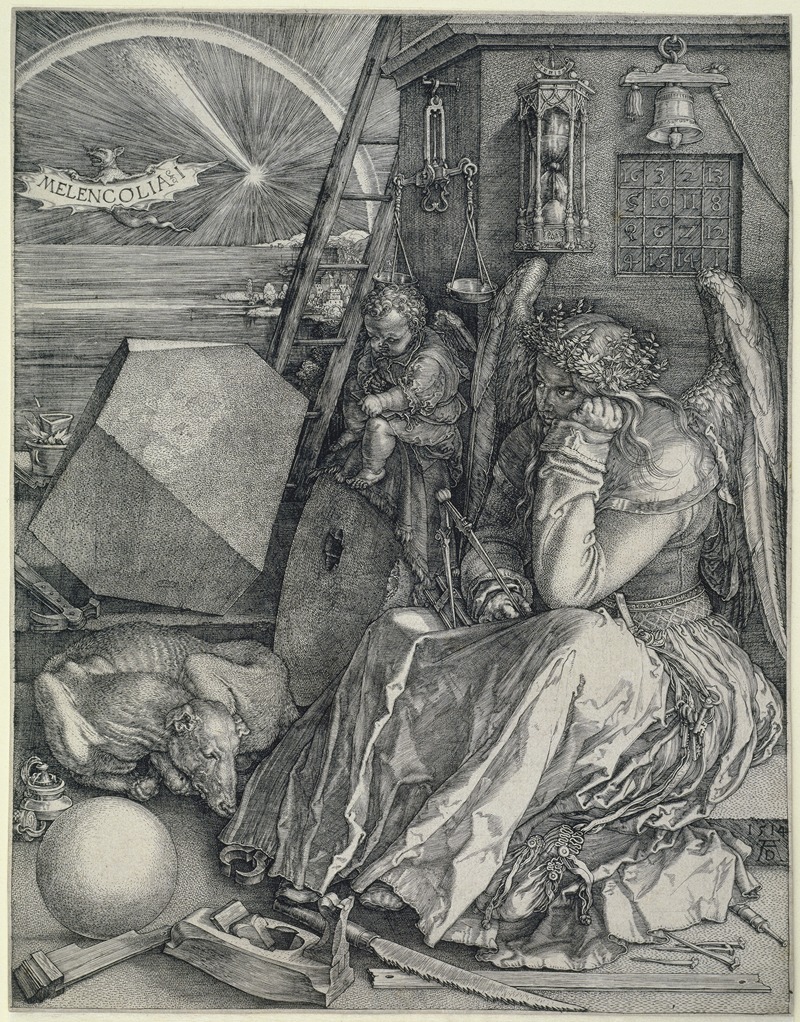
Melencolia I (The Melancholy)
Albrecht Dürer
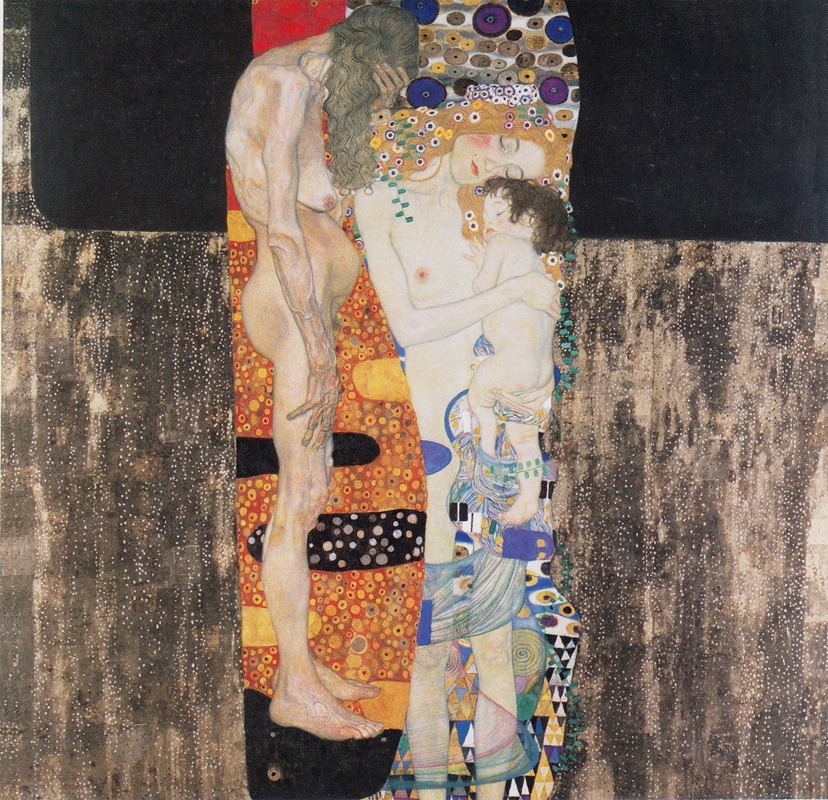
The Three Ages of the Woman
Gustav Klimt