
Discover insights about this artwork
Jean Journet Departing for the Conquest of Universal Harmony — History & Facts
In Jean Journet Departing for the Conquest of Universal Harmony, Gustave Courbet presents a rich palette of colors, primarily earthy tones and muted hues. The central figure, Jean Journet, is depicted with a determined expression, dressed in a historical costume that suggests a journey of significance. Surrounding him are symbolic elements that hint at the quest for harmony, including musical instruments and allegorical figures.
The setting appears to be a blend of natural and constructed environments, enhancing the theme of exploration. The painting is executed in oil on canvas, a medium that allows for deep color saturation and texture. Courbet's technique showcases his skill in blending colors to create lifelike representations, particularly in the rendering of fabrics and skin tones. The dimensions are approximately 100 x 150 cm, making it a sizable work that draws viewers in.
The composition is carefully arranged, guiding the eye toward Journet as the focal point of the narrative. Gustave Courbet, a leading figure in the Realism movement, often focused on themes of social and political significance. This painting, created in the 1860s, reflects Courbet's interest in allegory and the human experience. An interesting fact about this work is that it was inspired by the historical figure Jean Journet, who was known for his philosophical pursuits.
Courbet's portrayal elevates Journet's quest to a universal level, inviting viewers to contemplate their own journeys toward harmony.
More Artworks by Gustave Courbet
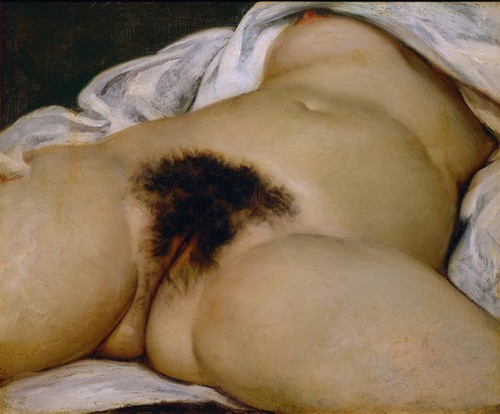
Origin of the World
Gustave Courbet
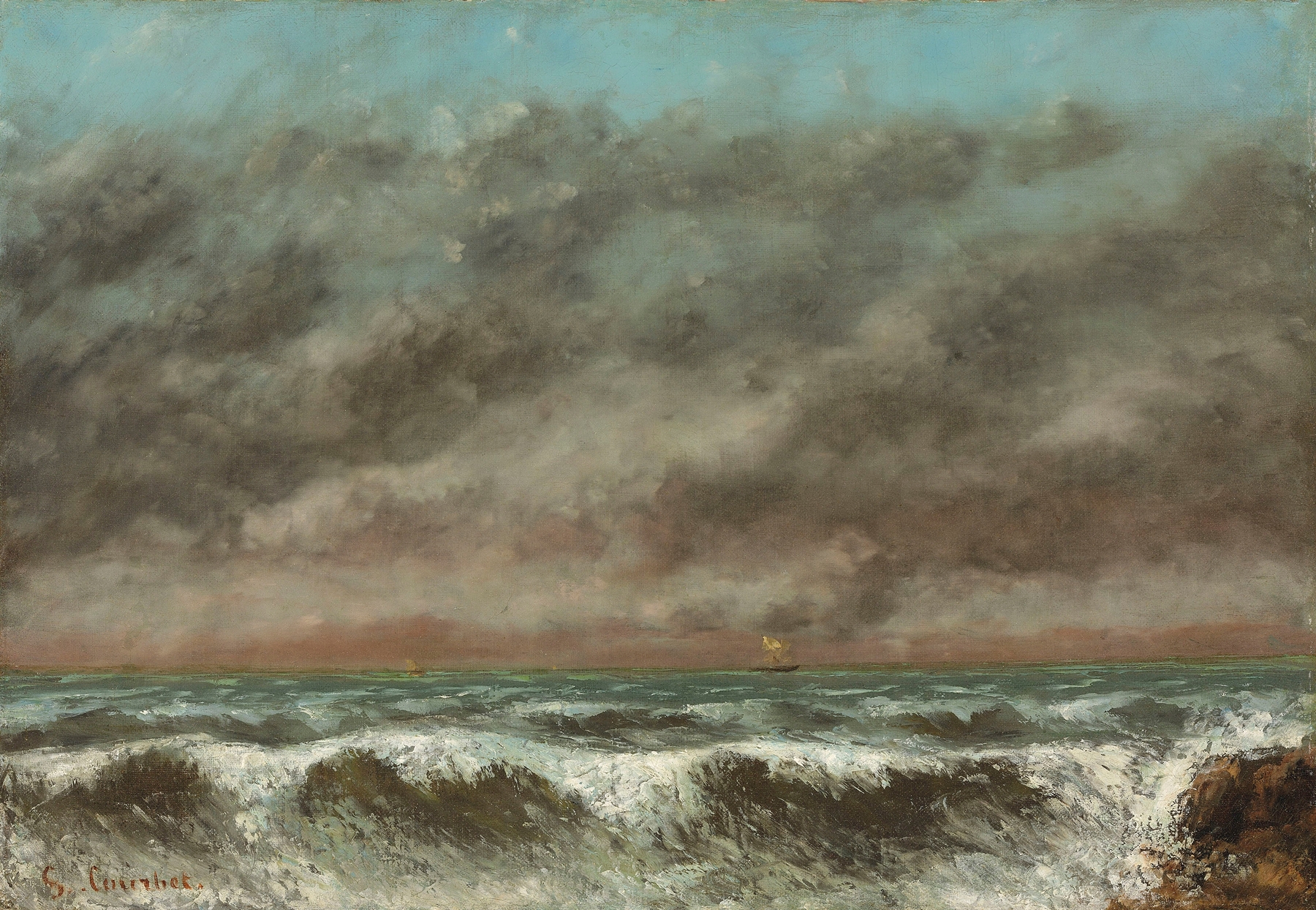
Marine
Gustave Courbet
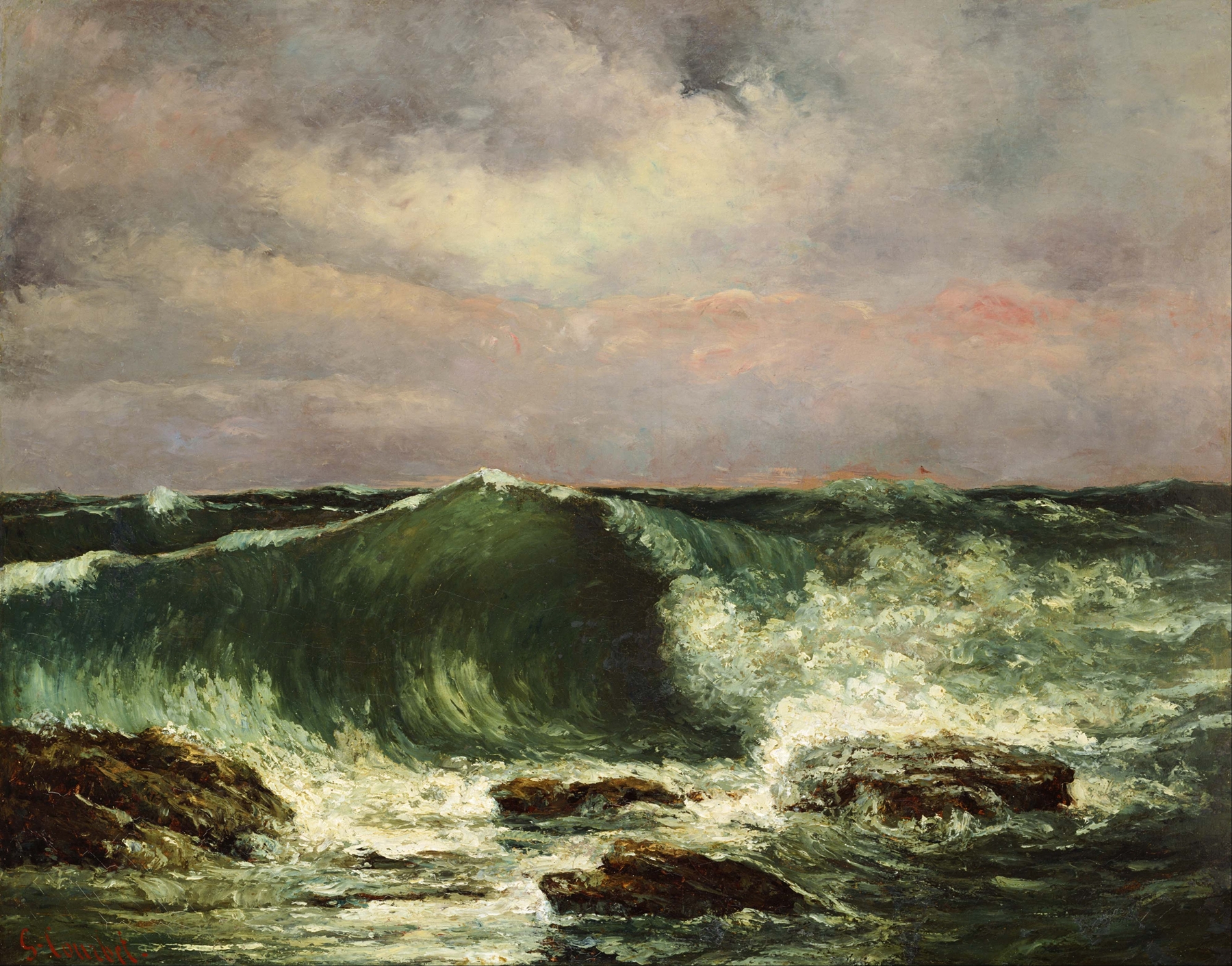
Waves
Gustave Courbet
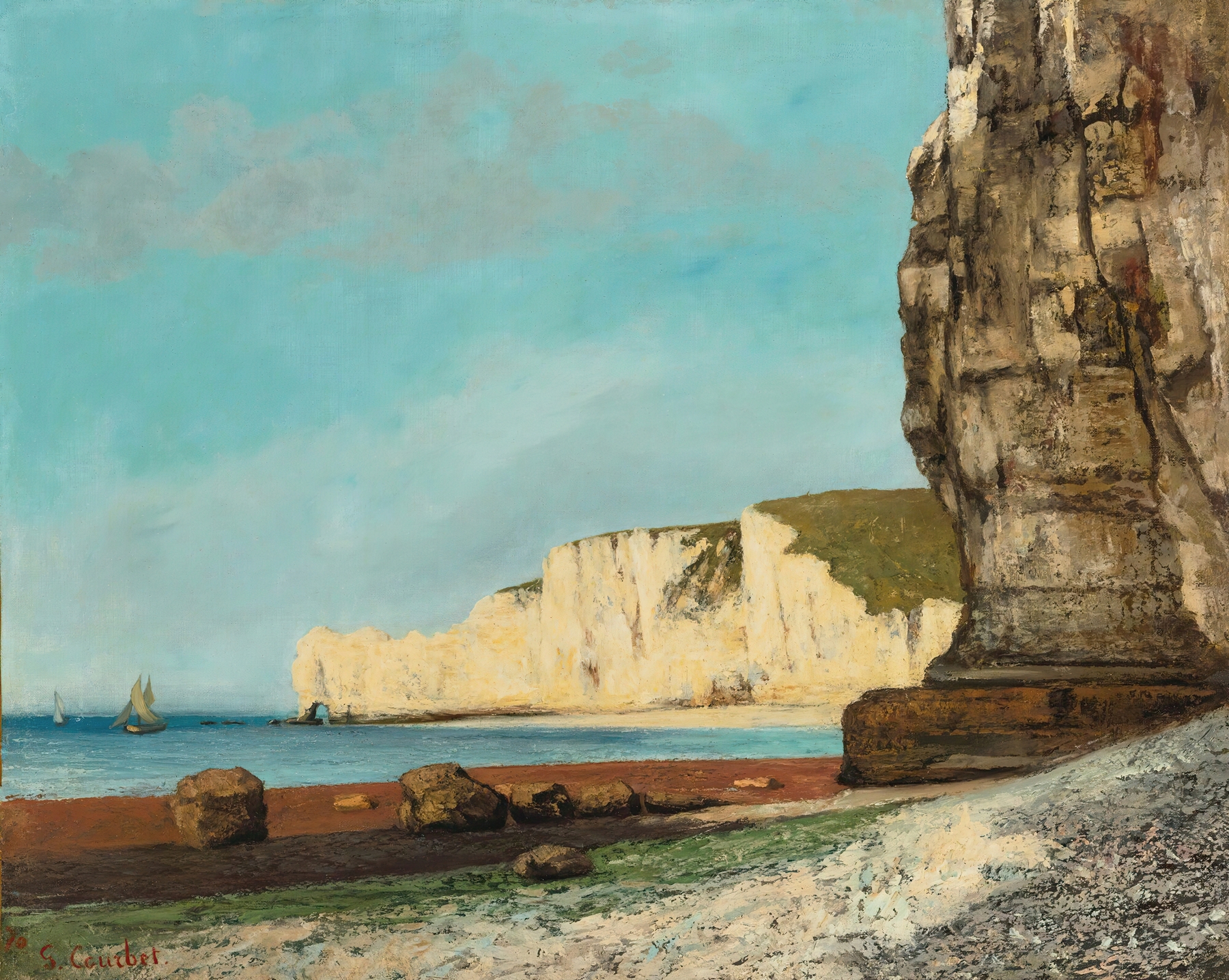
Étretat; Les Falaises
Gustave Courbet
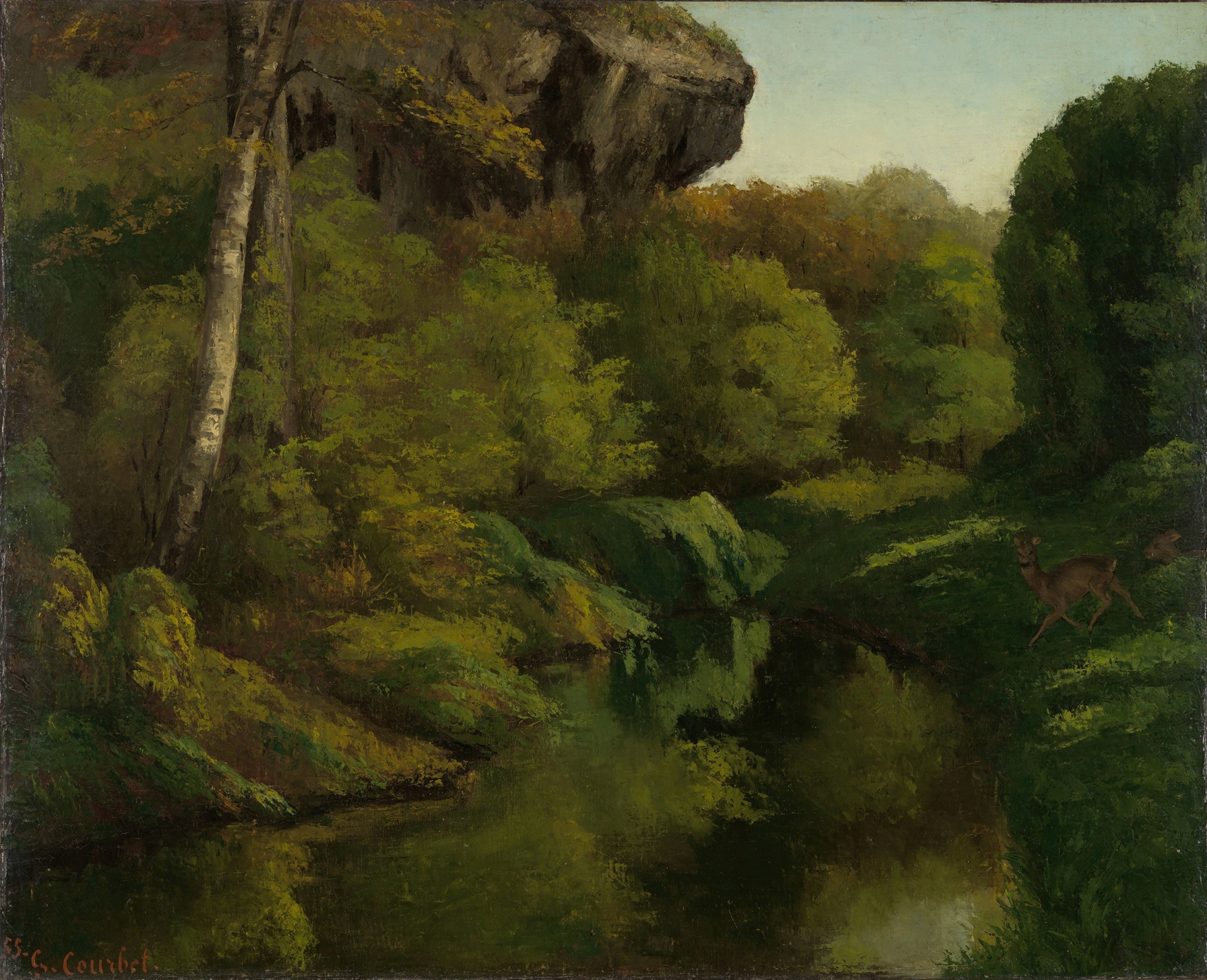
View in the Forest of Fontainebleau
Gustave Courbet
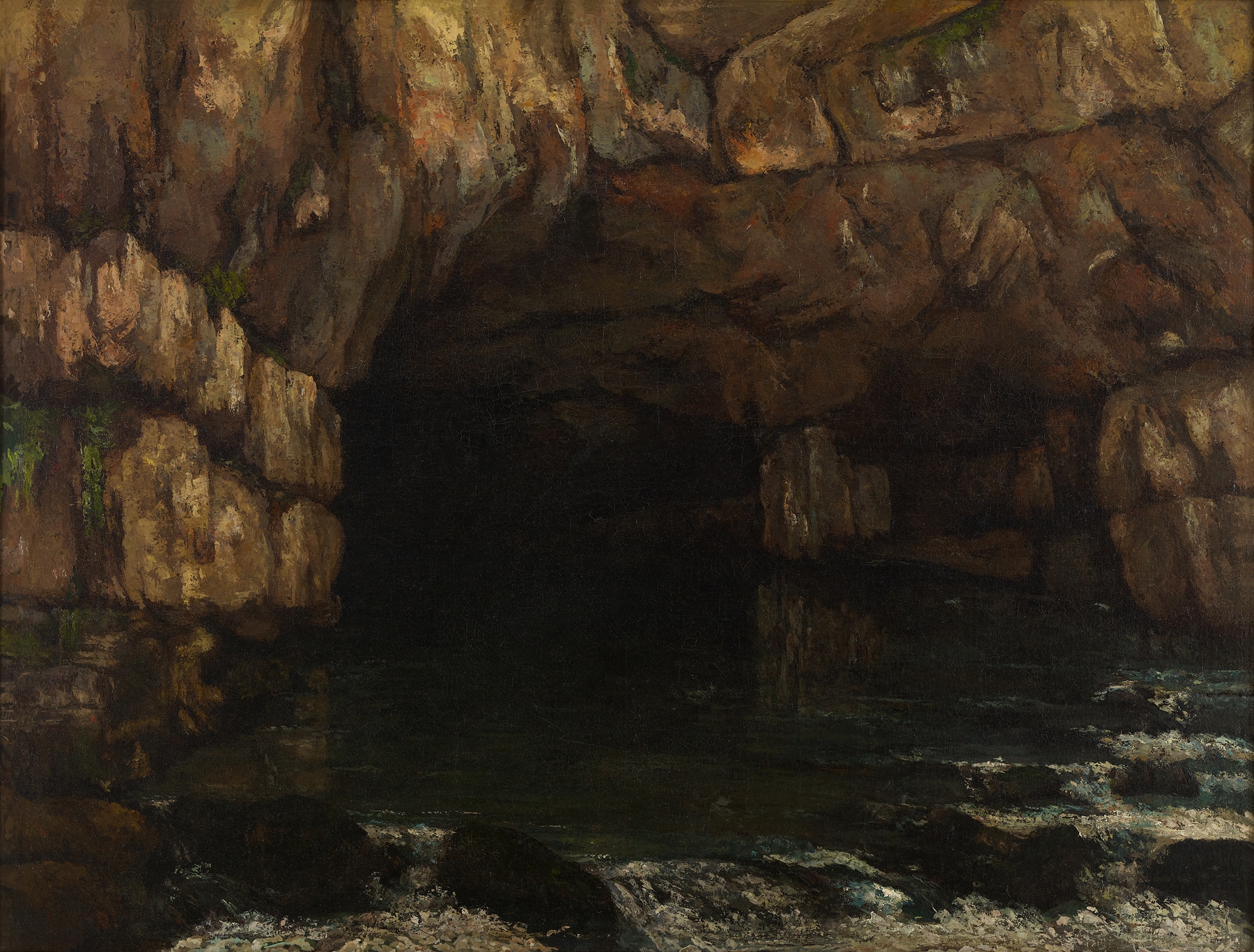
La source de la Loue (The Source of the Loue)
Gustave Courbet
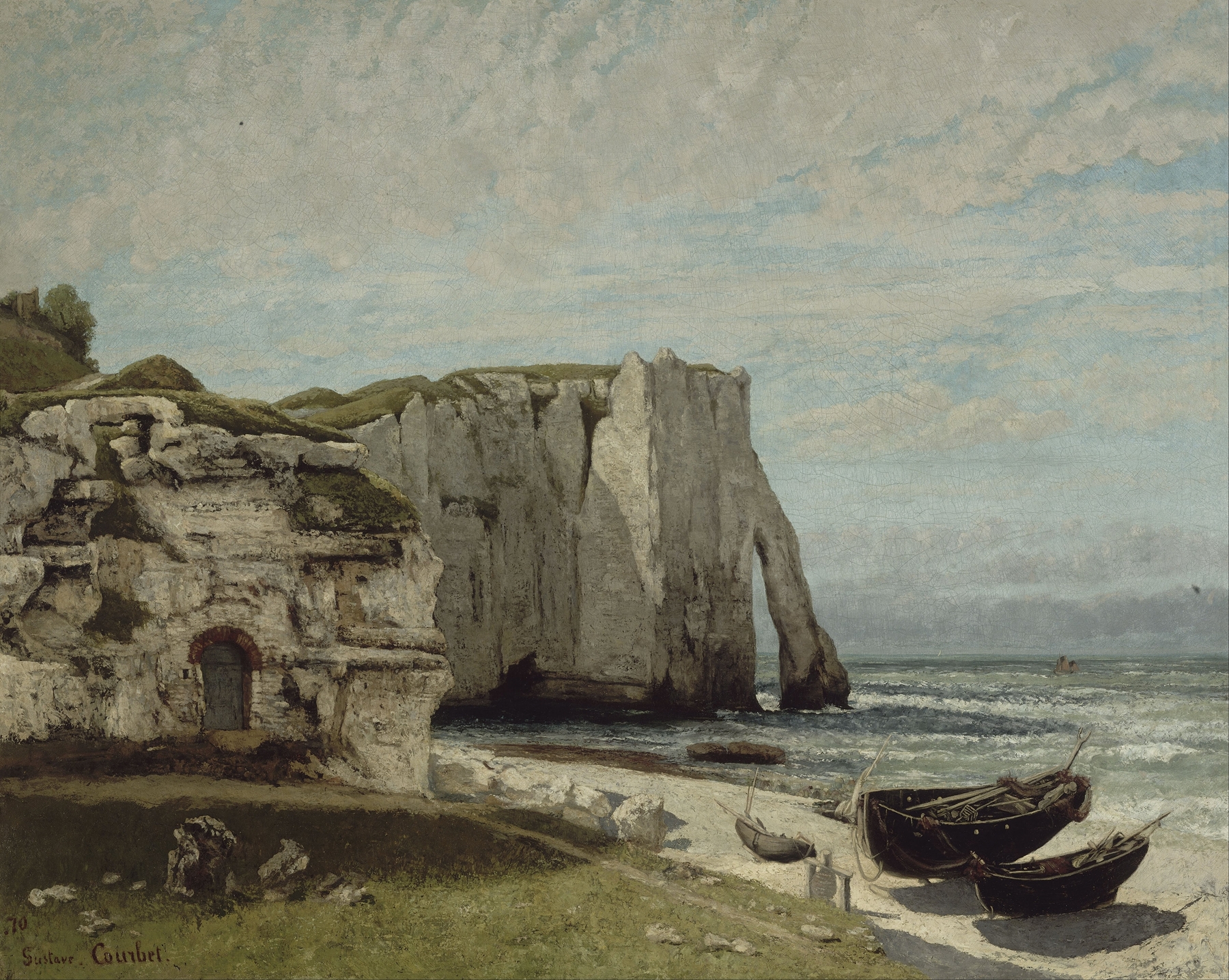
The Etretat Cliffs after the Storm
Gustave Courbet
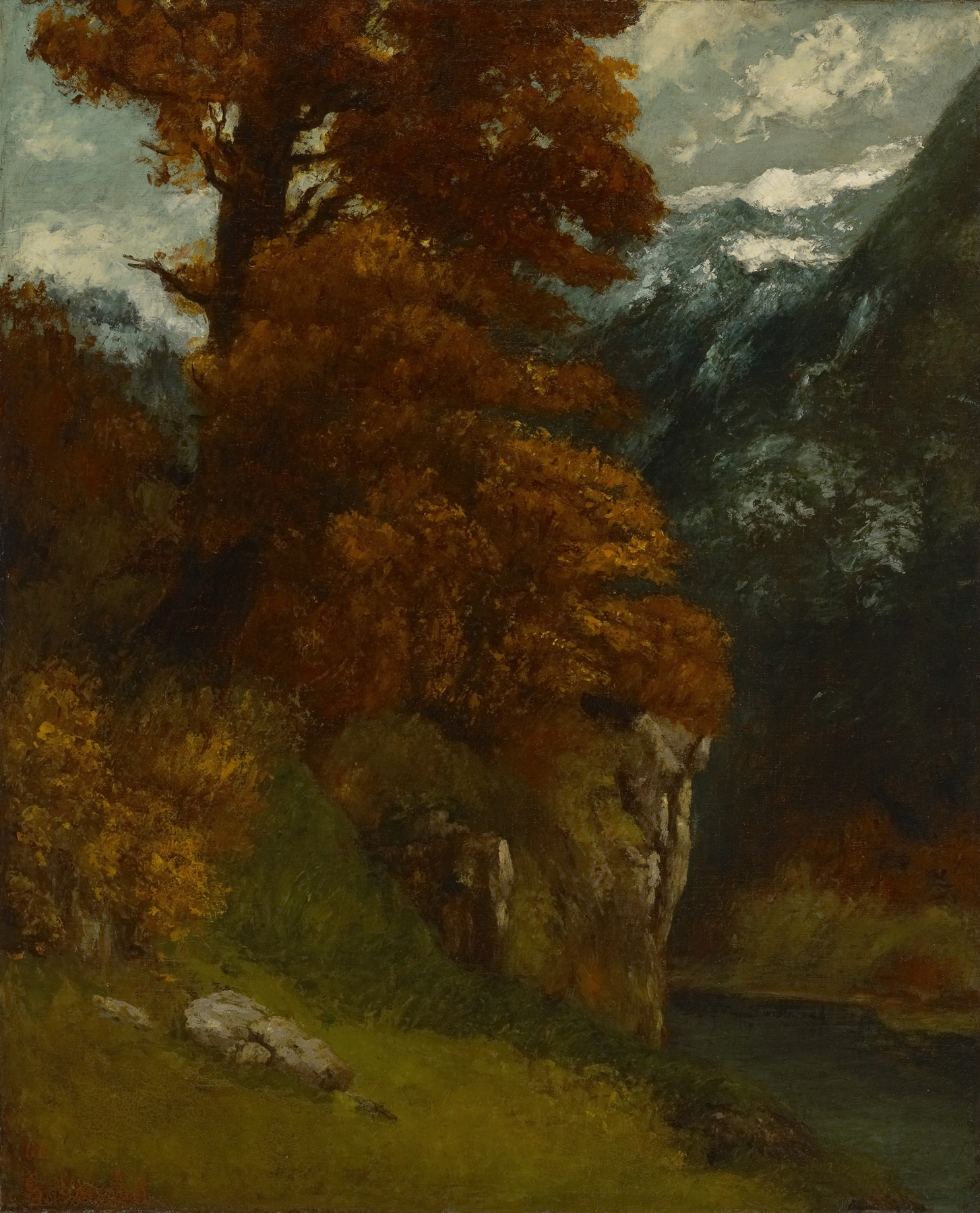
The Glen at Ornans (Bords du Doubs; Effet d’Automne)
Gustave Courbet
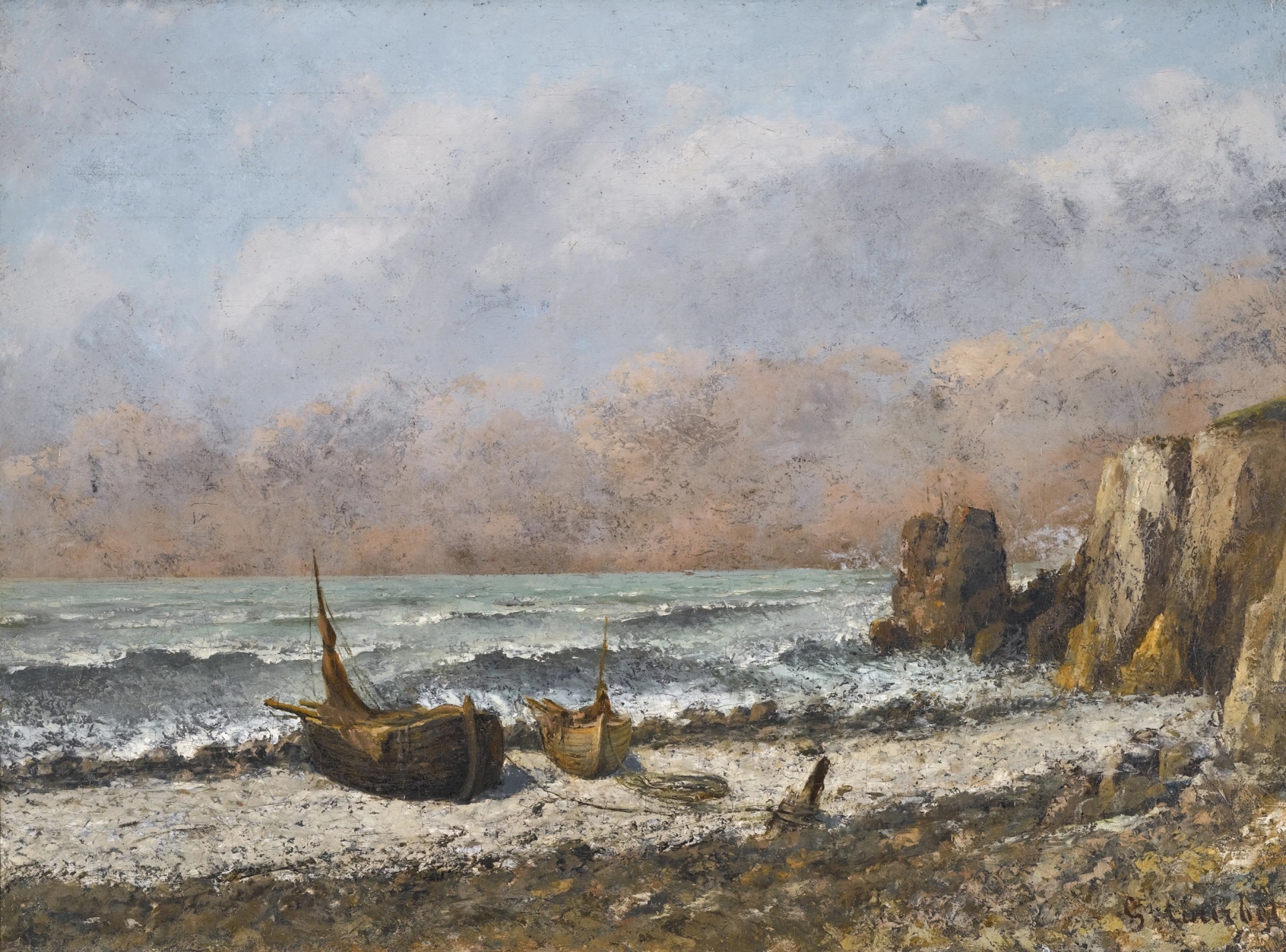
Deux bateaux sur la plage
Gustave Courbet
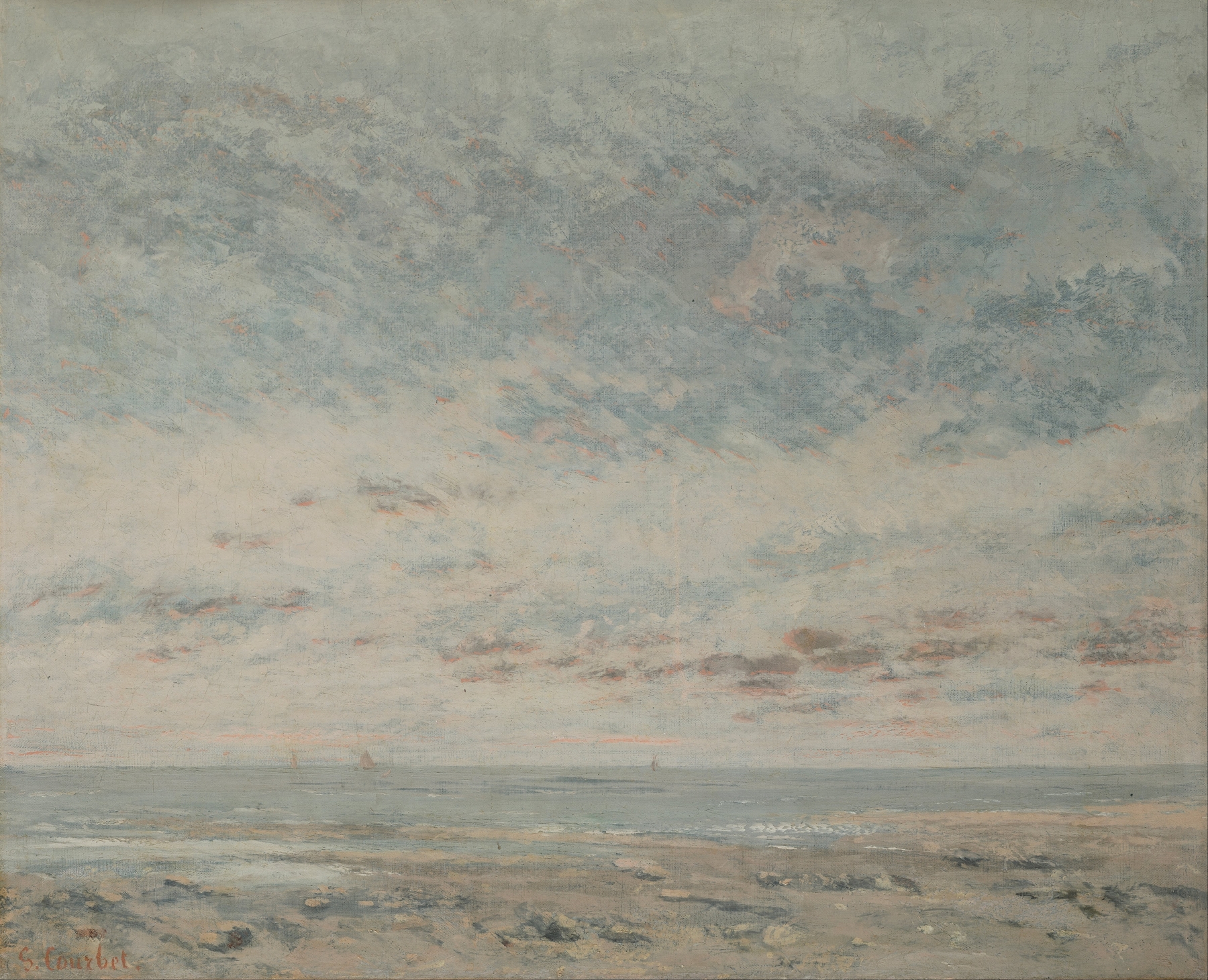
Low Tide at Trouville
Gustave Courbet
More Allegory Art
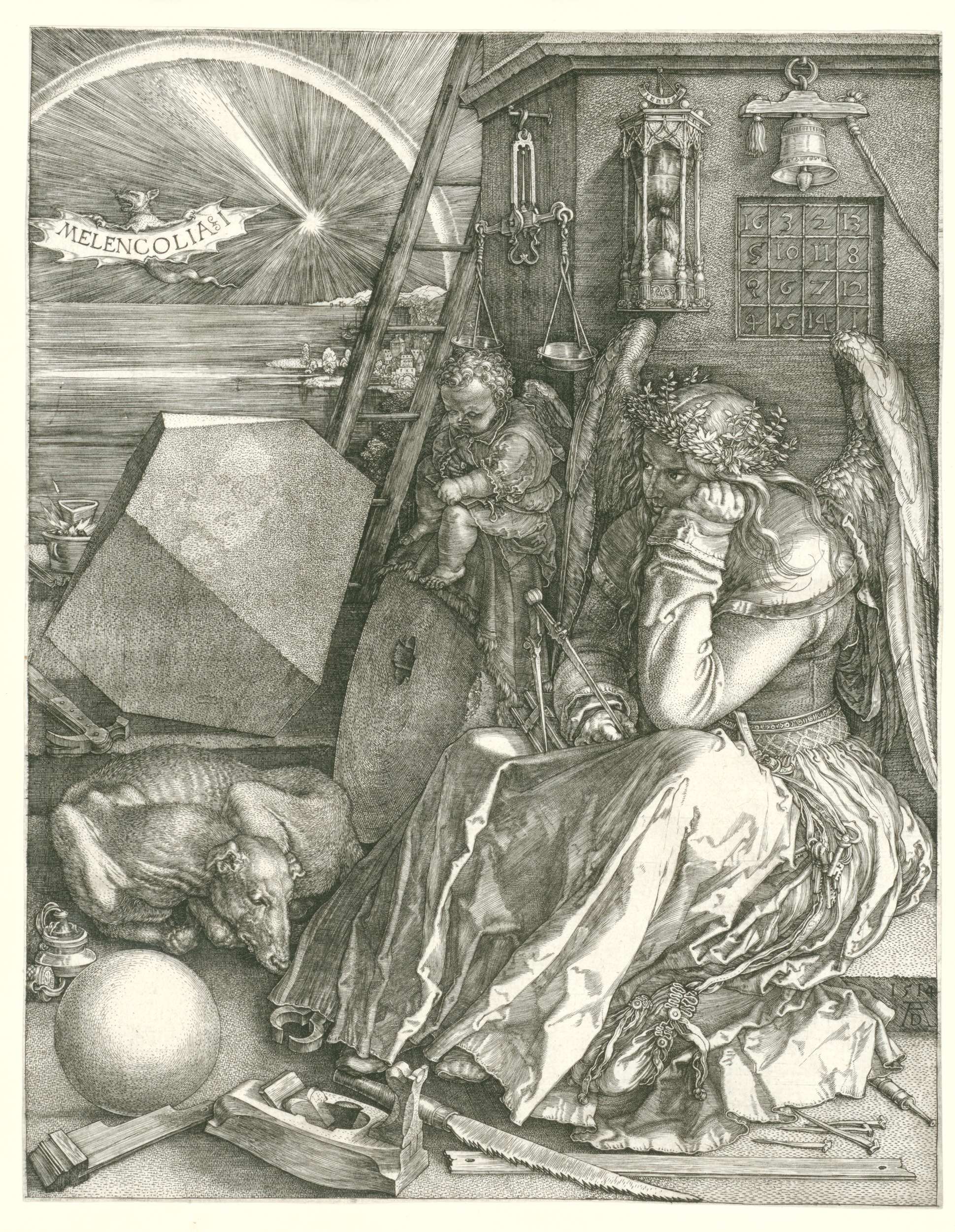
Melancholia
Albrecht Dürer
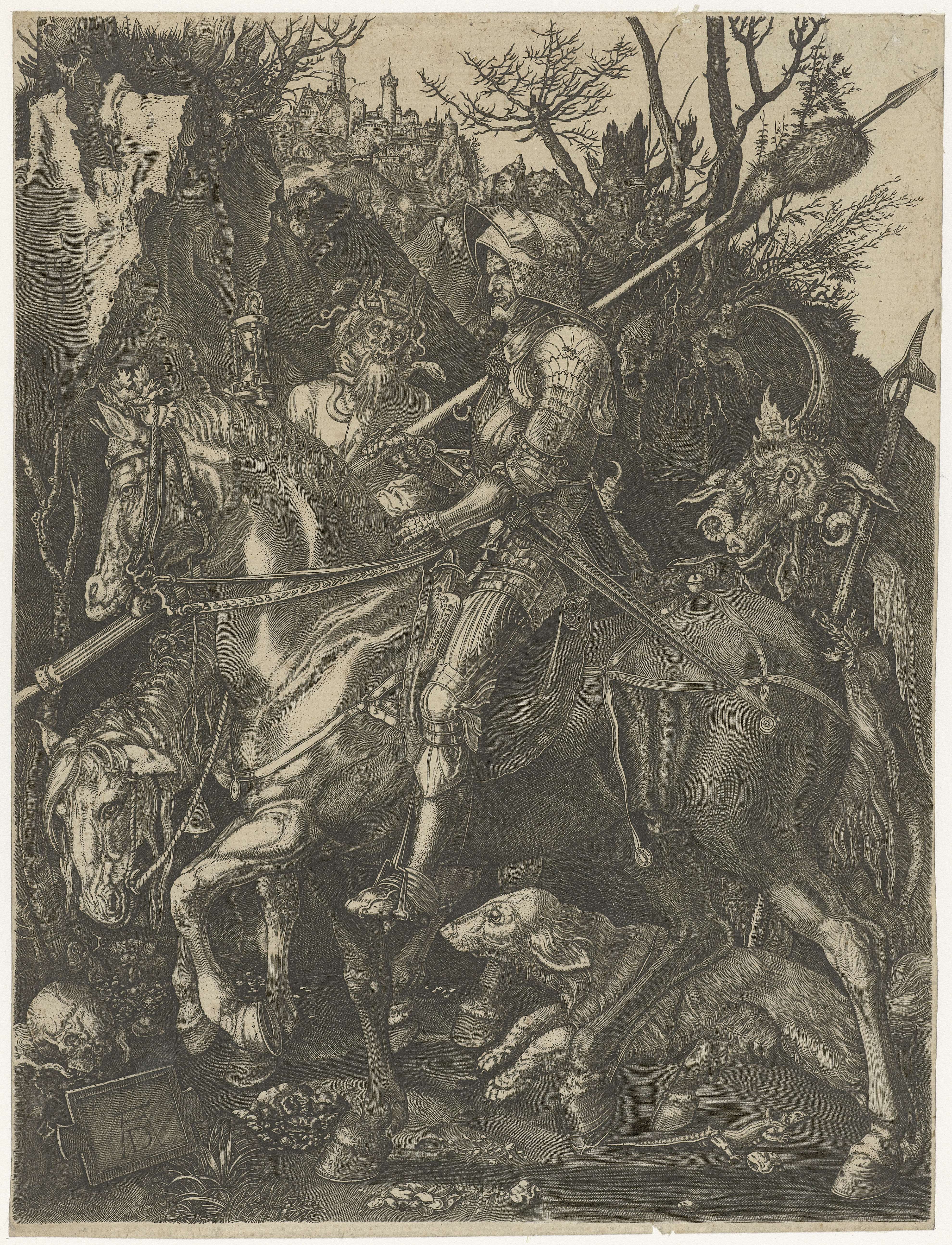
Ridder, Dood en Duivel
Unknown Artist
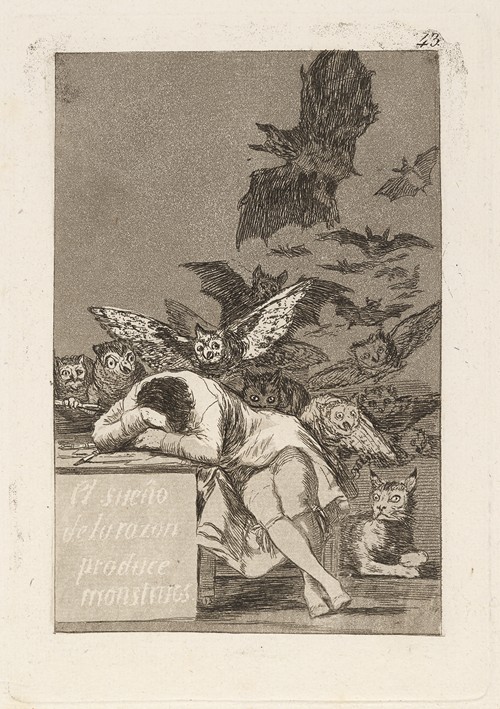
El sueño de la razon produce monstruos. (The sleep of reason produces monsters.)
Francisco de Goya
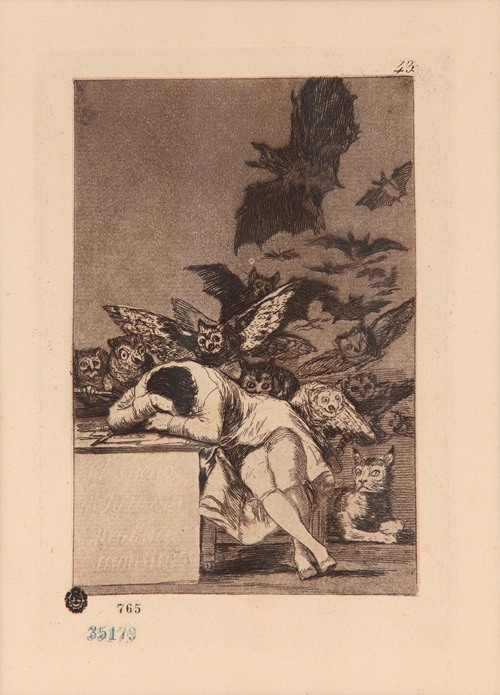
El sueño de la razon produce moustruos (Serie Caprichos)
Francisco de Goya
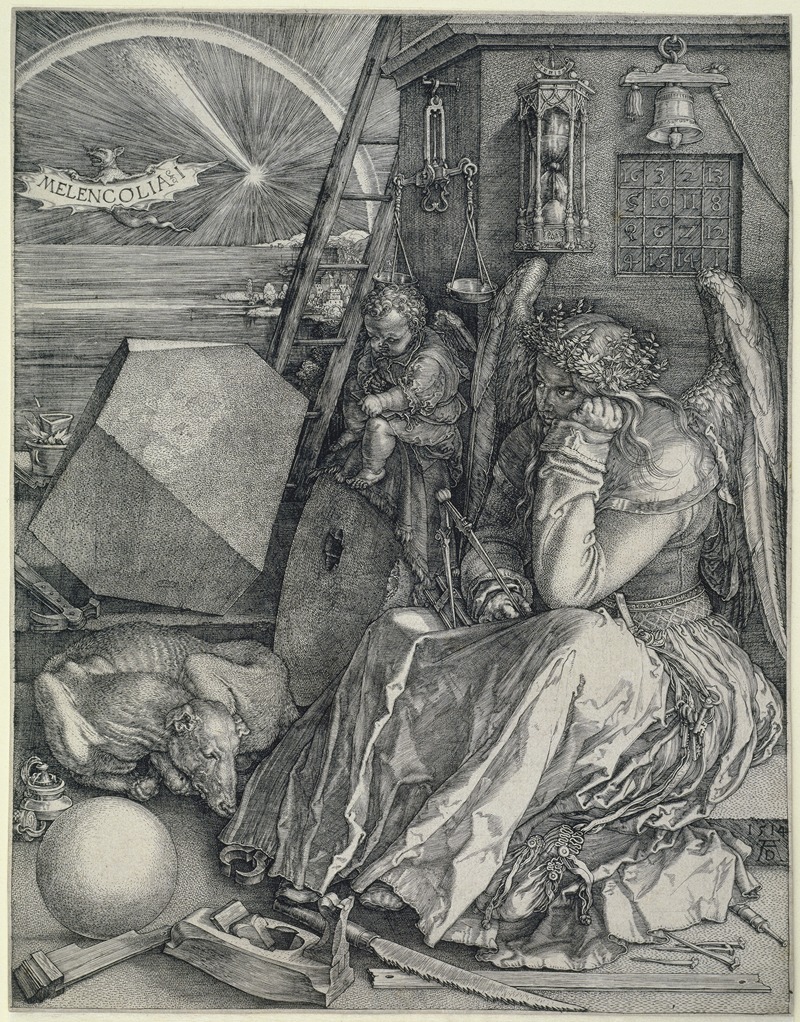
Melencolia I (The Melancholy)
Albrecht Dürer
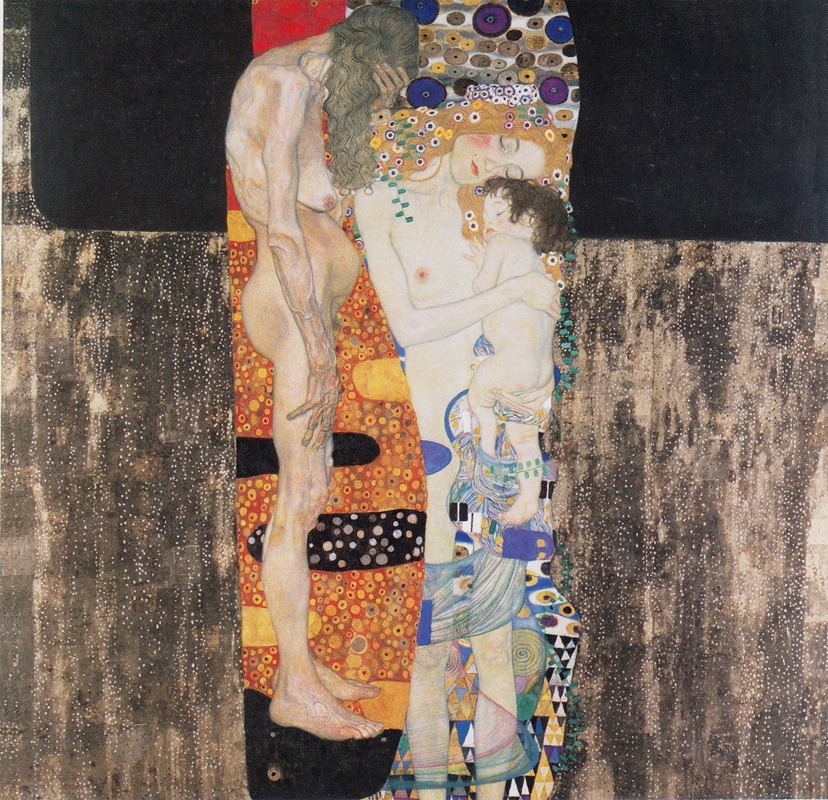
The Three Ages of the Woman
Gustav Klimt