
Jean Victor de Rochechouart, duke of Mortemart — History & Facts
What first catches the eye is the vivid orange of the sitter’s coat, its fur-trimmed collar and cuffs glowing against the soft, neutral background. The man’s gaze is turned away, as if he’s just caught sight of someone entering the room, his expression composed yet alert. One hand rests lightly on a gleaming helmet, the other cradling it with care—a gesture that speaks of both martial readiness and a certain reflective pause.
The star-shaped order pinned to his chest, rendered with crisp precision, signals rank and honor, while the delicate lace at his throat softens the overall effect, blending the worlds of courtly elegance and military authority. The light falls across his face and the polished metal, drawing the viewer’s attention to both his features and the objects that define his status. Painted in 1756 by Jean-Marc Nattier, this portrait belongs to a world where the boundaries between aristocratic identity and public duty were carefully negotiated on canvas. In mid-eighteenth-century France, portraits like this were more than likenesses—they were declarations, often commissioned to mark a promotion, a marriage, or a new honor.
The sitter’s costume and insignia would have been chosen with care to broadcast lineage, allegiance, and taste to all who entered the salon. While history has kept few traces of this particular painting’s journey, its presence in an online collection today invites us to look again at the codes of power and self-presentation that shaped the lives—and the images—of the ancien régime.
More Artworks by Jean-Marc Nattier

Madame Crozat de Thiers and Her Daughter
Jean-Marc Nattier
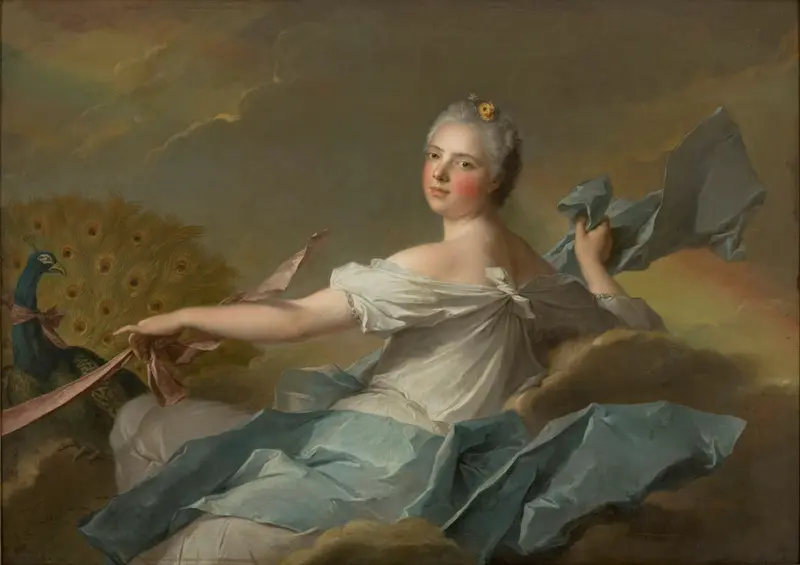
Princess Marie Adélaïde of France - The Air
Jean-Marc Nattier
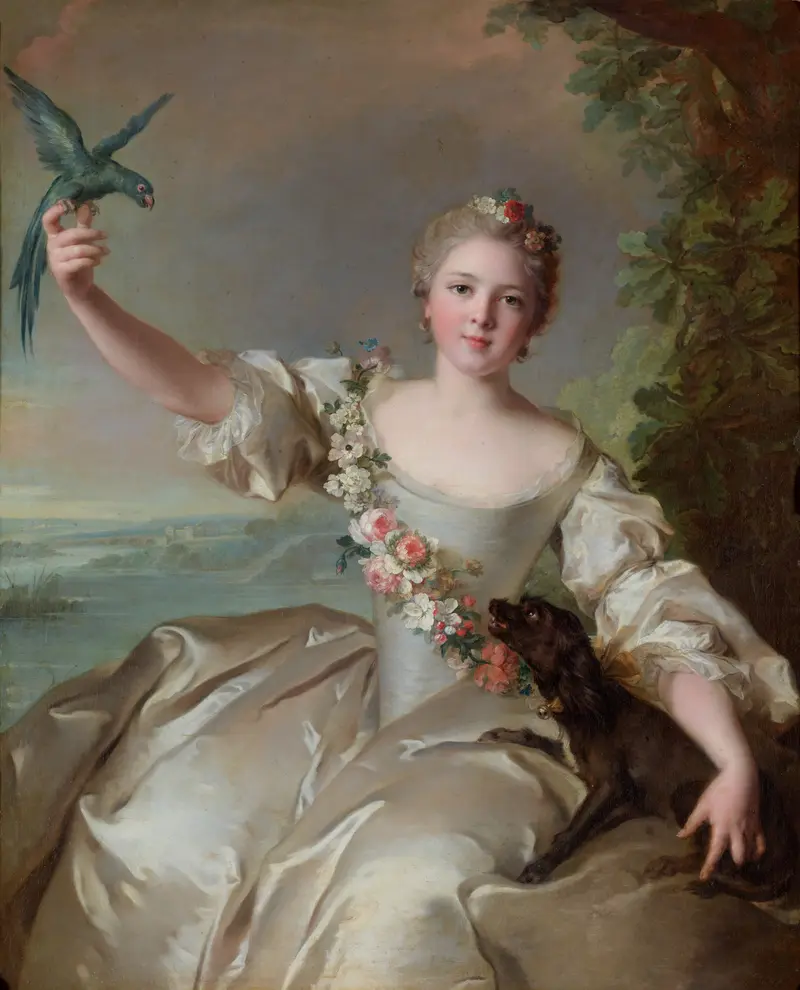
Portrait de Mathilde de Canisy, marquise d'Antin
Jean-Marc Nattier
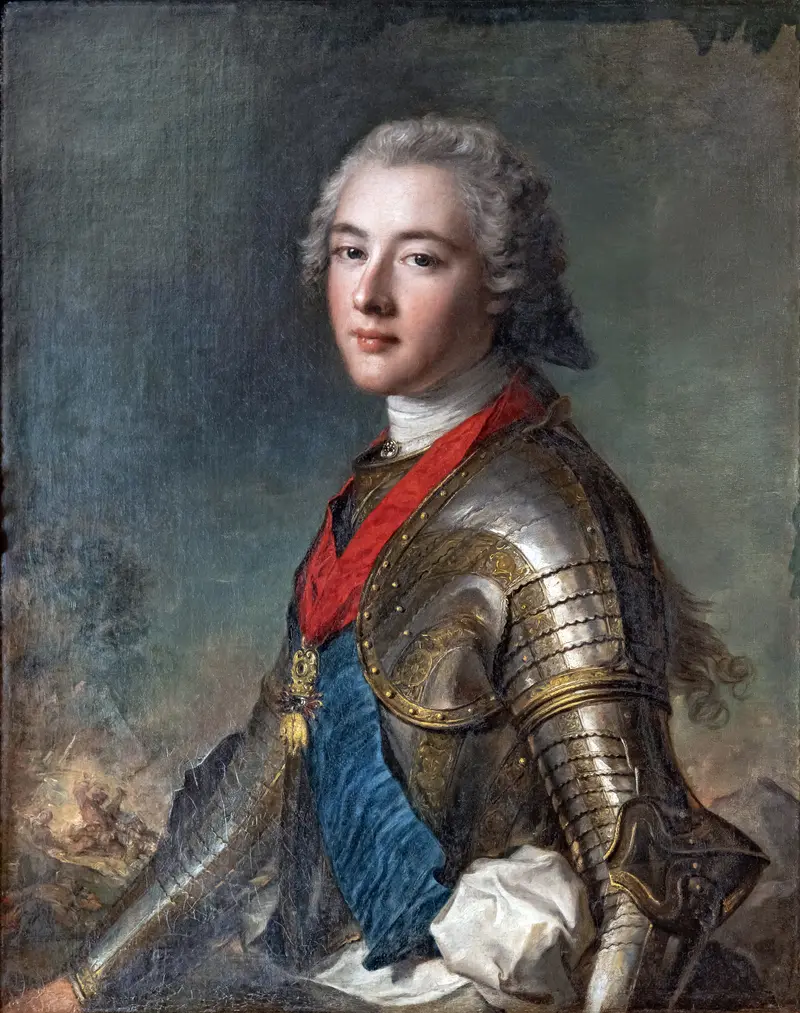
Bemberg Fondation Toulouse - Portrait de Louis Jean Marie de Bourbon, Duc de Penthièvre - Jean Marc Nattier inv.1158 82x65.4
Jean-Marc Nattier
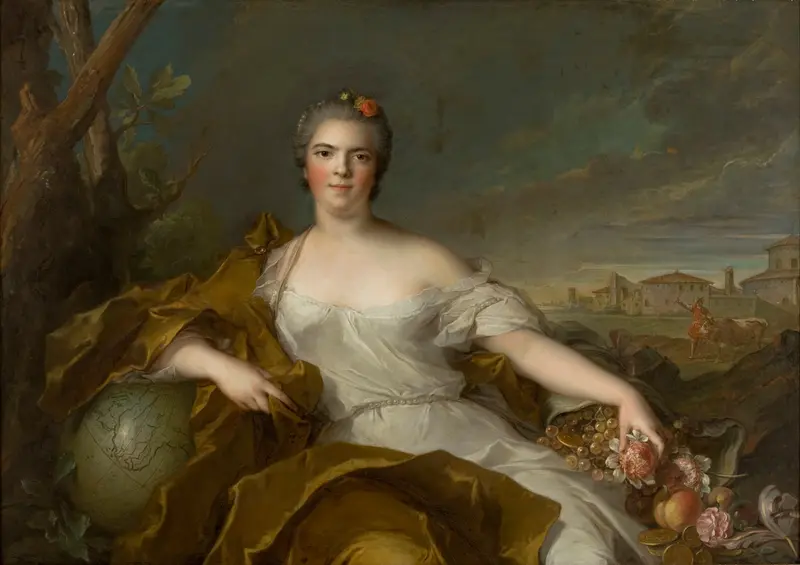
Princess Louise-Élisabeth of France - The Earth
Jean-Marc Nattier
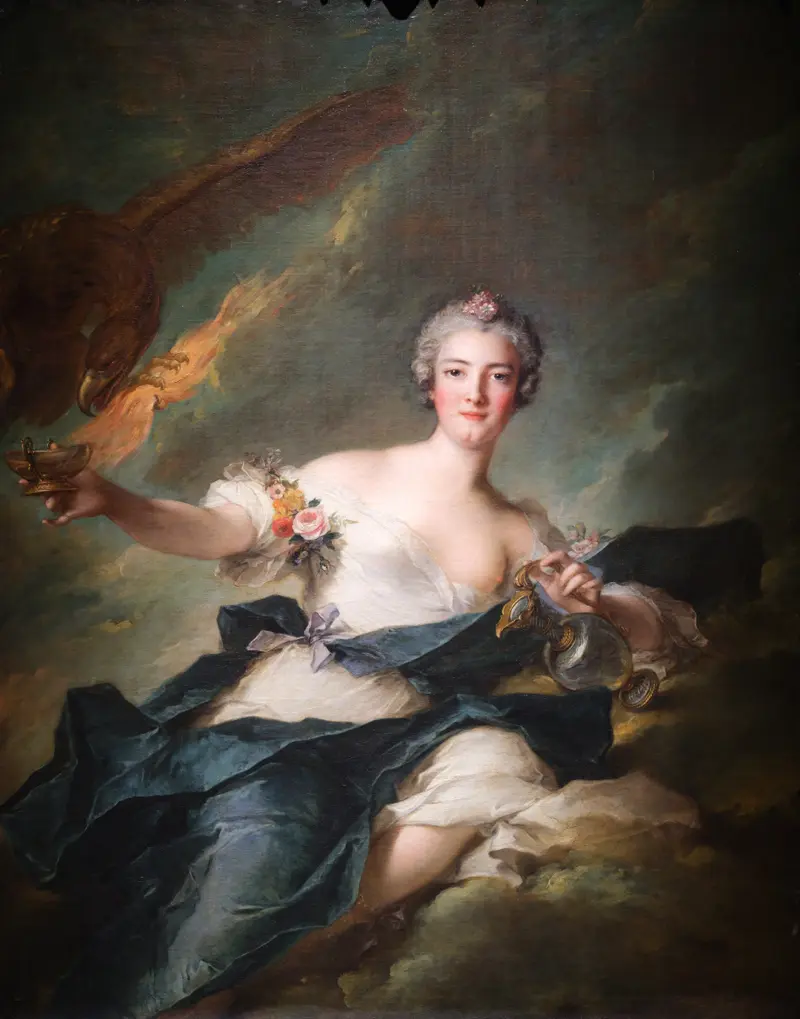
The Duchess of Chaulnes Represented as Hebe
Jean-Marc Nattier
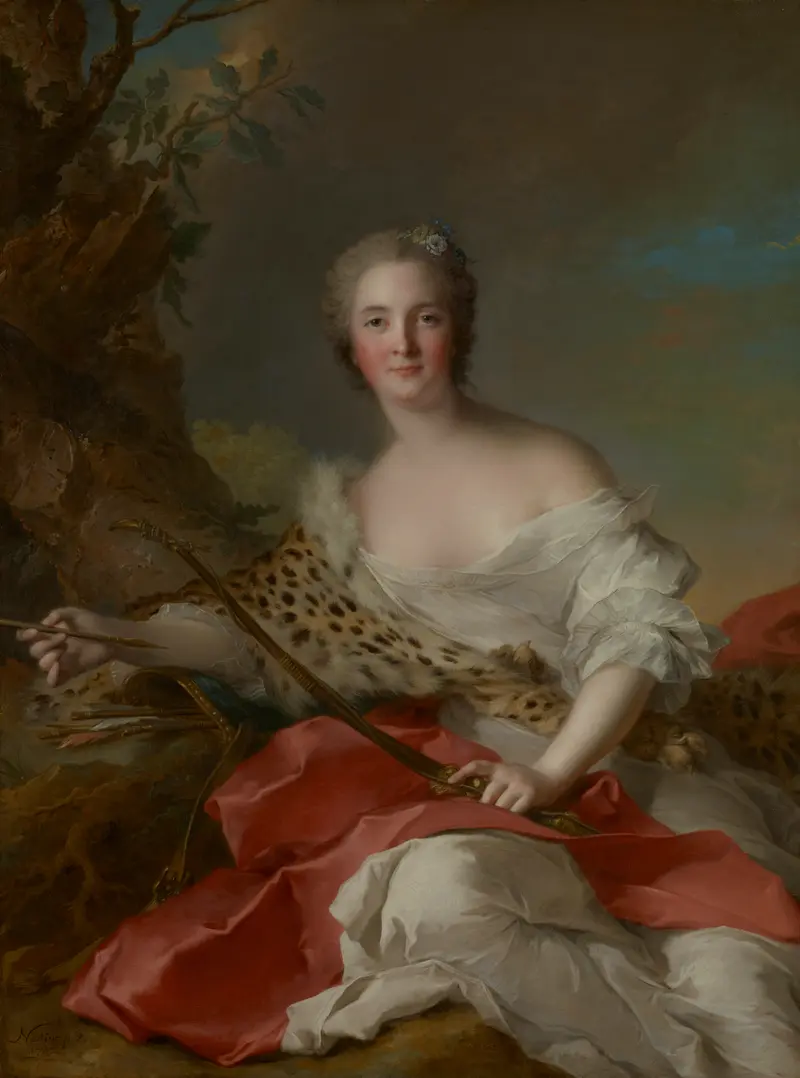
Portrait of Madame Bonnier de la Mosson as Diana (Constance-Gabrielle-Magdeleine du Monciel de Lauraille
Jean-Marc Nattier
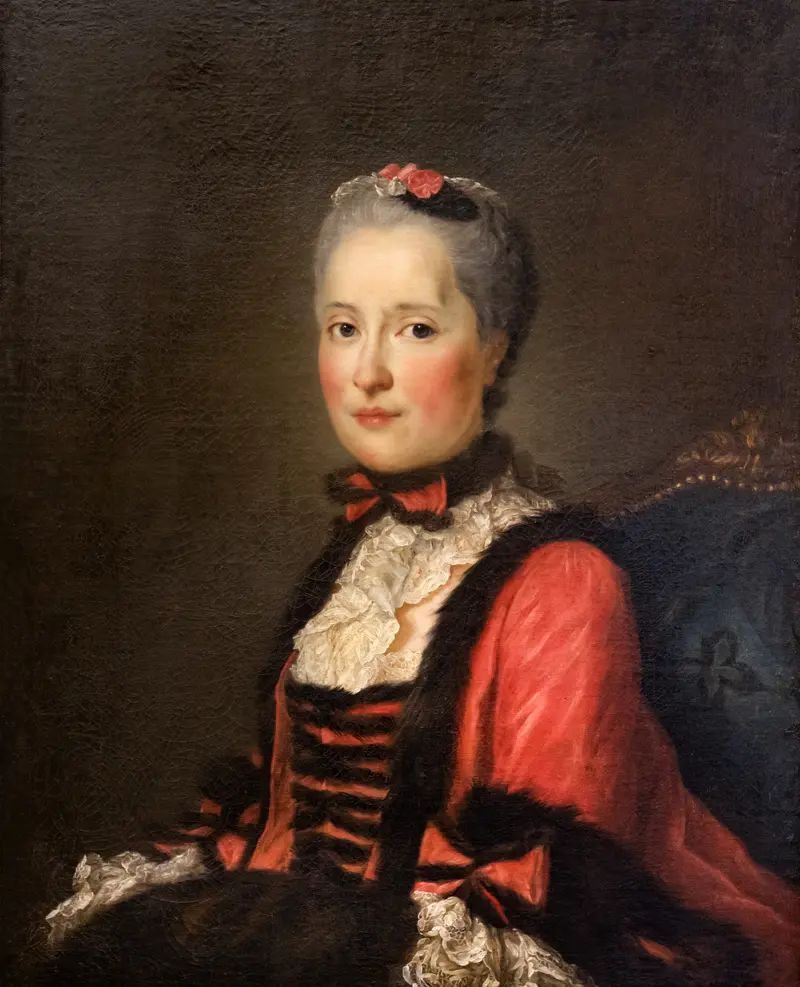
Portrait of Marie-Josephe of Saxony, Dauphine of France
Jean-Marc Nattier
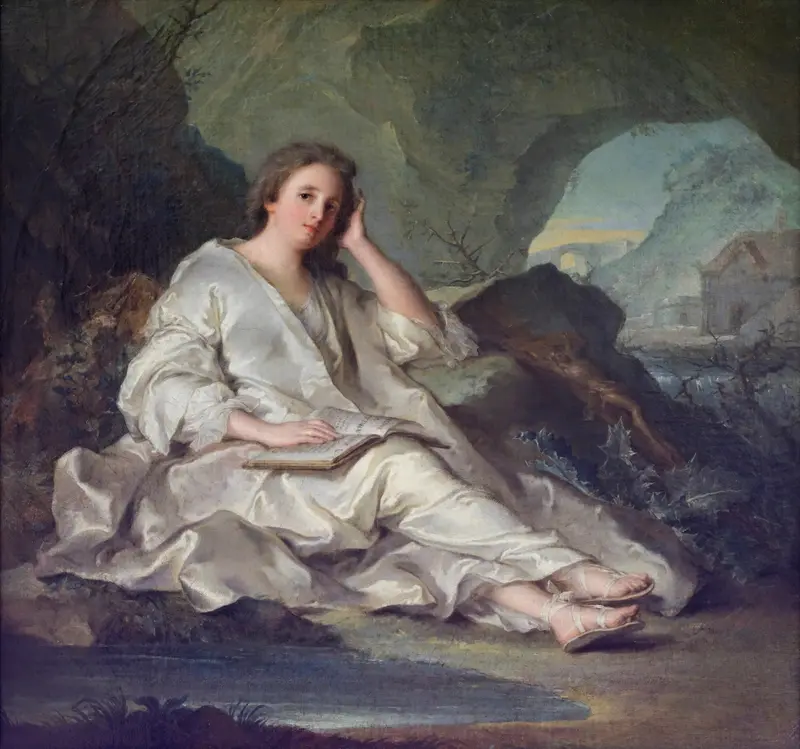
La Madeleine, ou Une Pénitente dans le désert Musée du Louvre Peintures INV 6880 ; MR
Jean-Marc Nattier
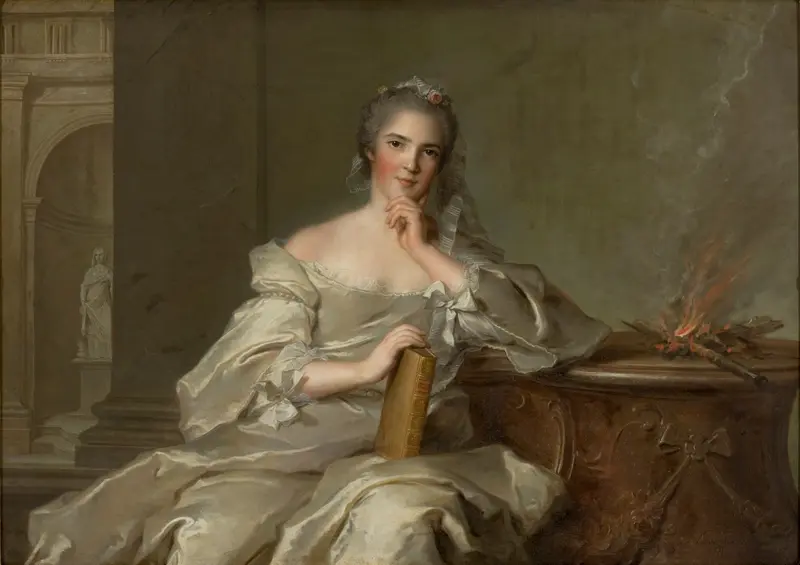
Princess Anne-Henriette of France - The Fire
Jean-Marc Nattier





