
Jingles from Japan — History & Facts
A mischievous sense of playfulness draws the eye immediately to the cover of Jingles from Japan, where a small, impish creature sits across from a woman, both absorbed in the open book between them. The textured surface, likely silk or a similar fabric, catches the light and gives the scene a tactile warmth, as if the story within is waiting to be touched as much as read. The woman’s flowing hair and patterned robe spill across the page, her posture intent, while the creature’s wide grin and upright pose suggest it is both companion and conspirator in whatever tale the book holds.
The calligraphic title, arranged vertically and horizontally, mimics the playful confusion of languages and cultures, a nod to the cross-cultural exchange that fascinated artists at the dawn of the twentieth century. Created in 1907, this work emerges from a world where Western artists like Helen Hyde were captivated by Japanese aesthetics, techniques, and motifs. Hyde, an American artist known for her deep engagement with Japanese printmaking, often blended Western narrative with Japanese visual language, producing works that were as much about encounter as about observation. Such pieces were often made for Western audiences hungry for the exotic and the whimsical, reflecting both genuine admiration and the era’s complicated fascination with “the East.” Now held in the Smithsonian American Art Museum, Jingles from Japan stands as a testament to this moment of artistic curiosity and cultural crossing—inviting us, even now, to lean in and listen for the jingles hidden within its pages.
More Artworks by Helen Hyde

Moonlight on the Viga Canal) - HH (monogram) LCCN0065
Helen Hyde
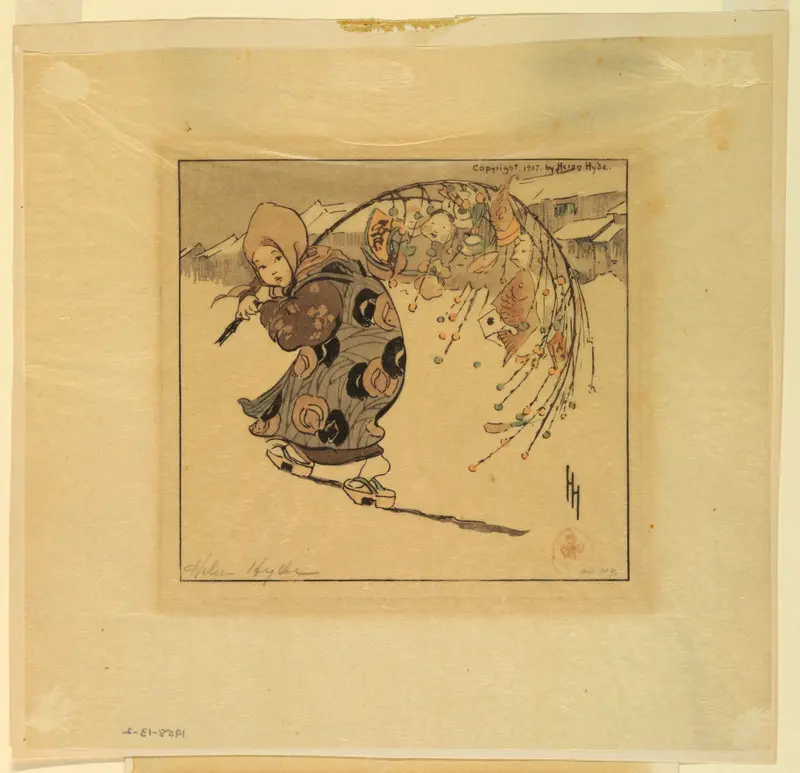
Print, The Good Luck Branch
Helen Hyde
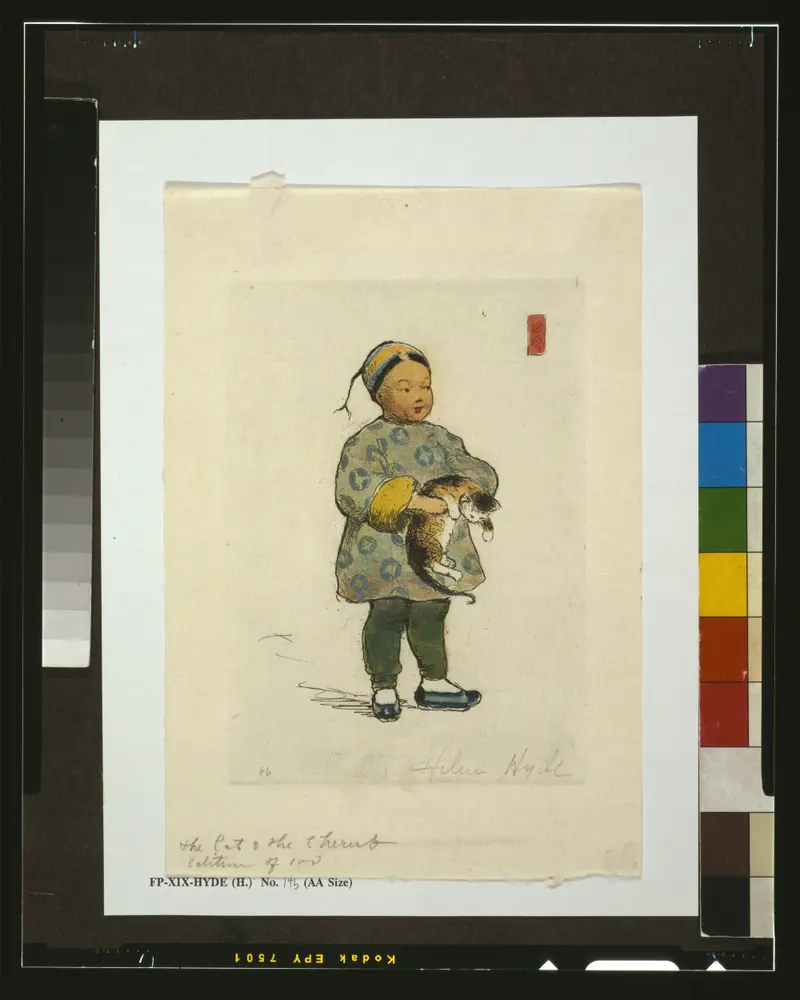
The cat and the cherub LCCN200367
Helen Hyde

Hon(orable Mr) cat - HH (monogram). LCCN200367
Helen Hyde
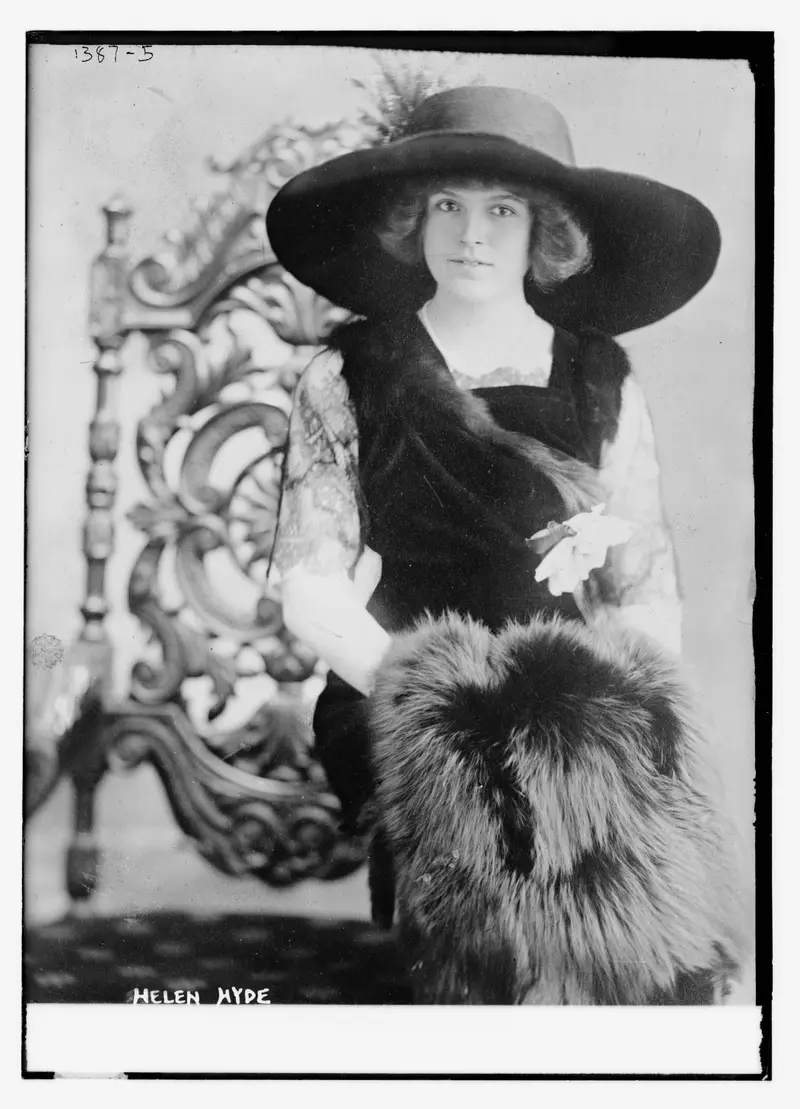
Helen Hyde LCCN201468
Helen Hyde
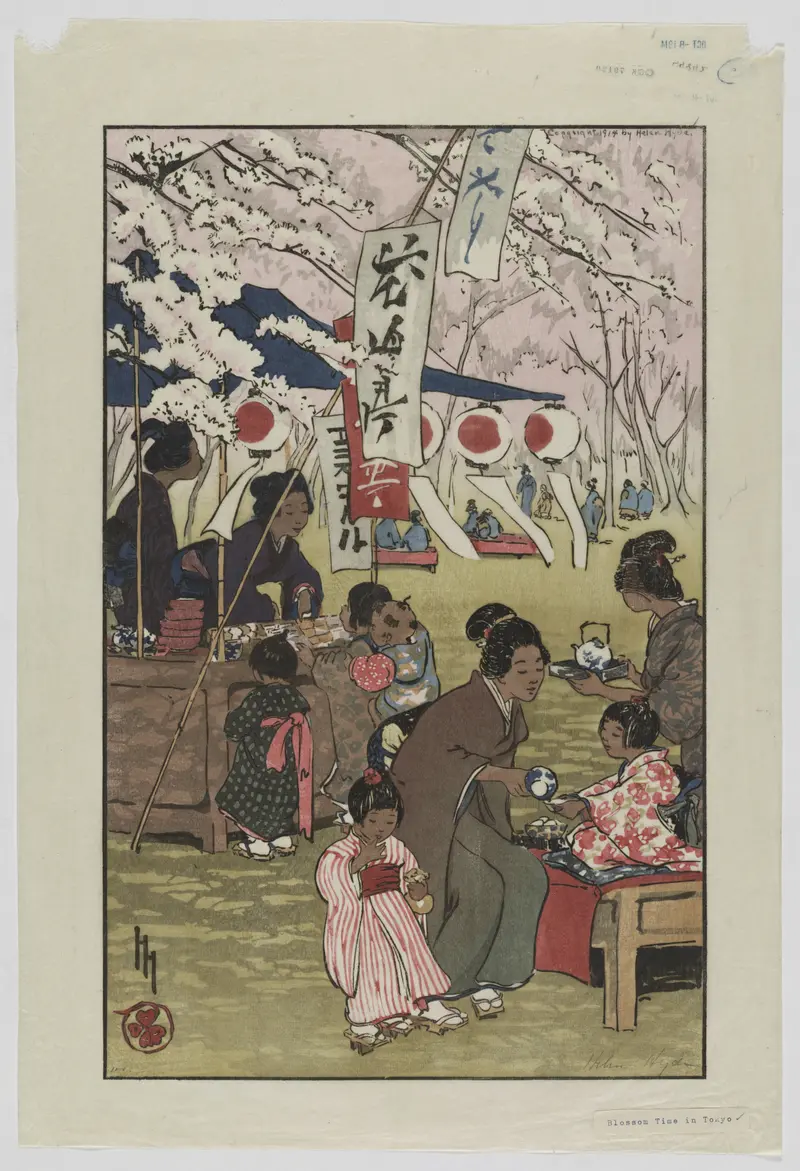
Blossom time in Tokyo) - HH (monogram) LCCN0065
Helen Hyde
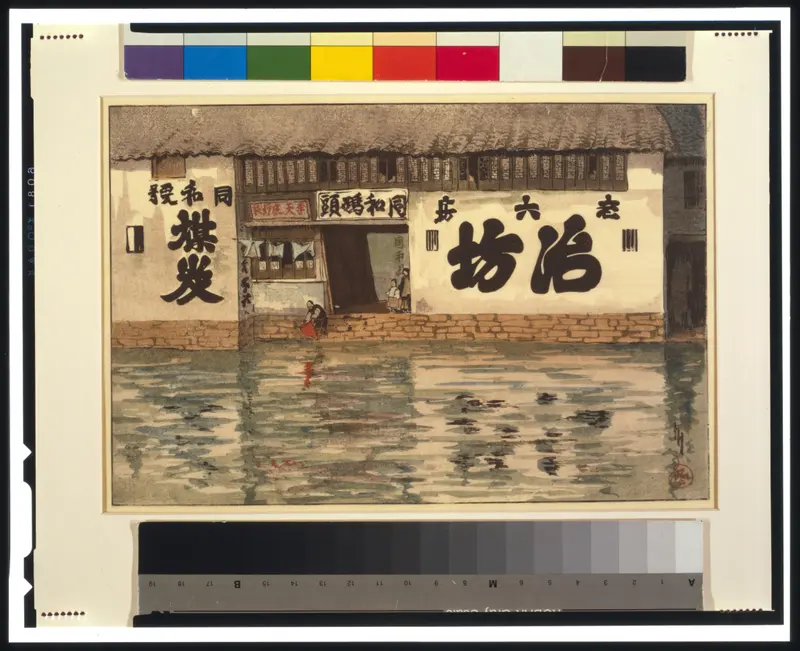
The sauce-pan shop) - HH (monogram) LCCN0065
Helen Hyde

New Year's Day in Tokyo
Helen Hyde
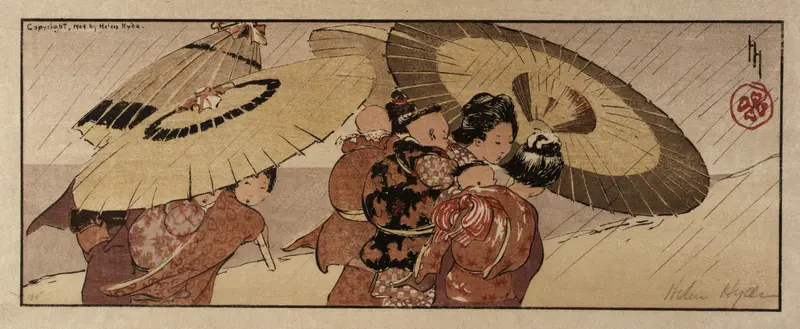
A Summer Shower
Helen Hyde
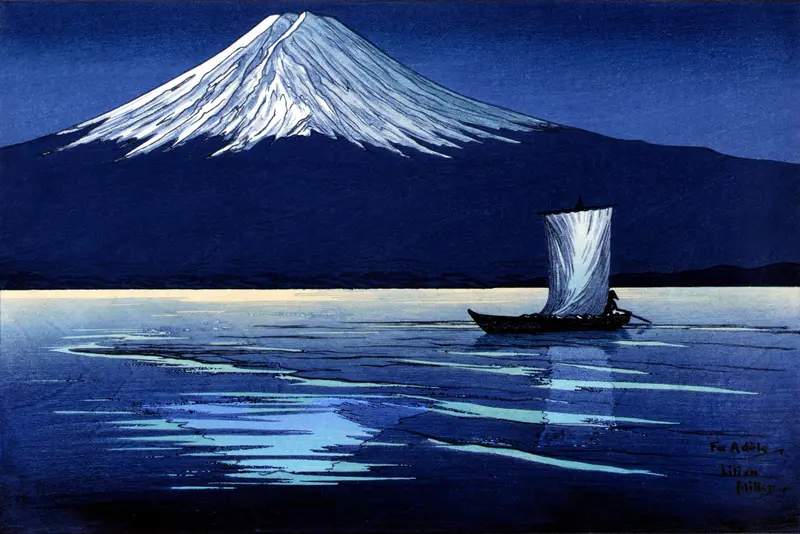
Moonlight on Mt. Fuji
Helen Hyde
More Genre Scene Art

Banquet of the Officers of the St George Civic Guard
Frans Hals

Rembrandt and Saskia in the Scene of the Prodigal Son
Rembrandt van Rijn

Bal du moulin de la Galette
Pierre-Auguste Renoir

Quadrille at the Moulin Rouge
Henri de Toulouse-Lautrec

A Burial at Ornans
Gustave Courbet

When Will You Marry?
Paul Gauguin