
Job and His Friends — History & Facts
A shaft of sunlight slices through the narrow alley, drawing your gaze to a cluster of figures caught in a moment of fraught conversation. The drama unfolds not with grand gestures, but in the tension that animates each posture: a man slumps on the ground, draped in pale cloth, his body twisted in exhaustion or despair. Around him, three figures lean in, their hands raised in debate or disbelief, while another perches on a ledge above, half-shrouded in shadow, observing the scene below.
The architecture frames the group tightly, emphasizing the sense of enclosure and scrutiny, while the distant courtyard, bathed in light, hints at a world just out of reach. The palette is somber, with deep reds and earth tones anchoring the figures in a setting that feels both ancient and immediate. Painted circa 1852 by Alexandre-Gabriel Decamps, this scene belongs to a tradition of nineteenth-century history painting that sought to bring biblical and classical stories into vivid, relatable focus. In an era when artists mined sacred texts for subjects that could explore human suffering and endurance, the story of Job—tested, surrounded by doubters—offered a potent vehicle for emotional and psychological depth.
Such works were often commissioned for private contemplation or public display, inviting viewers to reflect on the nature of faith and adversity. Now in the collection of the Minneapolis Institute of Arts, Job and His Friends stands as a testament to Decamps’s fascination with narrative tension and atmospheric setting, rewarding viewers who linger over its carefully orchestrated details.
More Artworks by Alexandre-Gabriel Decamps

Still Life with Herring, Bread, and Cheese
Alexandre-Gabriel Decamps
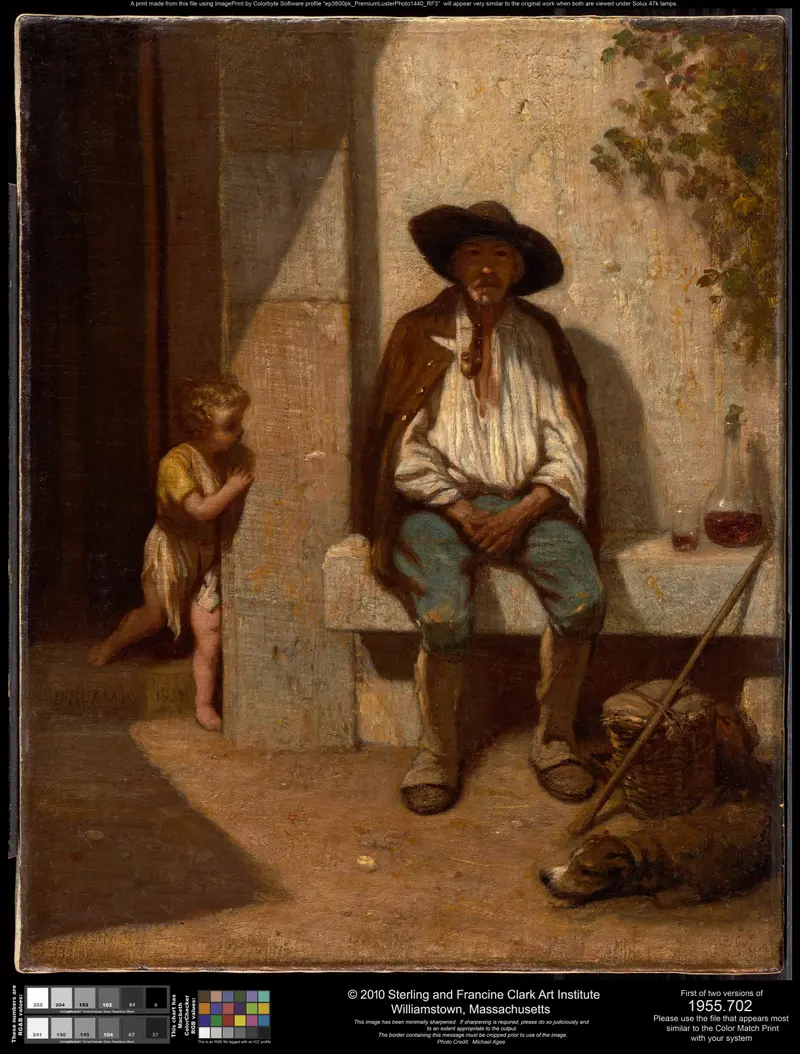
Italian Peasant
Alexandre-Gabriel Decamps
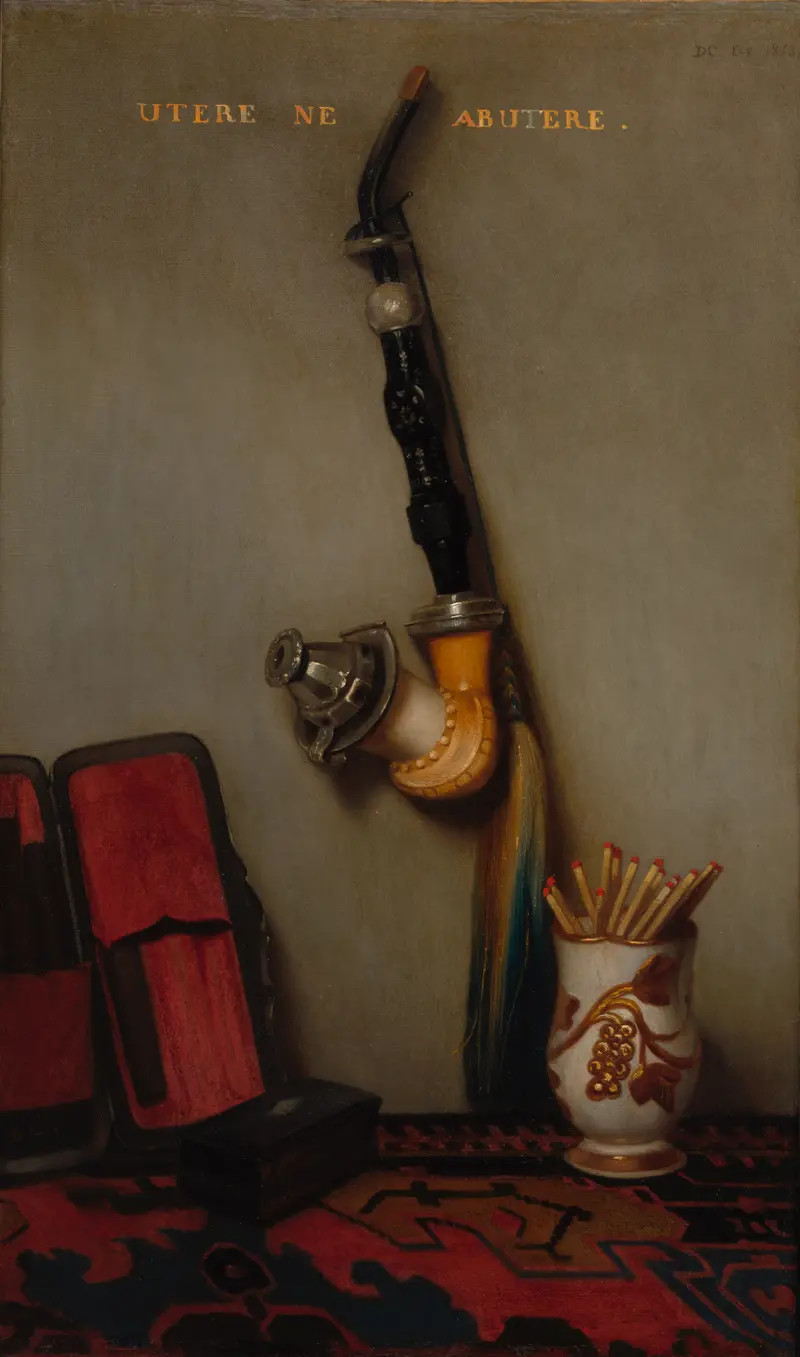
Still Life with Pipe and Matches
Alexandre-Gabriel Decamps
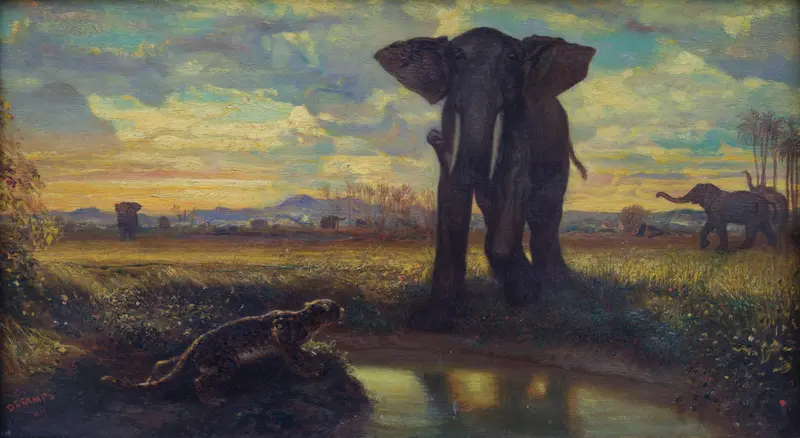
Tigre et éléphant à la source Musée du Louvre Peintures RF
Alexandre-Gabriel Decamps
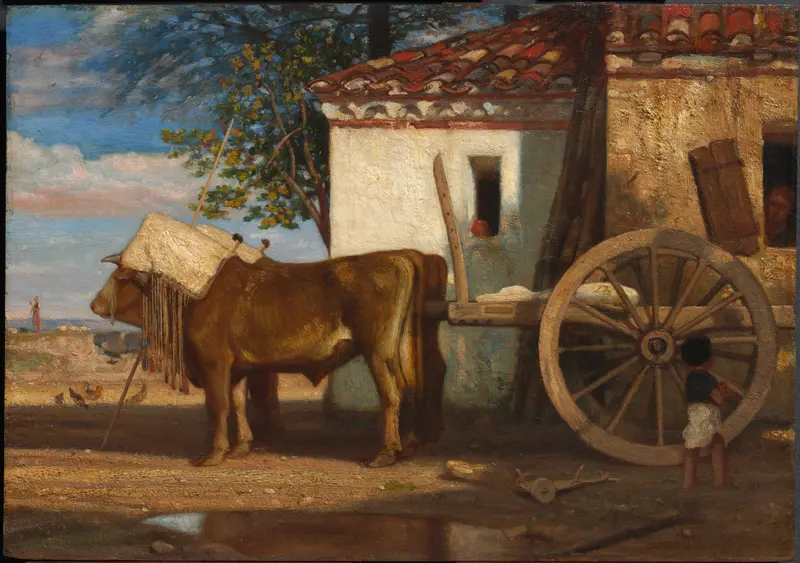
Oxen before a Farmhouse at Le Verrier
Alexandre-Gabriel Decamps
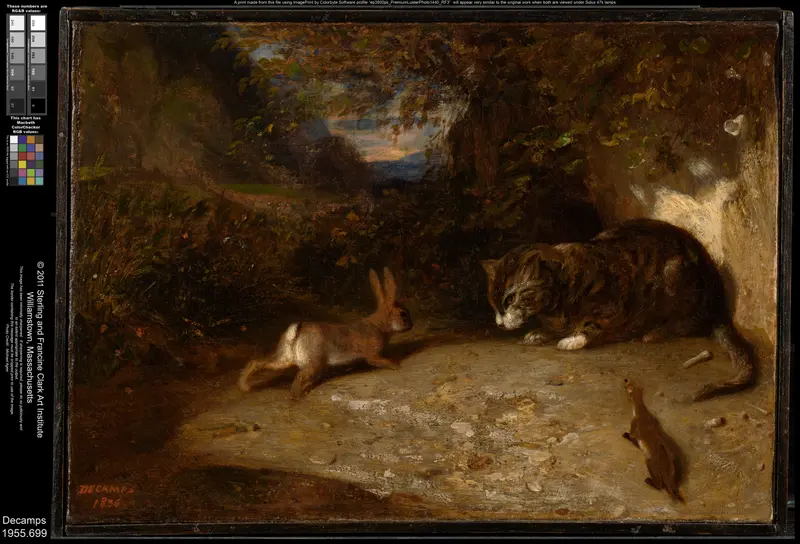
Cat, Weasel, and Rabbit
Alexandre-Gabriel Decamps
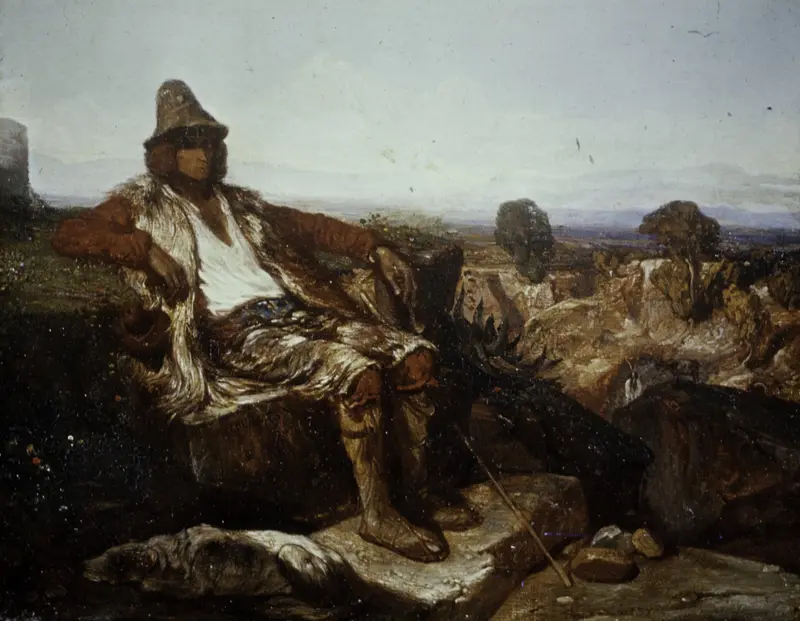
Goatherd of the Abruzzi
Alexandre-Gabriel Decamps
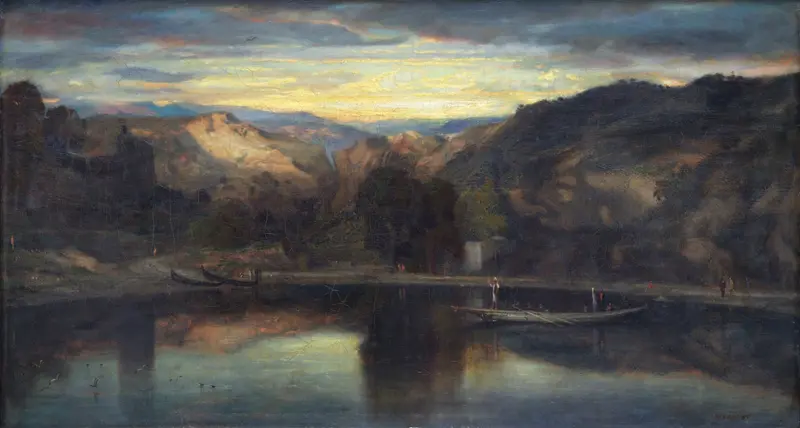
Jésus sur le lac de Génésareth Musée du Louvre Peintures RF
Alexandre-Gabriel Decamps

Espagnols jouant aux cartes Musée du Louvre Peintures RF
Alexandre-Gabriel Decamps
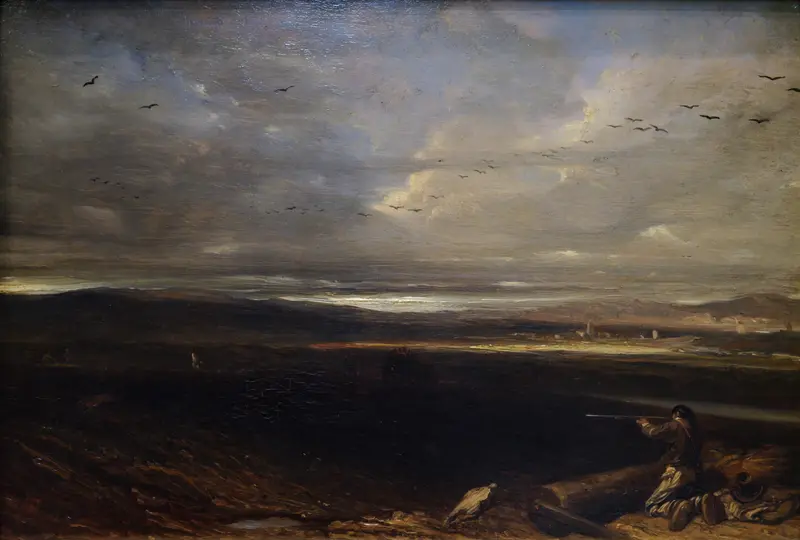
La battue en plaine Musée du Louvre Peintures RF
Alexandre-Gabriel Decamps





