
Still Life with Herring, Bread, and Cheese — History & Facts
A Latin motto floats above the meal: “Quae virtus et quanta sit vivere parvo”—how much virtue there is in living with little. That single line sets the stage for Still Life with Herring, Bread, and Cheese, where Alexandre-Gabriel Decamps invites the viewer to savor simplicity. The eye is drawn first to the gleam on the smoked herrings, their silvery skins echoing the cool shine of the goblet and the metal lid of the pitcher.
The bread’s rough, spongy crust and the creamy wedge of cheese—its surface so soft you can almost feel it—anchor the composition in the tactile pleasures of the everyday. Each object is rendered with such attention that the painting becomes a meditation on texture, sufficiency, and the quiet dignity of a humble meal. This work belongs to a tradition of still life painting that flourished in the nineteenth century, when artists and collectors alike found meaning in the ordinary. Painted in 1858, it once hung in the dining room of the artist’s own home, part of a series marking the stages of a meal.
In an age when industrialization was rapidly changing the rhythms of life and the nature of food itself, such images offered a pause—a chance to reflect on what endures. While history has left few traces of this particular painting’s journey, its presence in a modern collection invites us to linger over the modest feast Decamps has set before us, and to discover, perhaps, a measure of virtue in the act of looking.
Sources: Wikidata Q60474566 · Image source (Wikimedia Commons)
More Artworks by Alexandre-Gabriel Decamps
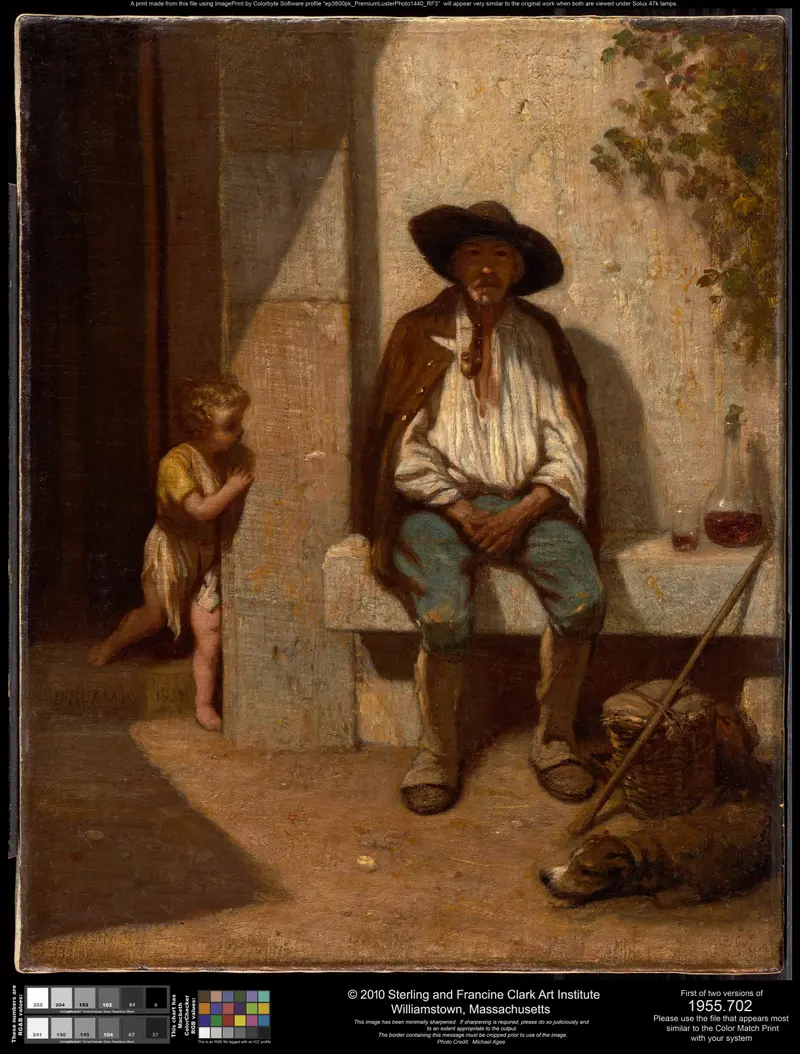
Italian Peasant
Alexandre-Gabriel Decamps
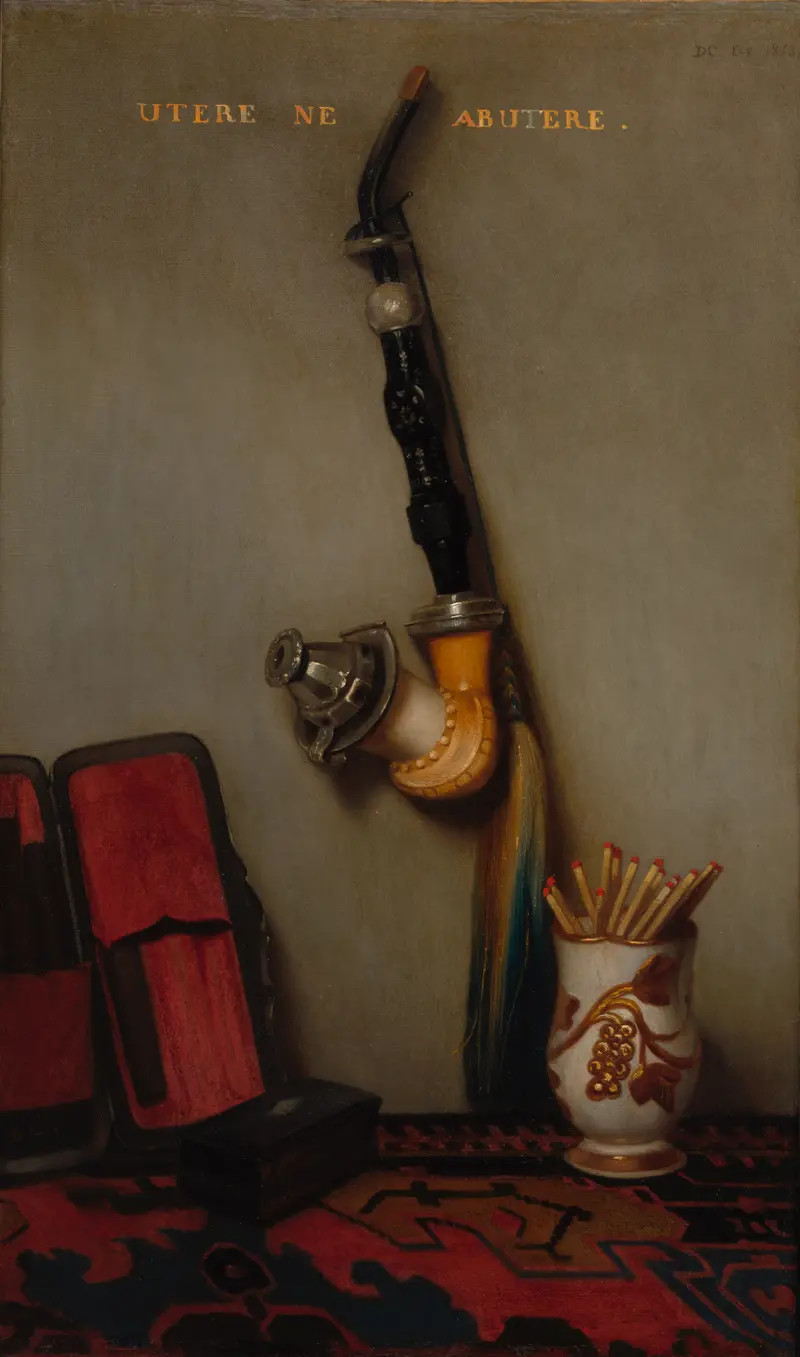
Still Life with Pipe and Matches
Alexandre-Gabriel Decamps
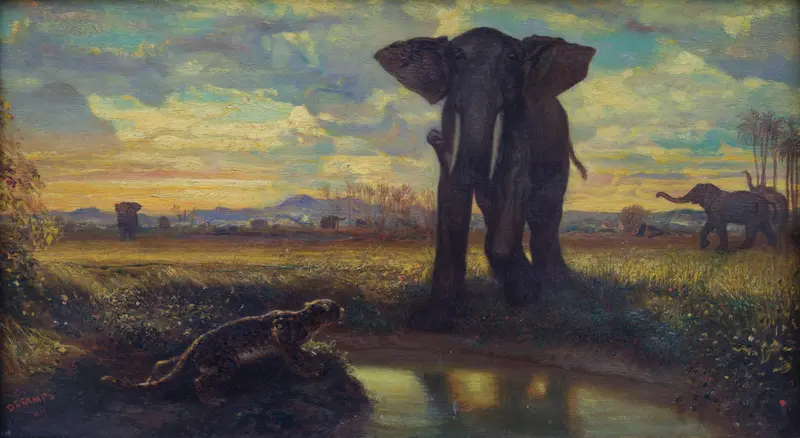
Tigre et éléphant à la source Musée du Louvre Peintures RF
Alexandre-Gabriel Decamps
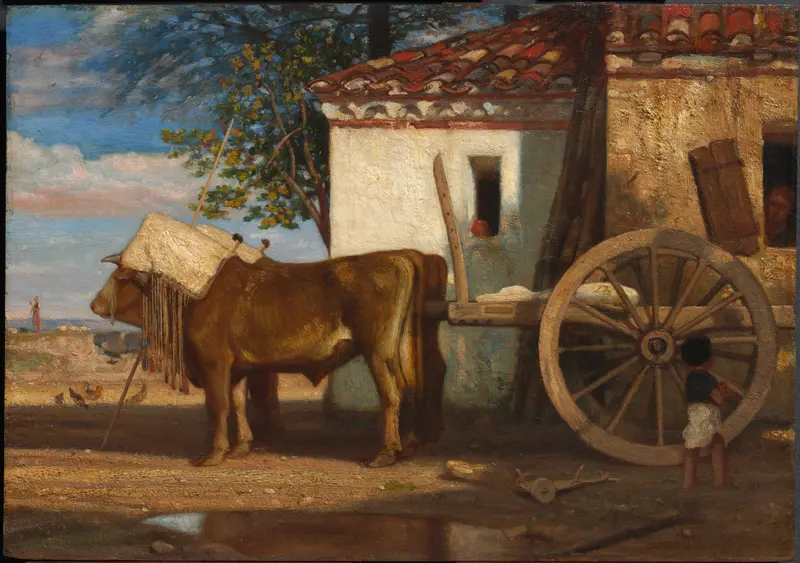
Oxen before a Farmhouse at Le Verrier
Alexandre-Gabriel Decamps
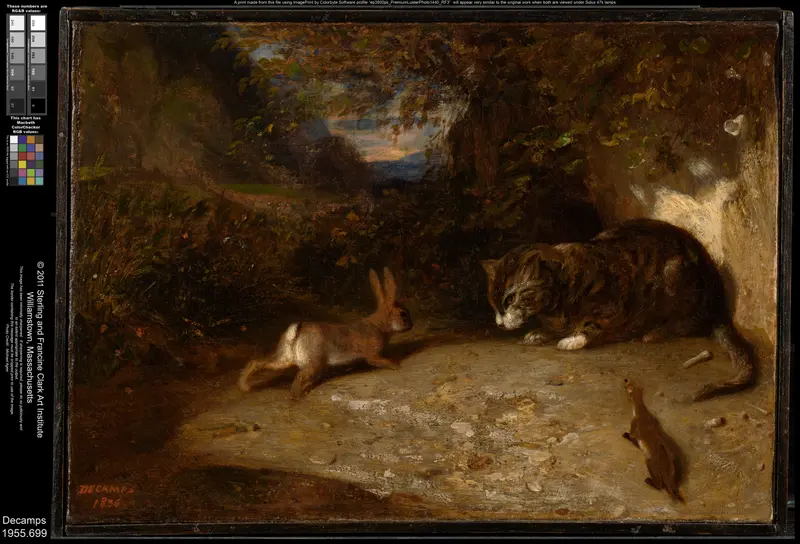
Cat, Weasel, and Rabbit
Alexandre-Gabriel Decamps
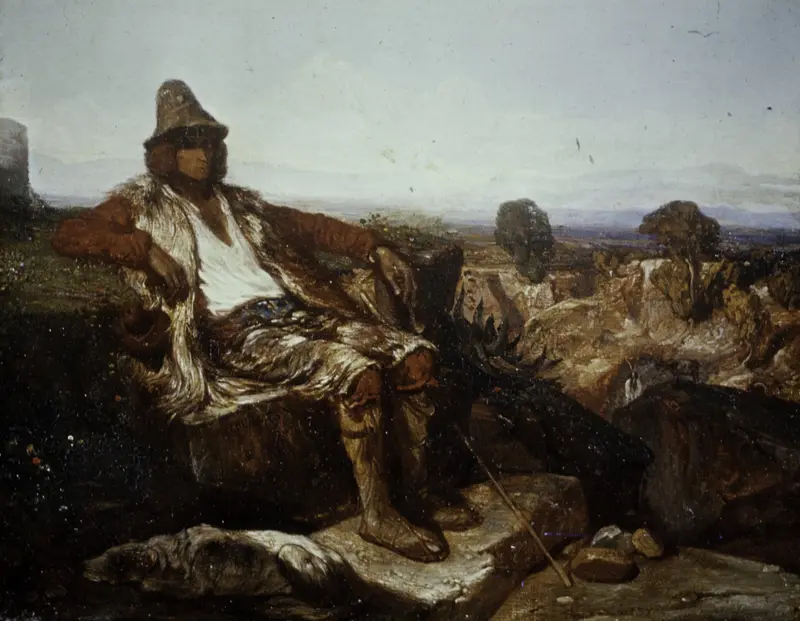
Goatherd of the Abruzzi
Alexandre-Gabriel Decamps
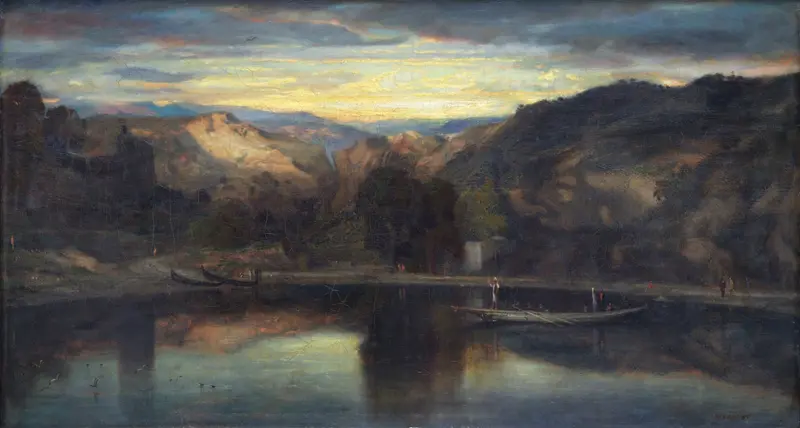
Jésus sur le lac de Génésareth Musée du Louvre Peintures RF
Alexandre-Gabriel Decamps

Espagnols jouant aux cartes Musée du Louvre Peintures RF
Alexandre-Gabriel Decamps
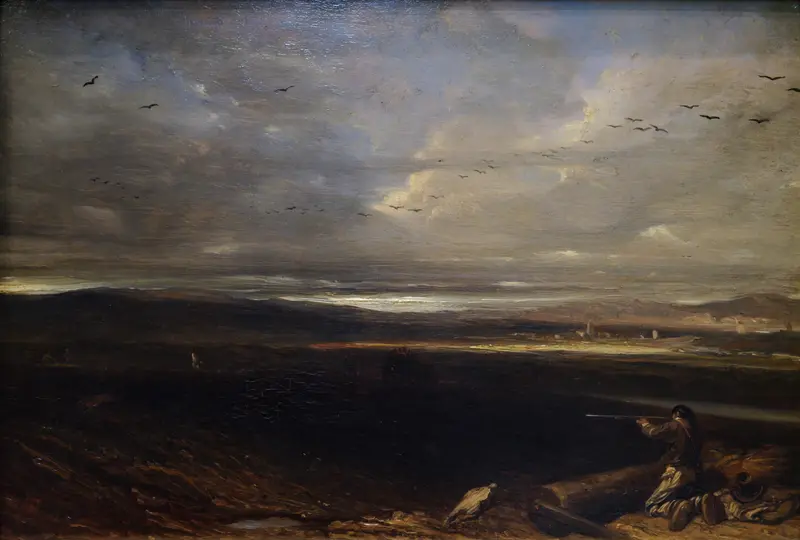
La battue en plaine Musée du Louvre Peintures RF
Alexandre-Gabriel Decamps
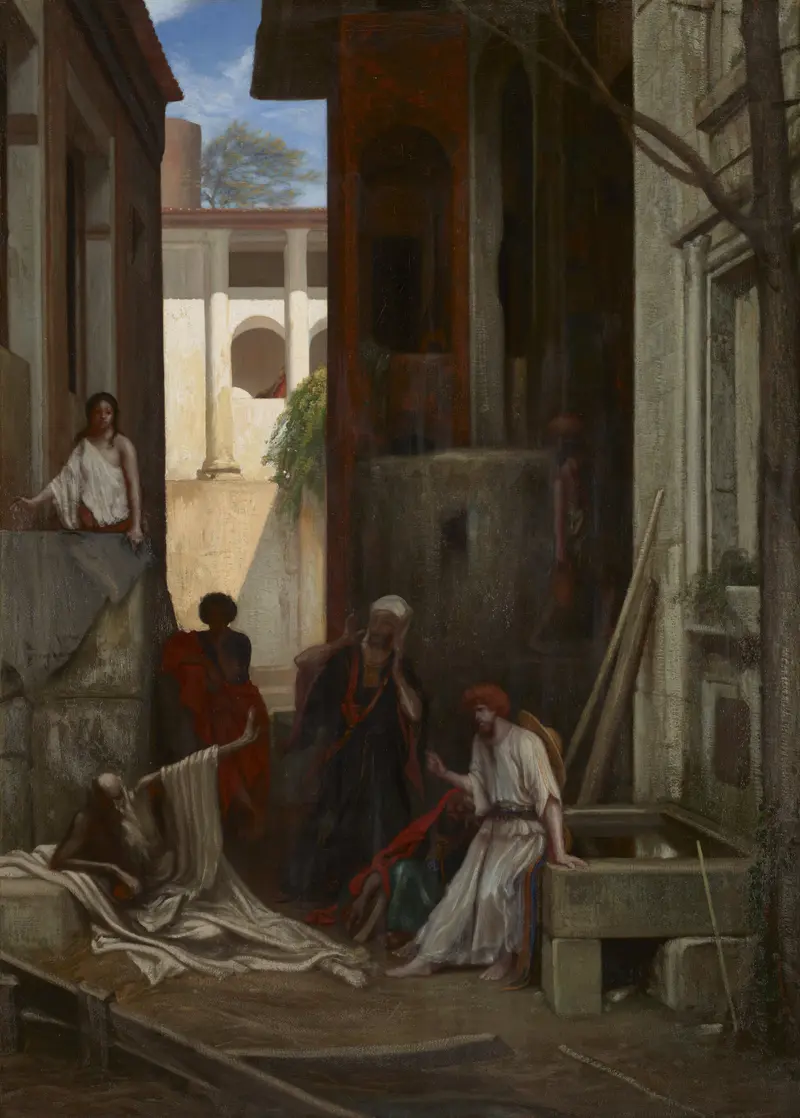
Job and His Friends
Alexandre-Gabriel Decamps





