
Oxen before a Farmhouse at Le Verrier — History & Facts
What first catches the eye in Oxen before a Farmhouse at Le Verrier is the quiet dignity of the animals themselves, standing broadside in the warm light, their patient strength anchoring the scene. The oxen’s heavy heads are draped with a protective cloth, its fringe casting delicate shadows over their faces, while the great wooden wheel of their cart nearly fills the right side of the canvas. A child stands barefoot beside the wheel, his gaze lost in the play of light and shadow, drawing us into the everyday rhythms of rural life.
The farmhouse behind them, with its tiled roof and sun-bleached walls, hints at a world both sturdy and weathered, while the distant figure and chickens lend a sense of gentle movement to the otherwise still moment. Painted around 1853, this work belongs to a moment when artists like Alexandre-Gabriel Decamps turned their attention to the unvarnished poetry of rural existence. Such scenes were not merely decorative; they spoke to changing attitudes in mid-19th-century France, where the countryside was both a source of national identity and a subject of nostalgia as industrialization gathered pace. Collectors and museums alike sought these images for their blend of realism and sentiment, and today, Oxen before a Farmhouse at Le Verrier resides in the Cleveland Museum of Art, a quiet testament to a world that was already beginning to slip away.
The longer you look, the more the painting reveals: not just a record of labor, but a meditation on waiting, watching, and the slow passage of time.
Sources: Wikidata Q60474550 · Image source (Wikimedia Commons)
More Artworks by Alexandre-Gabriel Decamps

Still Life with Herring, Bread, and Cheese
Alexandre-Gabriel Decamps
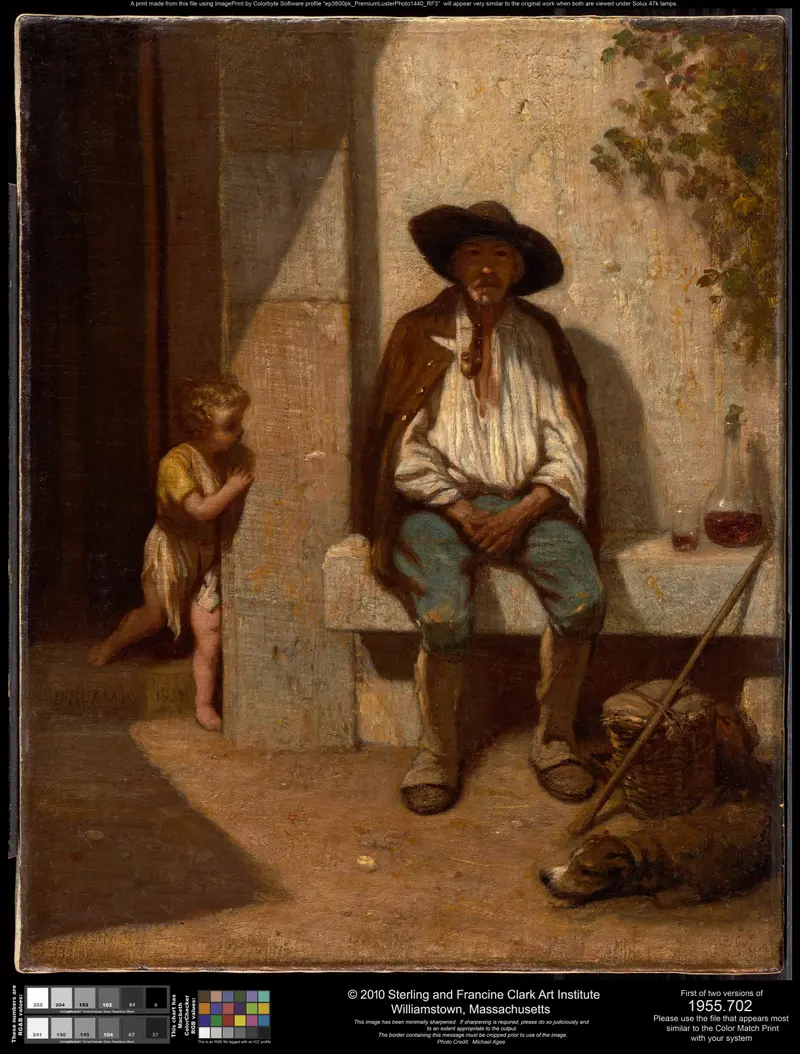
Italian Peasant
Alexandre-Gabriel Decamps
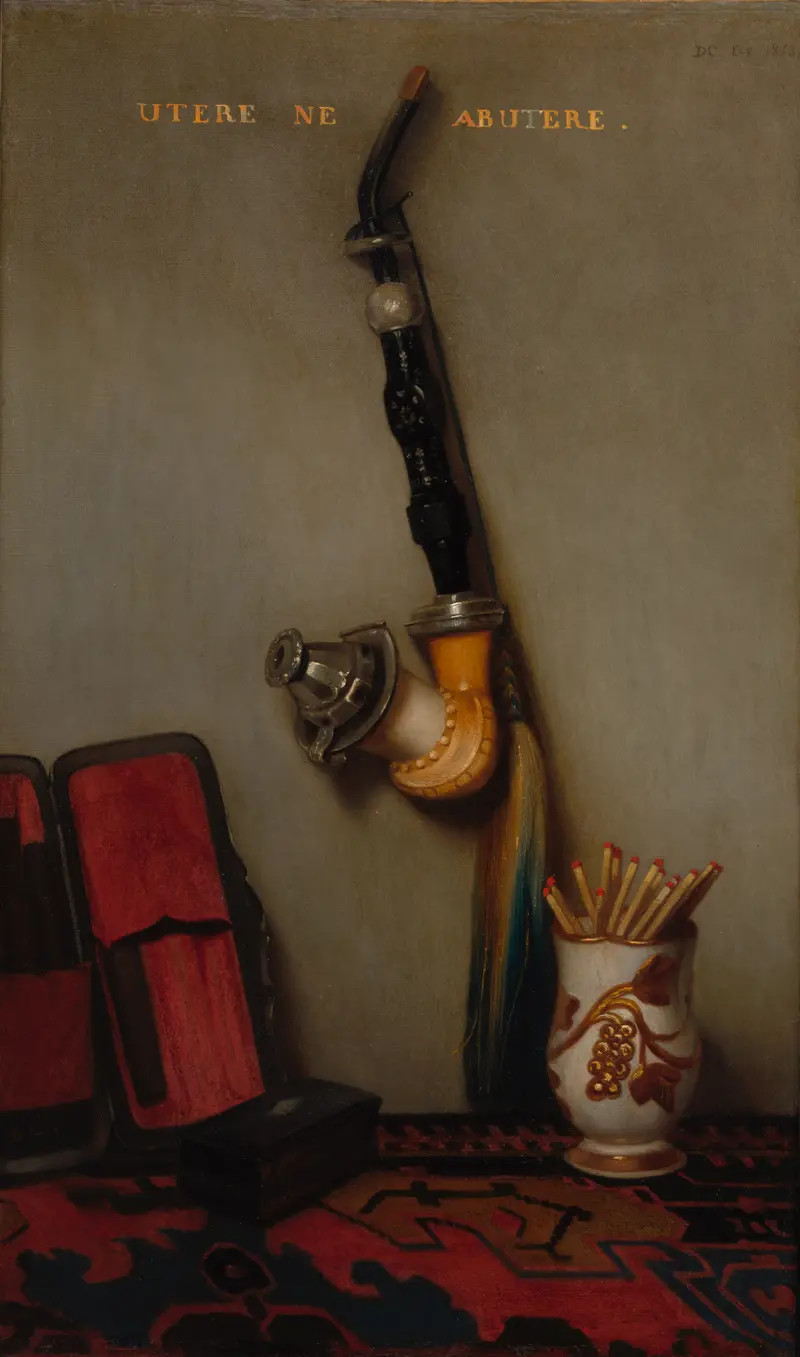
Still Life with Pipe and Matches
Alexandre-Gabriel Decamps
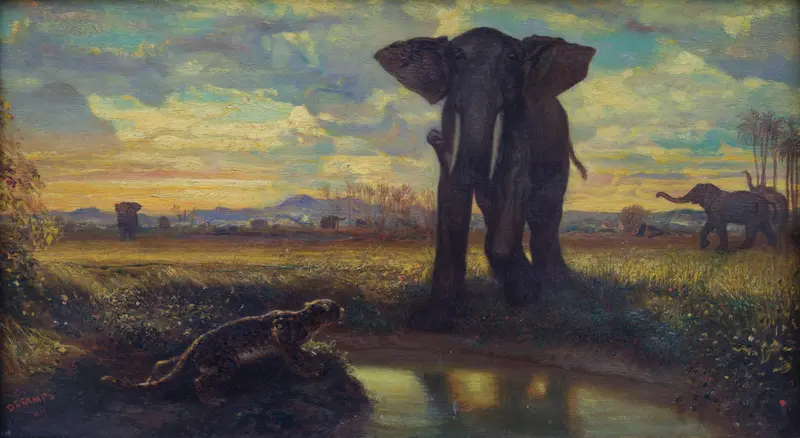
Tigre et éléphant à la source Musée du Louvre Peintures RF
Alexandre-Gabriel Decamps
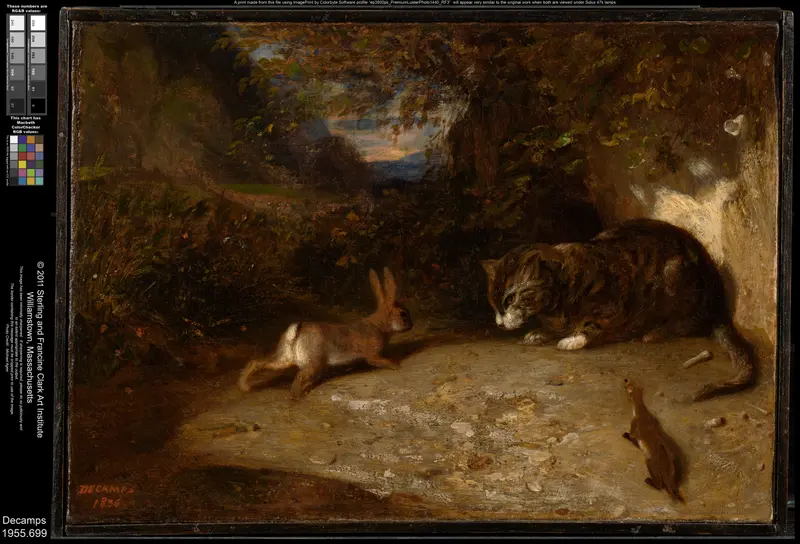
Cat, Weasel, and Rabbit
Alexandre-Gabriel Decamps
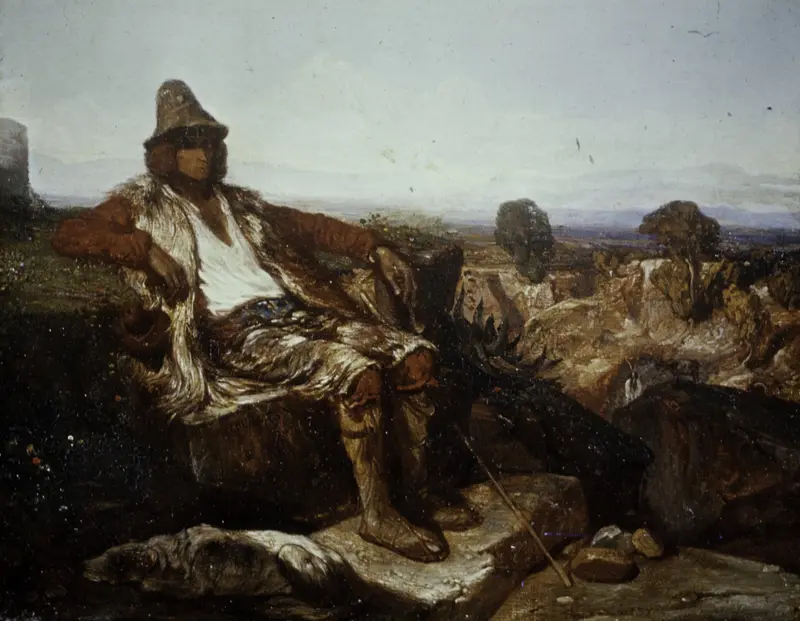
Goatherd of the Abruzzi
Alexandre-Gabriel Decamps
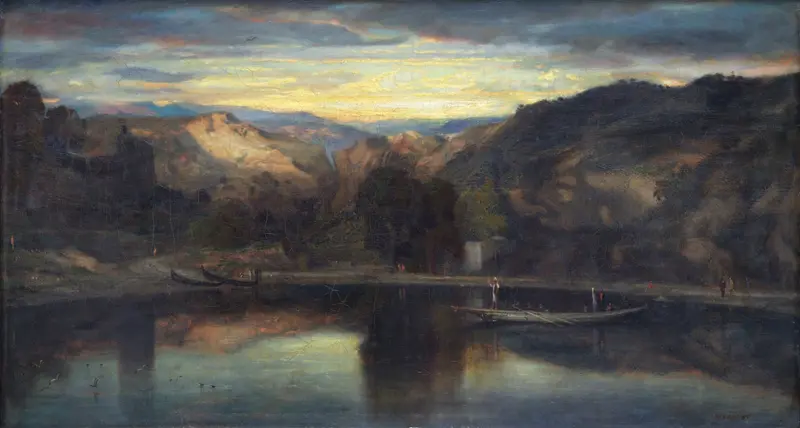
Jésus sur le lac de Génésareth Musée du Louvre Peintures RF
Alexandre-Gabriel Decamps

Espagnols jouant aux cartes Musée du Louvre Peintures RF
Alexandre-Gabriel Decamps
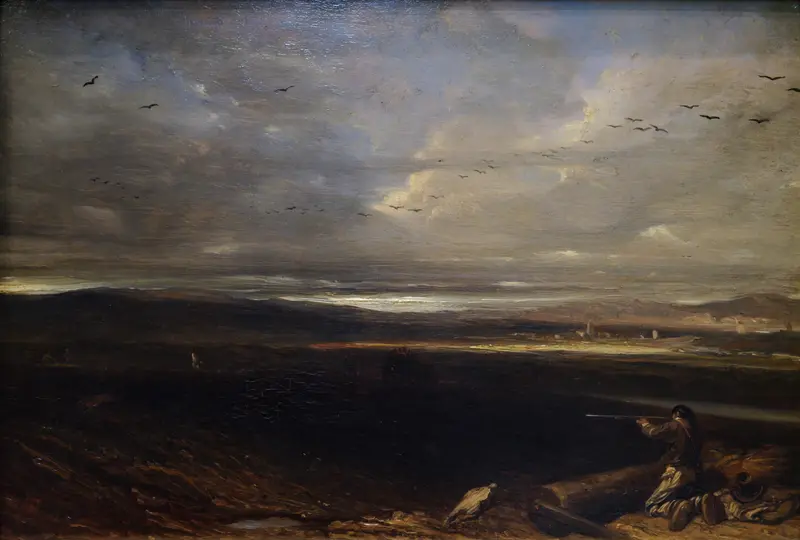
La battue en plaine Musée du Louvre Peintures RF
Alexandre-Gabriel Decamps
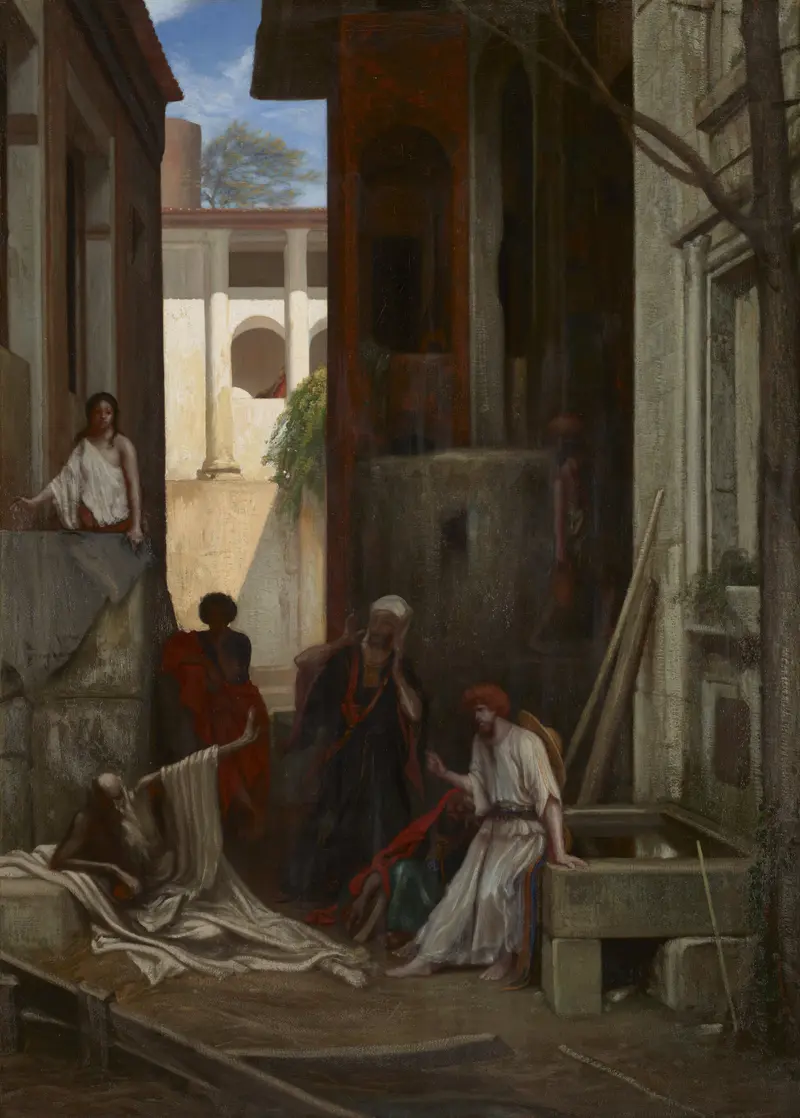
Job and His Friends
Alexandre-Gabriel Decamps
More Landscape Art

The Starry Night
Vincent van Gogh

View of Delft
Johannes Vermeer

Water Lilies
Claude Monet

The Grand Canal, Venice, looking north-west from the Ca' Corner to the Ca' Contarini degli Scrigni, with the campanile of Santa Maria della Carità
Canaletto

Windsor Castle
Canaletto

The Grand Canal looking North-East from the Palazzo Dolfin-Manin to the Rialto Bridge
Canaletto