
Goatherd of the Abruzzi — History & Facts
A figure leans back against the rough stone, utterly at ease in a wild and sun-bleached landscape. The first thing that grips the eye is the goatherd’s pose: one arm flung over the rock, legs stretched, his whole body settling into the earth as if he has always belonged to it. His heavy felt hat casts a shadow across his face, leaving his expression unreadable, but his costume tells its own story—fur vest, sturdy leggings, and a staff at rest by his side.
The brushwork is loose, almost rugged, echoing the rocky terrain and the life of wandering flocks. Even the dog at his feet seems to have melted into the ground, a companion as weathered as the shepherd himself. The light falls softly from the left, picking out textures in the fur and stone, then guiding the gaze out to the distant horizon, where the land dissolves into haze. Painted around 1845, this work belongs to the world of nineteenth-century Europe, when artists like Alexandre-Gabriel Decamps found new fascination in rural life and the dignity of ordinary labor.
The Abruzzi, a mountainous region in Italy, was a favorite subject for painters seeking both the picturesque and the authentic—scenes far removed from the bustle of cities and the grand narratives of history painting. Such images were often collected by urban patrons hungry for a vision of unspoiled nature and honest toil. Today, Goatherd of the Abruzzi resides in the Minneapolis Institute of Arts, its quiet drama a reminder of the era’s search for truth in the overlooked corners of the world.
Notice how the landscape, though rough and sparse, becomes a stage for the shepherd’s quiet authority—an invitation to linger and look again.
More Artworks by Alexandre-Gabriel Decamps

Still Life with Herring, Bread, and Cheese
Alexandre-Gabriel Decamps
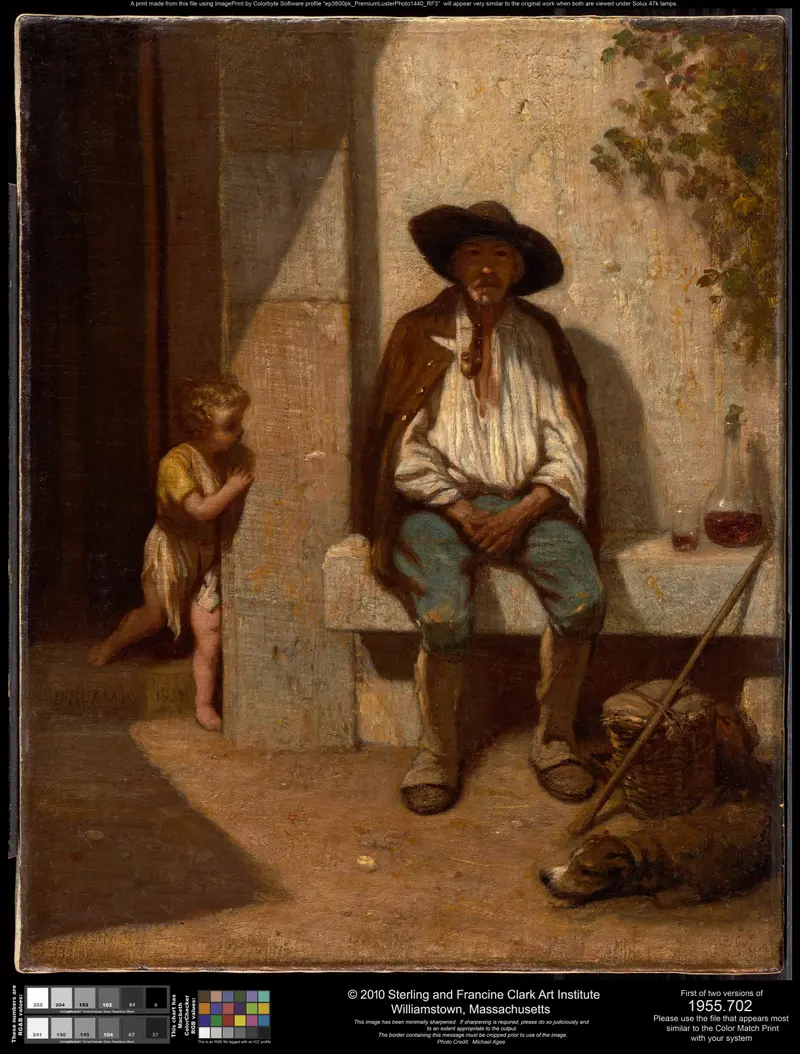
Italian Peasant
Alexandre-Gabriel Decamps
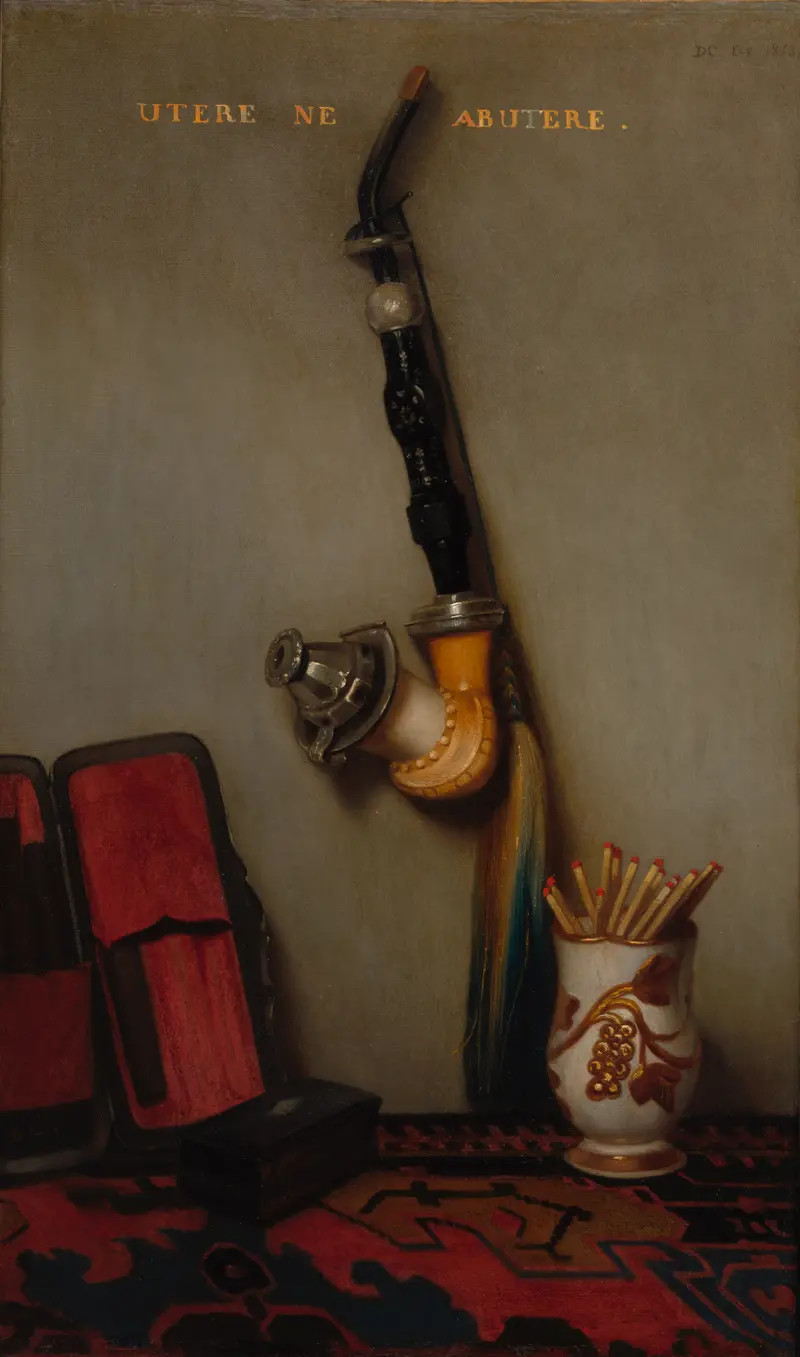
Still Life with Pipe and Matches
Alexandre-Gabriel Decamps
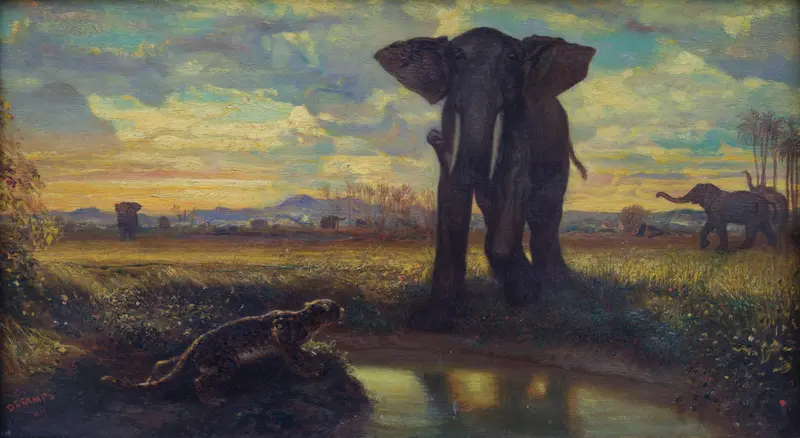
Tigre et éléphant à la source Musée du Louvre Peintures RF
Alexandre-Gabriel Decamps
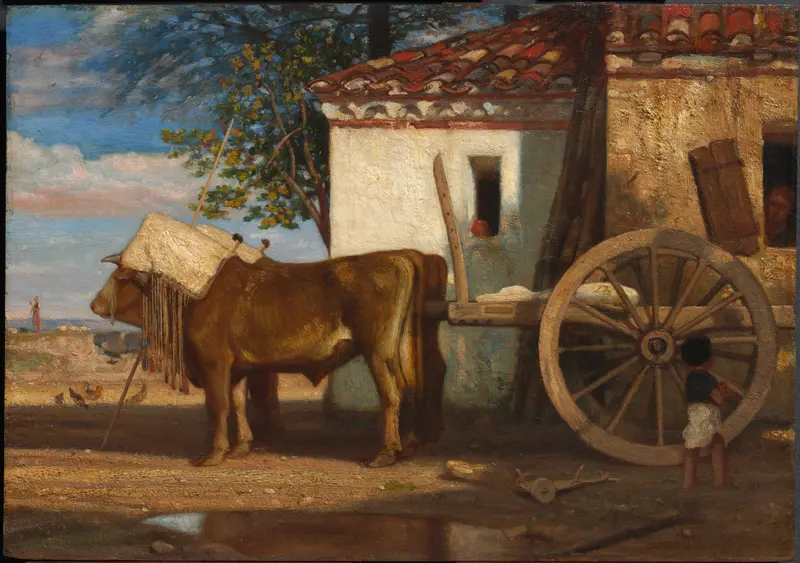
Oxen before a Farmhouse at Le Verrier
Alexandre-Gabriel Decamps
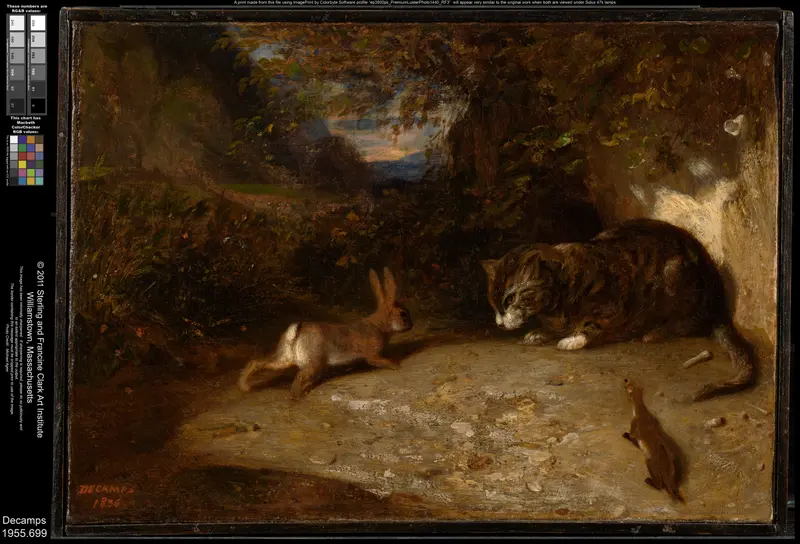
Cat, Weasel, and Rabbit
Alexandre-Gabriel Decamps
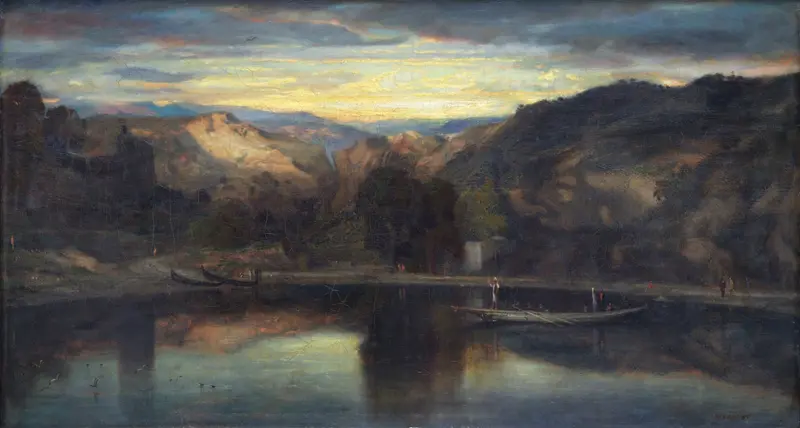
Jésus sur le lac de Génésareth Musée du Louvre Peintures RF
Alexandre-Gabriel Decamps

Espagnols jouant aux cartes Musée du Louvre Peintures RF
Alexandre-Gabriel Decamps
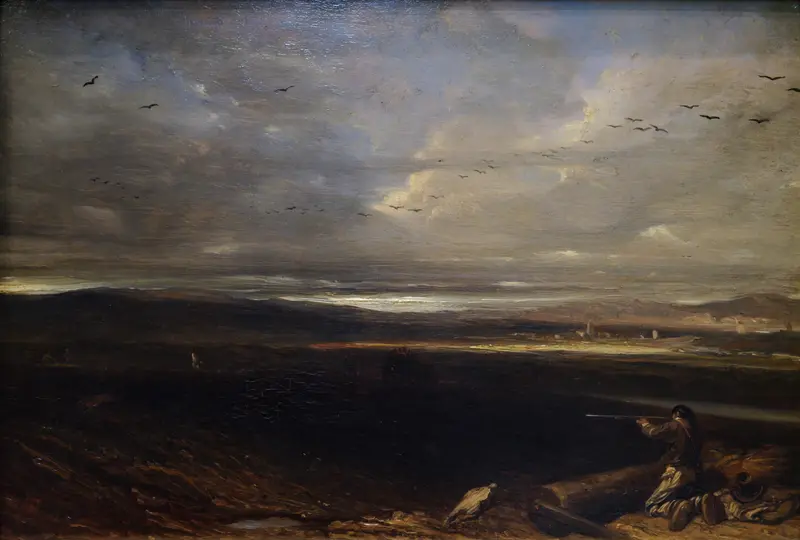
La battue en plaine Musée du Louvre Peintures RF
Alexandre-Gabriel Decamps
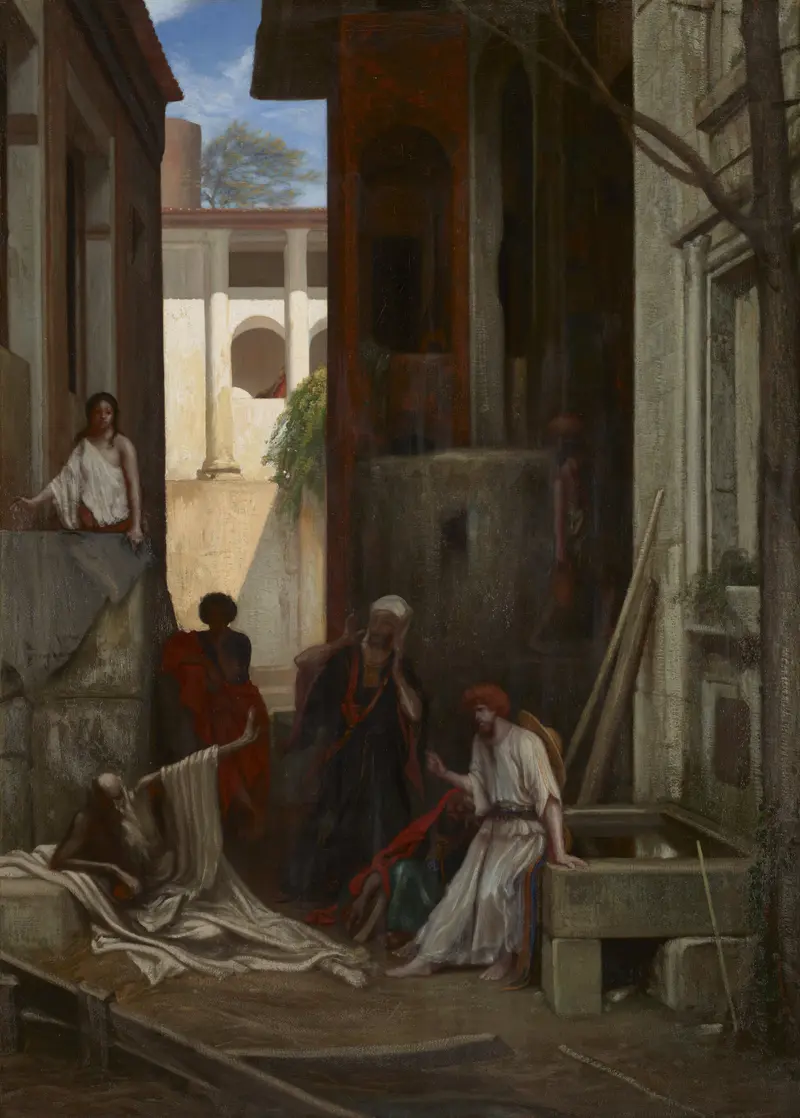
Job and His Friends
Alexandre-Gabriel Decamps
More Genre Scene Art

Banquet of the Officers of the St George Civic Guard
Frans Hals

Rembrandt and Saskia in the Scene of the Prodigal Son
Rembrandt van Rijn

Bal du moulin de la Galette
Pierre-Auguste Renoir

Quadrille at the Moulin Rouge
Henri de Toulouse-Lautrec

A Burial at Ornans
Gustave Courbet

When Will You Marry?
Paul Gauguin