
Italian Peasant — History & Facts
What first catches the eye is the quiet tension between the figures: a weathered man, seated in shadow, gazes out with a guarded calm, while a child peers around the corner, half-curious, half-cautious. The play of sunlight on the rough wall behind them throws their forms into relief, drawing our attention to the man’s broad hat, the heavy folds of his cloak, and the simple tools of rural life—a fishing pole, a wicker basket, a loyal dog at his feet. The bottle of wine and glass on the ledge speak of a brief rest, a pause in the day’s labor, while the child’s bare feet and tousled hair hint at a world of mischief just out of sight.
Every detail feels chosen to root us in a particular moment: the warmth of the ochre palette, the dappled shadow, the sense of waiting. Painted in 1842 by Alexandre-Gabriel Decamps, this work belongs to a period when French artists were fascinated by the realities of rural life and the character of Mediterranean lands. Genre scenes like this—neither grand history nor formal portrait—were prized for their ability to transport city viewers into the rhythms of the countryside. The Clark Art Institute now houses this painting, a reminder of how much the 19th century valued the dignity and mystery of ordinary existence.
History has kept few traces of the specific lives behind such images, but their presence lingers, inviting us to wonder what stories lie just beyond the frame.
Sources: Wikidata Q104774215 · Image source (Wikimedia Commons)
More Artworks by Alexandre-Gabriel Decamps

Still Life with Herring, Bread, and Cheese
Alexandre-Gabriel Decamps
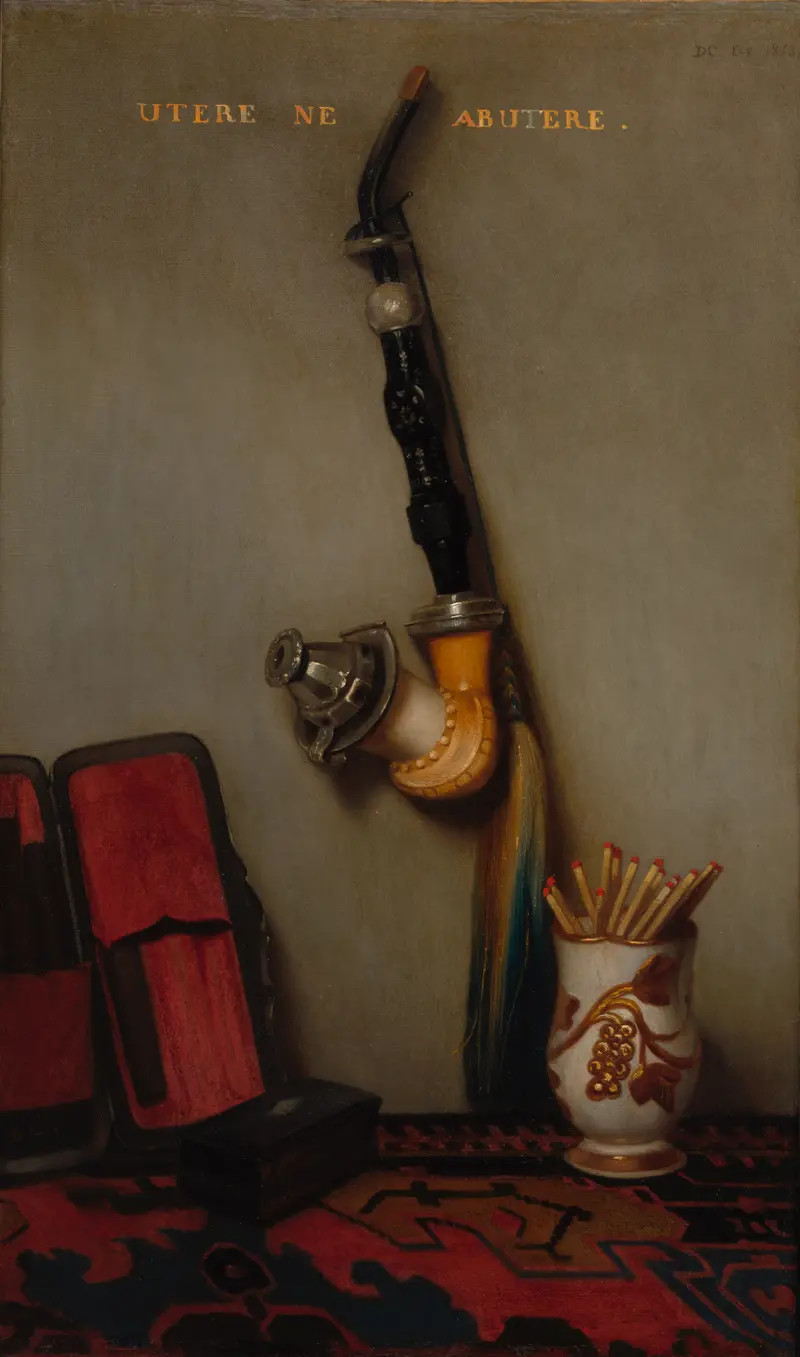
Still Life with Pipe and Matches
Alexandre-Gabriel Decamps
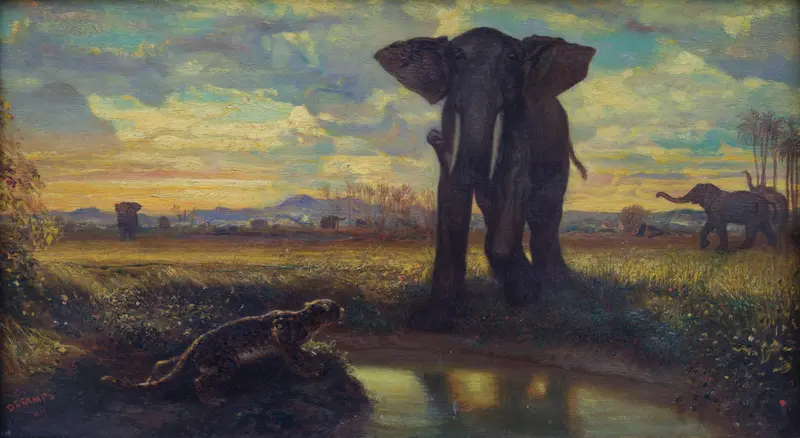
Tigre et éléphant à la source Musée du Louvre Peintures RF
Alexandre-Gabriel Decamps
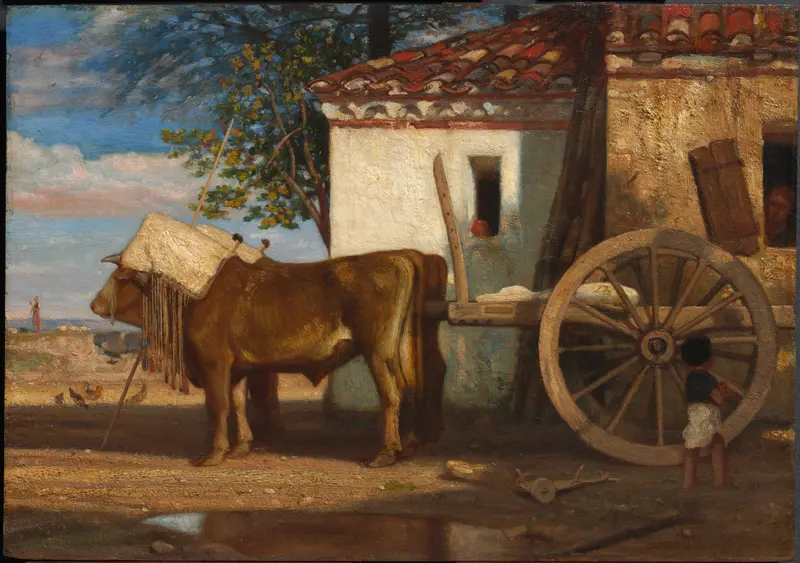
Oxen before a Farmhouse at Le Verrier
Alexandre-Gabriel Decamps
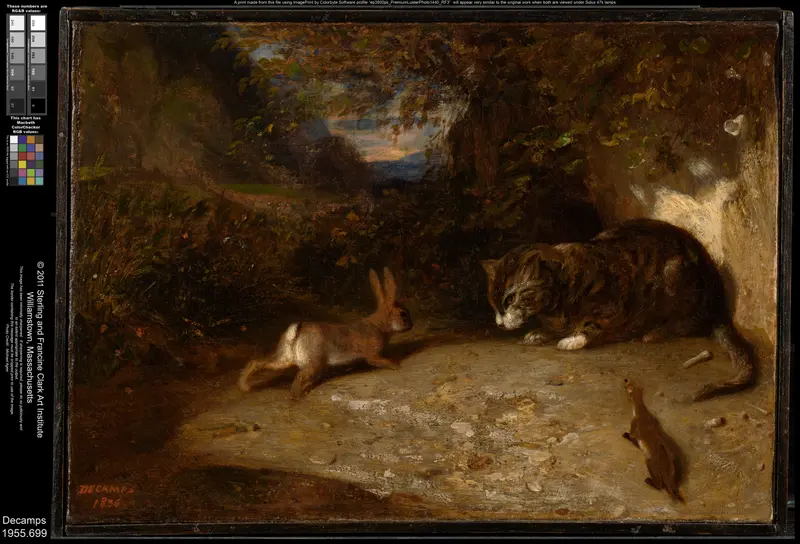
Cat, Weasel, and Rabbit
Alexandre-Gabriel Decamps
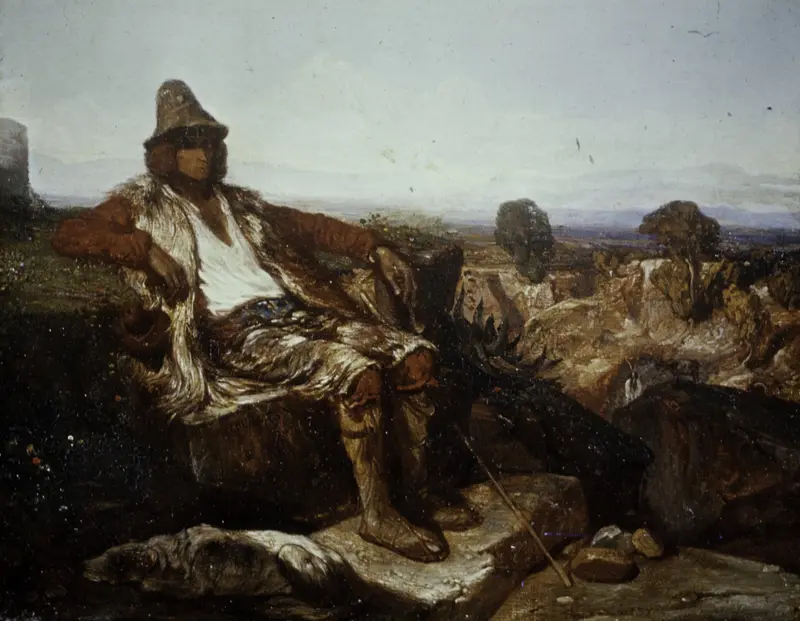
Goatherd of the Abruzzi
Alexandre-Gabriel Decamps
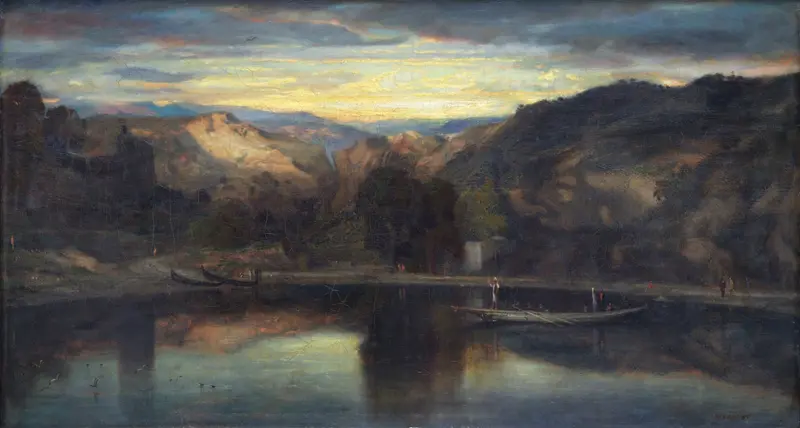
Jésus sur le lac de Génésareth Musée du Louvre Peintures RF
Alexandre-Gabriel Decamps

Espagnols jouant aux cartes Musée du Louvre Peintures RF
Alexandre-Gabriel Decamps
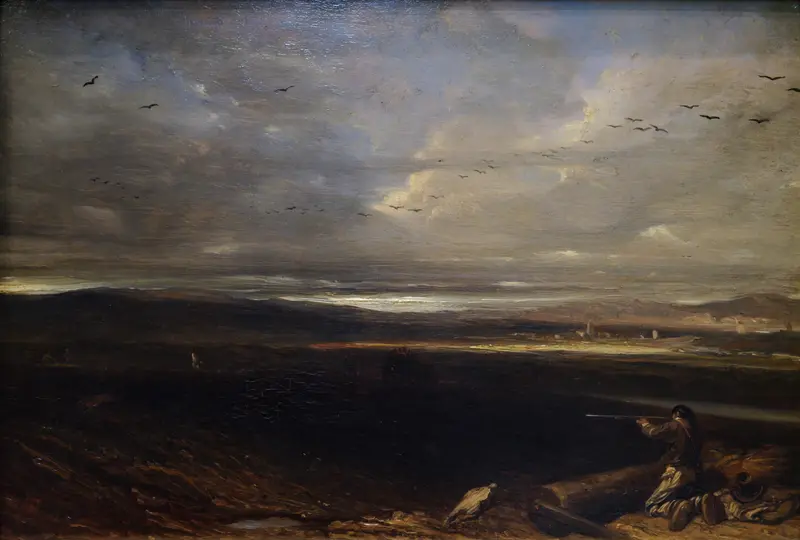
La battue en plaine Musée du Louvre Peintures RF
Alexandre-Gabriel Decamps
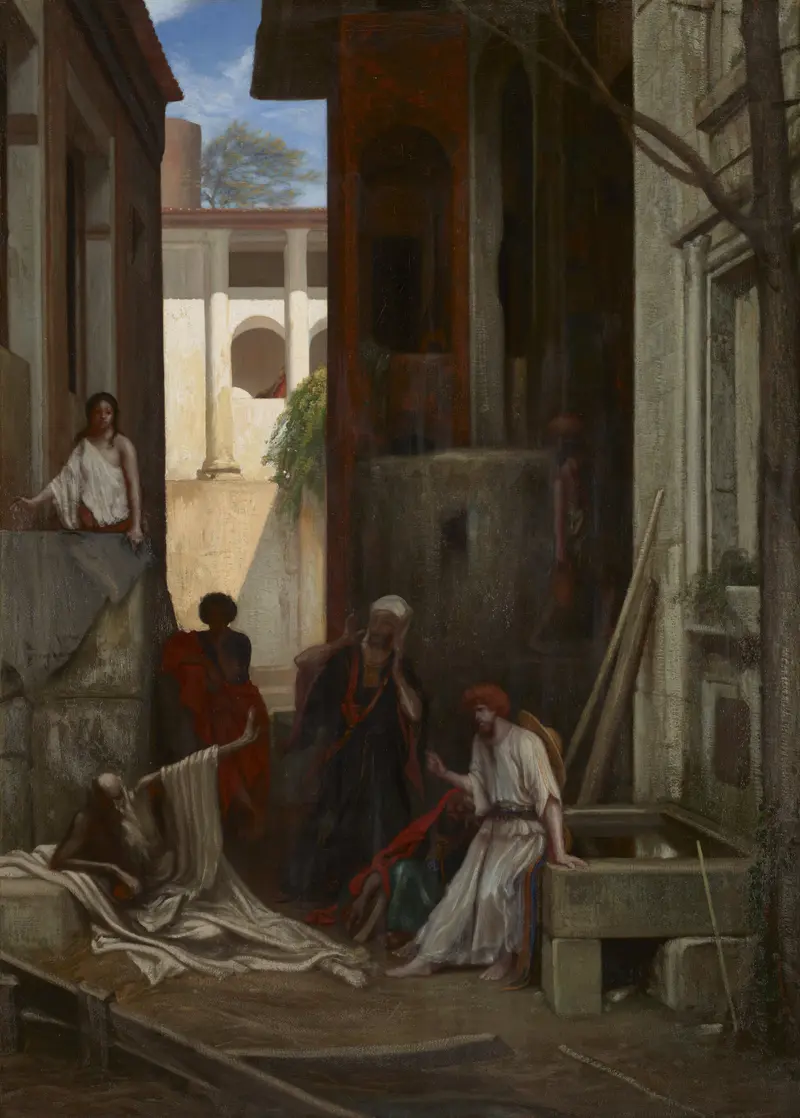
Job and His Friends
Alexandre-Gabriel Decamps
More Genre Scene Art

Banquet of the Officers of the St George Civic Guard
Frans Hals

Rembrandt and Saskia in the Scene of the Prodigal Son
Rembrandt van Rijn

Bal du moulin de la Galette
Pierre-Auguste Renoir

Quadrille at the Moulin Rouge
Henri de Toulouse-Lautrec

A Burial at Ornans
Gustave Courbet

When Will You Marry?
Paul Gauguin