
Espagnols jouant aux cartes Musée du Louvre Peintures RF — History & Facts
What draws the eye first is not the game, but the tension that hangs in the dim, smoky air—five men huddled around a battered table, their red caps and rough coats catching the last, slanting light. The painter, Alexandre-Gabriel Decamps, lets the wall behind them glow with a golden haze, so that every gesture becomes a clue: the hunched shoulders, the clenched fists, the wary sideways glances. One player leans forward, his arm outstretched as if to claim a trick or challenge a move, while another bites his knuckle in silent calculation.
In the shadows, a woman and a young man watch, half-hidden, their presence a reminder that the stakes here are not just money but pride, reputation, perhaps even survival. The whole scene feels charged, as if the next card might tip the balance from camaraderie to conflict. This painting belongs to a world fascinated by everyday drama, a world where artists like Decamps turned their gaze from grand history to the charged moments of ordinary life. Painted between 1825 and 1875, at a time when Romanticism and Realism were reshaping European art, such works offered viewers a window onto foreign customs and rustic interiors—scenes both exotic and familiar.
Genre scenes like this were prized by collectors for their storytelling power and their ability to conjure distant lands or vanished ways of life, and French artists in particular were drawn to Spanish themes, seeing in them a kind of untamed authenticity. Though little is recorded about the journey of this specific work, today it survives as a photograph in the Louvre’s collection, a testament to the enduring appeal of a simple game played by men whose faces tell stories all their own. Look again at the faces in the half-light, and imagine what the next card will bring.
More Artworks by Alexandre-Gabriel Decamps

Still Life with Herring, Bread, and Cheese
Alexandre-Gabriel Decamps
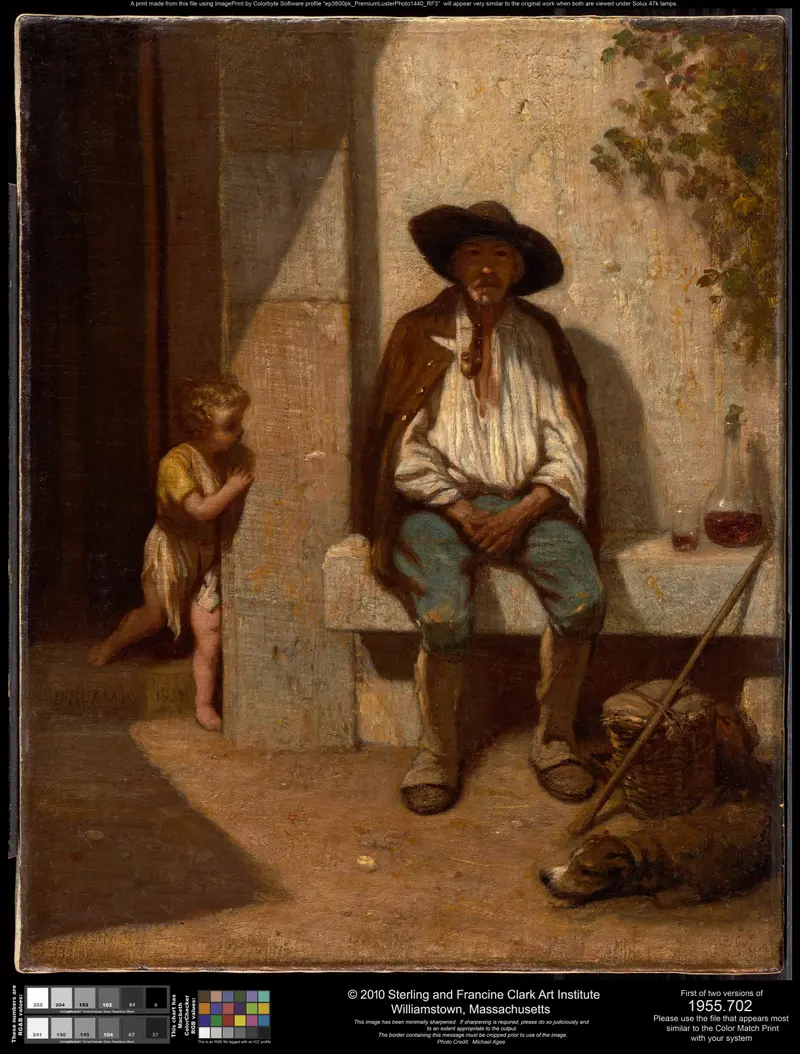
Italian Peasant
Alexandre-Gabriel Decamps
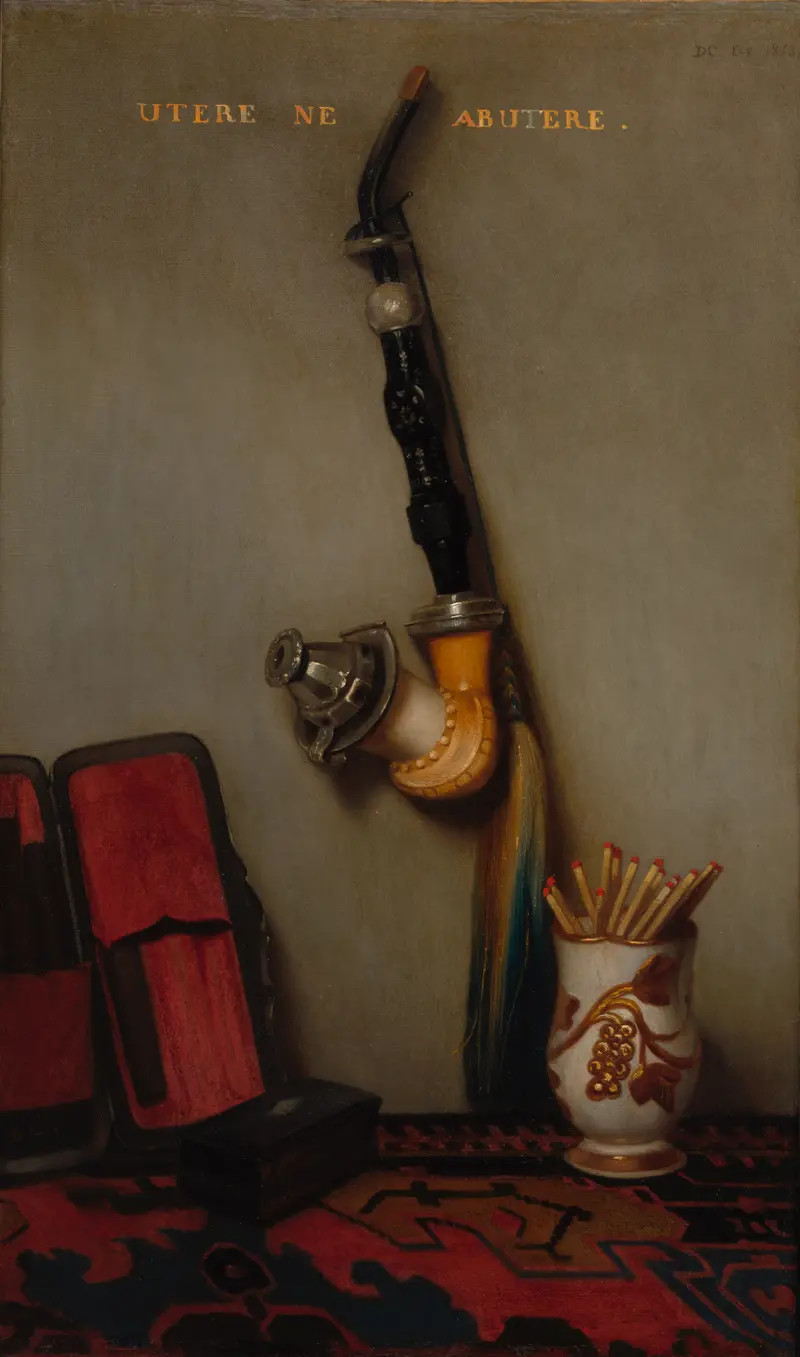
Still Life with Pipe and Matches
Alexandre-Gabriel Decamps
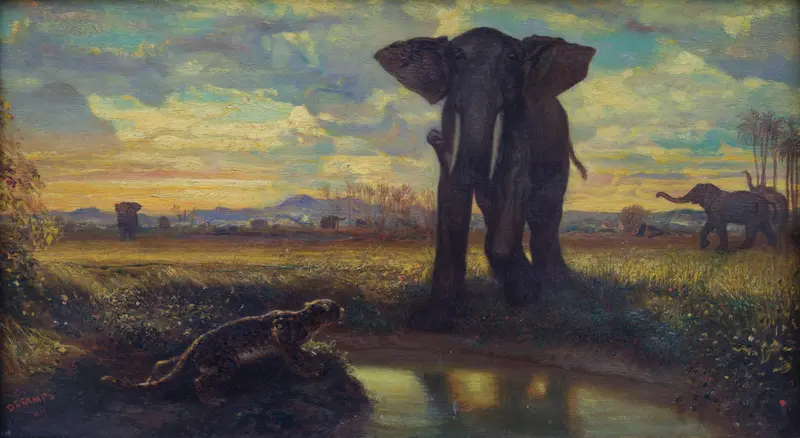
Tigre et éléphant à la source Musée du Louvre Peintures RF
Alexandre-Gabriel Decamps
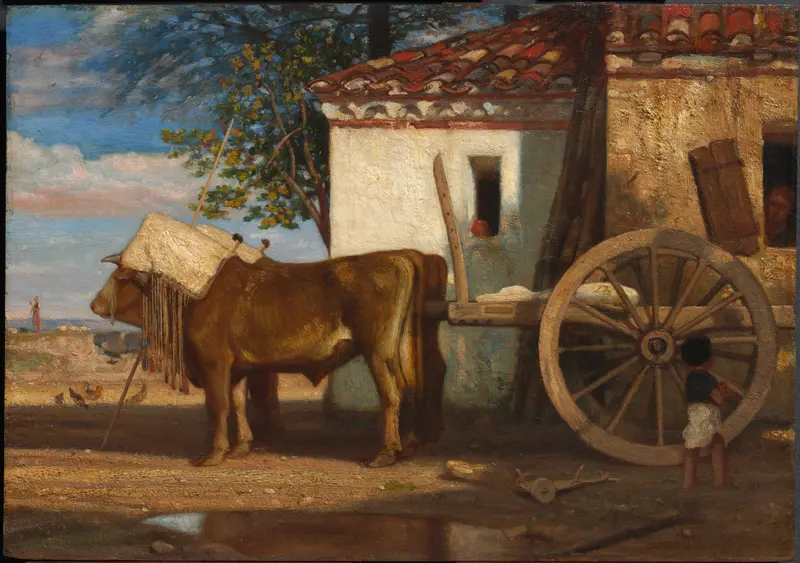
Oxen before a Farmhouse at Le Verrier
Alexandre-Gabriel Decamps
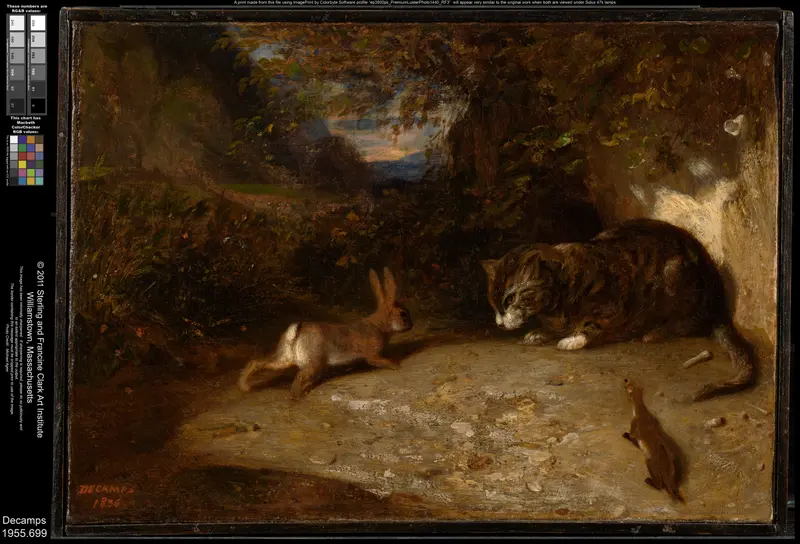
Cat, Weasel, and Rabbit
Alexandre-Gabriel Decamps
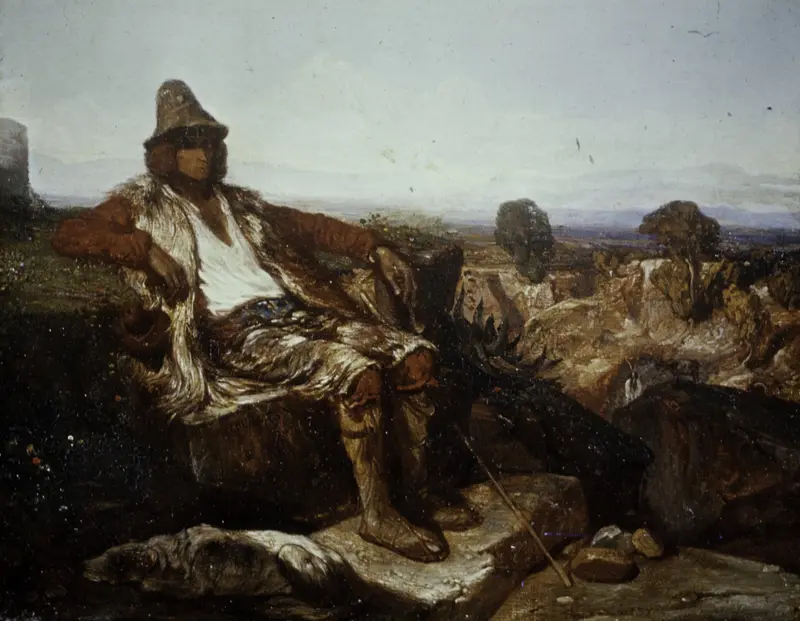
Goatherd of the Abruzzi
Alexandre-Gabriel Decamps
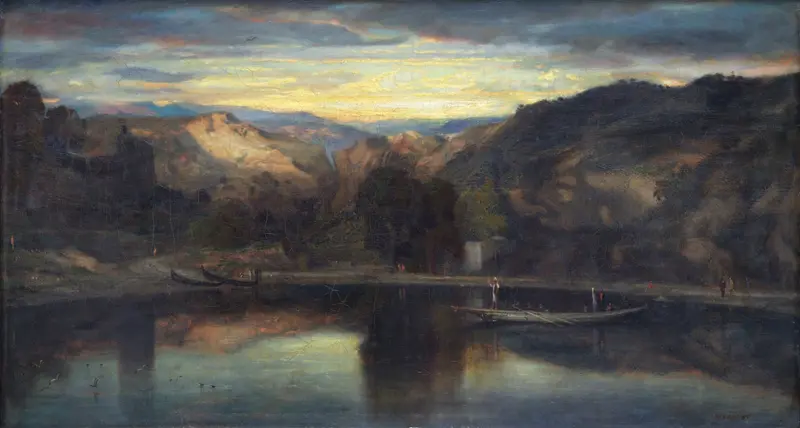
Jésus sur le lac de Génésareth Musée du Louvre Peintures RF
Alexandre-Gabriel Decamps
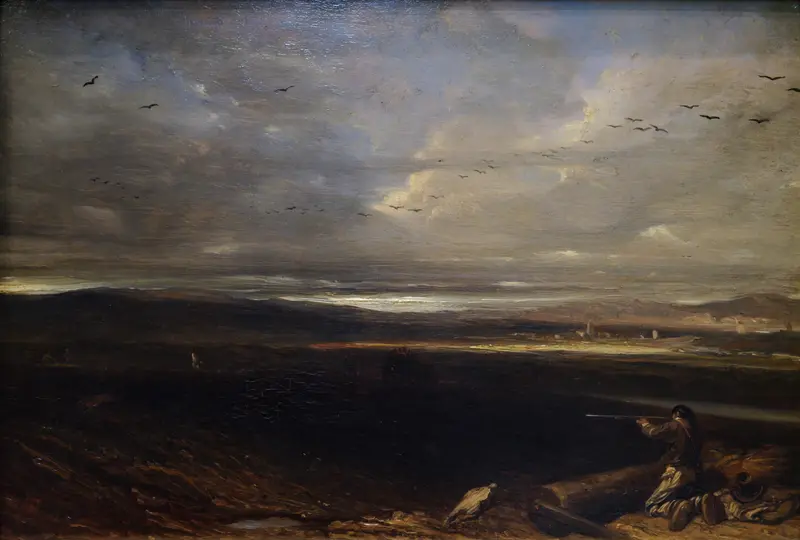
La battue en plaine Musée du Louvre Peintures RF
Alexandre-Gabriel Decamps
Job and His Friends
Alexandre-Gabriel Decamps
More Genre Scene Art

Banquet of the Officers of the St George Civic Guard
Frans Hals

Rembrandt and Saskia in the Scene of the Prodigal Son
Rembrandt van Rijn

Bal du moulin de la Galette
Pierre-Auguste Renoir

Quadrille at the Moulin Rouge
Henri de Toulouse-Lautrec

A Burial at Ornans
Gustave Courbet

When Will You Marry?
Paul Gauguin