
La battue en plaine Musée du Louvre Peintures RF — History & Facts
A single shot splits the hush of a vast, wind-swept plain, and the eye is drawn not to the hunter but to the sky itself—an endless, churning stage where flocks of birds scatter before the coming storm. In La battue en plaine, Alexandre-Gabriel Decamps chooses not the moment of triumph or drama, but the tense anticipation that hangs between earth and sky. The hunter, crouched low and intent, is almost swallowed by the shadowed foreground, his presence dwarfed by the immensity of the landscape.
The light, breaking through distant clouds, glances off the fields and water, guiding us deeper into the painting’s layered distance and hinting at the fragile line between man and nature. Painted between 1850 and 1875, this work belongs to a period when French artists were reimagining the landscape, balancing the traditions of Romanticism with the direct observation of the Realist movement. Scenes of the hunt were popular among collectors and the rising bourgeoisie, who saw in them both nostalgia for rural traditions and a new appreciation for the wildness of the land. Yet Decamps, known for his atmospheric touch, gives the landscape the starring role—the hunter is almost incidental, a figure at the mercy of the weather and the birds’ flight.
The painting now resides in the Louvre’s collection, a reminder of an era when artists and viewers alike were learning to read the land as both subject and story. Let your gaze return to that restless sky, and consider what lies just beyond the reach of the gun’s smoke.
More Artworks by Alexandre-Gabriel Decamps

Still Life with Herring, Bread, and Cheese
Alexandre-Gabriel Decamps
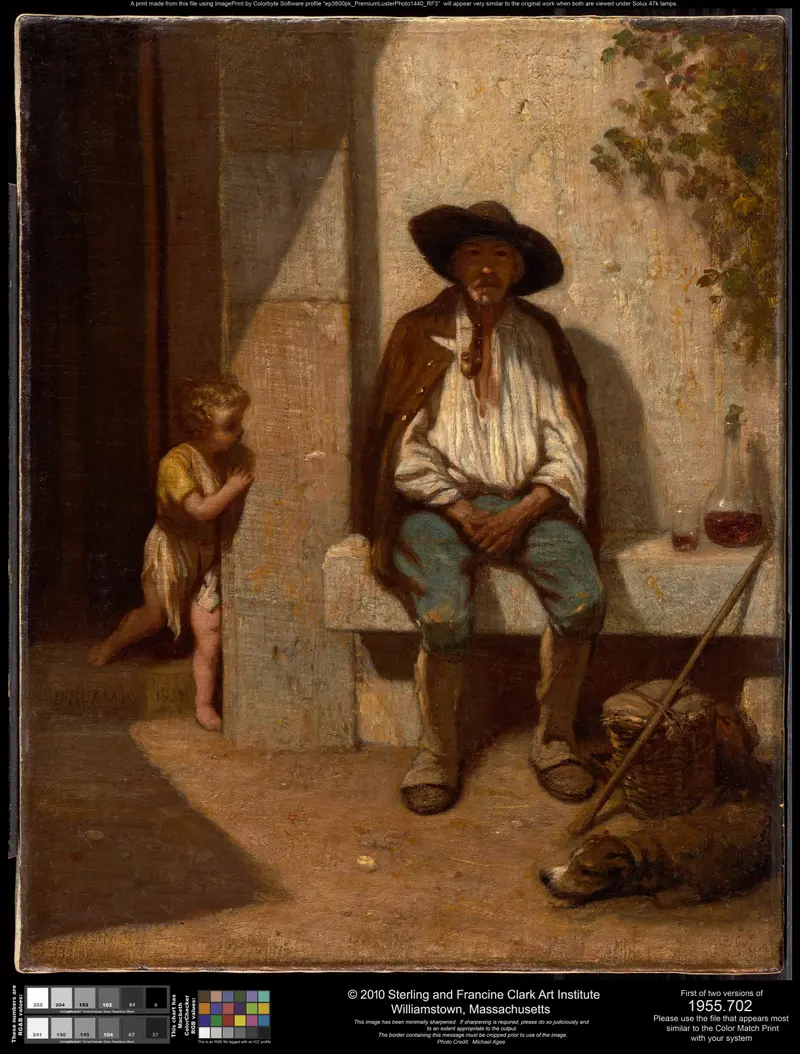
Italian Peasant
Alexandre-Gabriel Decamps
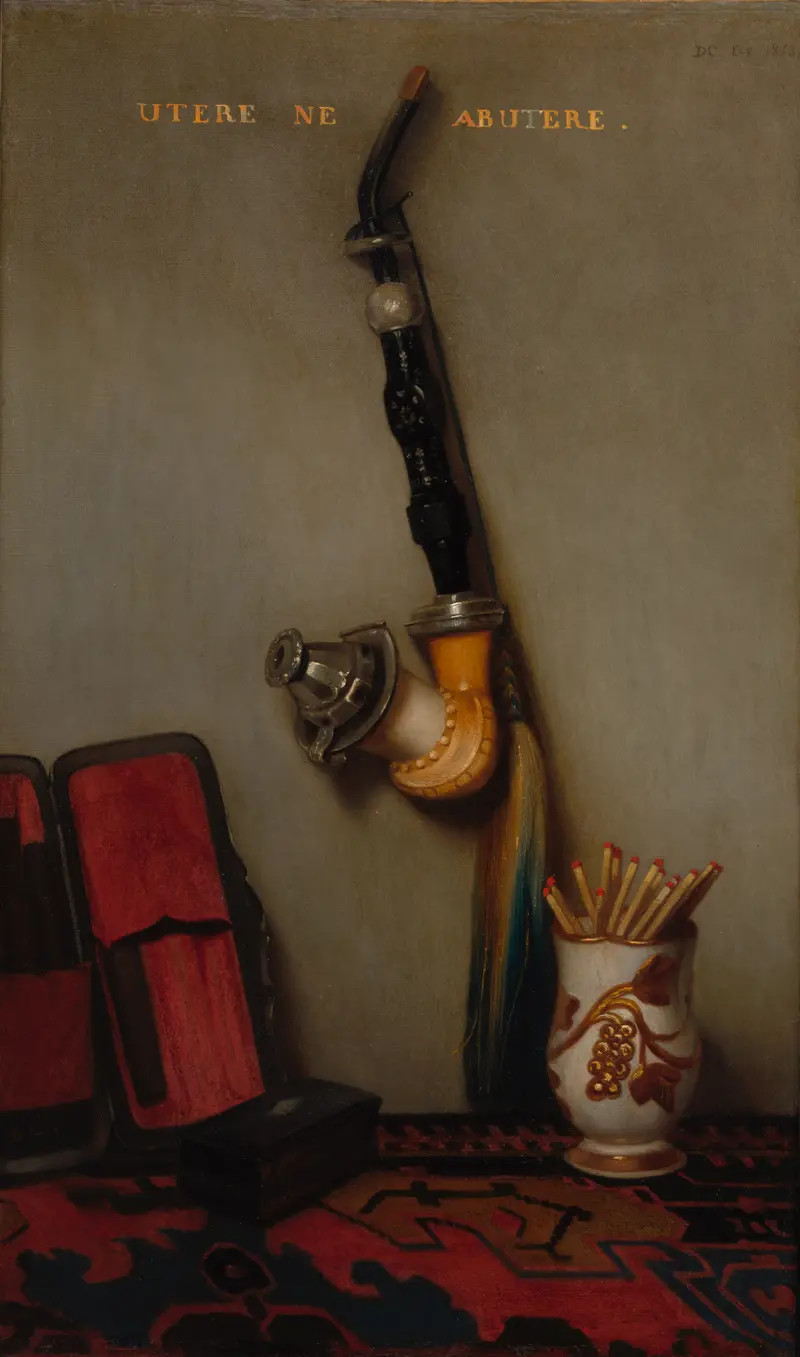
Still Life with Pipe and Matches
Alexandre-Gabriel Decamps
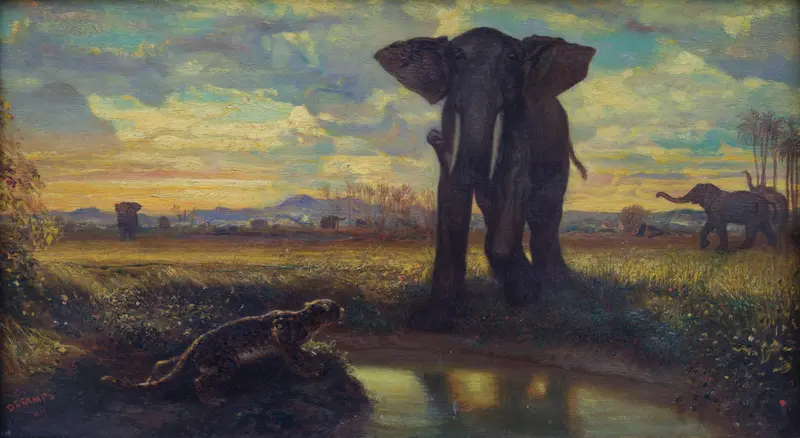
Tigre et éléphant à la source Musée du Louvre Peintures RF
Alexandre-Gabriel Decamps
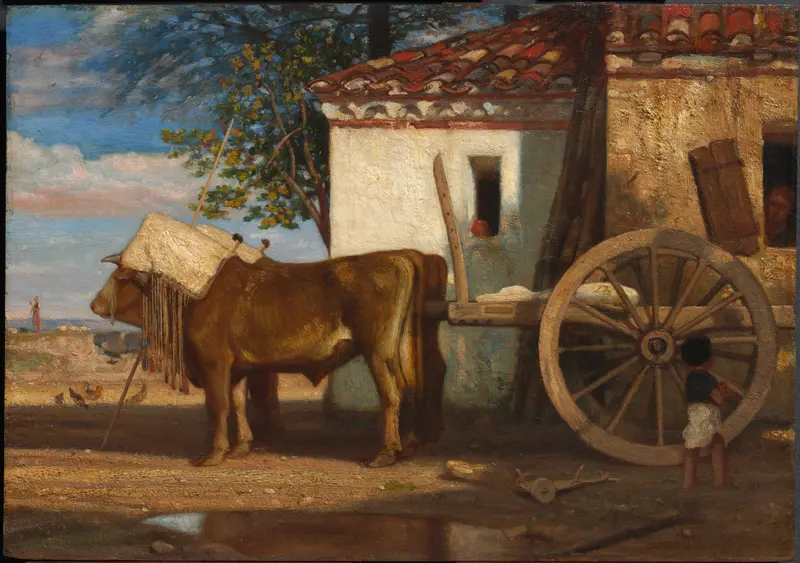
Oxen before a Farmhouse at Le Verrier
Alexandre-Gabriel Decamps
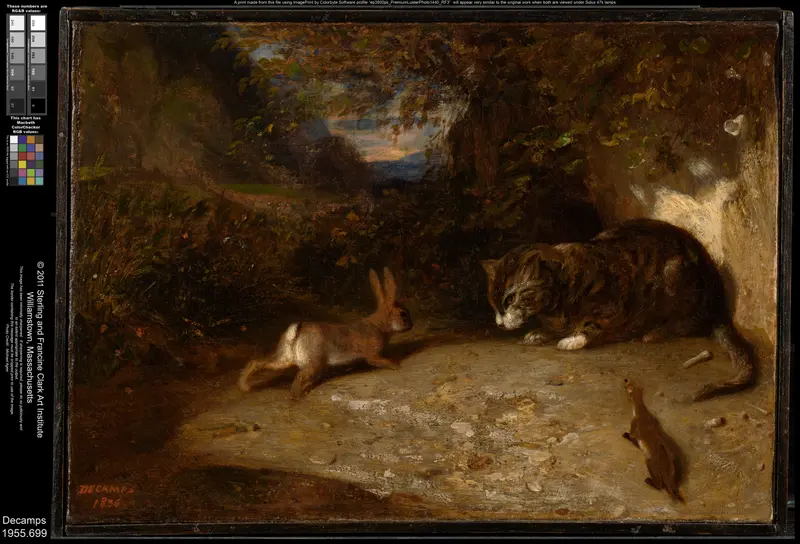
Cat, Weasel, and Rabbit
Alexandre-Gabriel Decamps
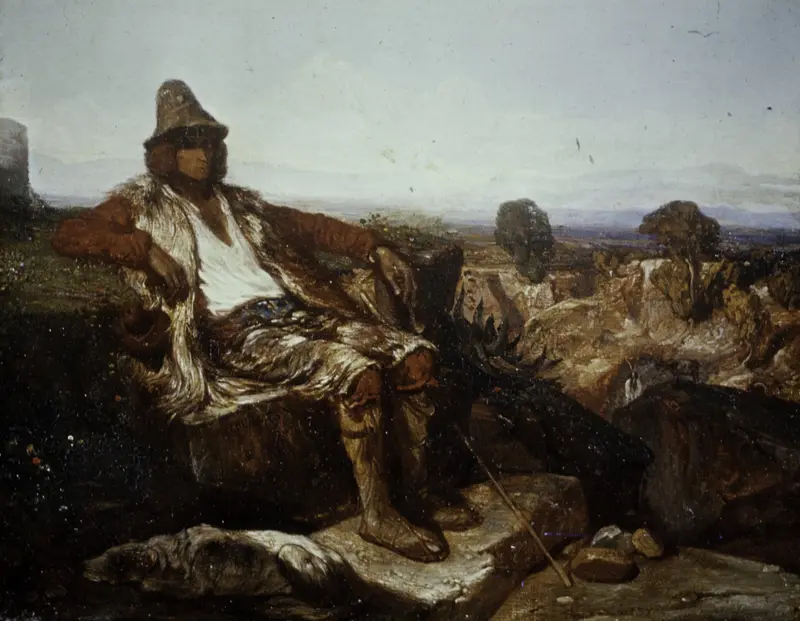
Goatherd of the Abruzzi
Alexandre-Gabriel Decamps
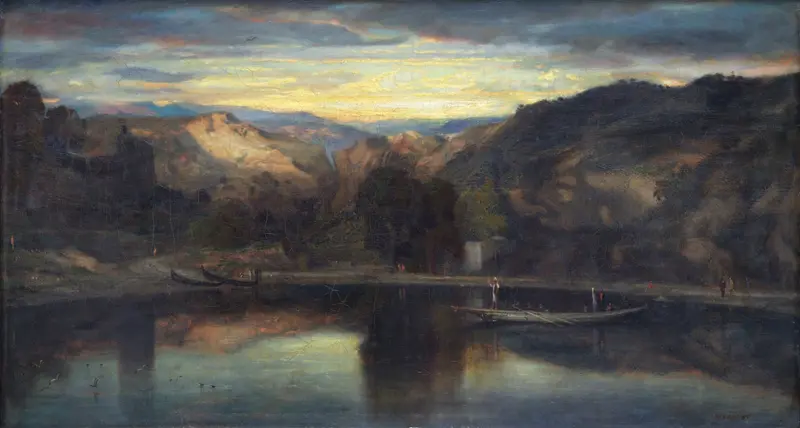
Jésus sur le lac de Génésareth Musée du Louvre Peintures RF
Alexandre-Gabriel Decamps

Espagnols jouant aux cartes Musée du Louvre Peintures RF
Alexandre-Gabriel Decamps
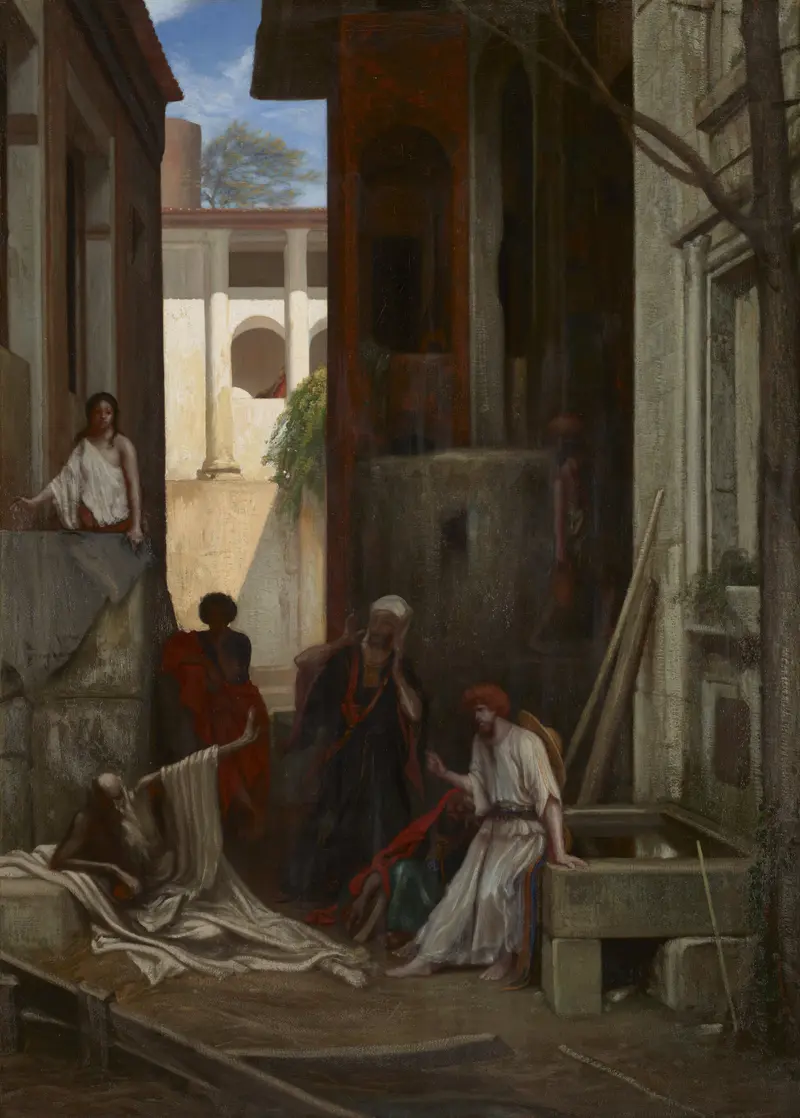
Job and His Friends
Alexandre-Gabriel Decamps
More Landscape Art

The Starry Night
Vincent van Gogh

View of Delft
Johannes Vermeer

Water Lilies
Claude Monet

The Grand Canal, Venice, looking north-west from the Ca' Corner to the Ca' Contarini degli Scrigni, with the campanile of Santa Maria della Carità
Canaletto

Windsor Castle
Canaletto

The Grand Canal looking North-East from the Palazzo Dolfin-Manin to the Rialto Bridge
Canaletto