
Tigre et éléphant à la source Musée du Louvre Peintures RF — History & Facts
A hush of suspense hangs over this landscape, where the meeting of a tiger and an elephant at the water’s edge feels both inevitable and charged with uncertainty. The eye is drawn first to the looming bulk of the elephant, its form dominating the right half of the canvas, ears flared wide and tusks gleaming in the low light. Across the reflective pool, the tiger crouches low, every muscle tensed, its gaze fixed on the giant before it.
The golden hour sky stretches above them, casting long shadows and bathing the grass in a haze of violet and ochre. The careful placement of each animal, the way the light pools around the water, and the tension in the tiger’s body all serve to heighten the sense of a fragile truce—an encounter that could tip into violence or dissolve into wary retreat. This painting, created in 1849 by Alexandre-Gabriel Decamps, belongs to a moment in French art when Orientalist visions and the lure of the exotic wilds captivated both artists and their audiences. Such works were often inspired by travel, scientific curiosity, and the Romantic fascination with nature’s grandeur and unpredictability.
While little is recorded about the specific journey of this canvas—now documented in the Louvre’s collection as of 2024—its subject and mood are typical of the period’s appetite for dramatic animal scenes, which were prized for their blend of natural history and theatrical spectacle. Decamps was known for his ability to conjure atmosphere and narrative tension, and here, the play of light and shadow invites viewers to linger, wondering what will happen next at this quiet, perilous meeting.
Sources: Wikidata Q29862416 · Image source (Wikimedia Commons)
More Artworks by Alexandre-Gabriel Decamps

Still Life with Herring, Bread, and Cheese
Alexandre-Gabriel Decamps
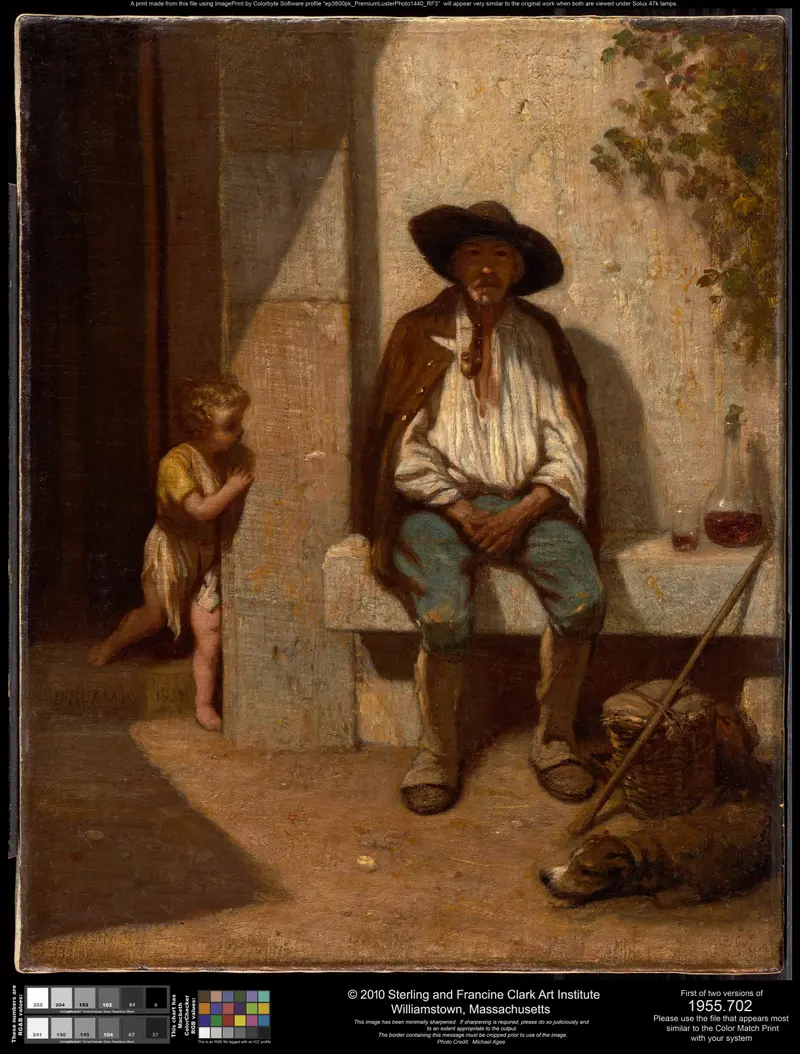
Italian Peasant
Alexandre-Gabriel Decamps
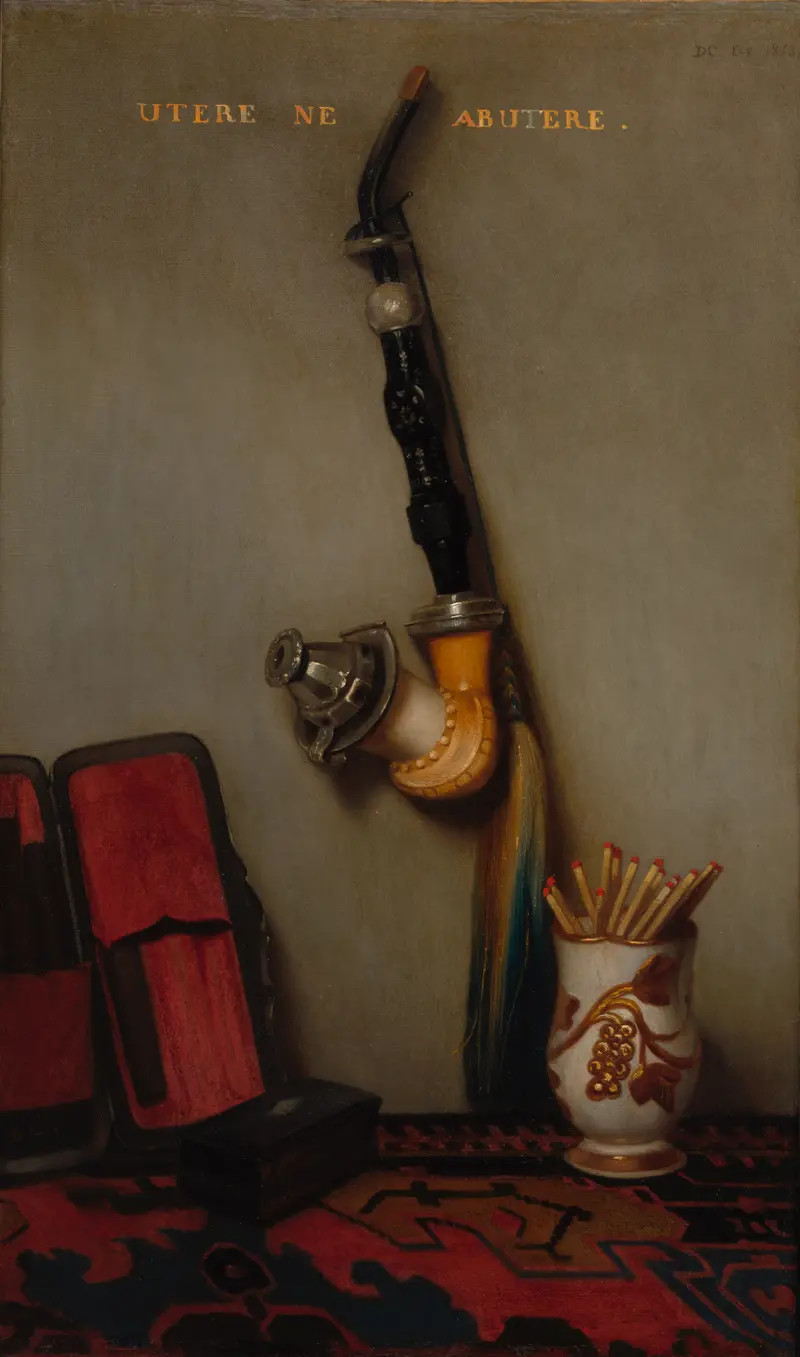
Still Life with Pipe and Matches
Alexandre-Gabriel Decamps
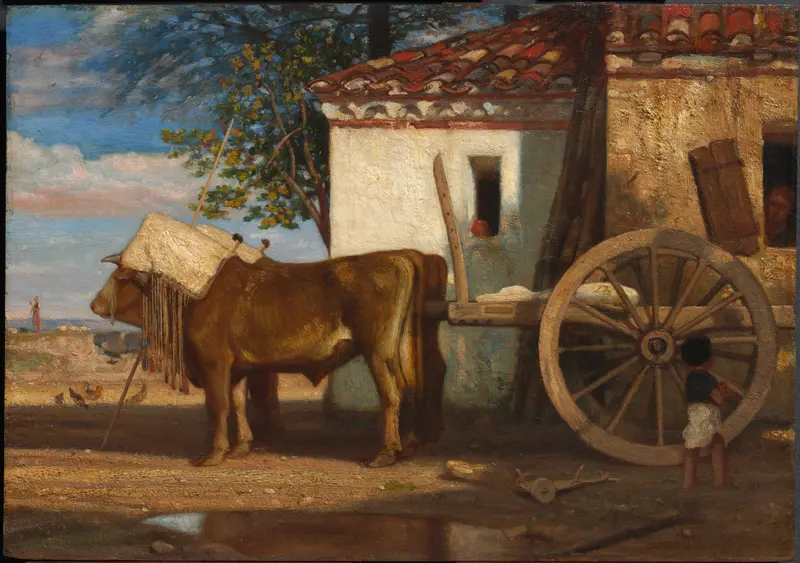
Oxen before a Farmhouse at Le Verrier
Alexandre-Gabriel Decamps
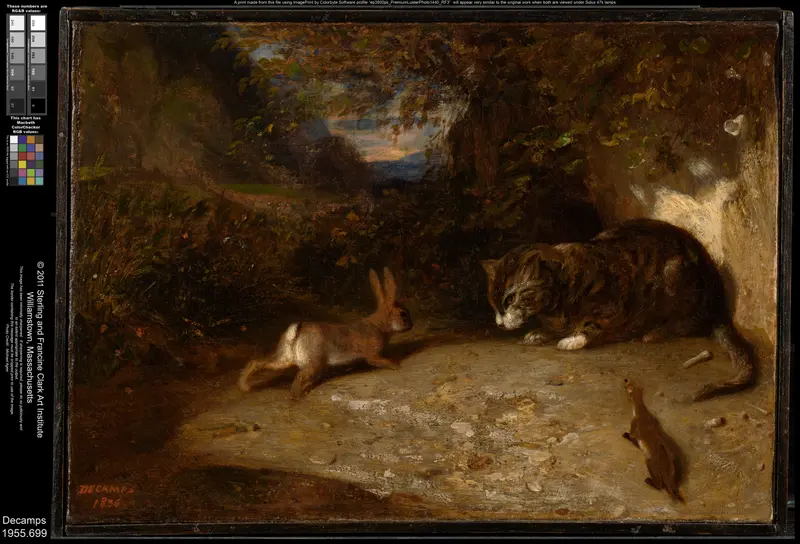
Cat, Weasel, and Rabbit
Alexandre-Gabriel Decamps
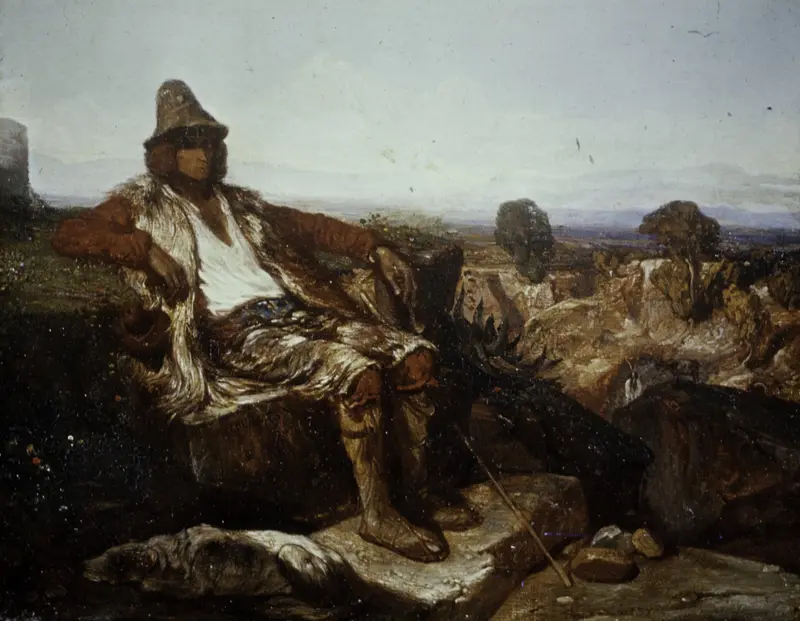
Goatherd of the Abruzzi
Alexandre-Gabriel Decamps
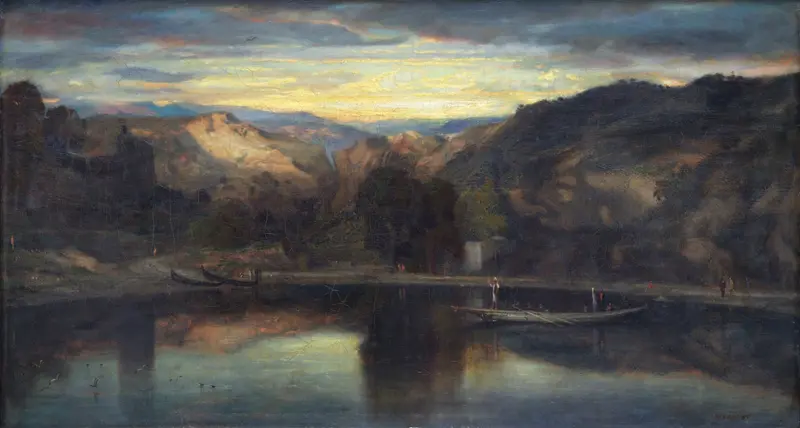
Jésus sur le lac de Génésareth Musée du Louvre Peintures RF
Alexandre-Gabriel Decamps

Espagnols jouant aux cartes Musée du Louvre Peintures RF
Alexandre-Gabriel Decamps
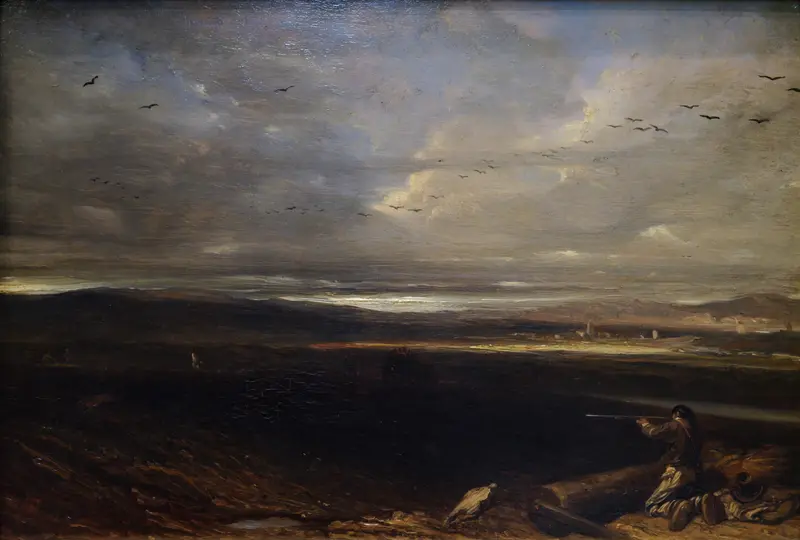
La battue en plaine Musée du Louvre Peintures RF
Alexandre-Gabriel Decamps
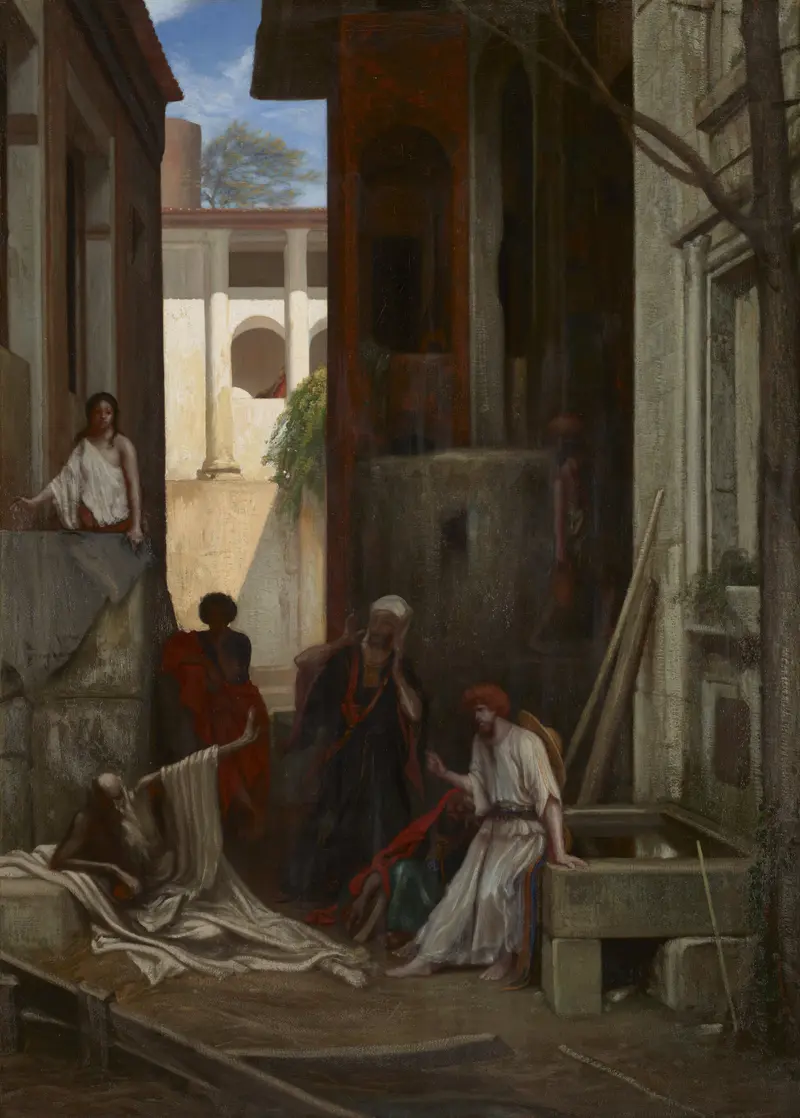
Job and His Friends
Alexandre-Gabriel Decamps





