
Job in discussie met vrienden — History & Facts
In the quiet intensity of Job in discussie met vrienden, we encounter the raw essence of grief wrestling with the human experience. The poignant dialogue among figures reflects the depths of despair and the yearning for understanding, echoing the struggles that bind us all. Focus first on the central figure of Job, his posture and expression a testament to his suffering. The stark contrast of light illuminating his furrowed brow against the darker shadows of his companions invites you to consider the weight of his words.
Notice how the deep, muted colors of their garments enhance the somber mood, while the golden highlights emphasize the rich textures of the fabrics, symbolizing the layers of emotional turmoil beneath the surface. As you study the surrounding figures, the tension becomes palpable. The gestures of Job's friends, poised yet hesitant, reveal a spectrum of emotions — from empathy to skepticism. The interplay of expressions captures the struggle to convey solace, while the absence of vibrant colors mirrors the bleakness of Job’s plight.
This piece resonates with a universal theme: the complexity of companionship in times of suffering. Created in 1538, this painting emerged during a period of profound change for its creator. Holbein was deeply engaged with the political and religious upheavals of the Reformation, and his work often reflects the intricacies of human relationships amid societal transformation. At this time, he was based in England, forging connections with the court of Henry VIII, a milieu that demanded both artistic innovation and keen emotional insight.
More Artworks by Hans Holbein (II)
Browse all →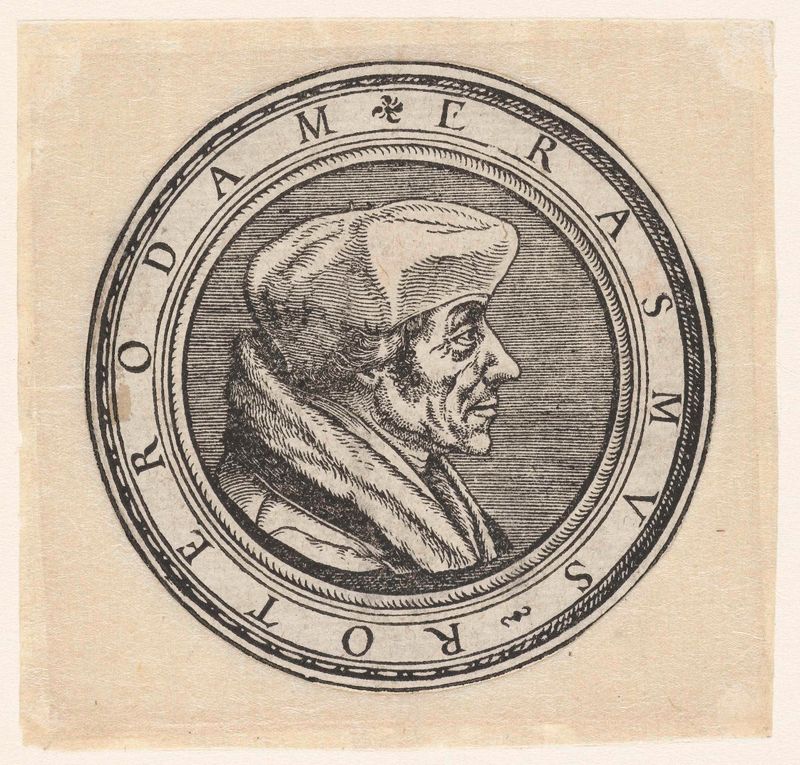
Portret van Erasmus
Hans Holbein (II)
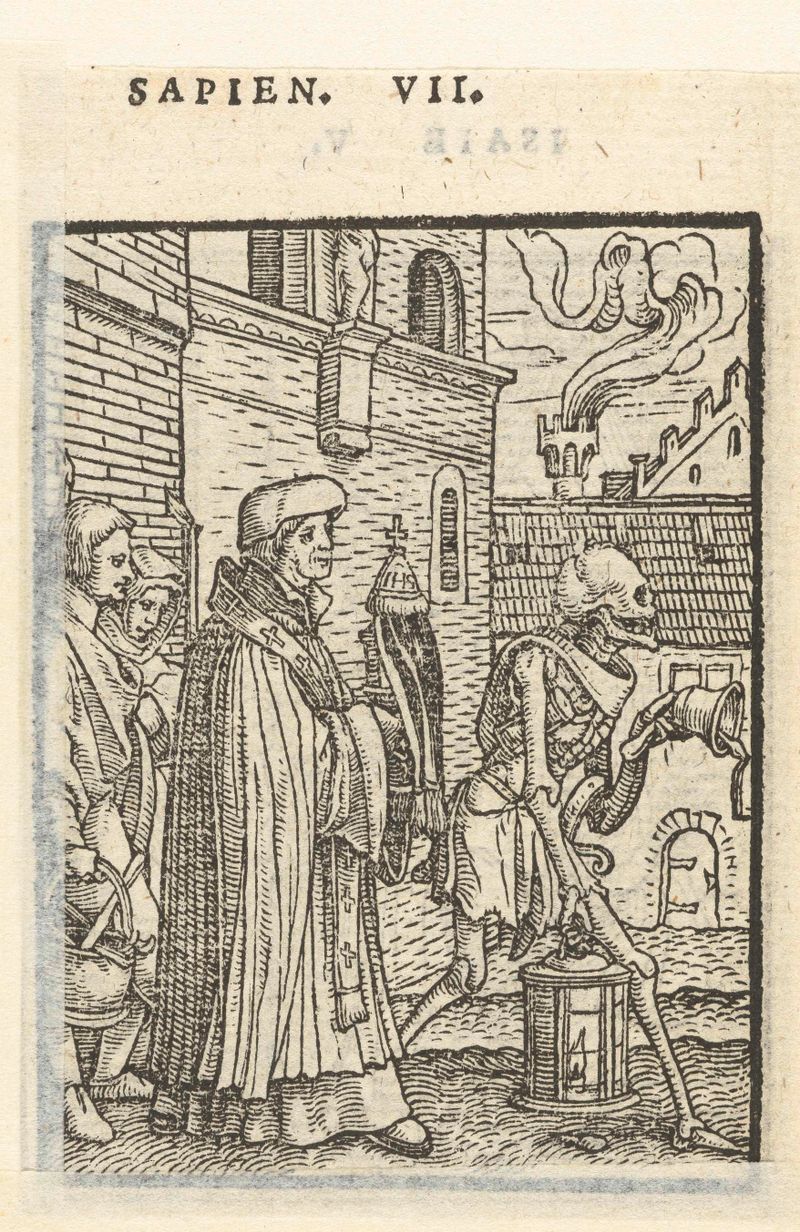
Priester en de Dood
Hans Holbein (II)
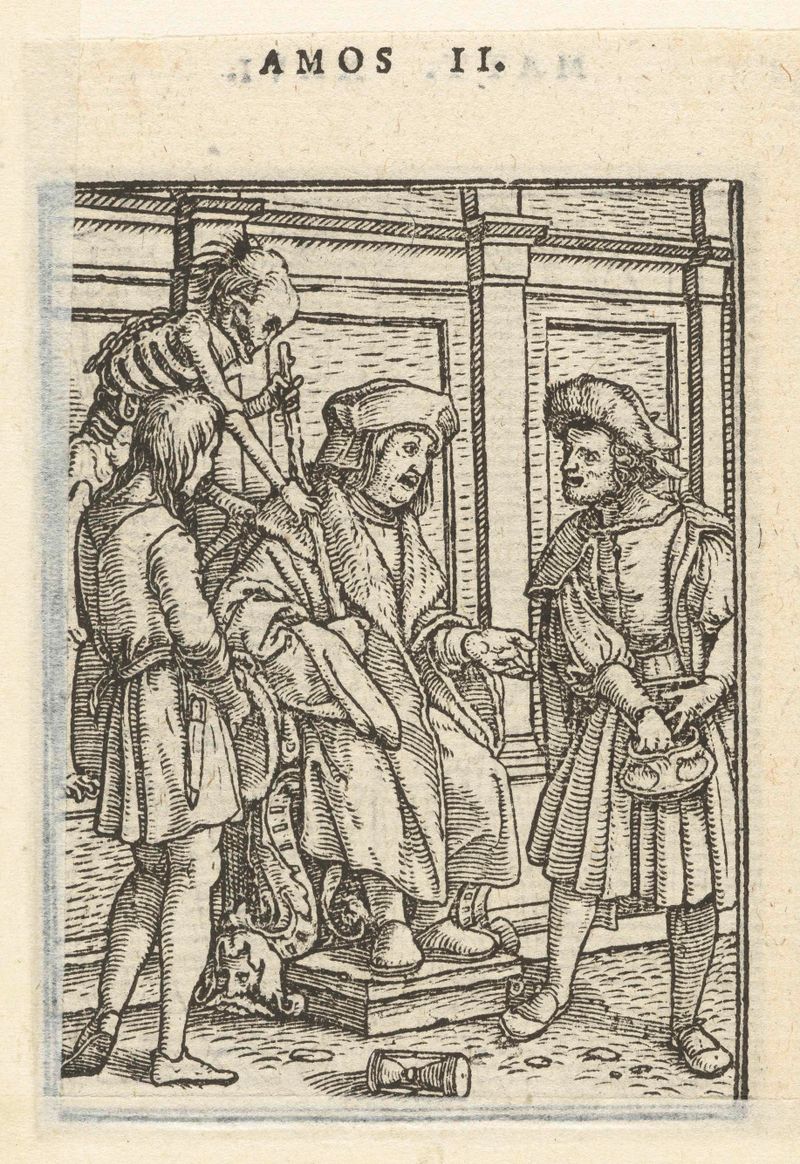
Rechter en de Dood
Hans Holbein (II)
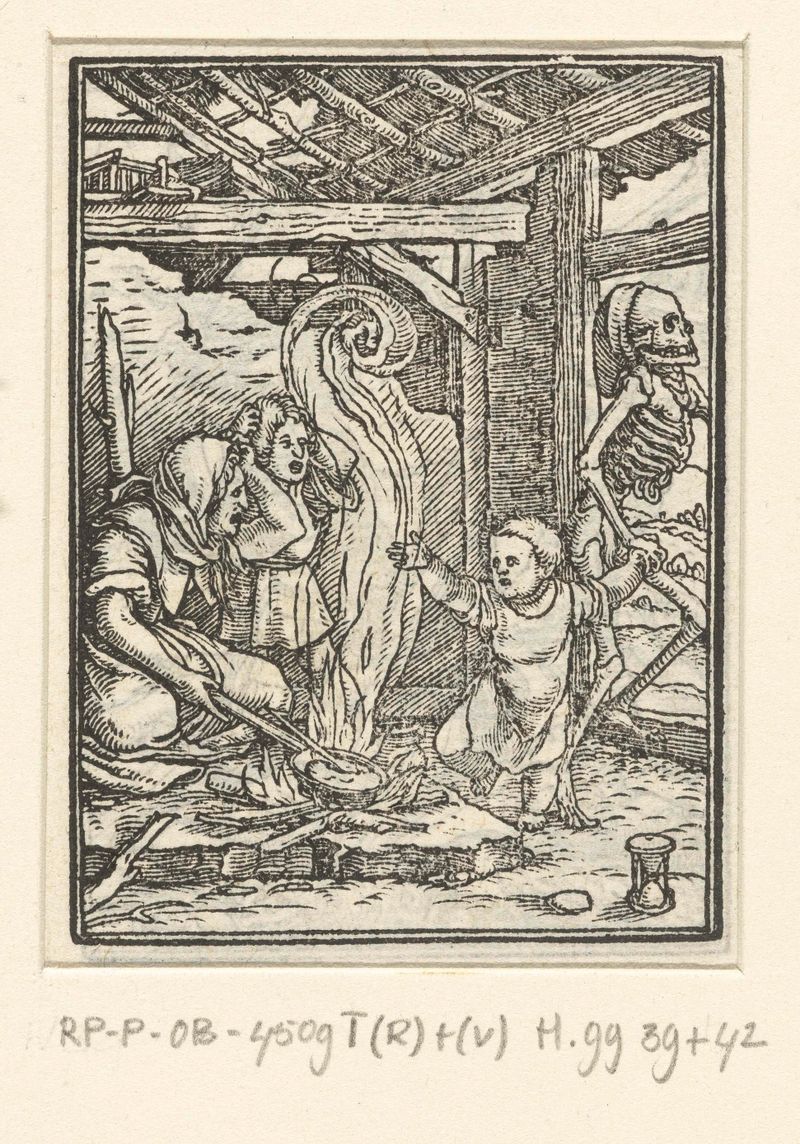
Kind en de Dood
Hans Holbein (II)
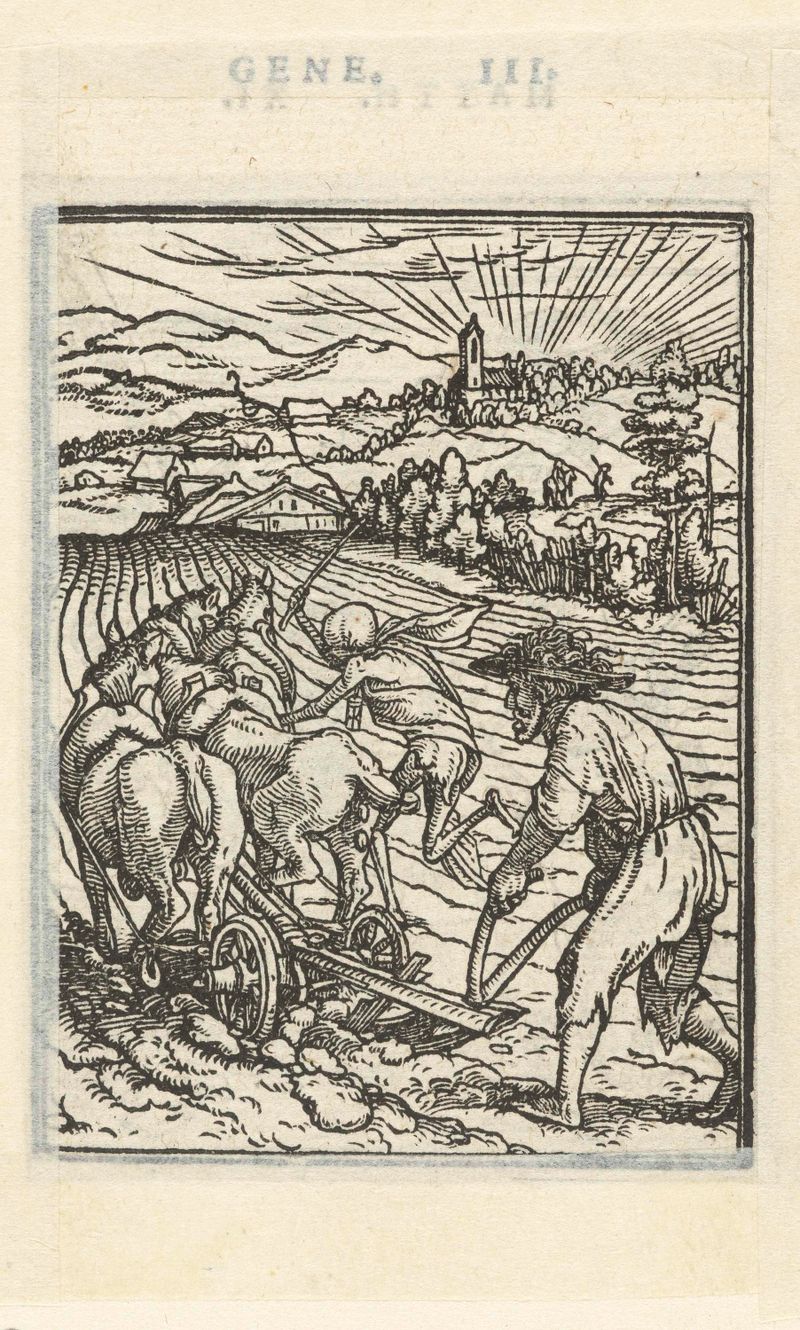
Boer en de Dood
Hans Holbein (II)
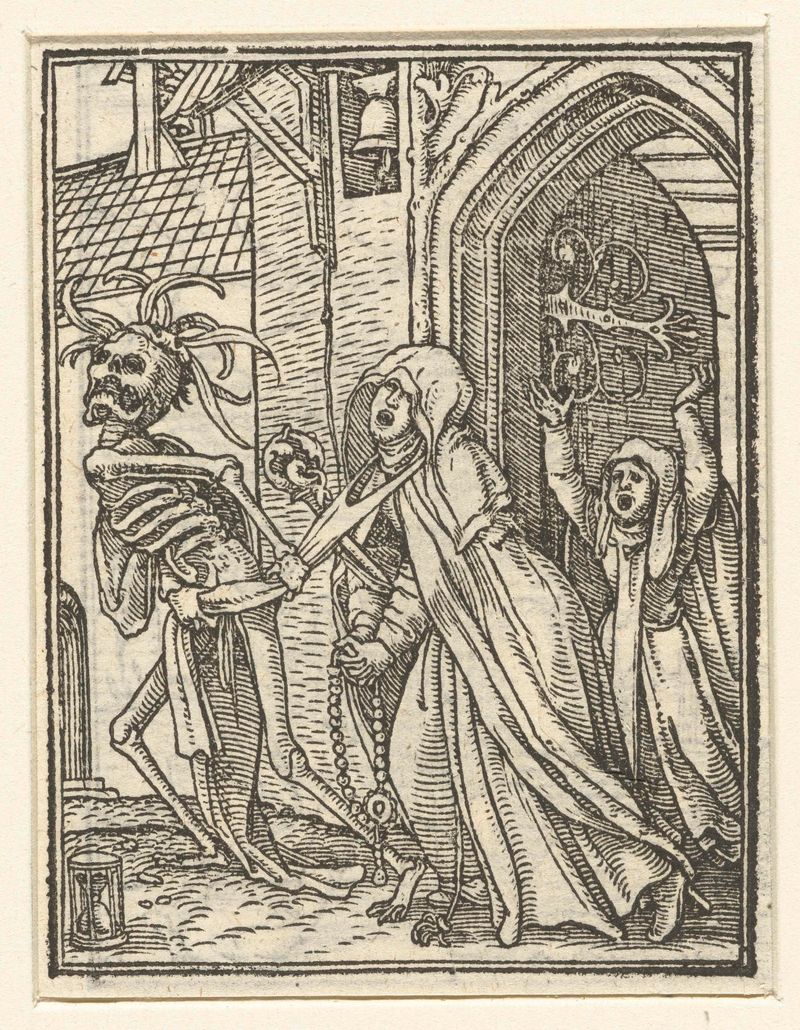
Abdis en de Dood
Hans Holbein (II)
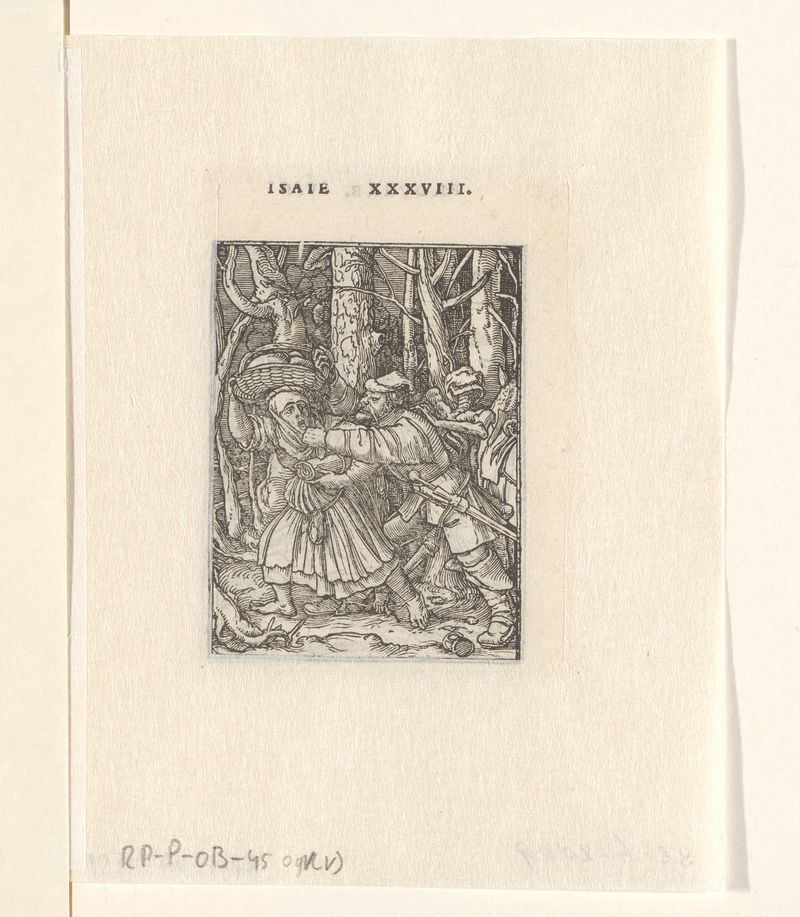
Dief en de Dood
Hans Holbein (II)
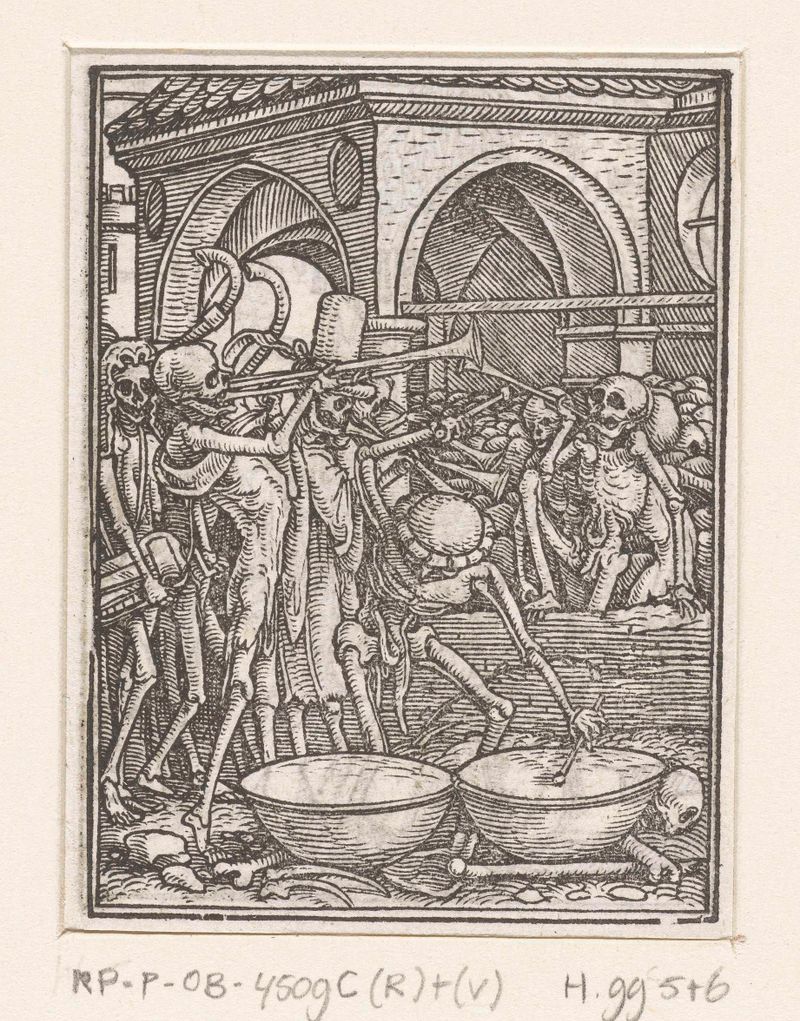
Skeletons Making Music from Dance of the Dead
Hans Holbein (II)
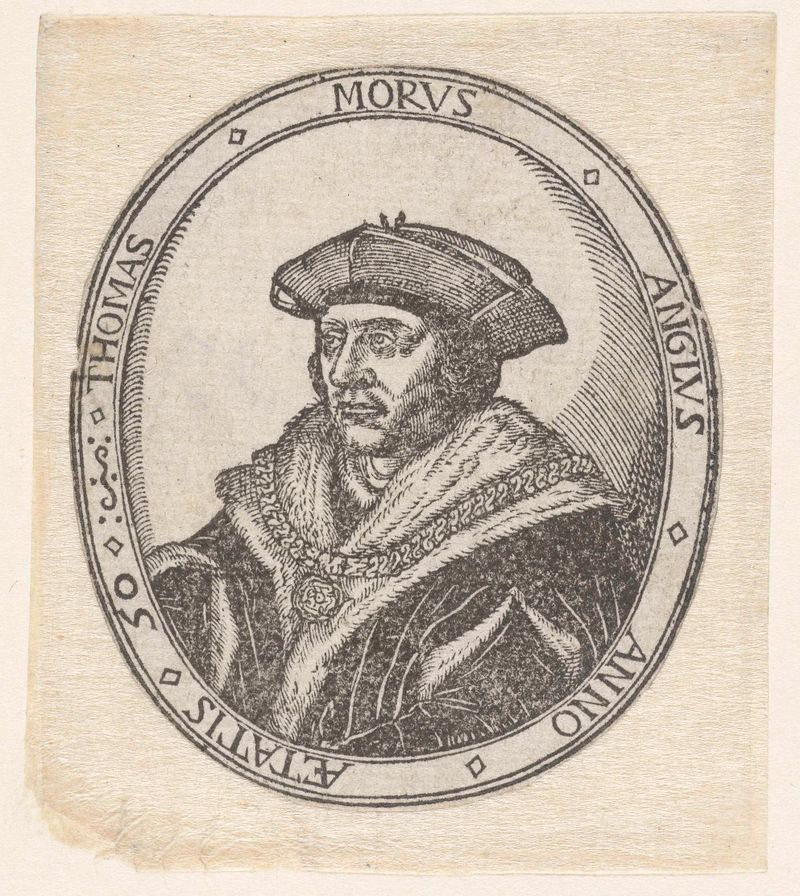
Portret van Thomas More
Hans Holbein (II)
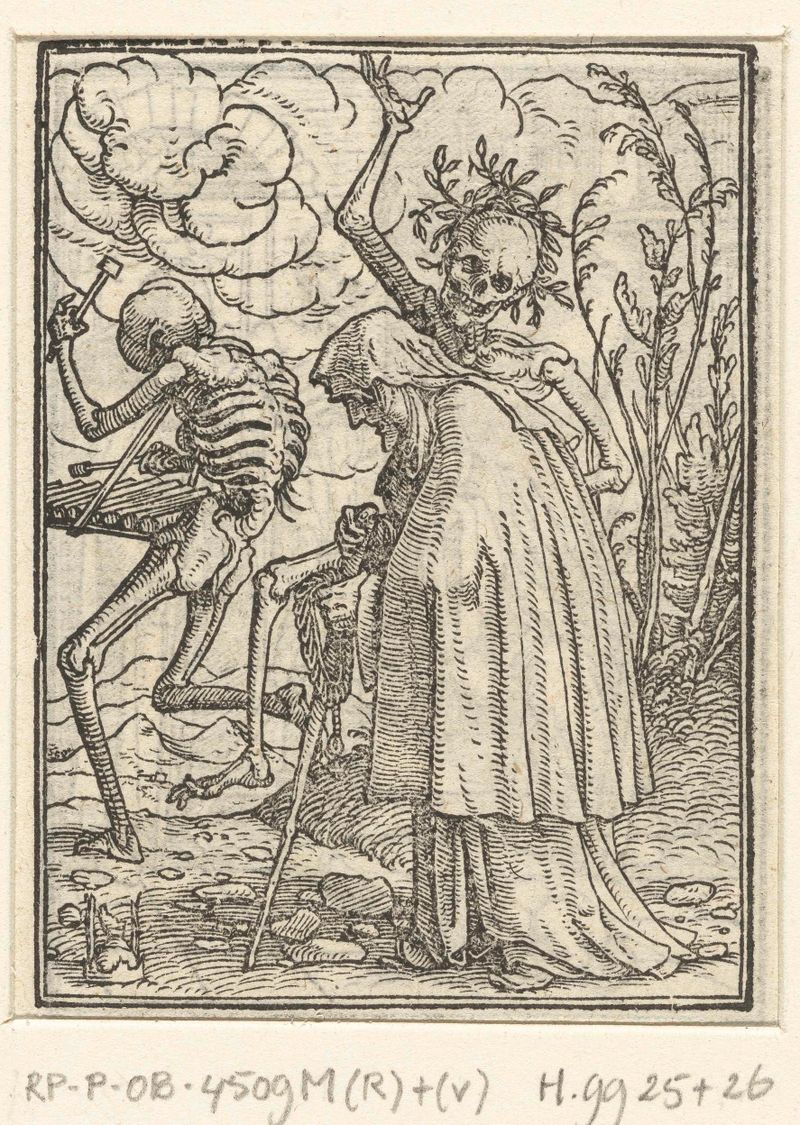
Oude vrouw en de Dood
Hans Holbein (II)





