
Johannes de Doper in de woestijn — History & Facts
Is this a mirror — or a memory? The ethereal quality of the moment captured blurs the lines between reality and reflection, inviting us to confront the illusions that shape our perceptions. Focus on the figure at the center, a solitary Johannes, clad in rugged garments, his expression a blend of contemplation and resolve. Notice how the light falls upon his face, illuminating the depths of his gaze while casting shadows that linger around him, hinting at the wilderness enveloping his spiritual journey. The earth tones of the background contrast with the vividness of his presence, directing our attention to the tension between the harshness of the desert and his inner quest for truth. As you explore the intricacies of the painting, observe the subtle symbols woven throughout the composition: the twisted branches and barren landscape echo the struggle of the human spirit, while the glowing aura around Johannes suggests a divine calling that transcends his isolation.
The juxtaposition of harsh surroundings and the serene figure evokes a sense of longing, embodying the duality of temptation and faith, reality and illusion. Lucas van Leyden painted this work in 1513, during a period marked by significant shifts in artistic exploration and religious thought. As the Northern Renaissance flourished, he found himself at the crossroads of tradition and innovation, blending meticulous detail with emotive storytelling. The growing interest in humanist themes and the spiritual quest of figures like Johannes were reflective of a broader cultural awakening, which influenced his artistic approach.
More Artworks by Lucas van Leyden
Browse all →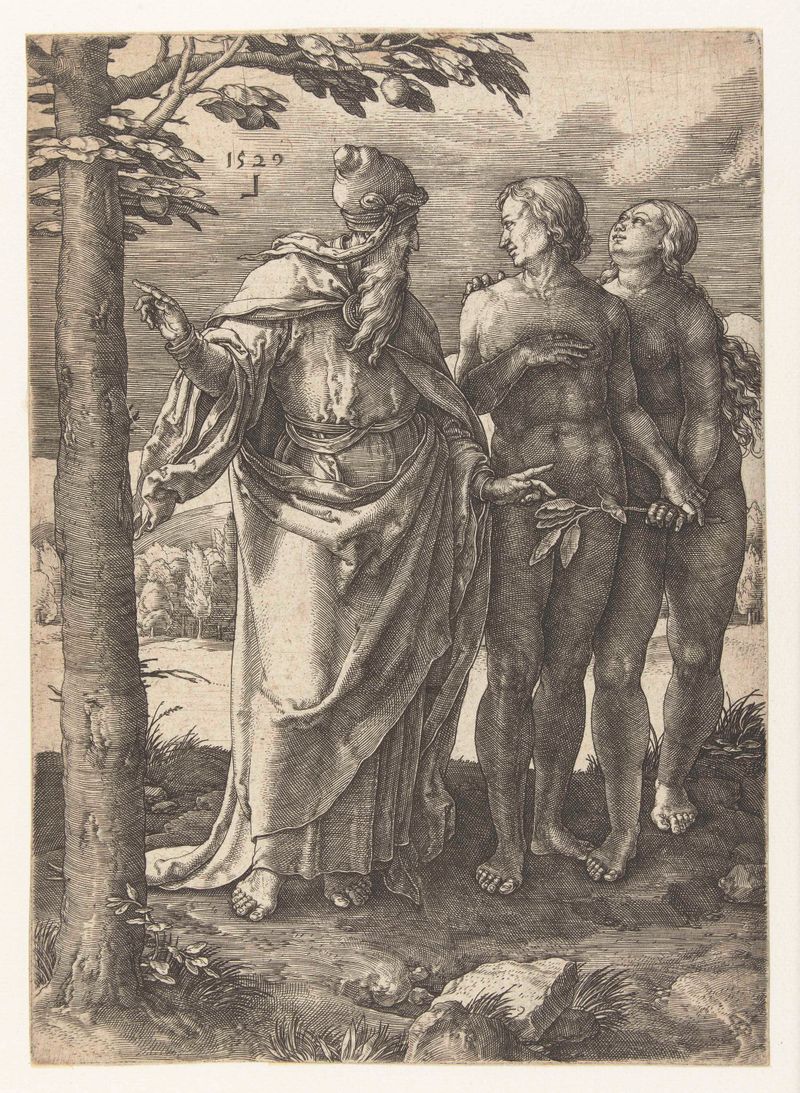
Het eerste verbod
Lucas van Leyden
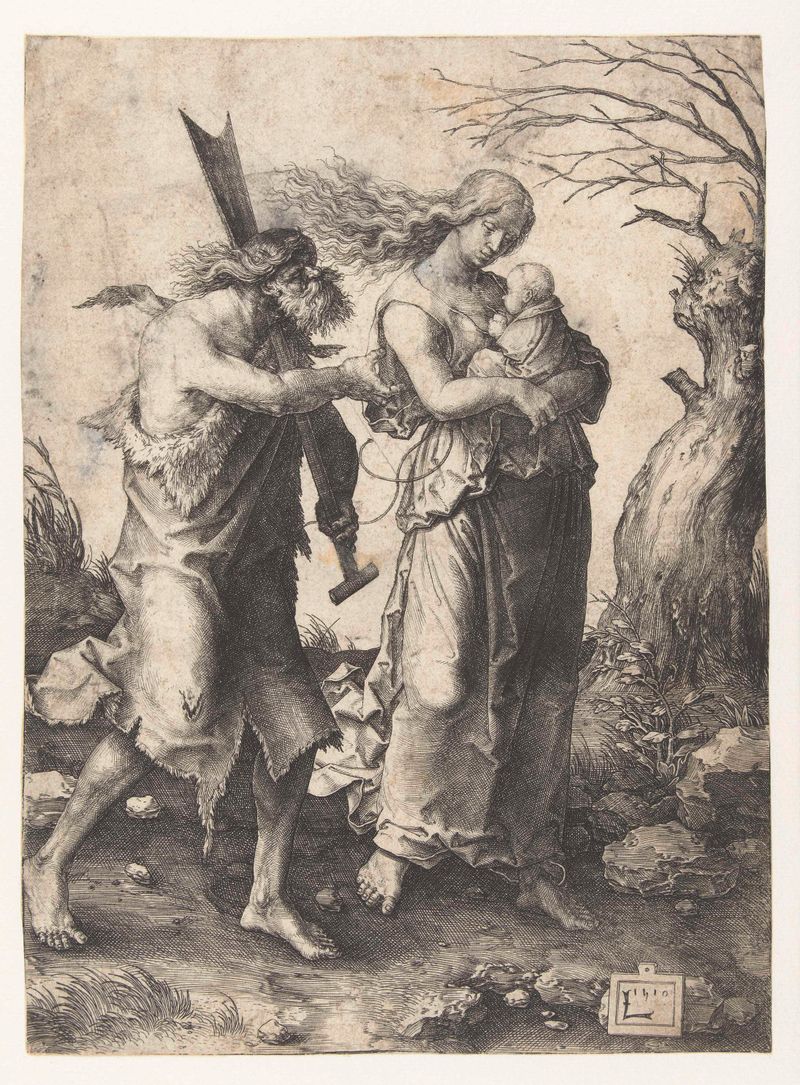
Adam en Eva na de verdrijving uit het paradijs
Lucas van Leyden
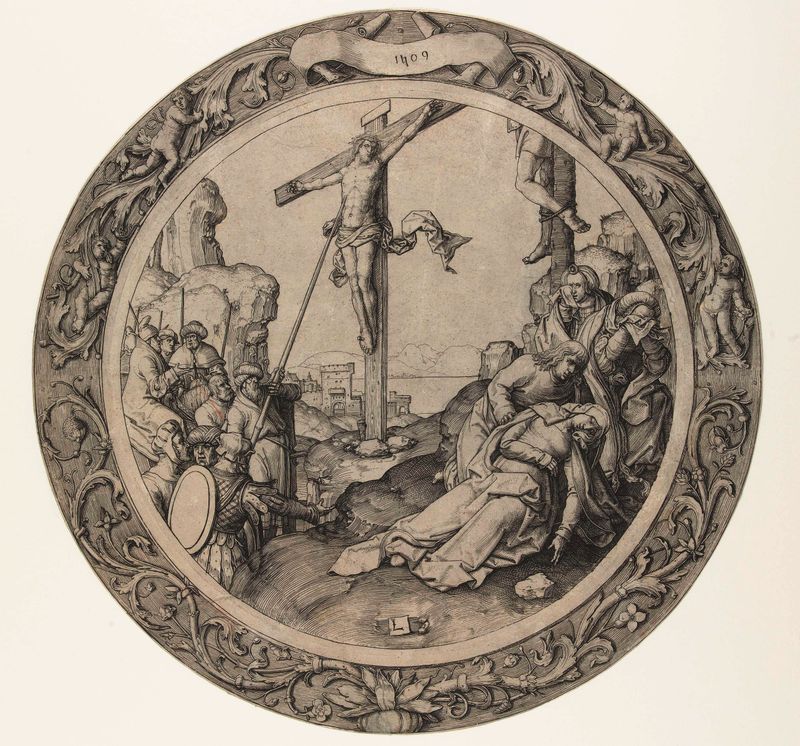
De kruisiging
Lucas van Leyden
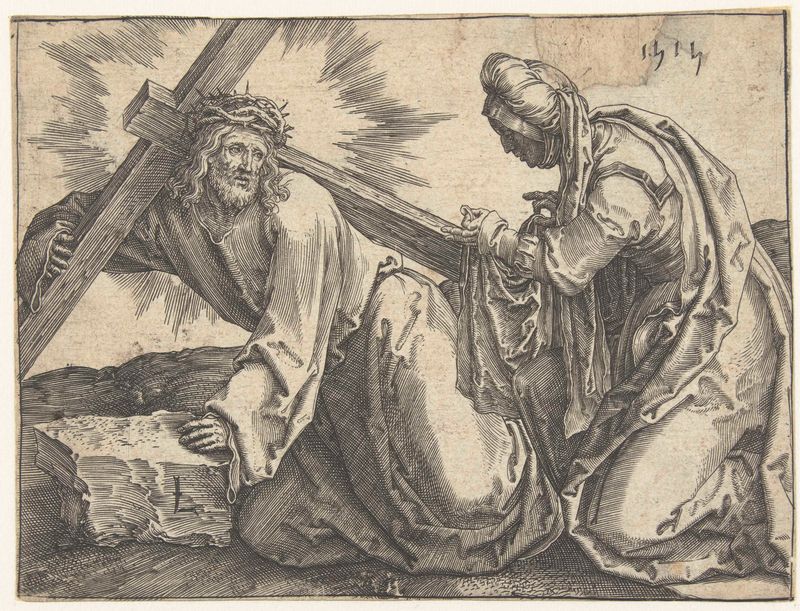
Kruisdraging
Lucas van Leyden
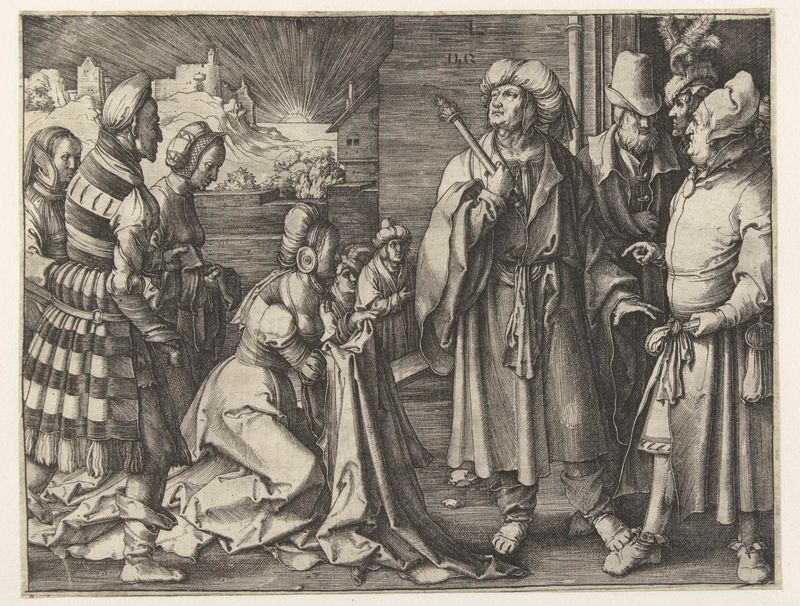
De vrouw van Potifar beschuldigt Jozef
Lucas van Leyden
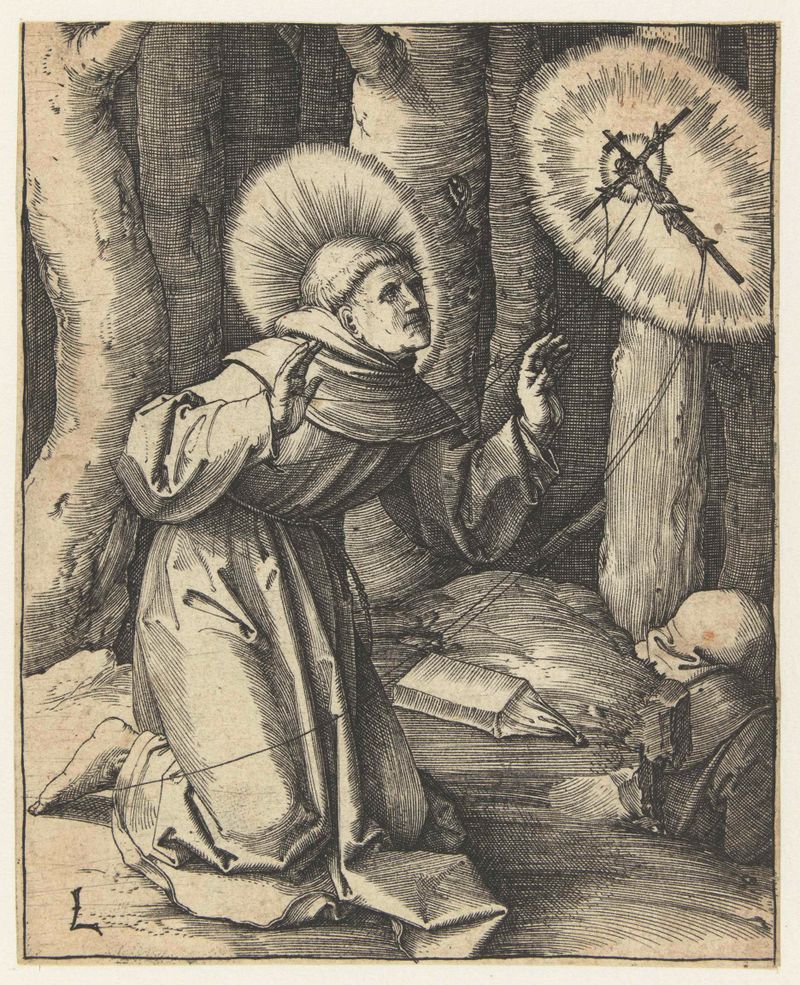
De stigmatisatie van de heilige Franciscus
Lucas van Leyden
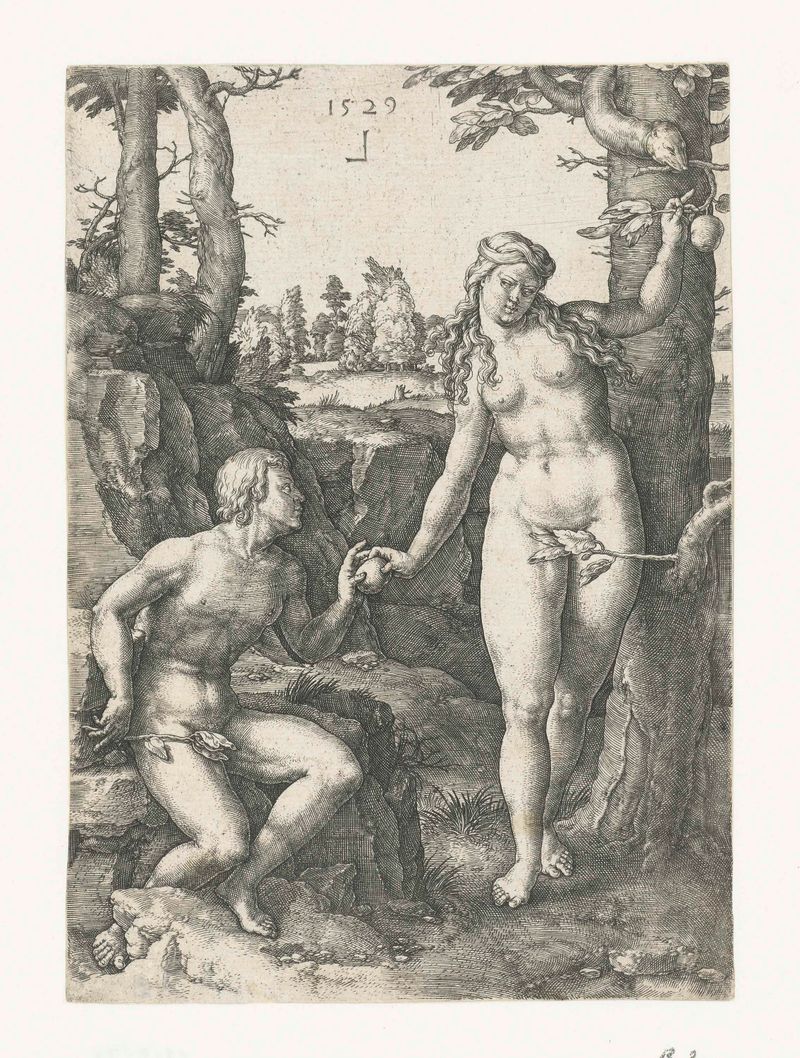
De zondeval
Lucas van Leyden
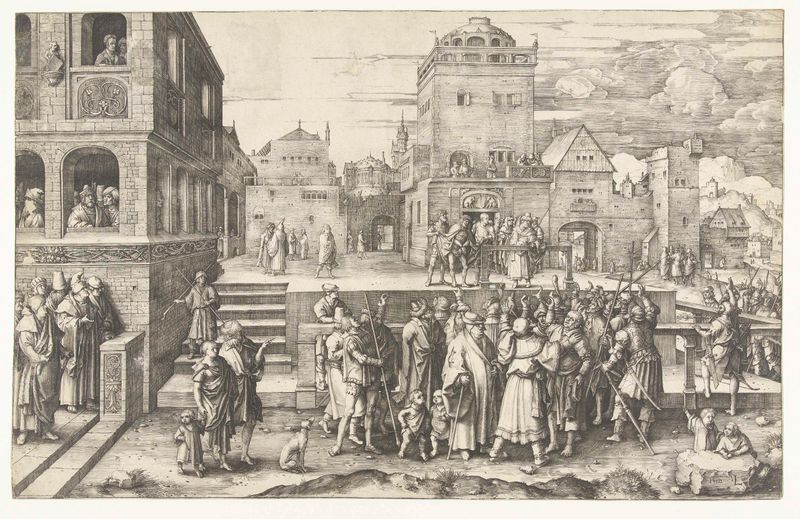
De grote Ecce Homo
Lucas van Leyden
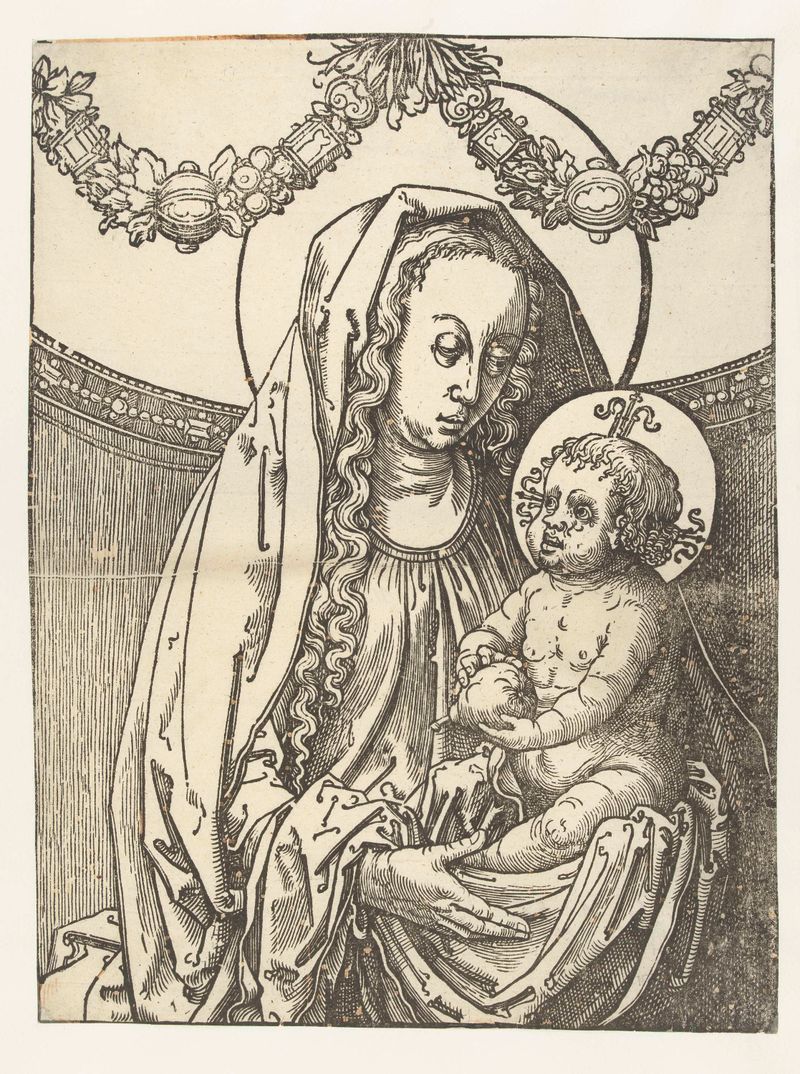
Maria met kind
Lucas van Leyden

Doornenkroning
Lucas van Leyden
More Religious Art
Browse all →
The Return of the Prodigal Son
Rembrandt van Rijn

The Garden of Earthly Delights
El Bosco

Count Orgaz’ funeral
El Greco

The Hundred Guilder Print: the central piece with Christ preaching, the plate arched
Rembrandt van Rijn

The Descent from the Cross
Rogier van der Weyden

The return of the prodigal son
Rembrandt van Rijn