
John the Baptist in the wilderness — History & Facts
When Raphael painted John the Baptist in the wilderness in 1520, it was to be one of the very last works of his short, meteoric career—he died that same year at the age of just 37. The painting stands at the threshold between High Renaissance harmony and the new, more restless spirit that would soon sweep through Italian art. Scholars have long debated whether this work was completed entirely by Raphael himself or finished by his workshop after his death, a question that adds a layer of mystery to its serene surface. The scene captures John the Baptist at a moment of solitary revelation, deep in the wilderness that shaped his calling.
Dressed in his customary camel-skin garment and clutching a slender reed cross, John gazes heavenward, his gesture signaling both humility and divine inspiration. The lush, rocky landscape is not mere backdrop but a symbol of spiritual testing and renewal, while the lamb at John's side quietly points to his future role as the herald of Christ. Unlike Leonardo da Vinci’s more enigmatic treatments of the Baptist, Raphael offers clarity and calm, using soft light and balanced composition to focus the viewer on the saint’s inward devotion. The early provenance of John the Baptist in the wilderness is uncertain, as is the identity of its original patron, though it was likely intended for private devotion.
Over the centuries, the painting has traveled through several collections, sometimes attributed to Raphael himself, other times to his followers. Today, it is recognized as a late work that bridges the artist’s mature style and the emerging Mannerist tendencies of his pupils. Its survival and continued study offer a glimpse into the final chapter of Raphael’s artistic journey, as well as the enduring fascination with the solitary prophet in art.
More Artworks by Raphael

Madonna of the Goldfinch
Raphael

Madonna with the Fish
Raphael
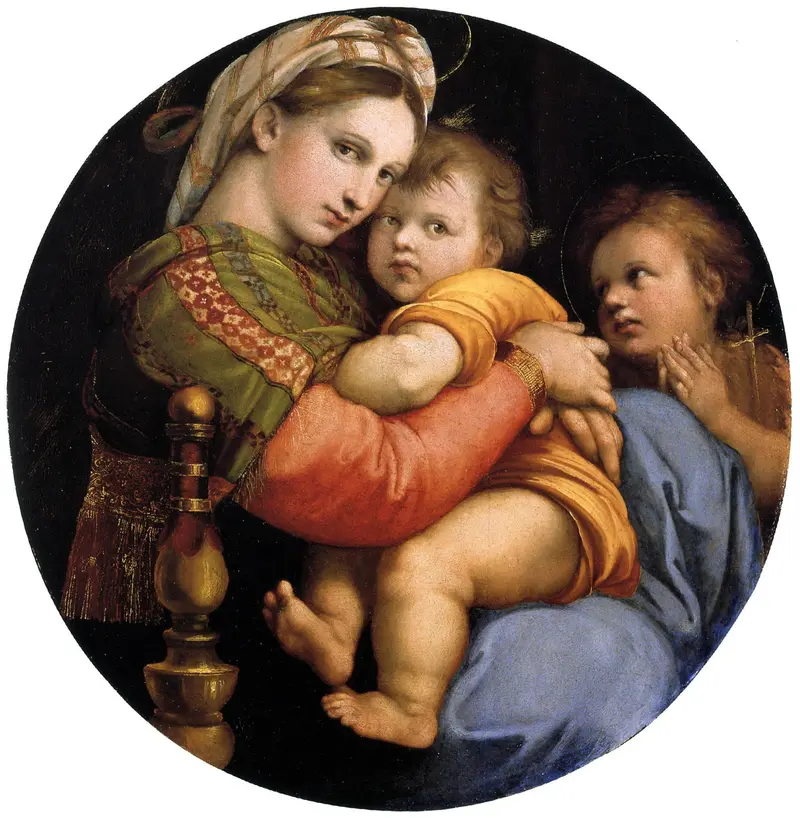
Madonna and Child (Madonna della Seggiola)
Raphael
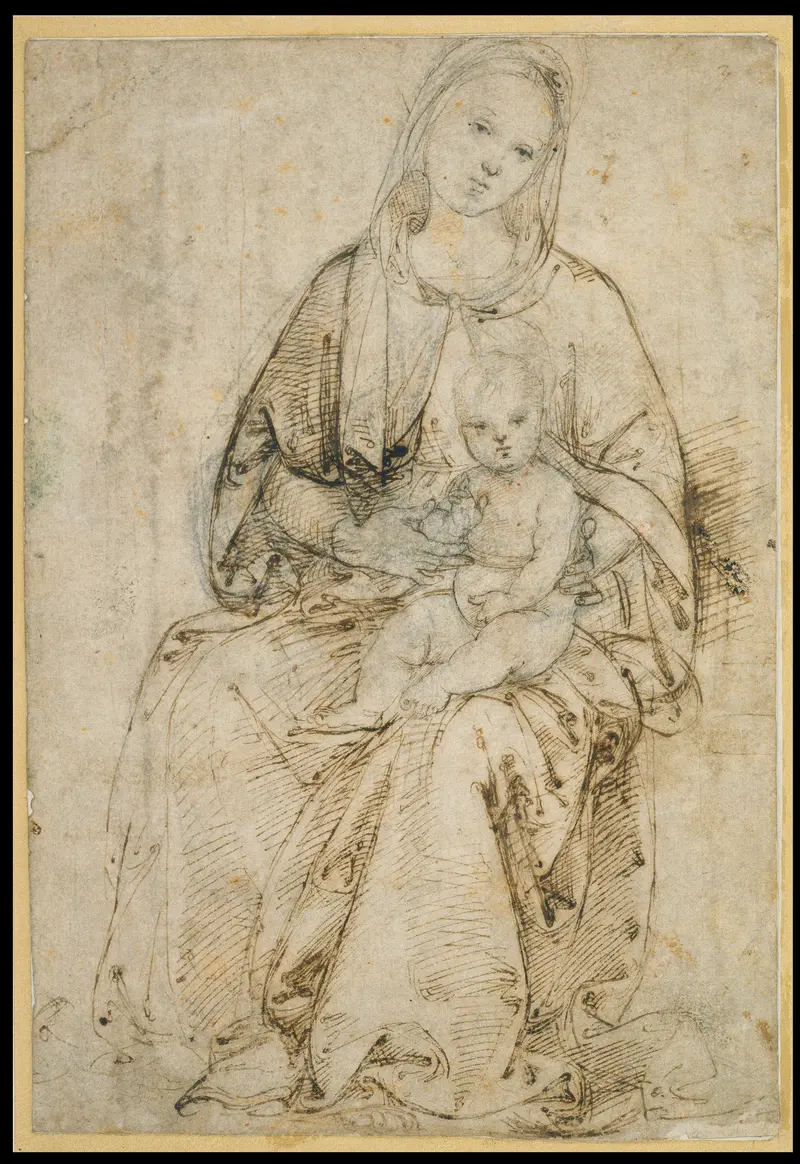
Seated Madonna and Child
Raphael
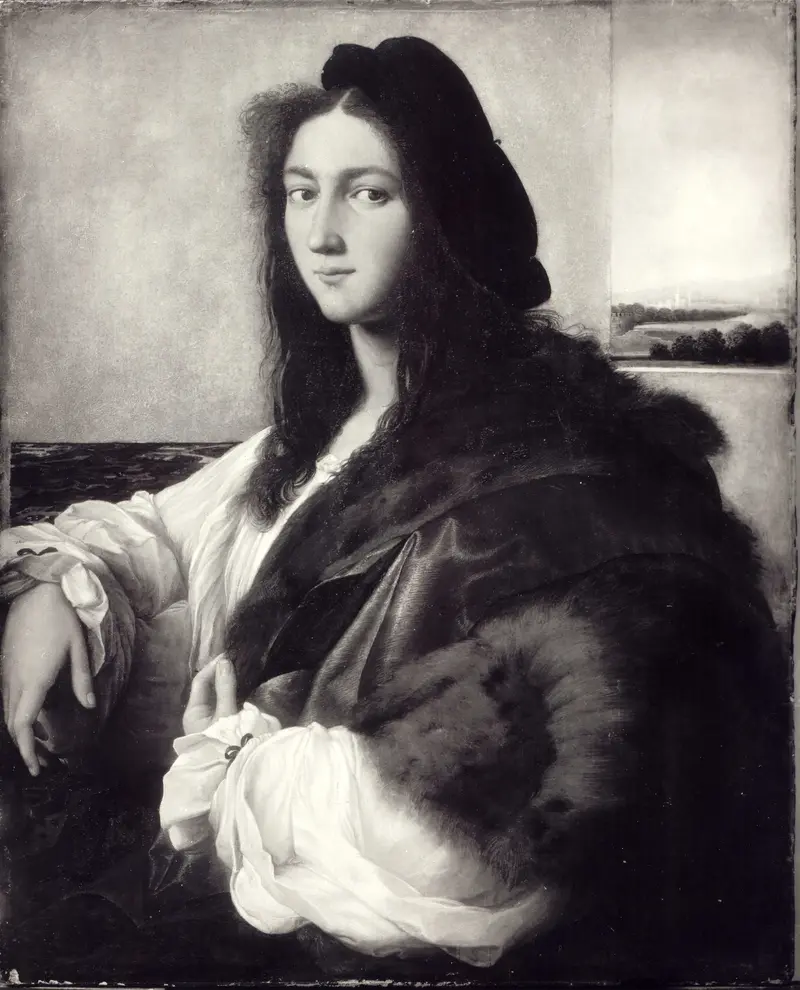
Portrait of a Young Man
Raphael
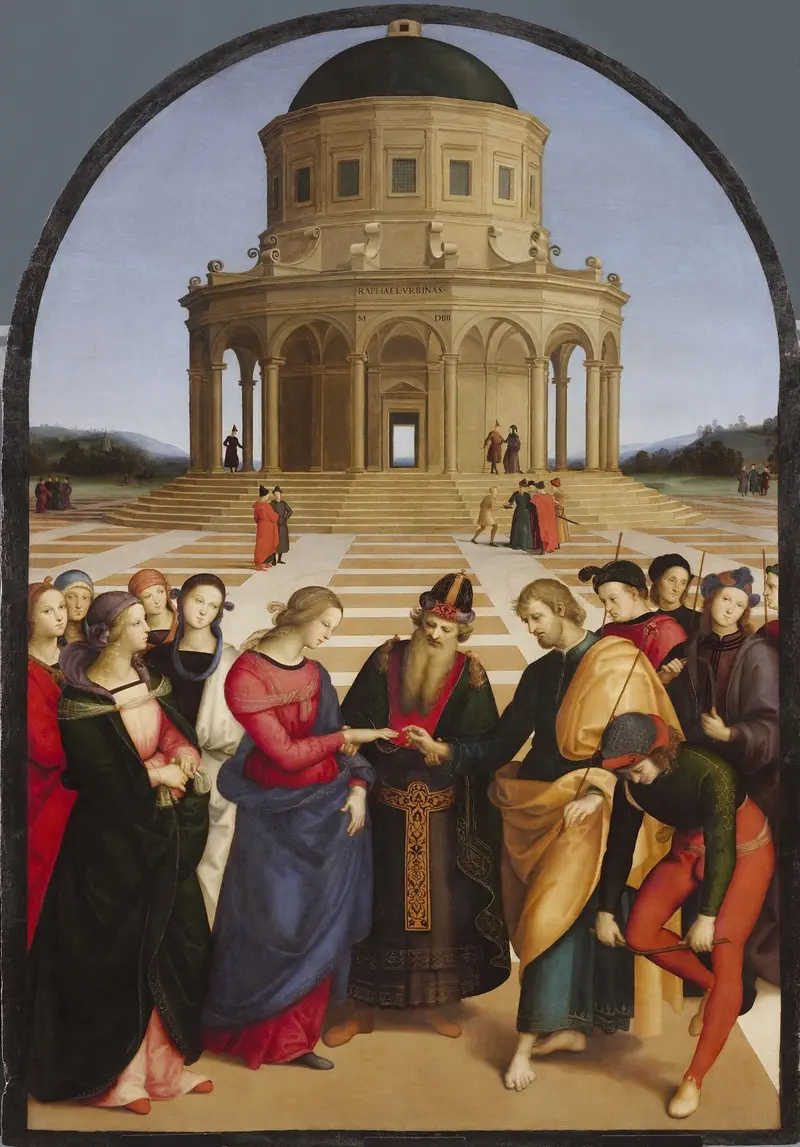
The Marriage of the Virgin
Raphael
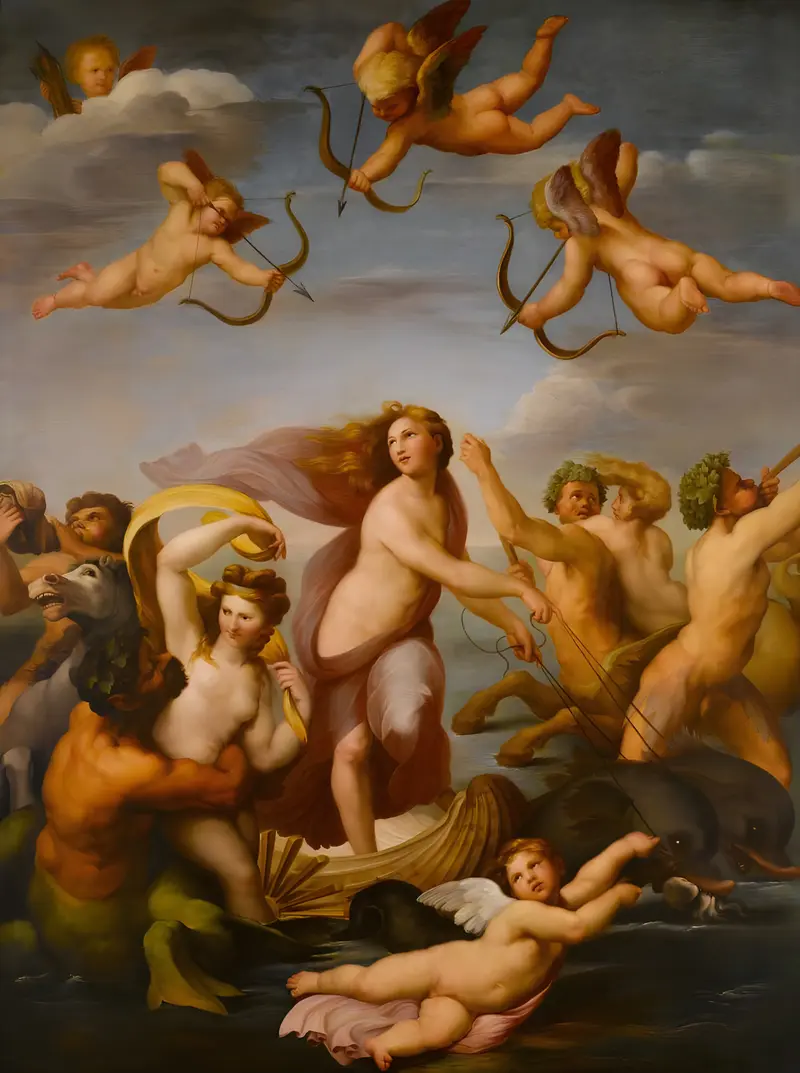
The Triumph of Galatea (copy after Raphael)
Raphael
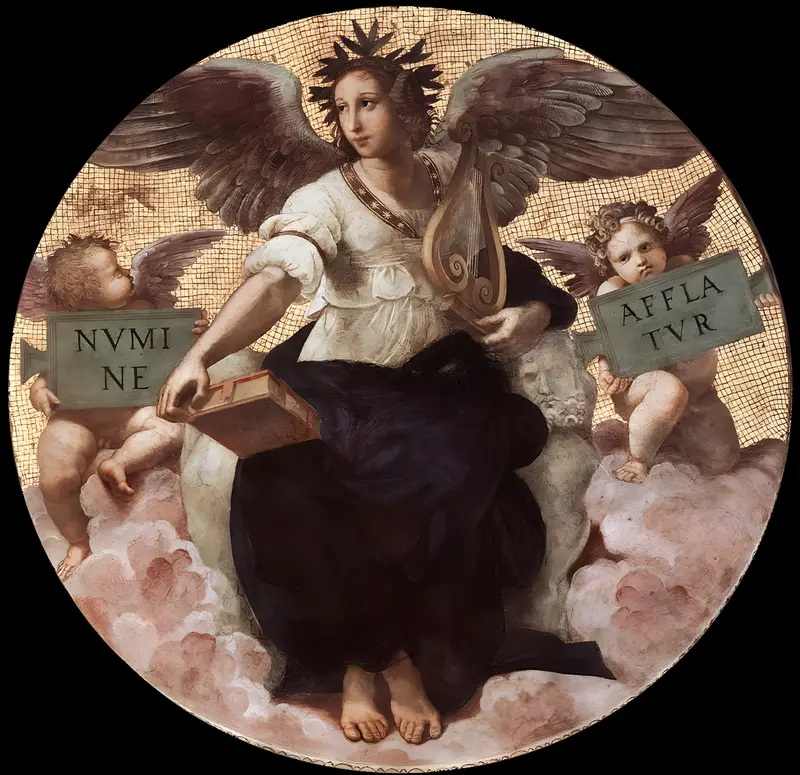
Poetry
Raphael
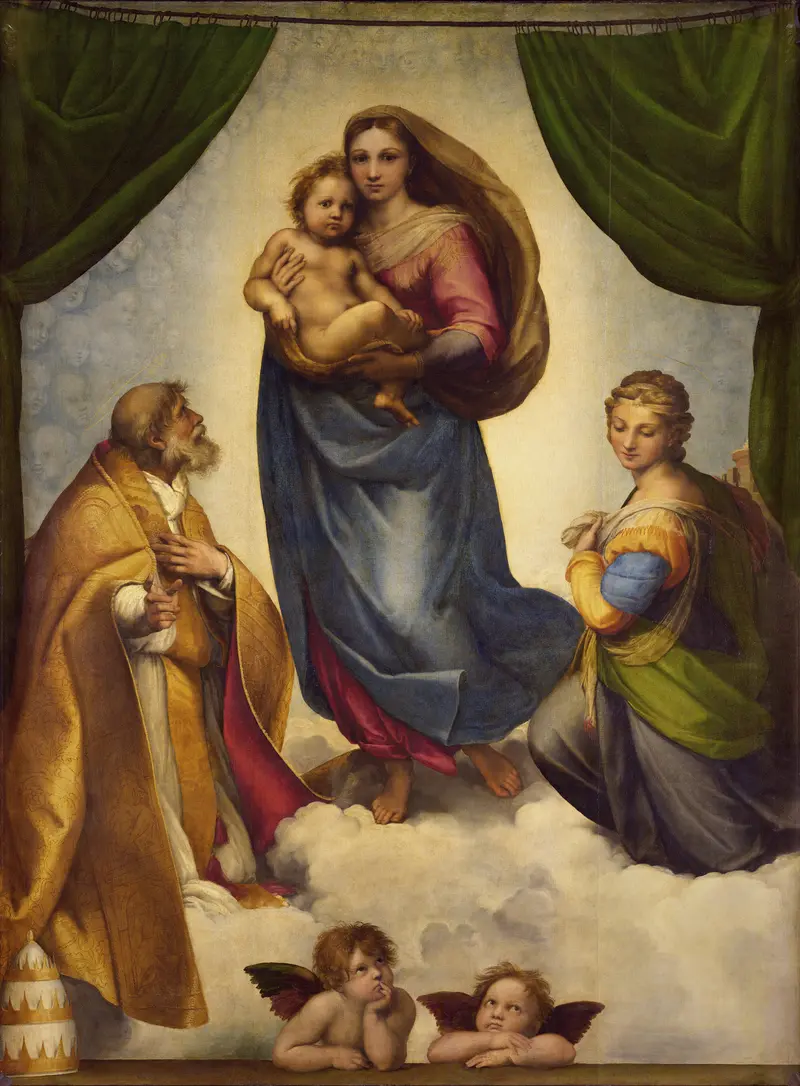
Sistine Madonna
Raphael
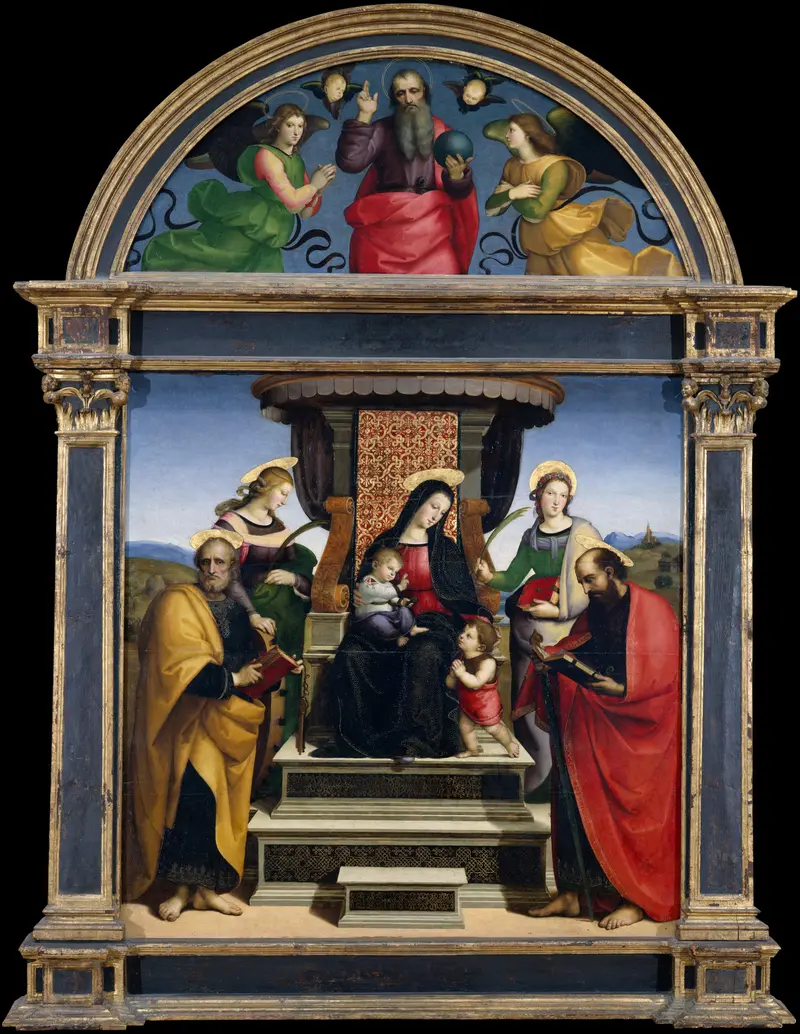
Madonna and Child Enthroned with Saints
Raphael




