
Joiner’s Hall — History & Facts
In the stillness of Joiner’s Hall, hues of deep ochre and muted greens whisper secrets of craftsmanship and community, inviting introspection. Look to the right at the column of sunlight streaming through the windows, illuminating the woodwork and casting intricate shadows on the textured floor. It draws your eye to the artisans hard at work, their gestures embodying both precision and passion. The careful arrangement of tools speaks of mastery and dedication, while the gentle interplay of light and shadow hints at the passage of time, urging the viewer to consider the labor and love embedded within these walls. Beneath the surface, the artwork explores the tension between industriousness and tranquility.
The stark contrast of the darkened corners against the bright workspaces captures the duality of existence—the quiet moments of personal reflection amid collective effort. Each figure, absorbed in their task, reveals the silent camaraderie of shared purpose, while their distinct postures suggest stories untold yet felt deeply. Around the years 1794 to 1800, Samuel Ireland created this piece amidst a burgeoning interest in the urban arts and crafts movement in England. During this period, he was involved in the promotion of local craftsmanship, at a time when industrialization began to reshape society.
The artwork reflects a merging of tradition and innovation, encapsulating the spirit of an era marked by both creativity and change.
More Artworks by Samuel Ireland
Browse all →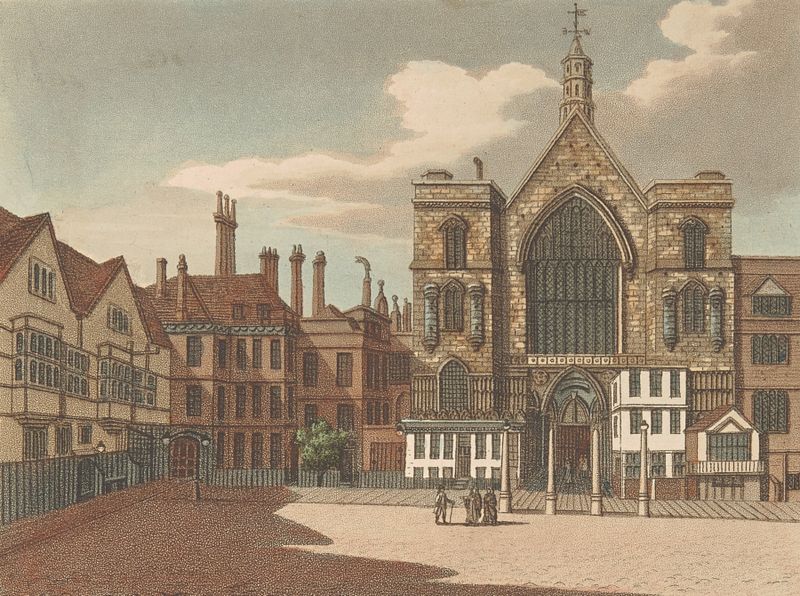
Westminster Hall
Samuel Ireland

Southwest View of Middle Temple
Samuel Ireland
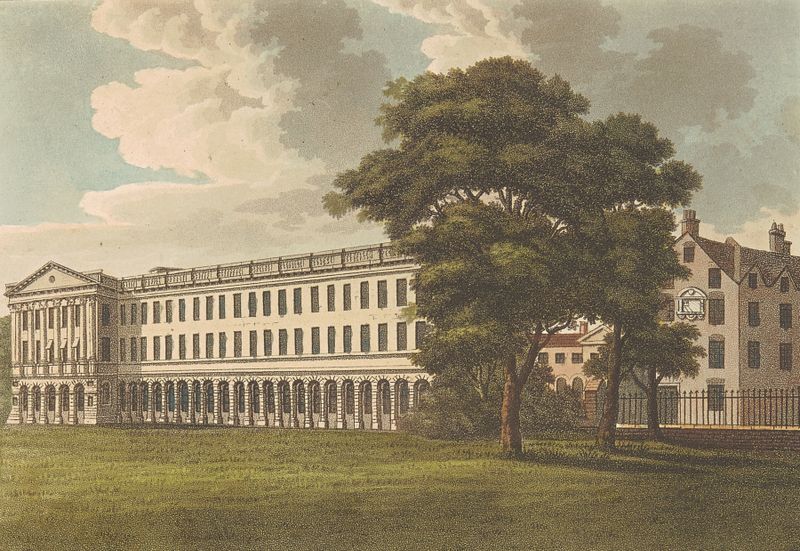
Stone Buildings, Lincoln’s Inn
Samuel Ireland
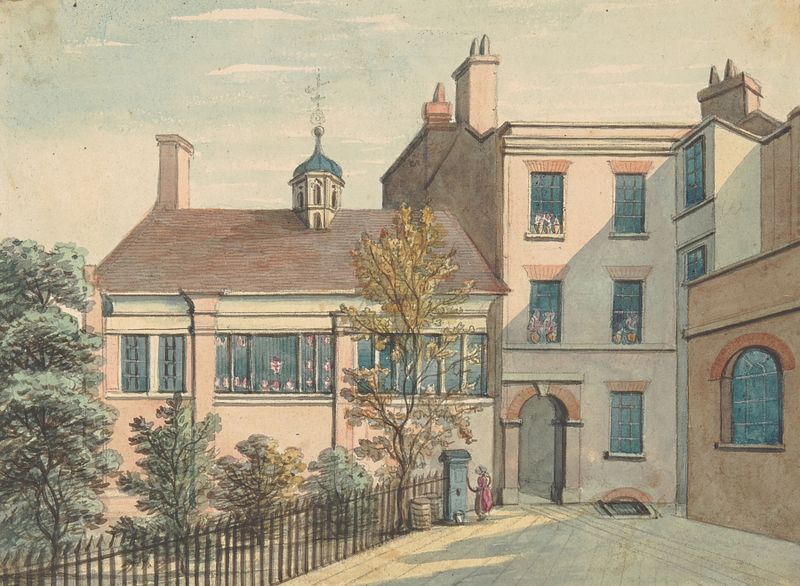
Barnard’s Inn
Samuel Ireland

Lincoln’s Inn Hall and Chapel
Samuel Ireland

Lion’s Inn
Samuel Ireland
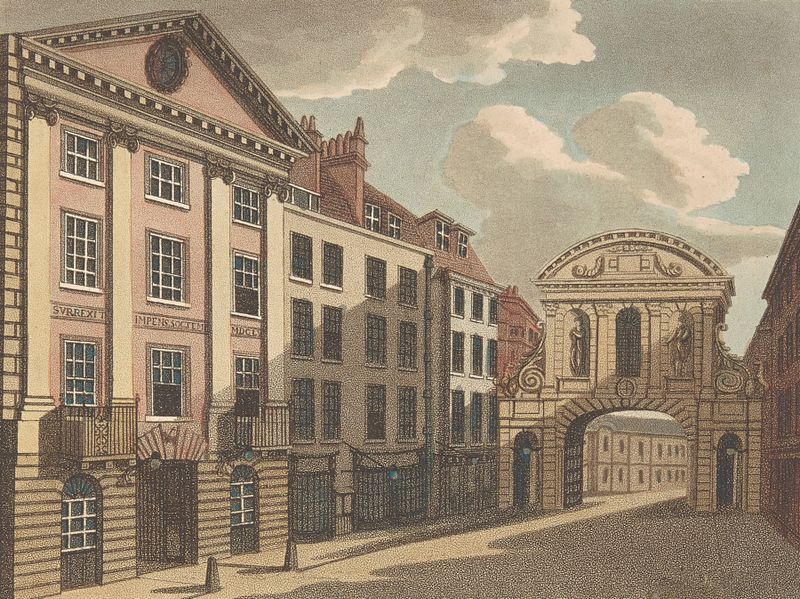
Middle Temple Gate
Samuel Ireland
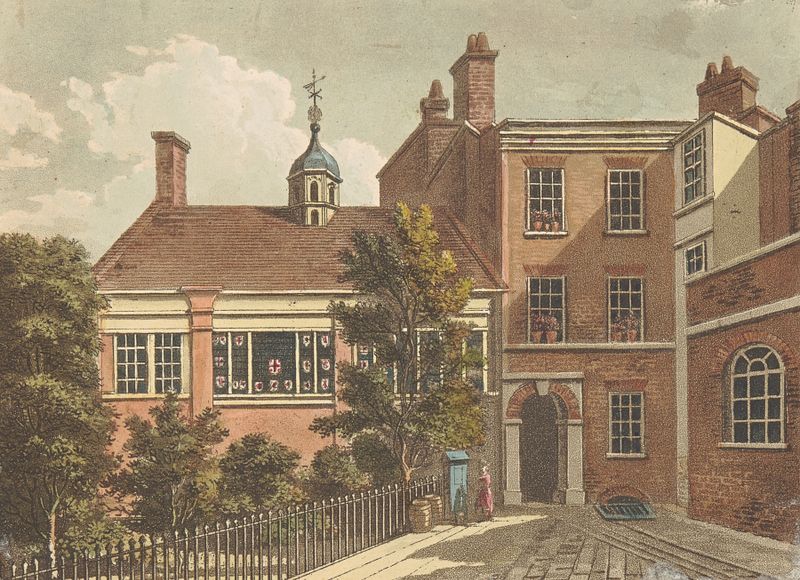
Barnard’s Inn
Samuel Ireland

Westminster Hall
Samuel Ireland
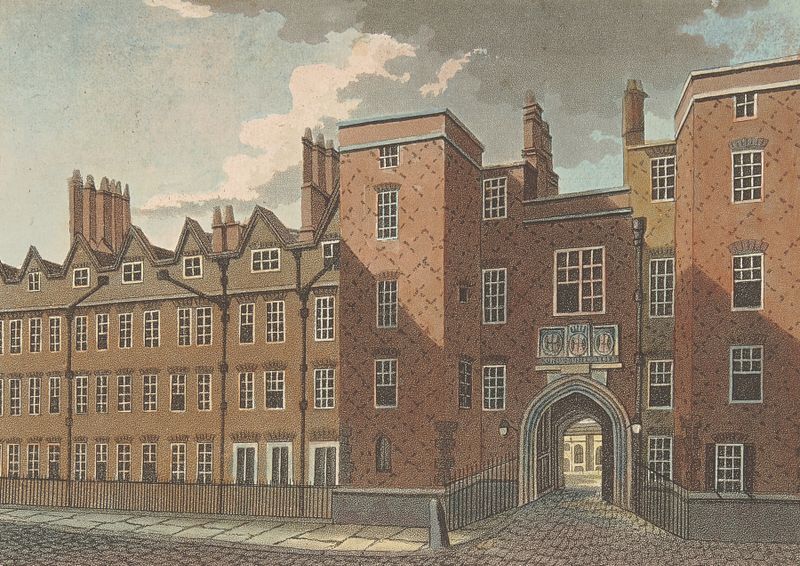
Lincoln’s Inn Gate
Samuel Ireland





