
Joseph Bonnier de la Mosson — History & Facts
What first catches the eye is not just the sitter’s poised confidence, but the way intellect itself is staged as a form of grandeur. The man, surrounded by the trappings of learning—books, glass jars, and scientific instruments—leans back in a golden chair, his hand resting lightly on an open volume. His gaze is set away from the viewer, as if he is pausing mid-thought, caught between the world of ideas and the world of appearances.
The sweep of blue drapery above and the classical column to the side lend the scene a sense of ceremony, while the intricate textures of lace and velvet invite the viewer closer, rewarding attention with detail after detail. This is a portrait that turns knowledge into spectacle. The sitter’s relaxed pose, with one arm draped over a stack of books and the other guiding the eye to the open pages, suggests a man at ease in the company of learning. Behind him, the shelves reveal jars and mechanical models—objects that hint at scientific curiosity and the Enlightenment’s hunger for discovery.
The light falls across his face and hands, drawing out the soft textures of his powdered hair and the sheen of his coat, while the darker background pushes the figure forward, making him the undeniable center of attention. In the tradition of eighteenth-century portraiture, such as the works of Hyacinthe Rigaud, this painting turns private accomplishment into public display, but here the tools of intellect rival the trappings of nobility. Painted in 1745 and now part of the National Gallery of Art collection, this work stands as a testament to the values of its age. Portraits like this were often commissioned by or for men of learning and influence, eager to be remembered not just for their wealth but for their minds and curiosity.
The artist, Jean-Marc Nattier, was celebrated for his ability to blend likeness with allegory, and here he crafts an image that is both a record and an ideal. The painting’s journey from the world of Enlightenment salons to a modern museum is largely unrecorded, but its presence today invites us to imagine the ambitions and dreams of its subject—and to look again at the objects that surround him, each one a clue to the world he inhabited.
More Artworks by Jean-Marc Nattier

Madame Crozat de Thiers and Her Daughter
Jean-Marc Nattier
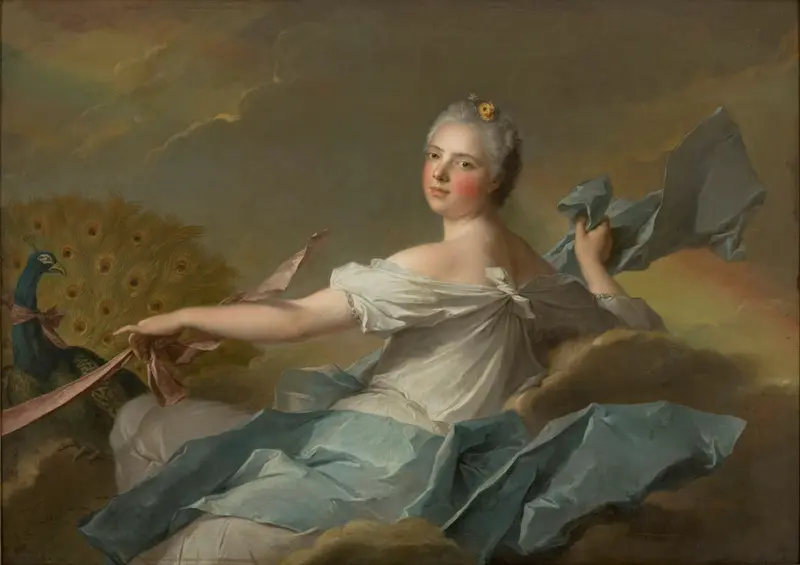
Princess Marie Adélaïde of France - The Air
Jean-Marc Nattier
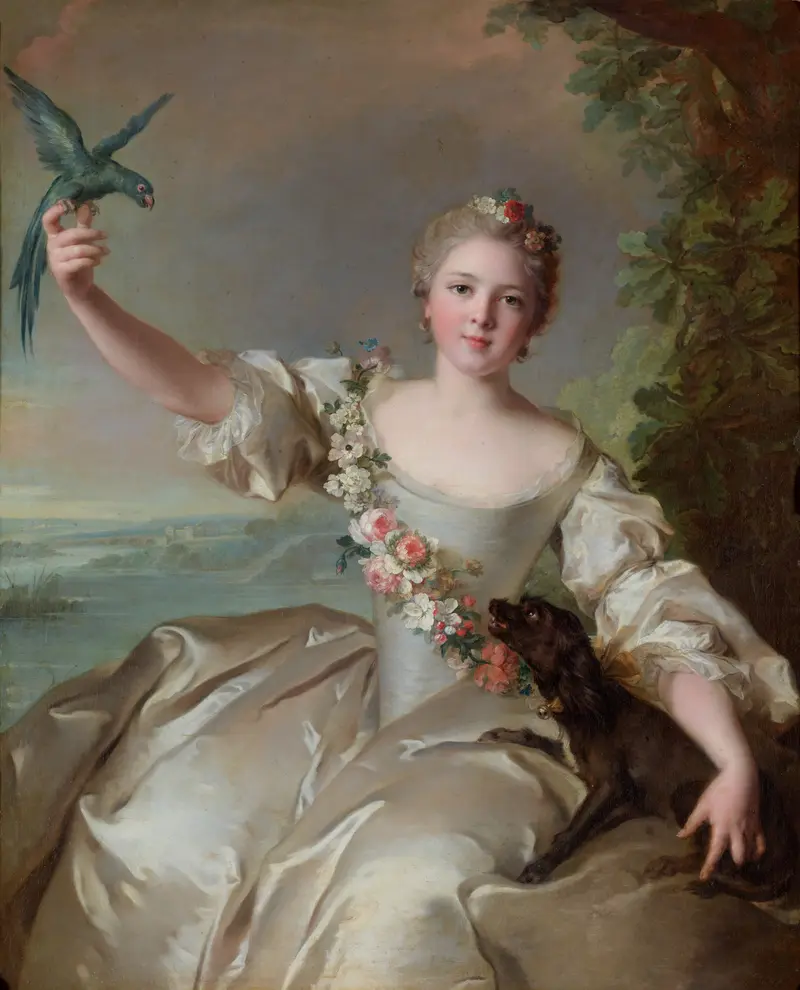
Portrait de Mathilde de Canisy, marquise d'Antin
Jean-Marc Nattier
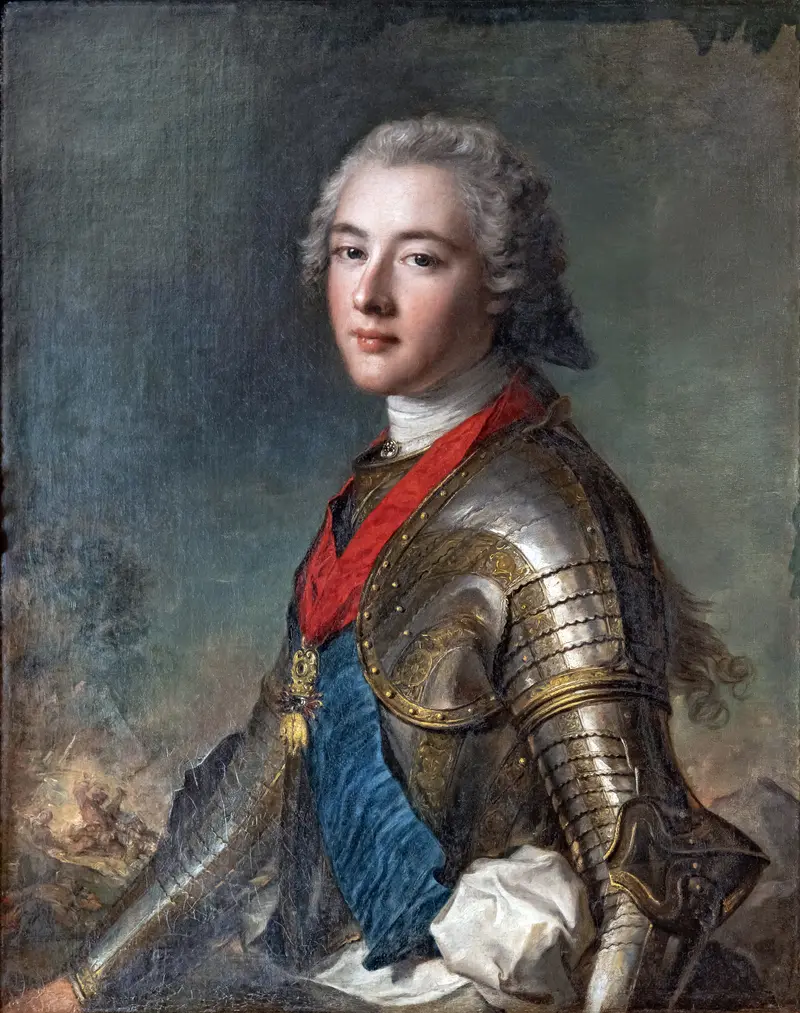
Bemberg Fondation Toulouse - Portrait de Louis Jean Marie de Bourbon, Duc de Penthièvre - Jean Marc Nattier inv.1158 82x65.4
Jean-Marc Nattier
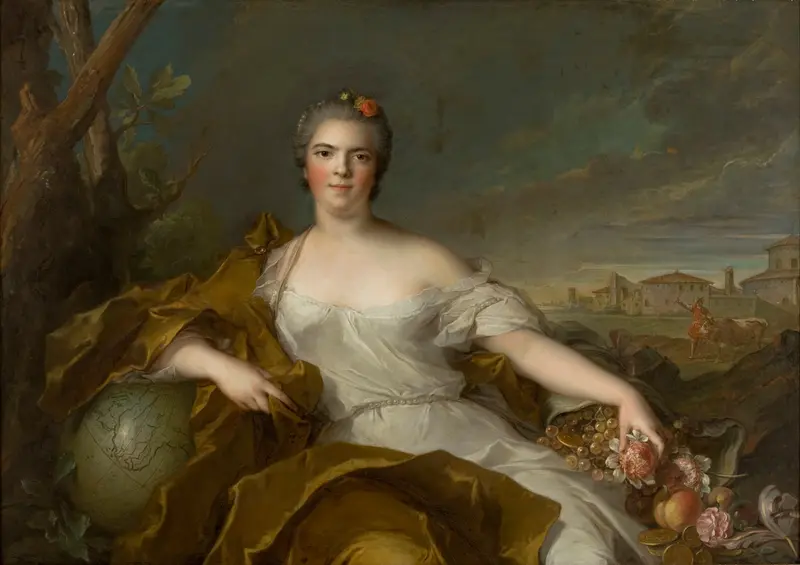
Princess Louise-Élisabeth of France - The Earth
Jean-Marc Nattier
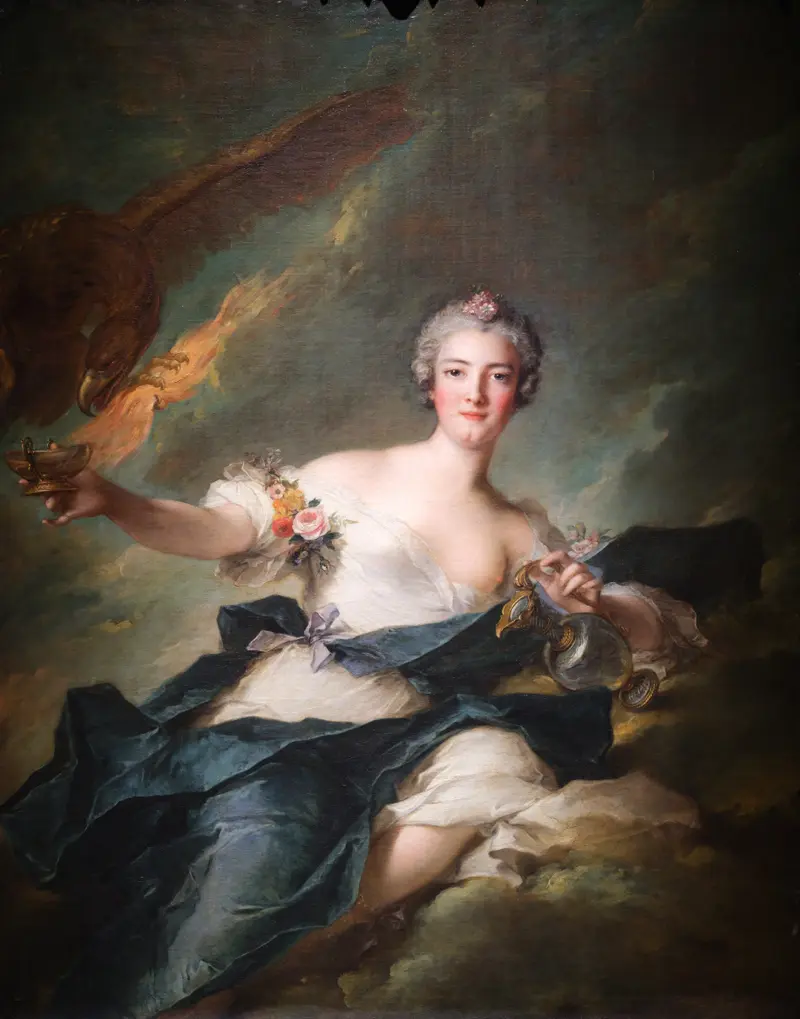
The Duchess of Chaulnes Represented as Hebe
Jean-Marc Nattier
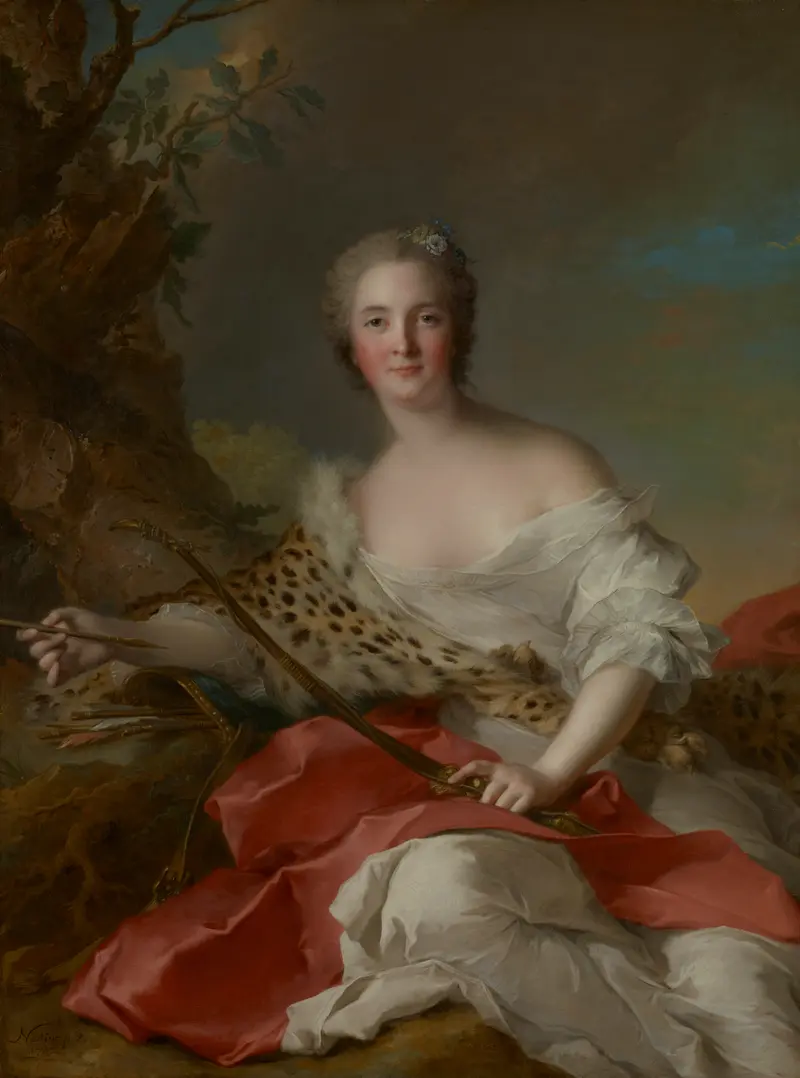
Portrait of Madame Bonnier de la Mosson as Diana (Constance-Gabrielle-Magdeleine du Monciel de Lauraille
Jean-Marc Nattier
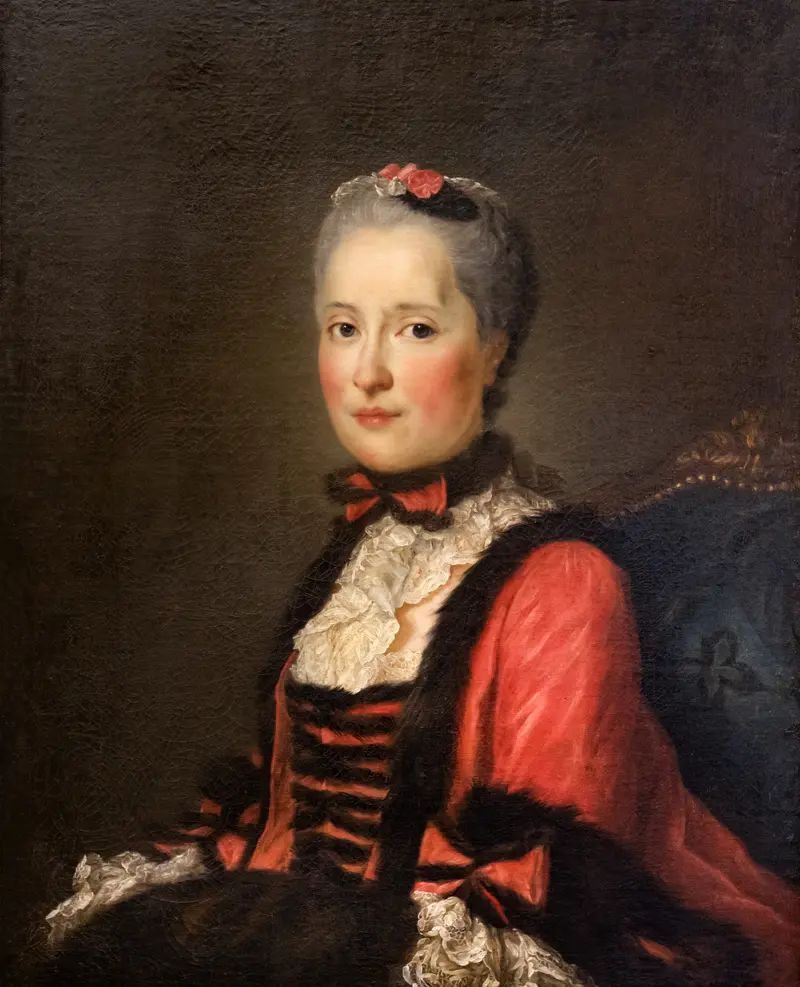
Portrait of Marie-Josephe of Saxony, Dauphine of France
Jean-Marc Nattier
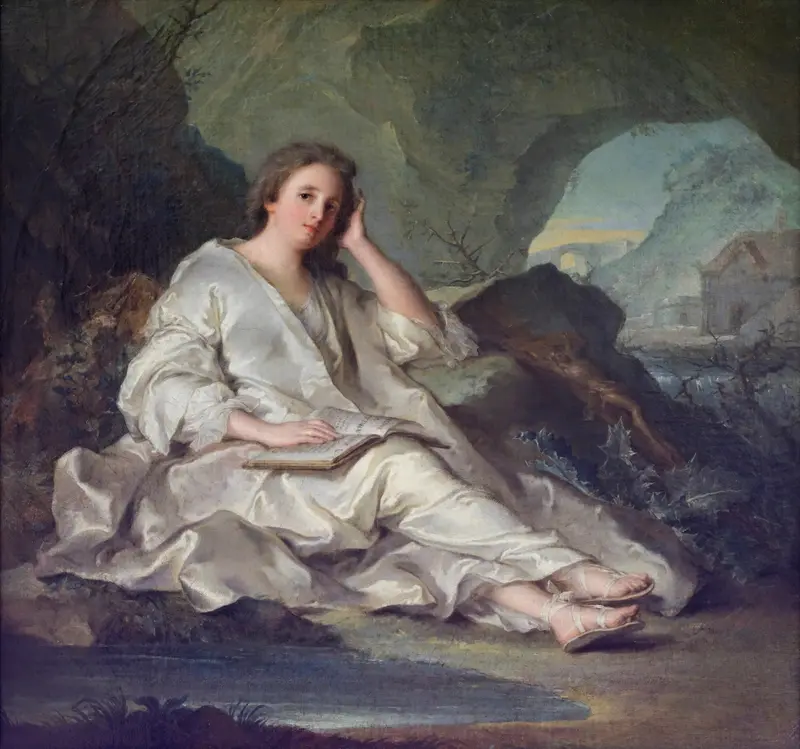
La Madeleine, ou Une Pénitente dans le désert Musée du Louvre Peintures INV 6880 ; MR
Jean-Marc Nattier
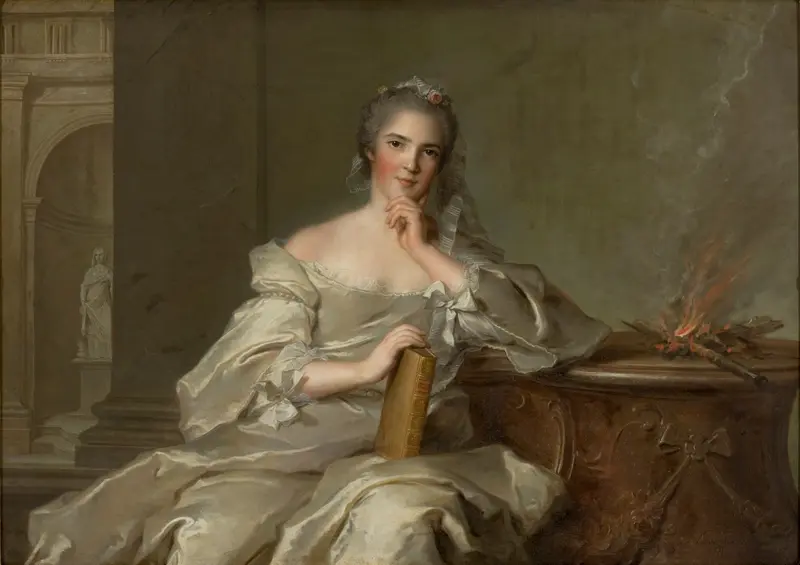
Princess Anne-Henriette of France - The Fire
Jean-Marc Nattier





