
Jozef verklaart de dromen van Farao — History & Facts
Who listens when art speaks of silence? In the hushed atmosphere of Jozef verklaart de dromen van Farao, faith intertwines with the weight of prophetic vision. Look to the center of the composition where Joseph stands poised, a figure of calm amidst the chaotic murmurs of Pharaoh’s court. His expressive gestures not only guide your gaze but also evoke a sense of authority and clarity. The vibrant colors—deep reds and golds—contrast sharply with the cooler tones of the surrounding figures, emphasizing Joseph’s pivotal role in this narrative.
Notice how the light falls upon his face, illuminating his features with a divine glow, while shadows cling to the skeptical faces around him, capturing the tension between belief and disbelief. Delve deeper, and you’ll find layers of meaning hidden in the smallest details. The intricate textures of the drapery on Pharaoh’s robes speak to opulence and power, yet his furrowed brow betrays unease. The attentive figures, each with distinct expressions, represent a spectrum of doubt and hope, encapsulating the emotional stakes of this moment.
The interaction between Joseph and the pharaoh isn’t just a dialogue; it’s a clash of faith versus despair, a reminder of the human struggle in the face of uncertainty. In 1512, Lucas van Leyden was establishing himself as a leading figure in Dutch painting, working during a period rich with religious fervor and artistic innovation. This was a time when the Renaissance was influencing Northern Europe, challenging traditional depictions of scripture and history. As van Leyden navigated these turbulent waters, Jozef verklaart de dromen van Farao emerged as a testament to both his skill and the larger cultural shift toward personal interpretation of faith and narrative.
More Artworks by Lucas van Leyden
Browse all →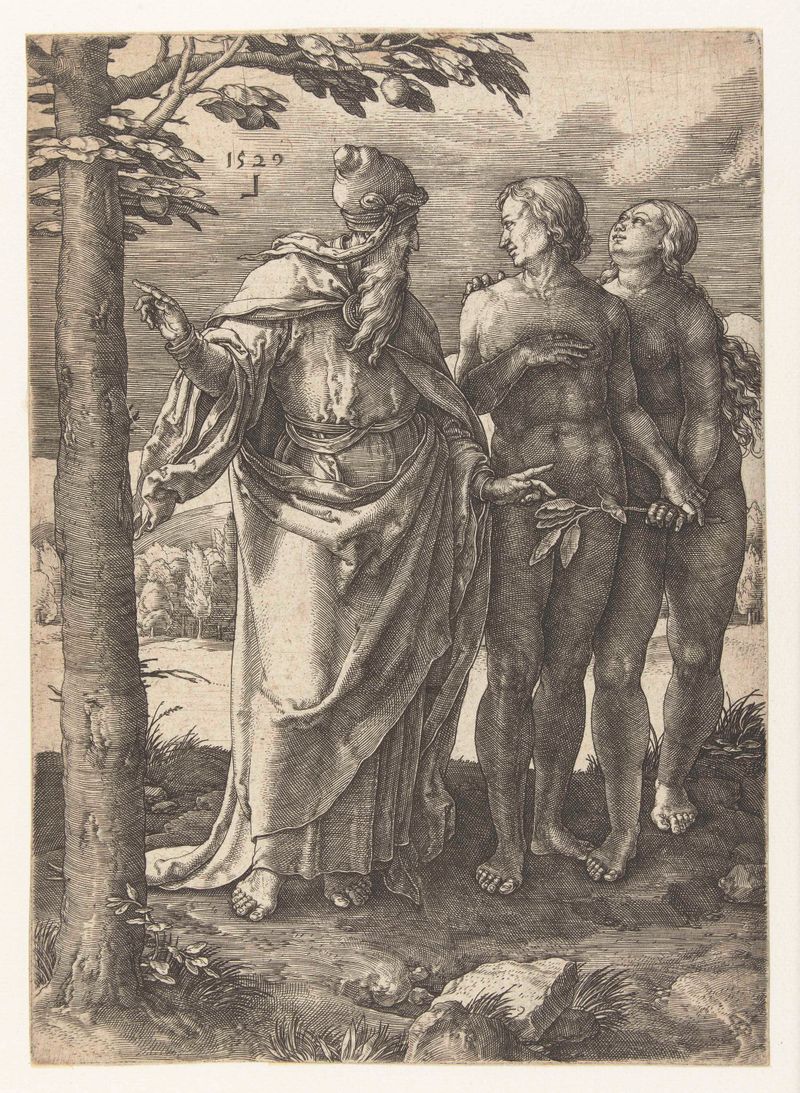
Het eerste verbod
Lucas van Leyden
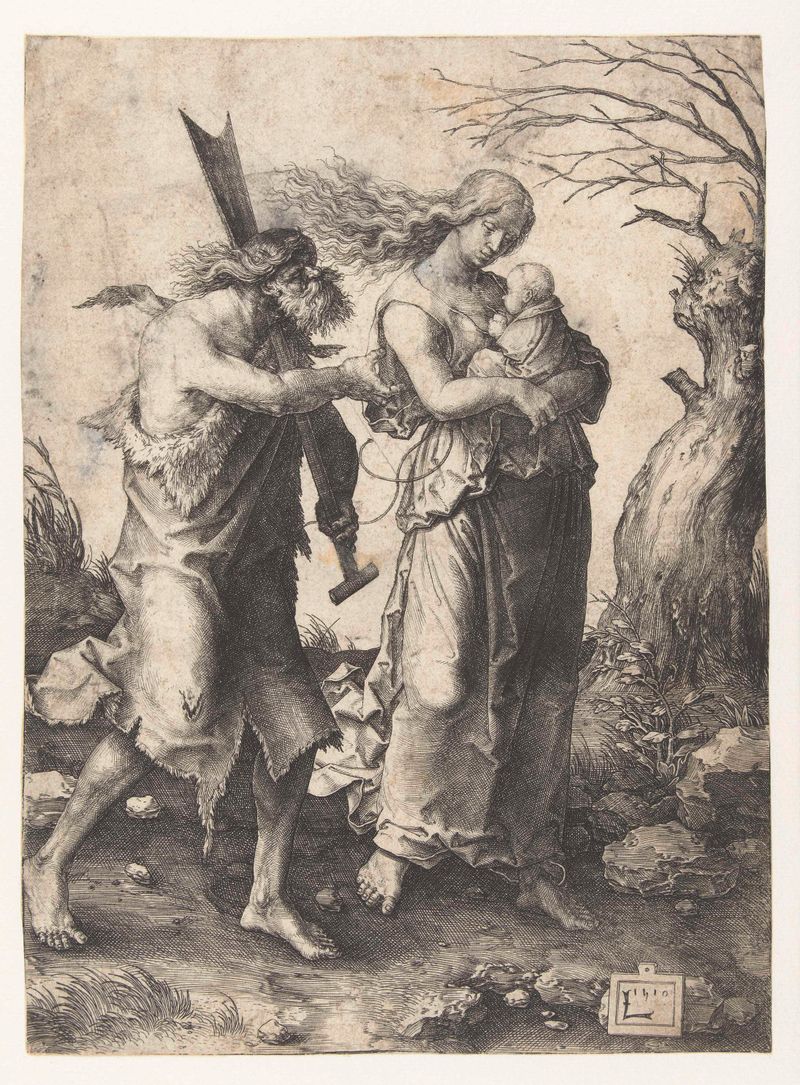
Adam en Eva na de verdrijving uit het paradijs
Lucas van Leyden
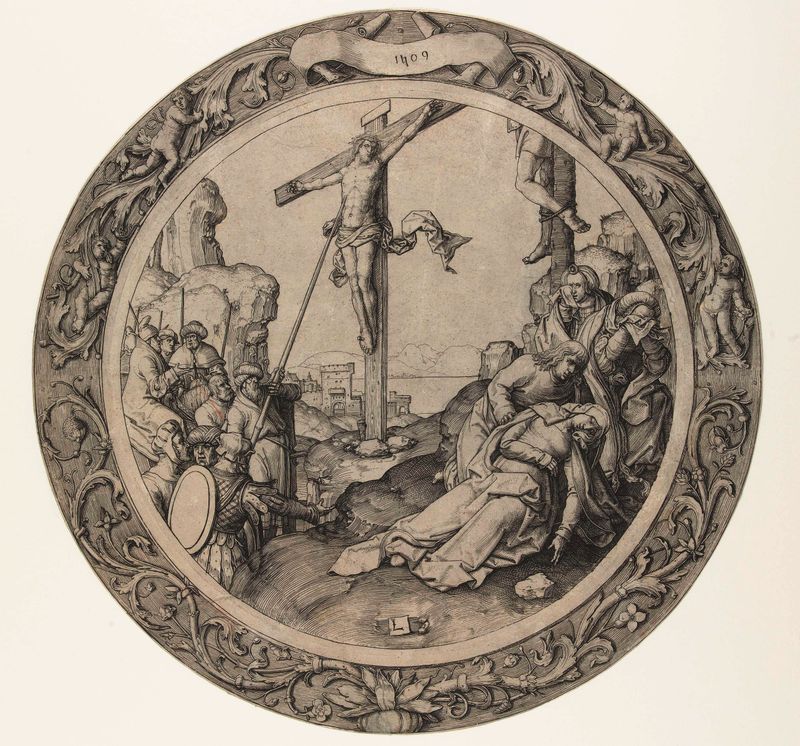
De kruisiging
Lucas van Leyden
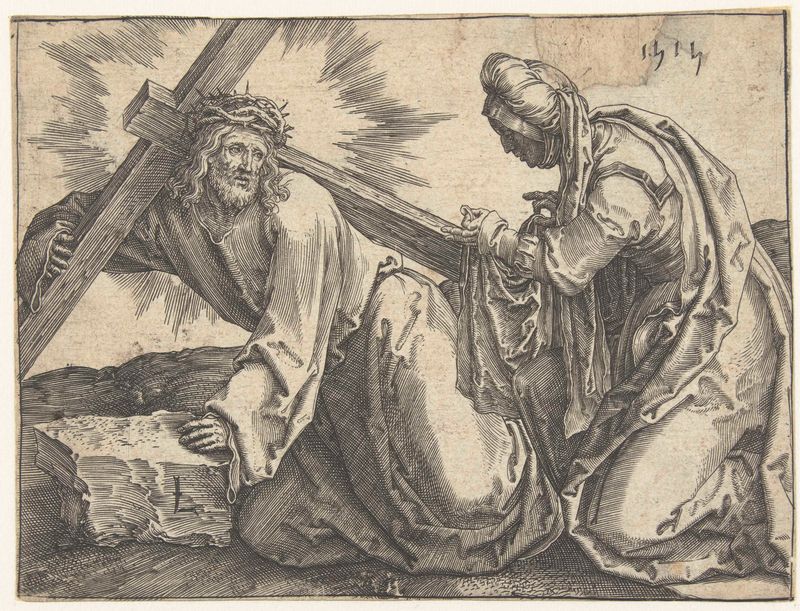
Kruisdraging
Lucas van Leyden
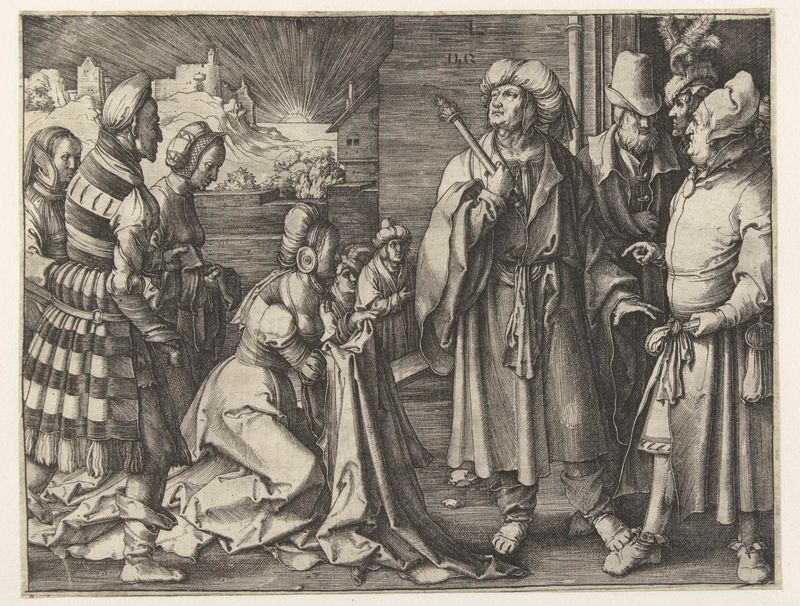
De vrouw van Potifar beschuldigt Jozef
Lucas van Leyden
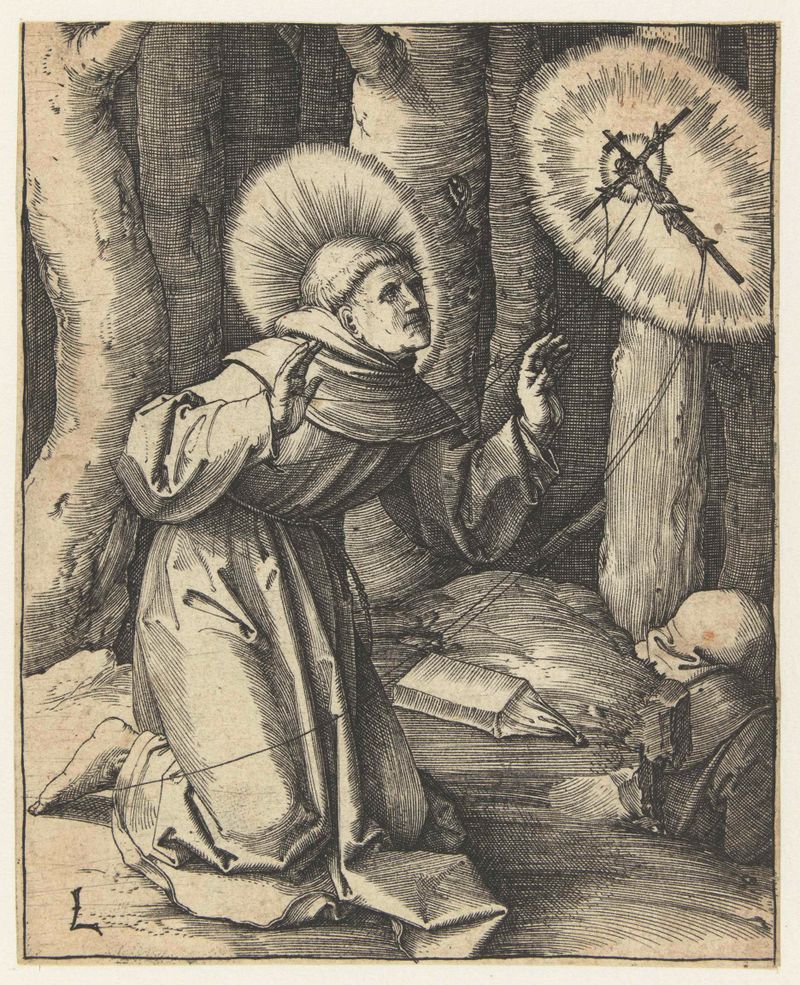
De stigmatisatie van de heilige Franciscus
Lucas van Leyden
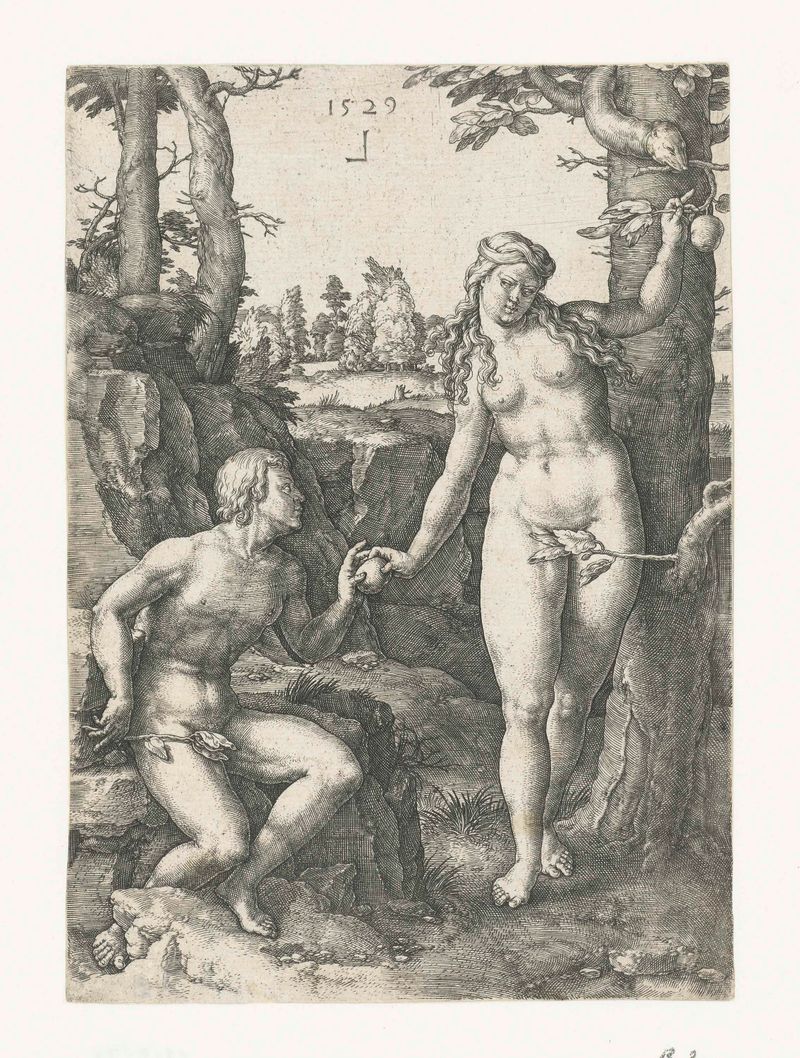
De zondeval
Lucas van Leyden
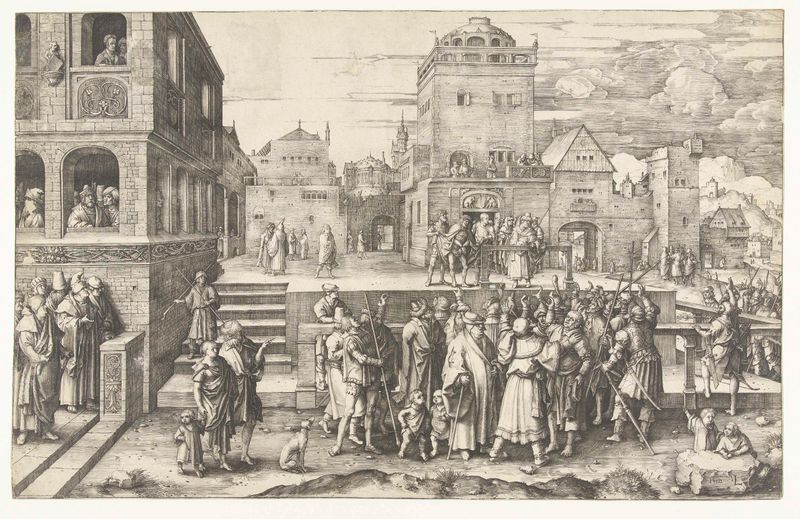
De grote Ecce Homo
Lucas van Leyden
Maria met kind
Lucas van Leyden

Doornenkroning
Lucas van Leyden
More Religious Art
Browse all →
The Return of the Prodigal Son
Rembrandt van Rijn

The Garden of Earthly Delights
El Bosco

Count Orgaz’ funeral
El Greco

The Hundred Guilder Print: the central piece with Christ preaching, the plate arched
Rembrandt van Rijn

The Descent from the Cross
Rogier van der Weyden

The return of the prodigal son
Rembrandt van Rijn