
Judenburg bei Nacht — History & Facts
In the quiet shadows of night, a town breathes solitude, its streets whispering secrets that only the moon can overhear. The twinkling lights mimic distant stars, yet they offer no comfort, for they merely illuminate the emptiness of an unoccupied world. Here, beauty is entwined with loneliness, reminding us that even in silence, the heart can ache. Look closely at the vibrant interplay of blues and golds that dominate the canvas.
The deep navy sky contrasts sharply with the warm, flickering lights of the buildings below, drawing your gaze toward the heart of Judenburg. Notice how the artist employs soft brushstrokes to create a sense of movement in the clouds, as if they, too, are yearning to drift away from the stillness below. Each structure, with its golden glow, stands resilient against the consuming night, inviting contemplation on its role within the vast emptiness surrounding it. Delve deeper into the contrasting elements at play: the vibrancy of light against the oppressive solitude of night.
The luminous facades symbolize a fleeting joy, yet their isolation evokes a profound sense of loneliness. Each illuminated window hints at unshared stories, suggesting that behind closed doors, lives are being lived in quiet despair. This duality encapsulates the emotional tension woven throughout the painting, capturing the essence of a world that feels both alive and achingly vacant. During 1943, Wiener painted this piece in an era marked by turmoil and conflict.
Living in Austria during World War II, the artist was surrounded by a landscape filled with uncertainty and fear. This backdrop influenced his artistic vision, leading him to explore themes of isolation and the human experience amidst chaos. In Judenburg bei Nacht, he transcended the mere depiction of a town; he captured the haunting beauty of loneliness during a time when both art and life were inextricably tied to a profound sense of loss.
More Artworks by Karl Wiener
Browse all →
Österreich
Karl Wiener

Vorstadt VII
Karl Wiener

Der Turm
Karl Wiener

Ohne Titel (Häuser mit Holzscheune)
Karl Wiener

Kopfstudie, aus; ‘Profile’, 10 Blätter, Graz XV
Karl Wiener

Steinberg
Karl Wiener
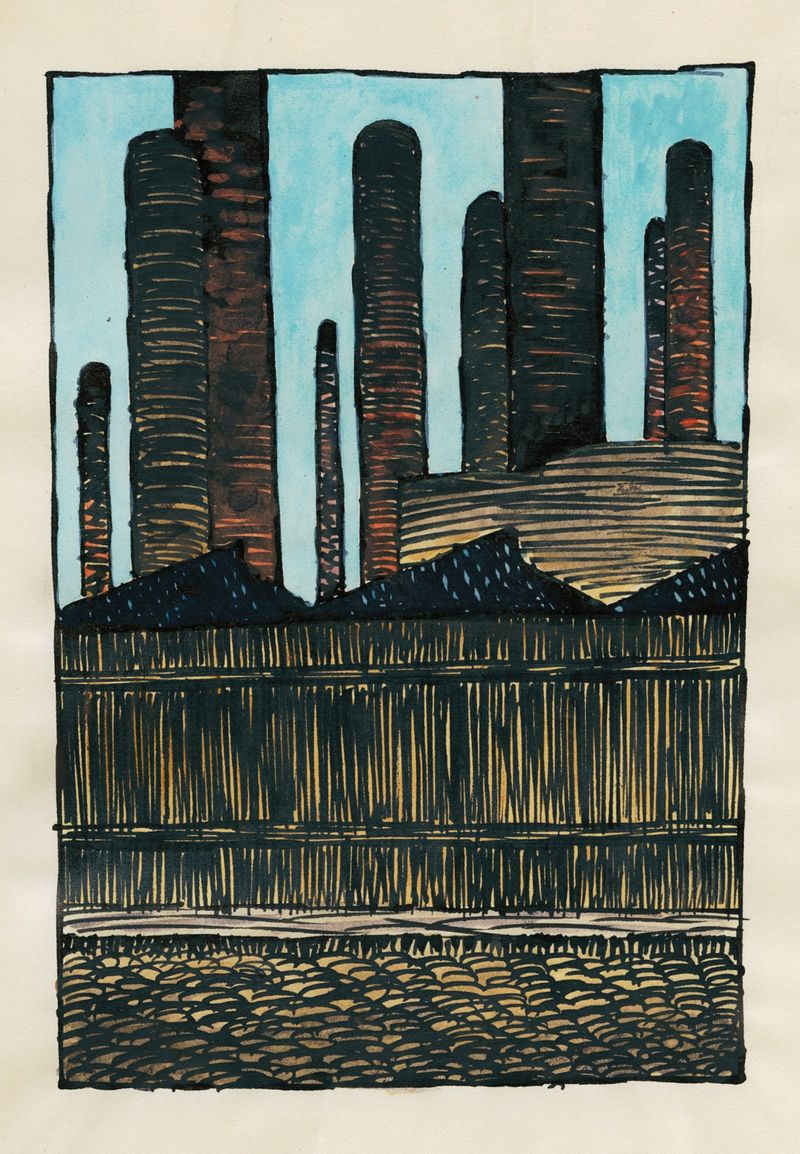
Kopfstudie, aus; ‘Profile’, 10 Blätter, Graz XIV
Karl Wiener

Ohne Titel (Bauernhaus mit Vorgarten)
Karl Wiener
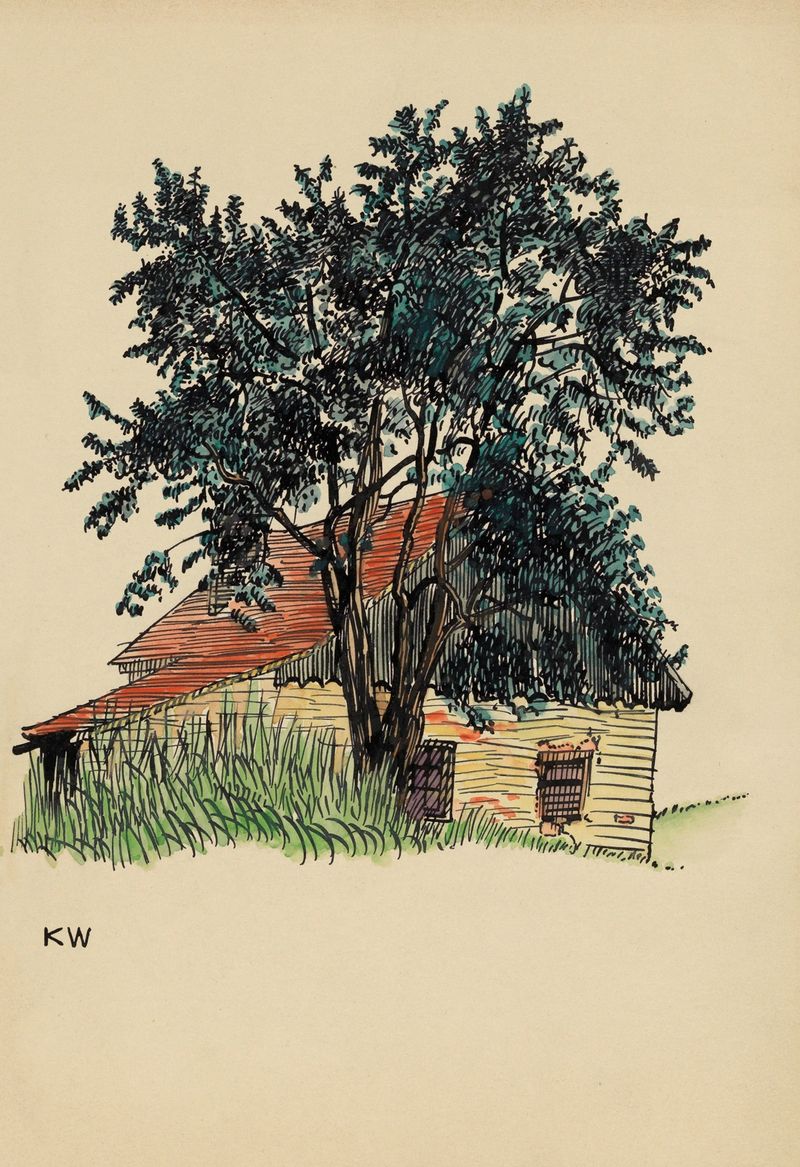
Ohne Titel (Bauernhaus)
Karl Wiener
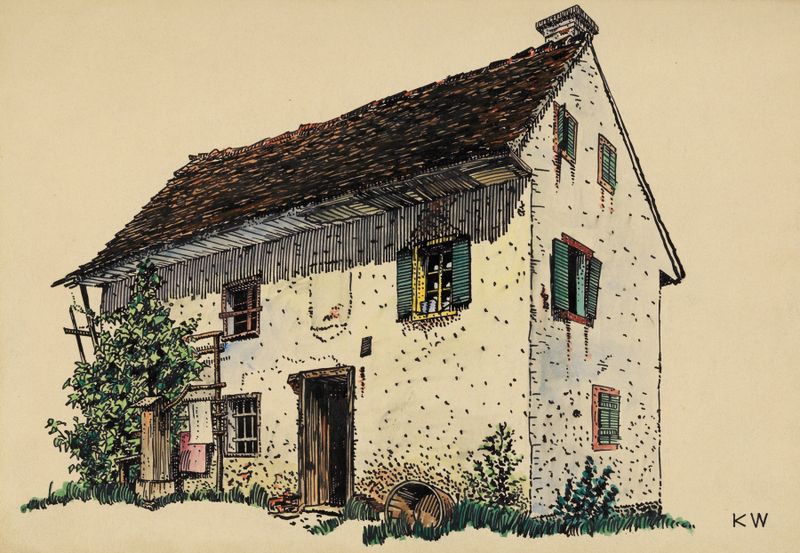
Ohne Titel (Bauernhaus)
Karl Wiener





