
Judith hands her maid the head of Holofernes — History & Facts
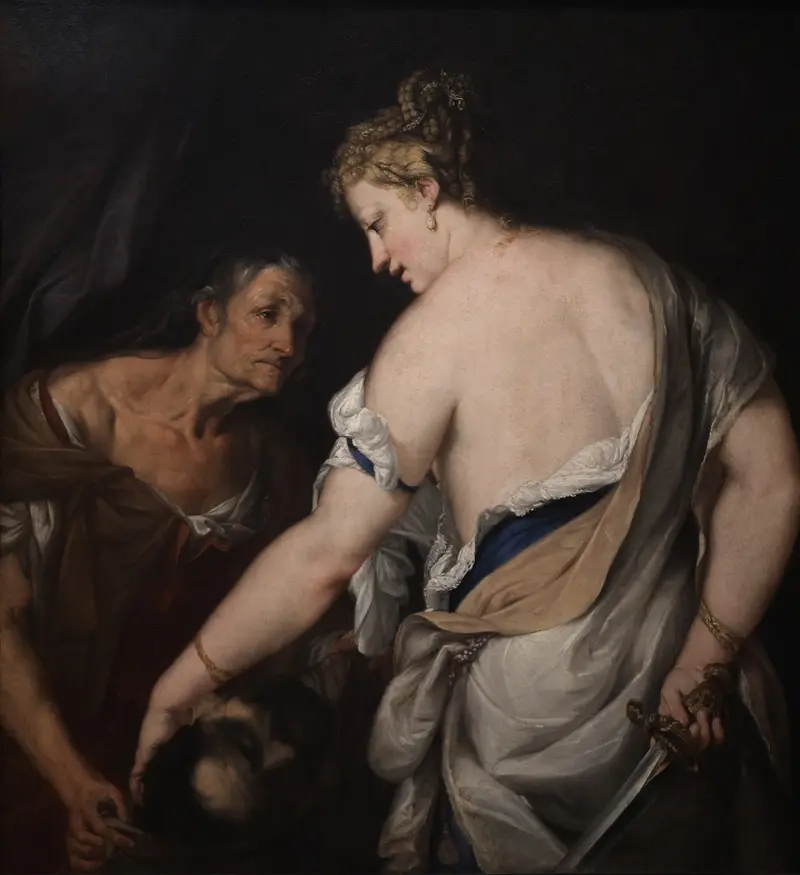
A shaft of light catches the pale face of Judith, her gaze steady and composed as she passes the severed head of Holofernes to her maid. The drama here is not in the violence itself, but in the electric pause that follows—the moment when the deed is done and the world holds its breath. Bellucci draws the eye to the silent exchange between the two women: Judith’s calm, almost tender expression meets the maid’s animated gesture, her raised arm signaling urgency or perhaps awe.
The head, swaddled in white linen, forms a dark anchor at the center, its heavy presence contrasting with the swirling fabrics and luminous skin. Painted in 1710, this work belongs to a tradition that relished the tension of biblical heroines and their decisive acts. The rich folds of drapery, the theatrical lighting, and the close, almost claustrophobic composition all speak to the late Baroque taste for immediacy and emotion. Such paintings were often commissioned for private devotion or as moral exemplars, inviting viewers to contemplate courage and virtue in the face of tyranny.
History has kept few traces of this particular Antonio Bellucci canvas, now recorded in a private collection, but its vivid storytelling and painterly bravura invite us to linger over every gesture and glance, searching for the courage that flickers in the shadows.
More Artworks by Antonio Bellucci

Toilette of Belinda
Antonio Bellucci

Hercules in the Palace of Omphale
Antonio Bellucci
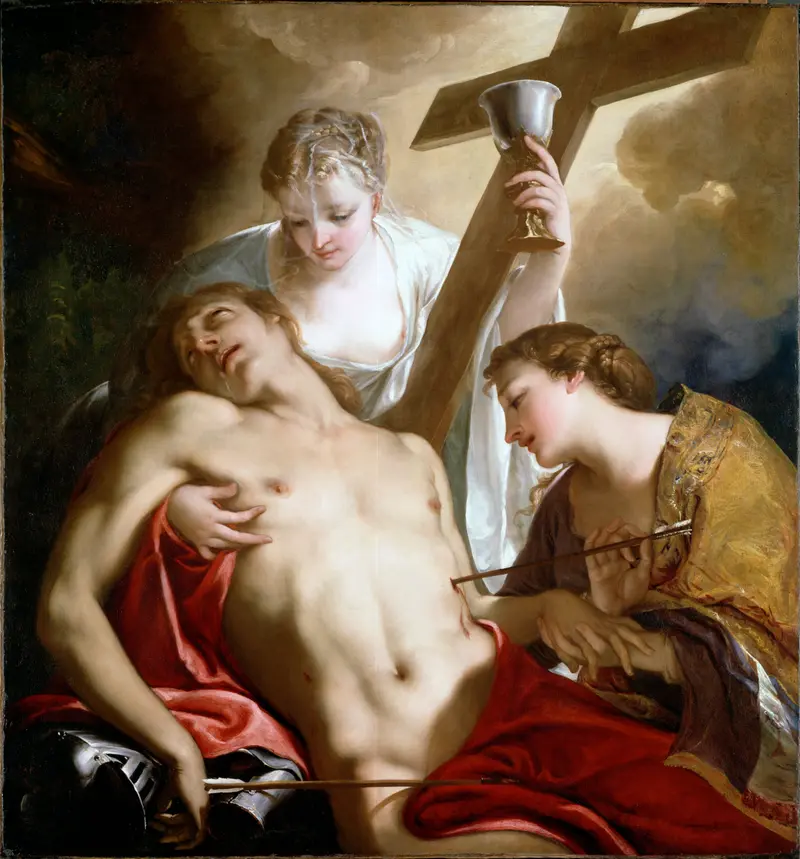
Saint Sebastian
Antonio Bellucci
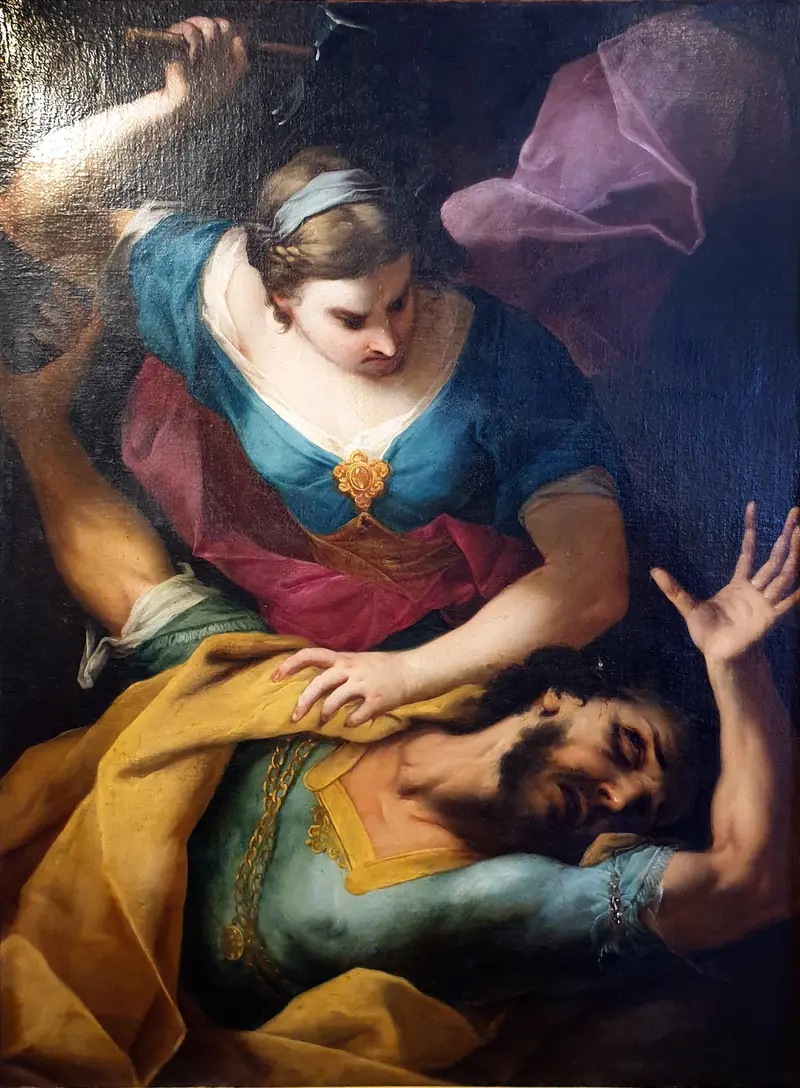
Jael slays the sleeping Canaanite commander Sissera
Antonio Bellucci
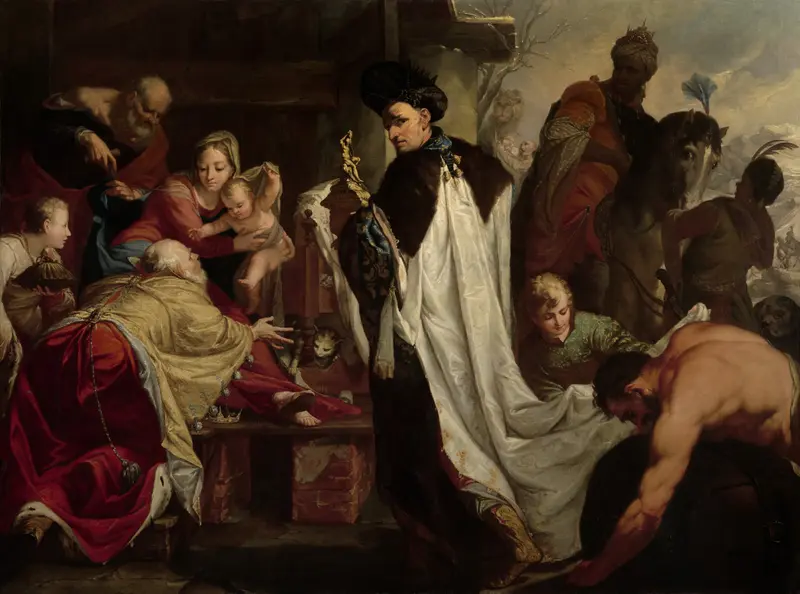
The Adoration of the Magi
Antonio Bellucci

Reverence to Elector Johann Wilhelm von der Pfalz – Design for a Ceiling Painting for Bensberg Castl...
Antonio Bellucci
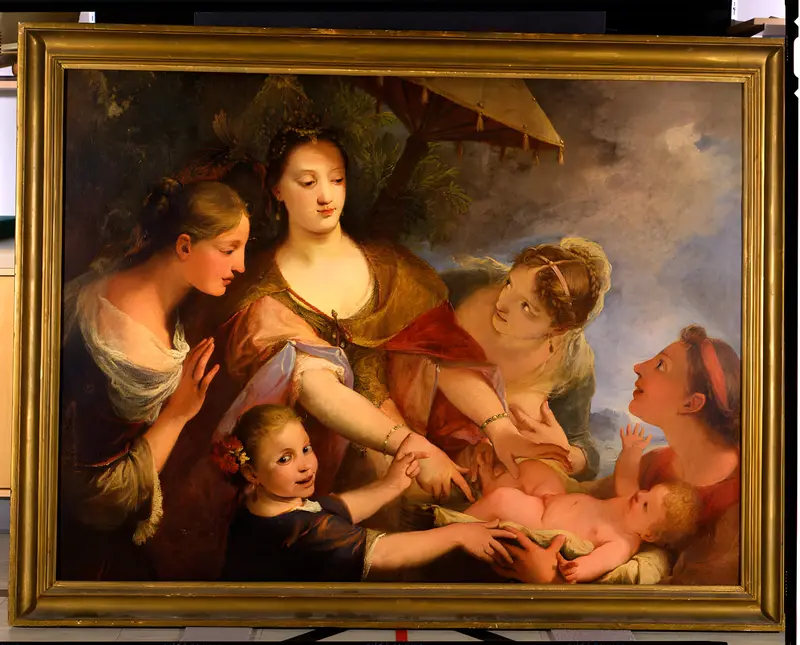
Discovery of the Infant Moses
Antonio Bellucci
Mars and Venus Entrapped by Vulcan
Antonio Bellucci
Judith and Holofernes
Antonio Bellucci





