
The Adoration of the Magi — History & Facts
What seizes the eye first in The Adoration of the Magi by Antonio Bellucci is not the gold or the gifts, but the electric tension between the figures: the kneeling king’s outstretched hand, the child’s uncertain gesture, the gaze that passes between mother and visitor. Light pools around the Christ child and Mary, drawing the viewer into the heart of the drama, while the darker, more tumultuous edges of the canvas remind us that this moment is both intimate and monumental. The sweep of the white mantle, the glint of gold, and the careful choreography of glances and gestures all serve to heighten the sense of a world pausing in awe. Works like this one flourished in the late Baroque, when scenes of the Adoration were prized by churches and wealthy patrons alike for their ability to blend spectacle with devotion.
Antonio Bellucci belonged to a generation of Venetian-trained painters who brought theatricality and color to sacred stories, often commissioned to impress as much as to instruct. The presence of this painting in the collection of the Museum of Fine Arts, Houston, speaks to the enduring appeal of such images, even as the specifics of its journey through time remain little recorded. The brushwork and grandeur invite us to linger, to follow the play of light and fabric, and to imagine the world that once demanded such a vision.
More Artworks by Antonio Bellucci

Toilette of Belinda
Antonio Bellucci

Hercules in the Palace of Omphale
Antonio Bellucci
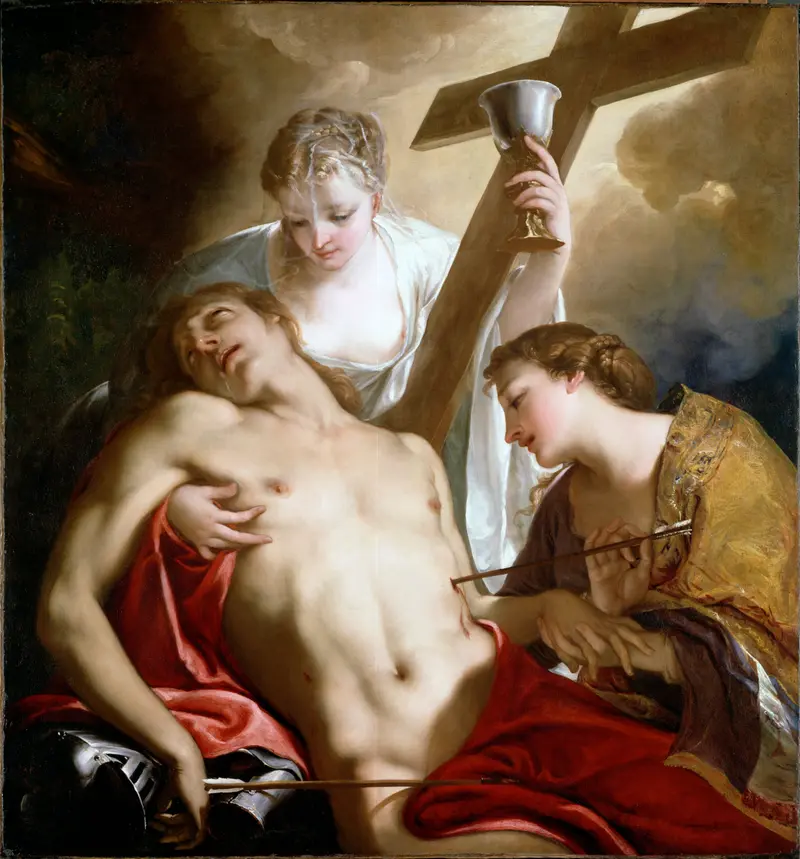
Saint Sebastian
Antonio Bellucci
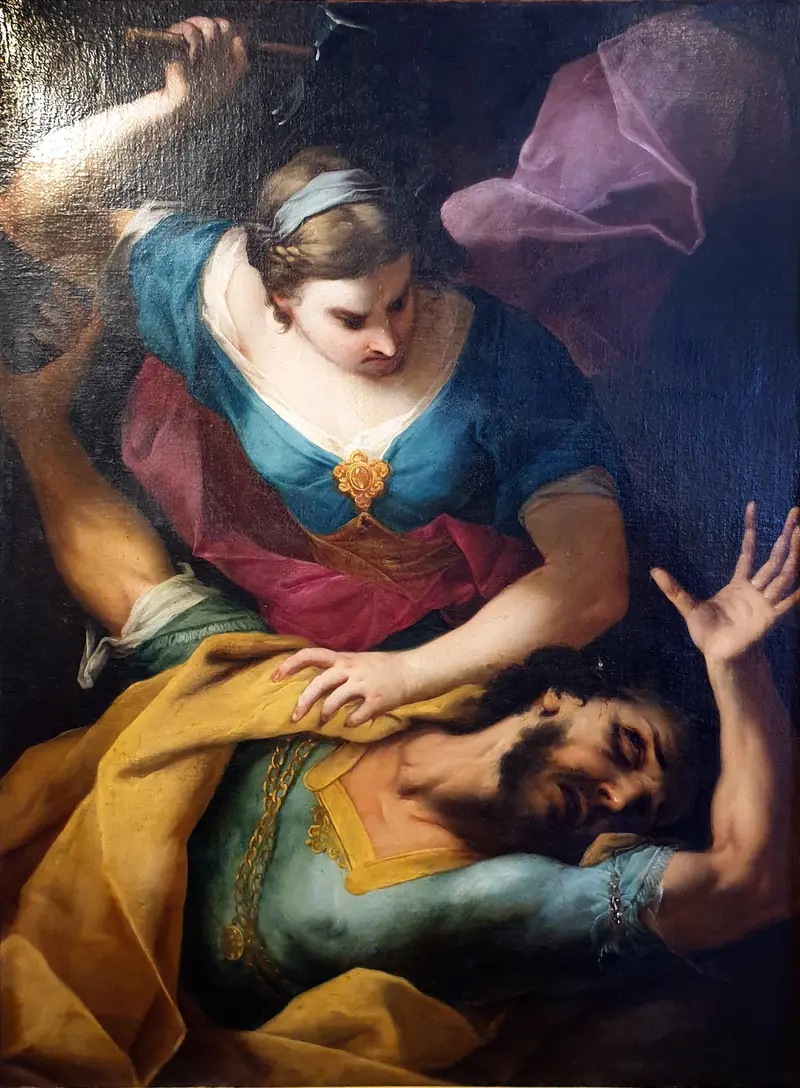
Jael slays the sleeping Canaanite commander Sissera
Antonio Bellucci

Reverence to Elector Johann Wilhelm von der Pfalz – Design for a Ceiling Painting for Bensberg Castl...
Antonio Bellucci
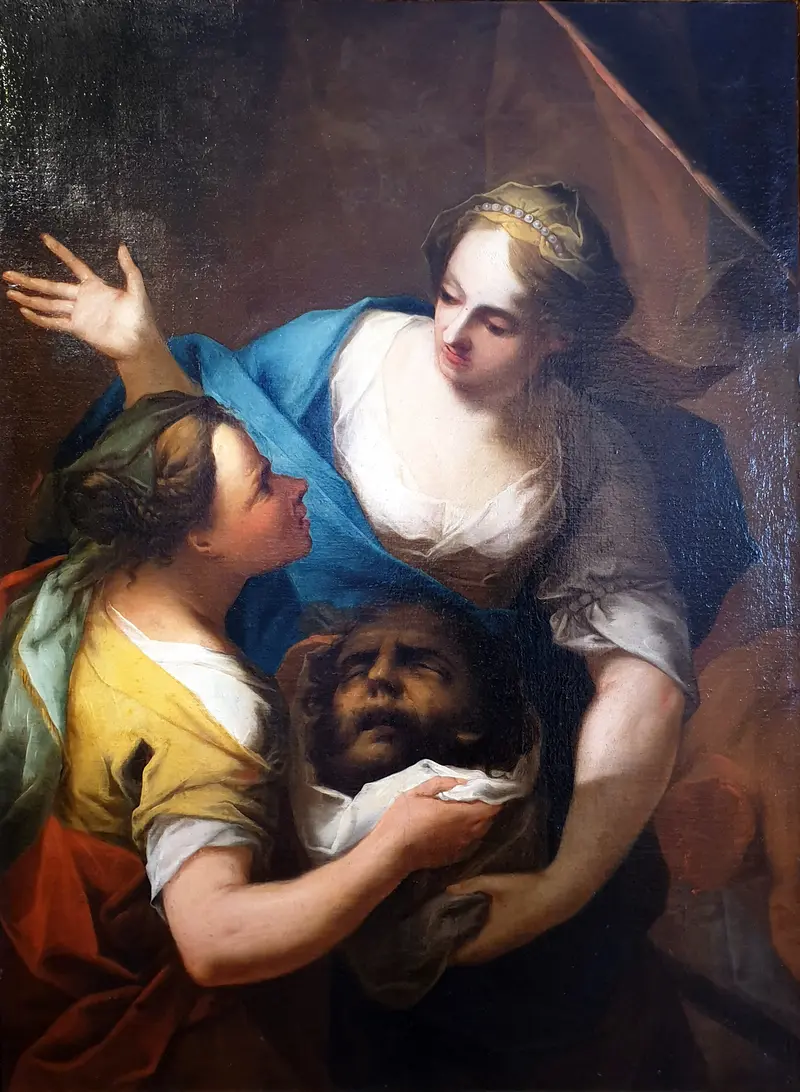
Judith hands her maid the head of Holofernes
Antonio Bellucci
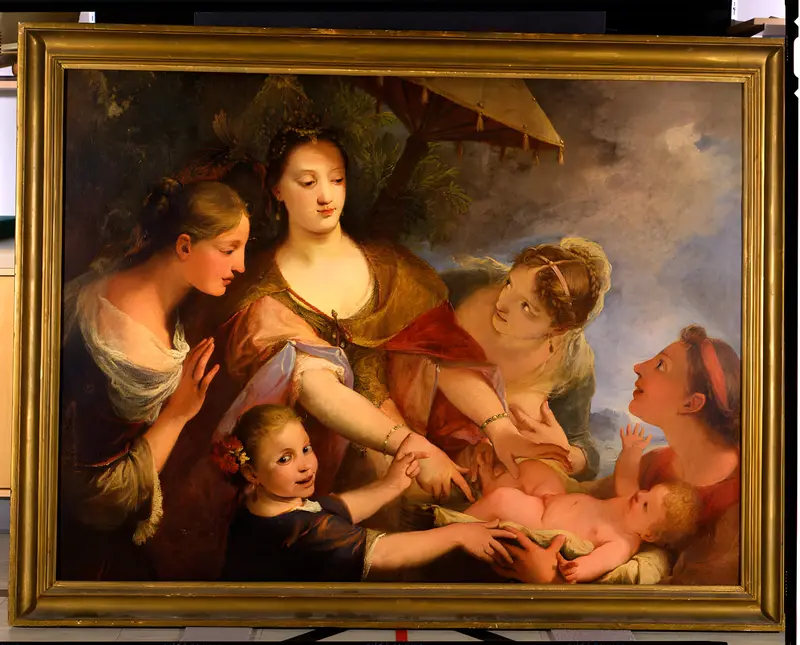
Discovery of the Infant Moses
Antonio Bellucci
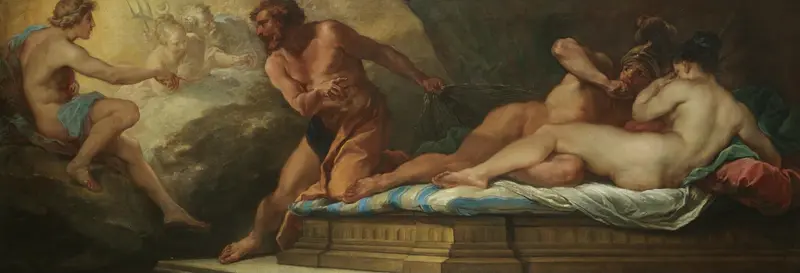
Mars and Venus Entrapped by Vulcan
Antonio Bellucci
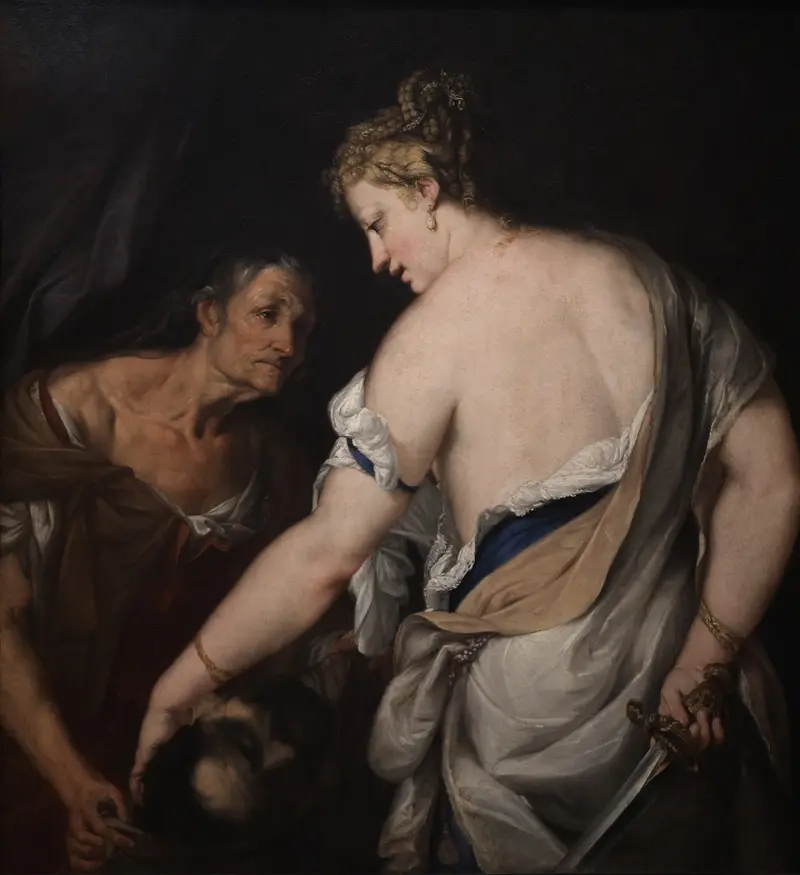
Judith and Holofernes
Antonio Bellucci





